
Last updated September 20, 2026
Level 1 sweep and inspection to the NFPA 211 annual standard - flue, crown, cap, and flashing checked and photographed
Chimney sweep logs do not sweep chimneys. They loosen some creosote - which then falls where a brush and vacuum still have to collect it.
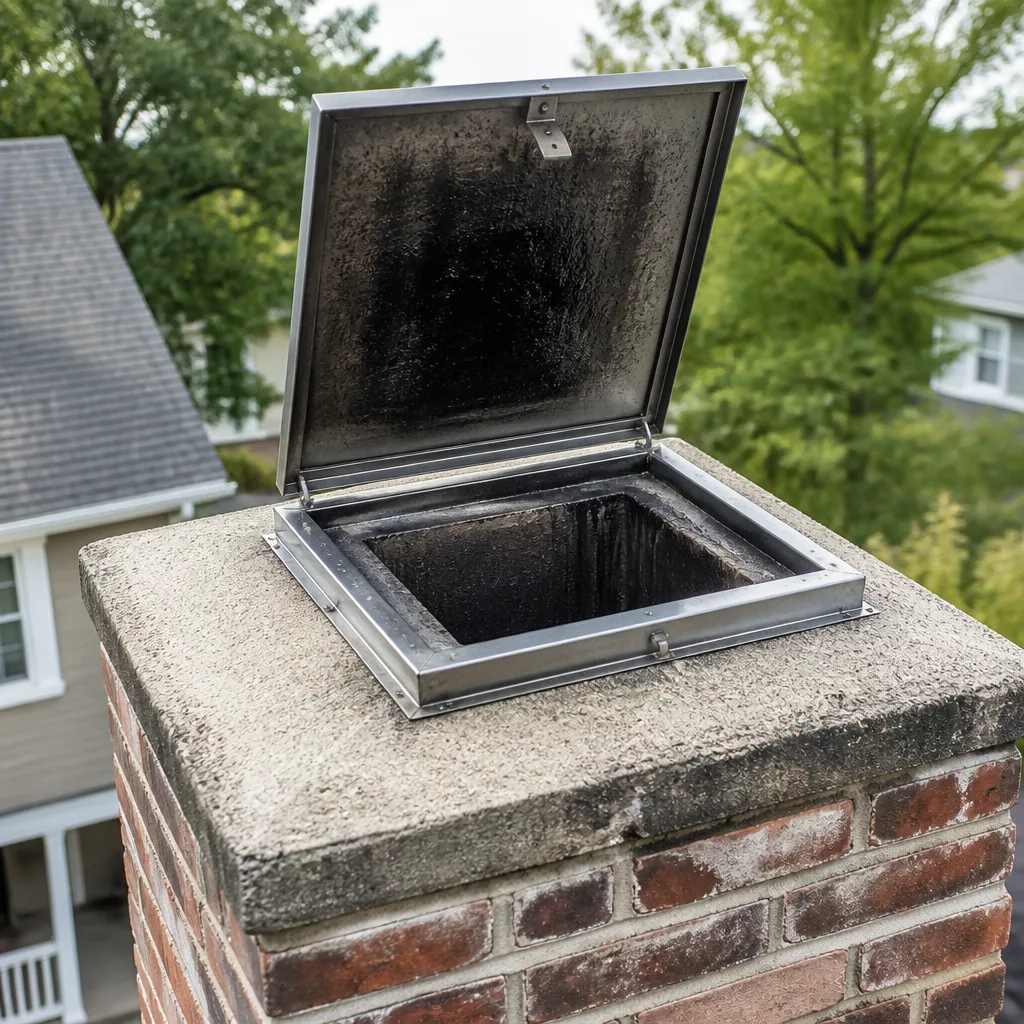
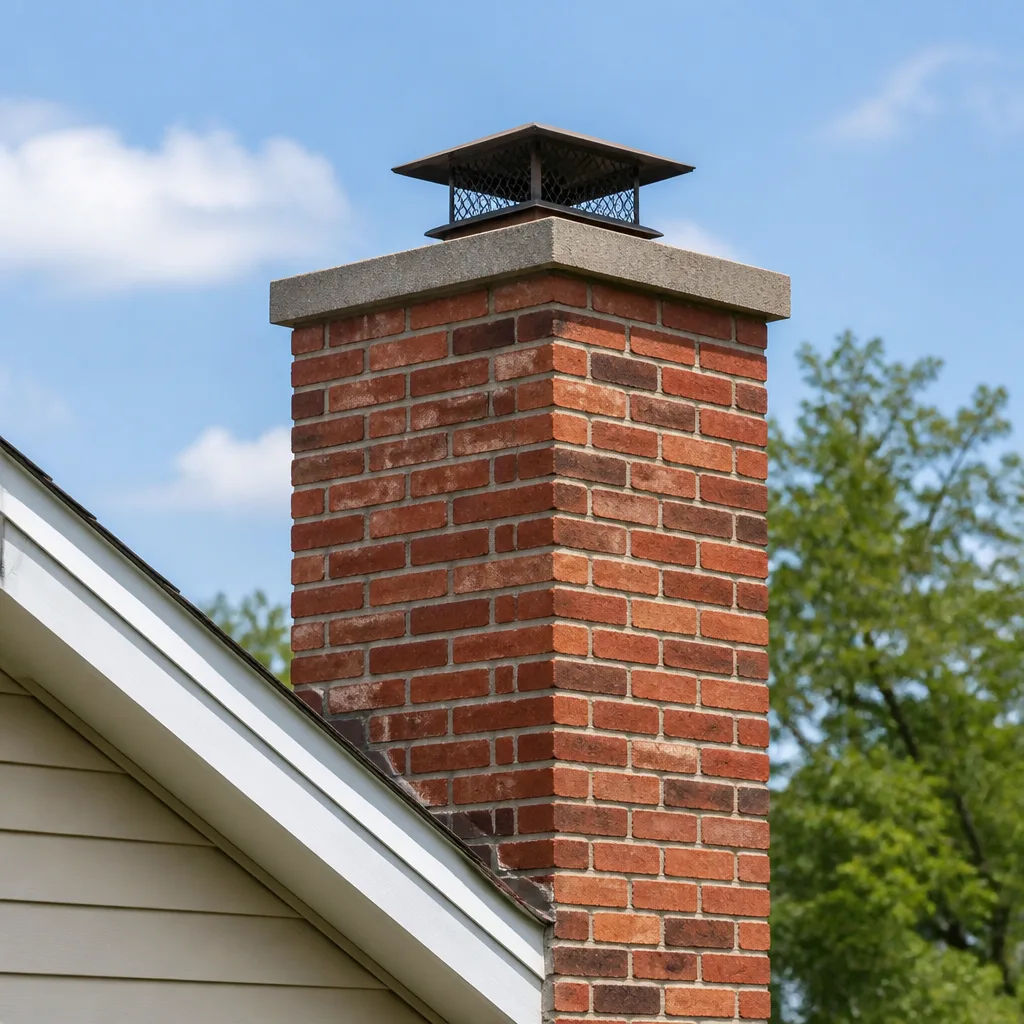
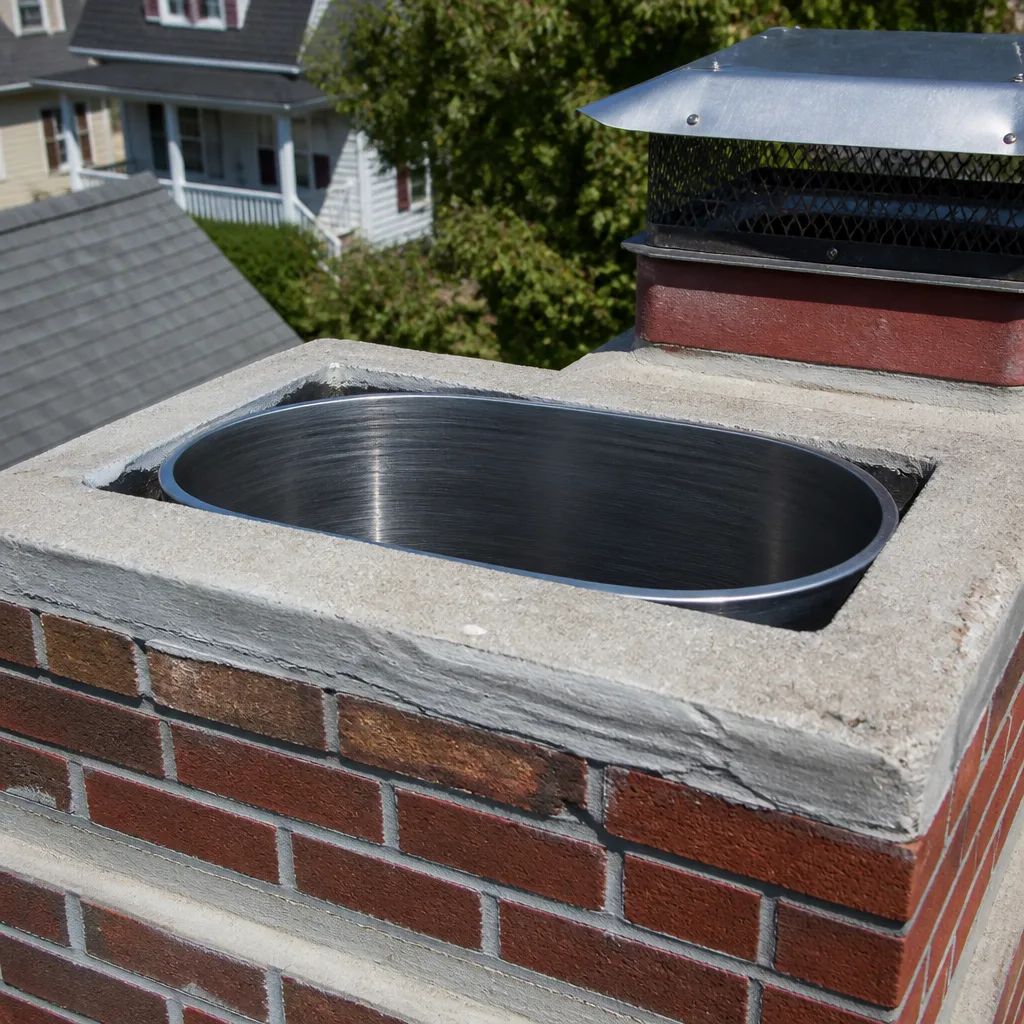
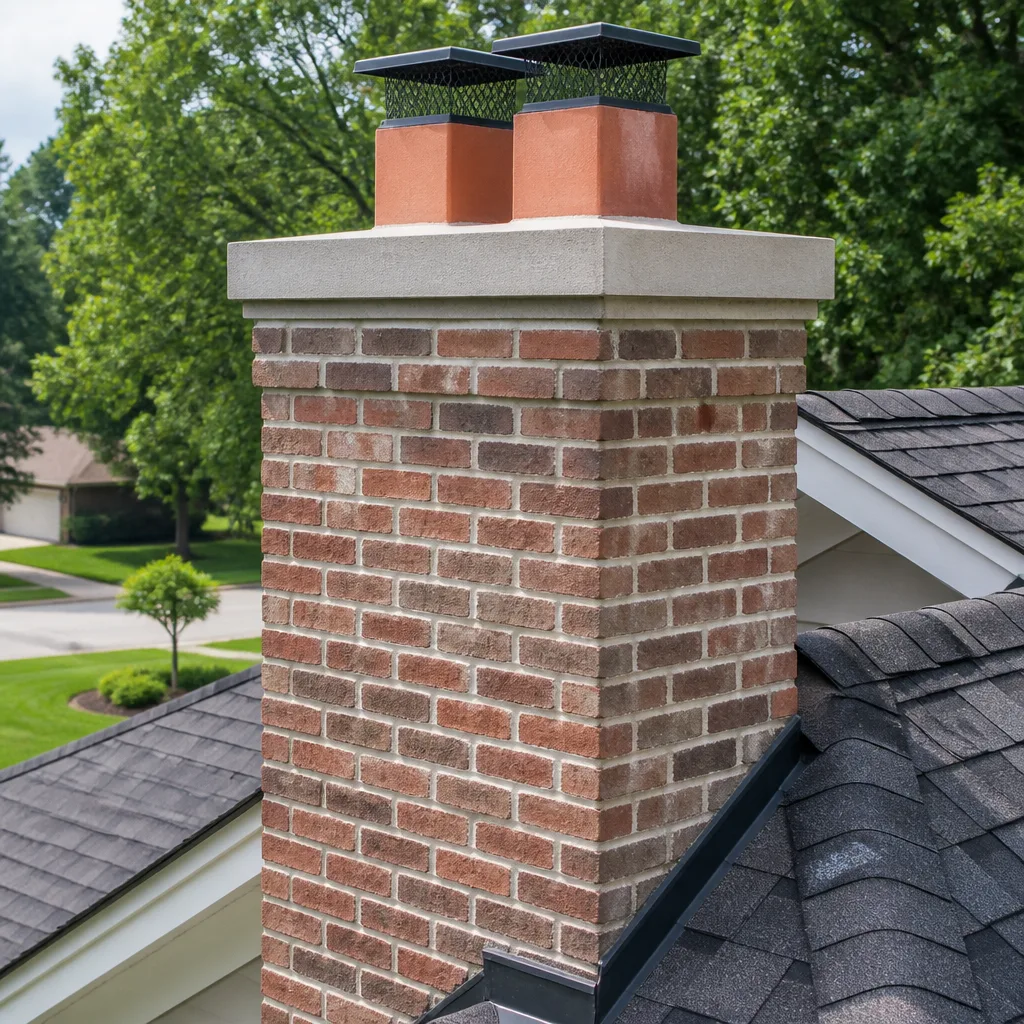
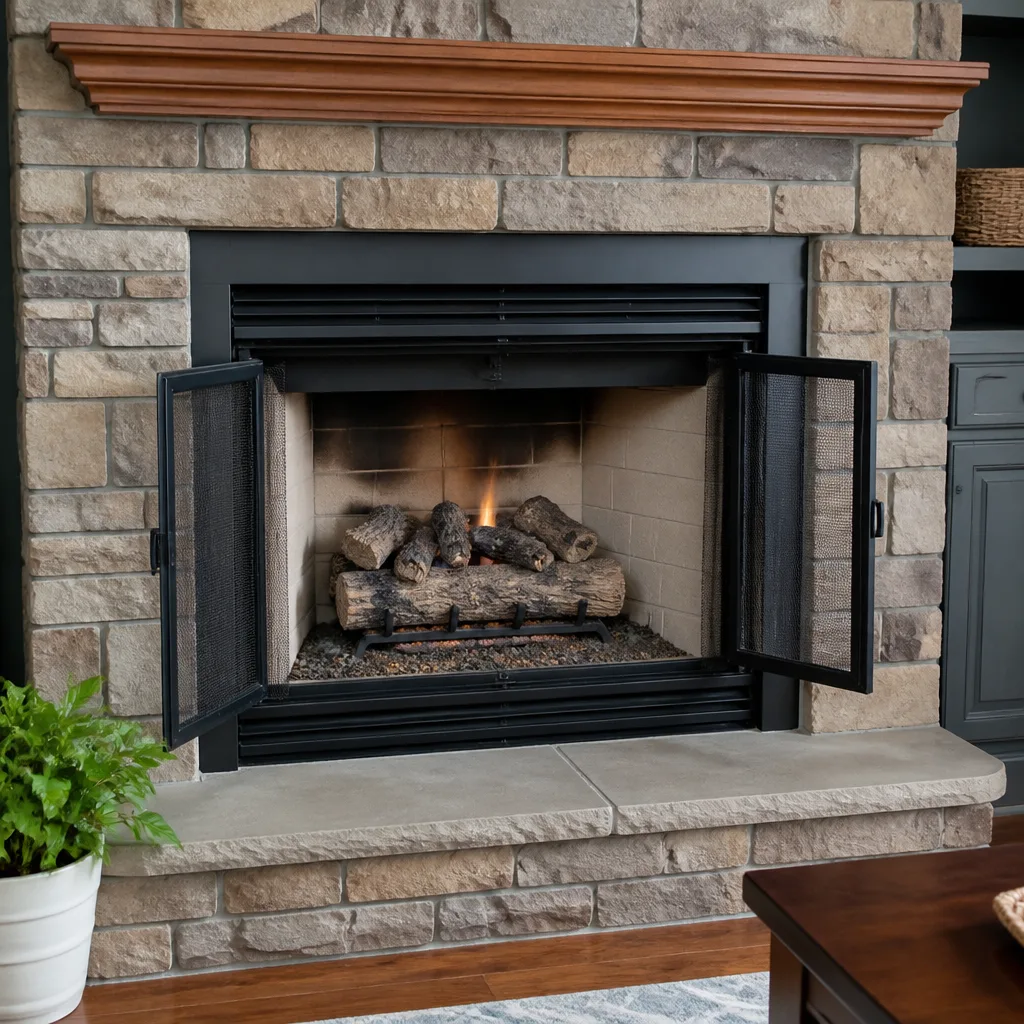
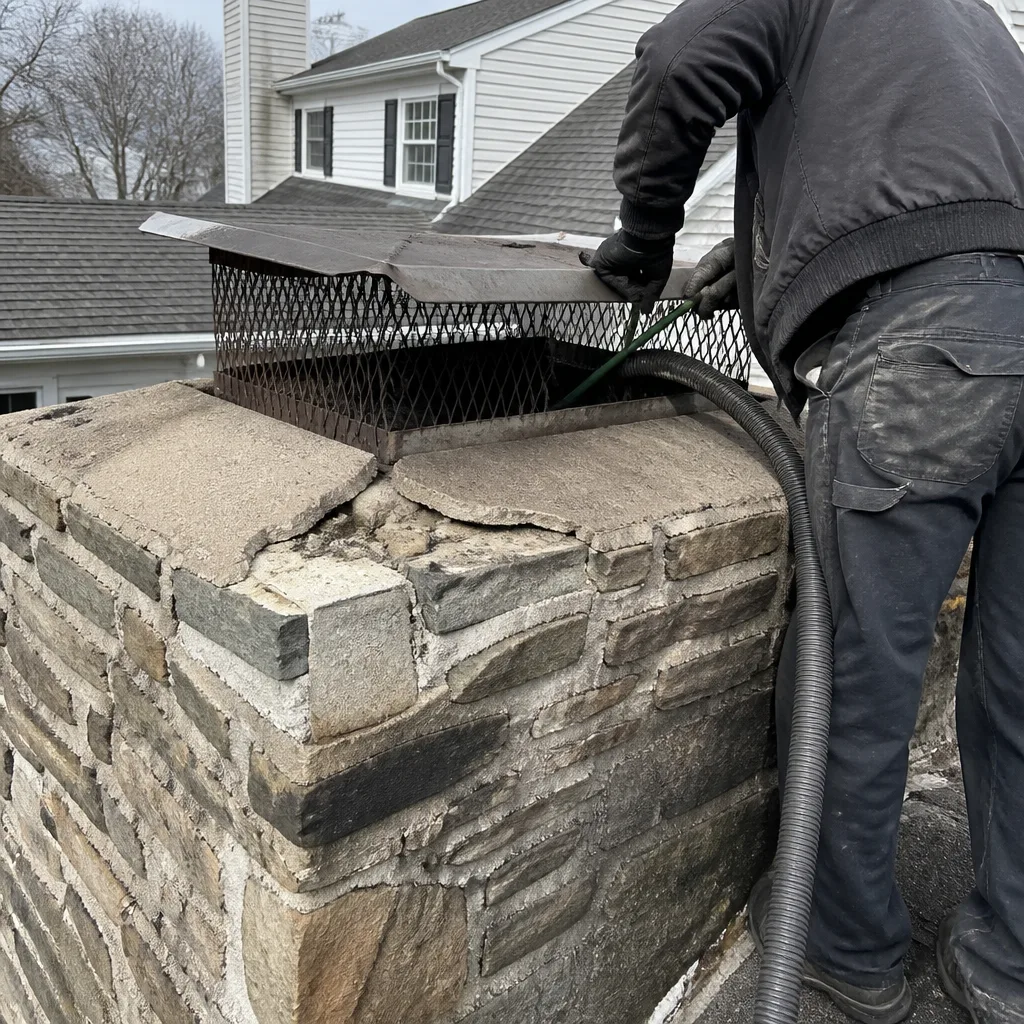 Before
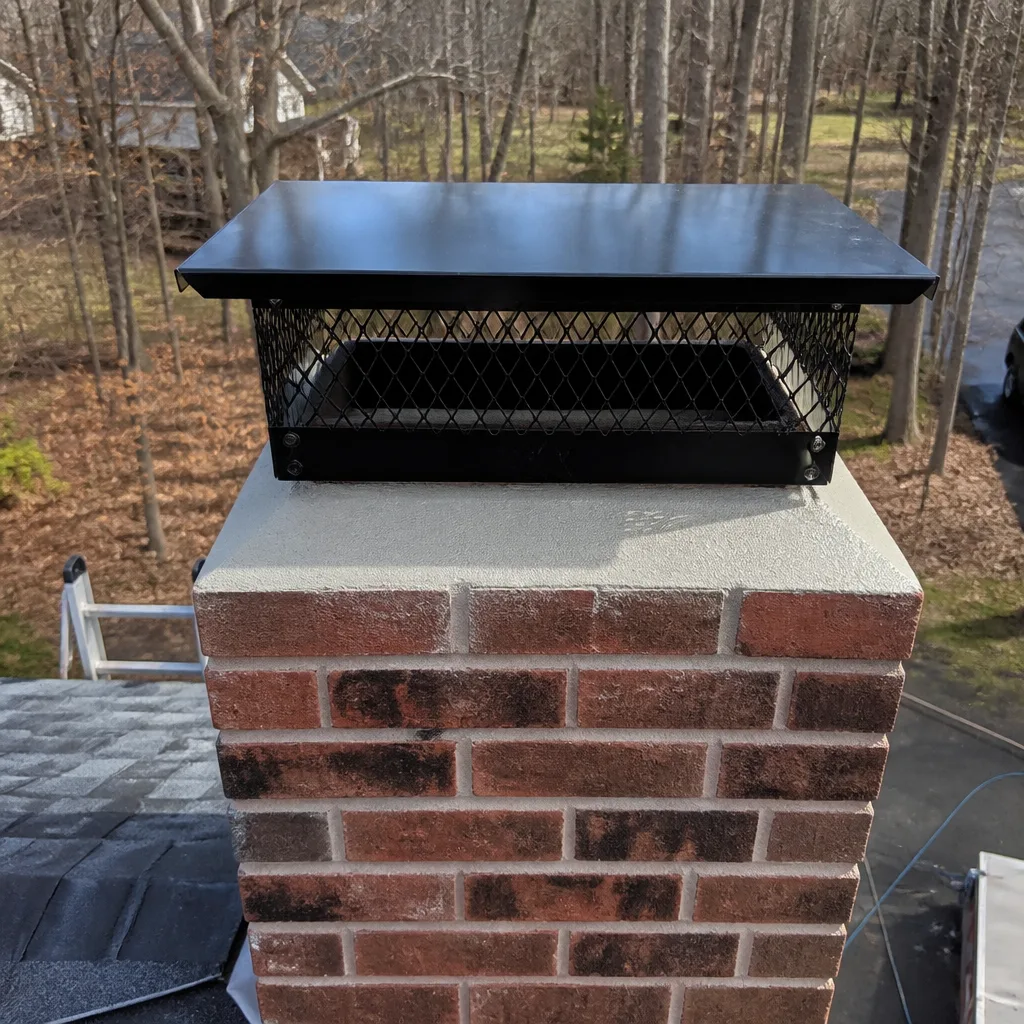 After
After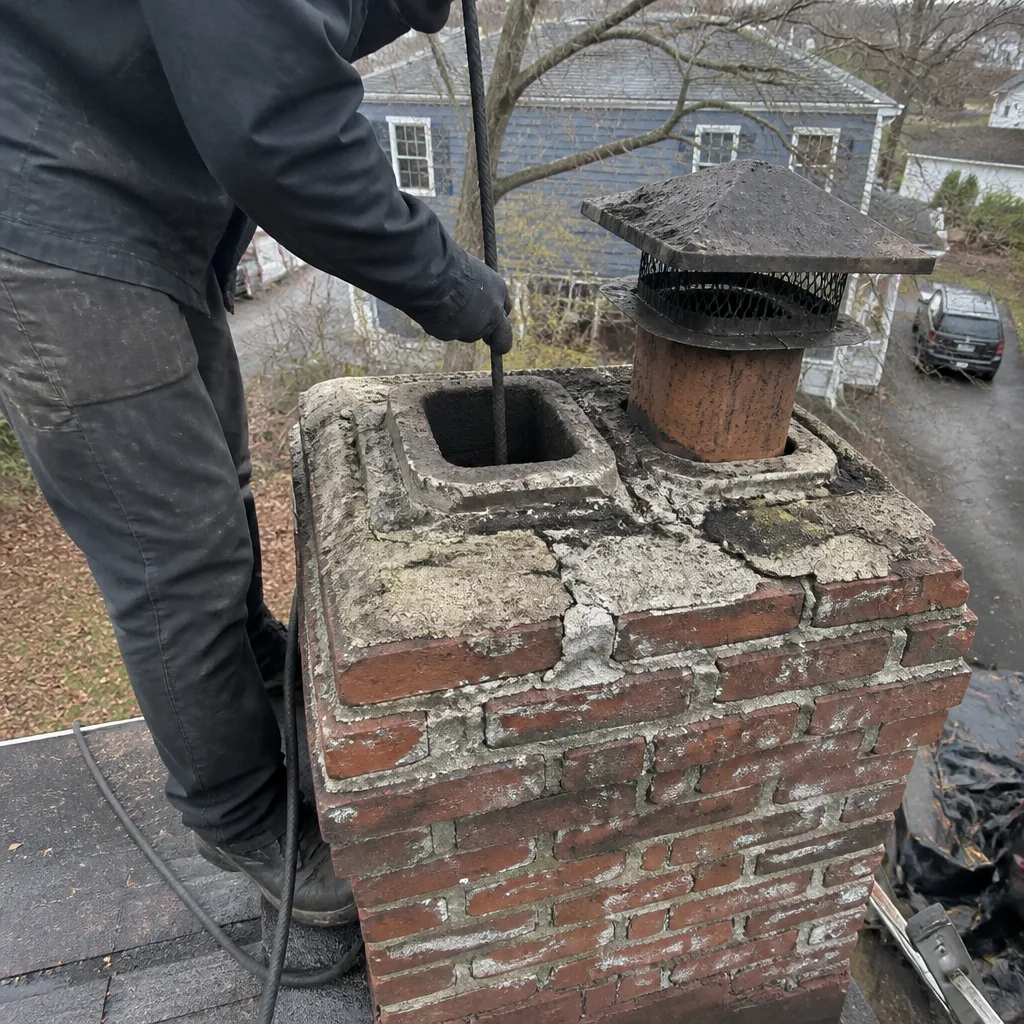 Before
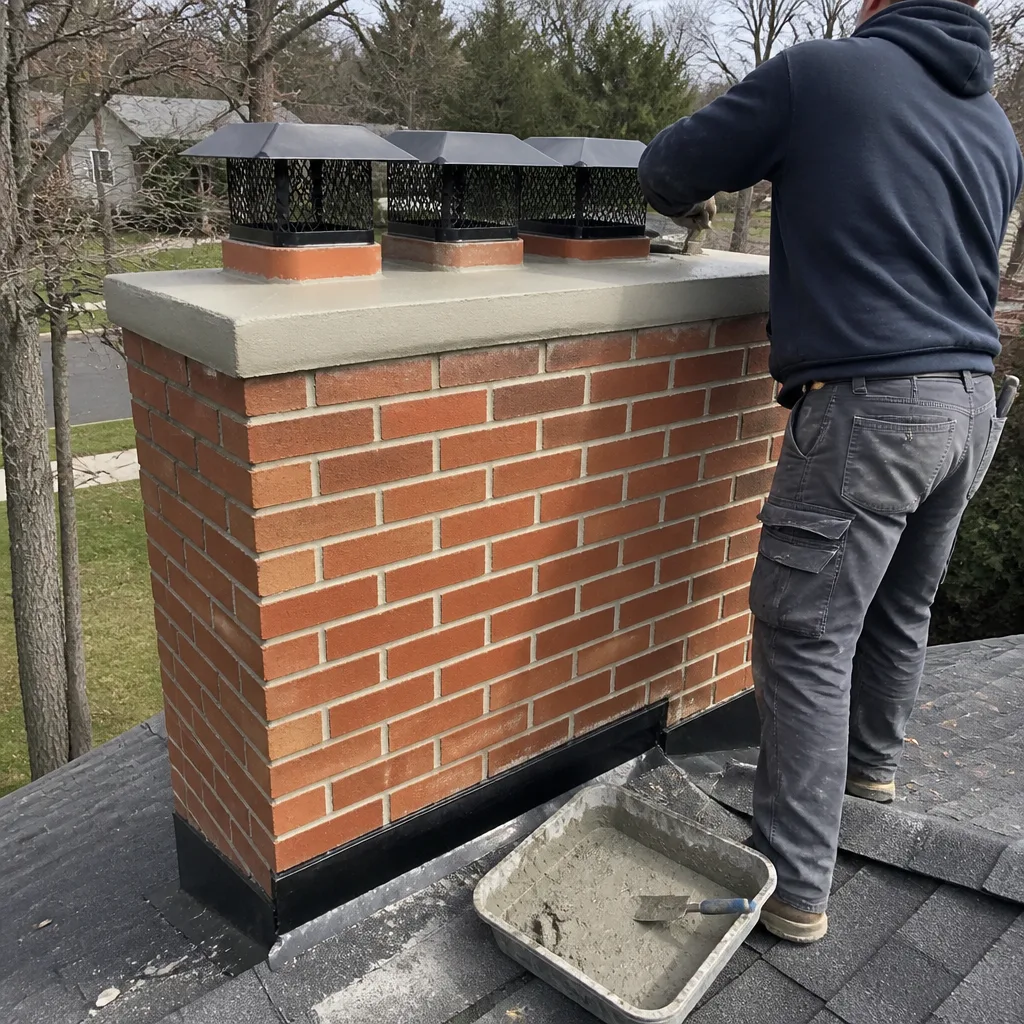 After
After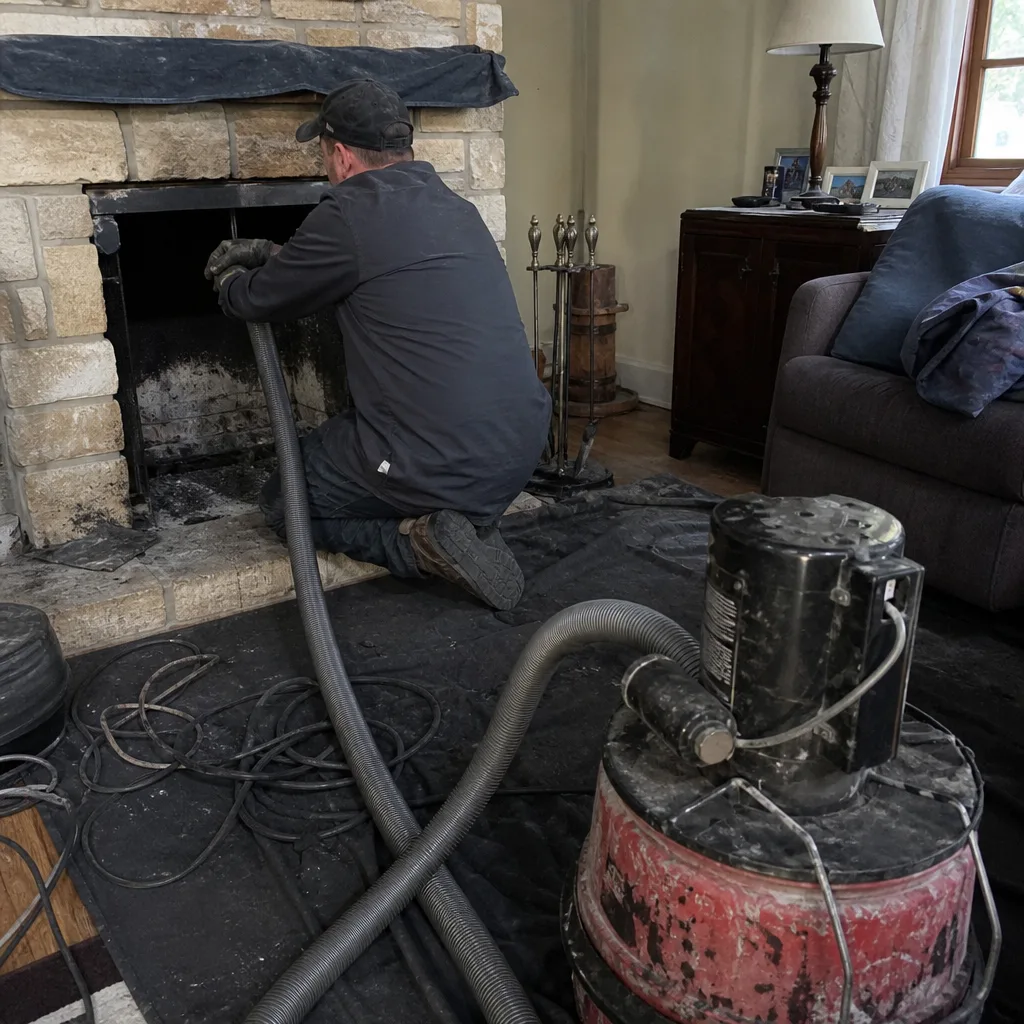 Before
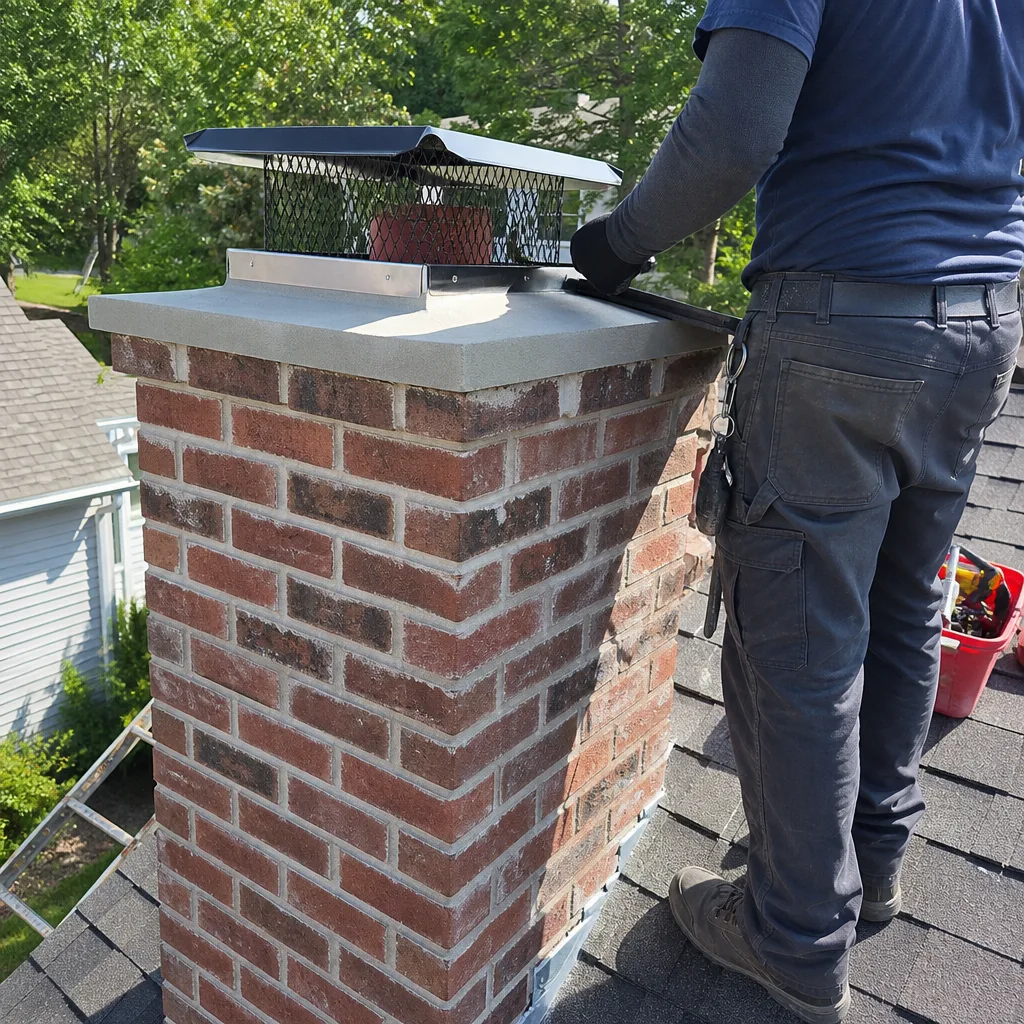 After
AfterChimney Cleaning & Sweep Maintenance Checklist for Stamford Homeowners
Forty percent of chimney-related house fires involve systems that were “recently cleaned.” That number should stop you cold, because it exposes the problem with most maintenance checklists: they tell you to “check the cap” and “look for creosote” without telling you what failure actually looks like. A clean flue can still have a cracked liner. A shiny damper can still leak cold air. This guide gives Stamford homeowners observable, pass/fail criteria for every component. You’ll know what you’re looking at, what the finding means, and what happens next if it fails. We’ve spent 16 years inspecting chimneys across Stamford, from Shippan Point to North Stamford, and we’ve built this checklist around what we actually find behind the camera lens. For more detail on what we look for, see our guide to Chimney Cleaning Warning Signs: A Stamford Homeowner’s Reference Guide.
Quick Answer
A chimney maintenance checklist for Stamford homeowners should include a visual exterior inspection of the crown, cap, flashing, and mortar joints with pass/fail criteria you can verify from the ground; a monthly check of the firebox and damper during burning season; a record of creosote buildup using the three-class system; and one professional NFPA 211 Level 2 camera inspection per year. If you can’t see it with your own eyes, it doesn’t pass. Everything on this checklist is either observable or requires camera documentation.
Table of Contents
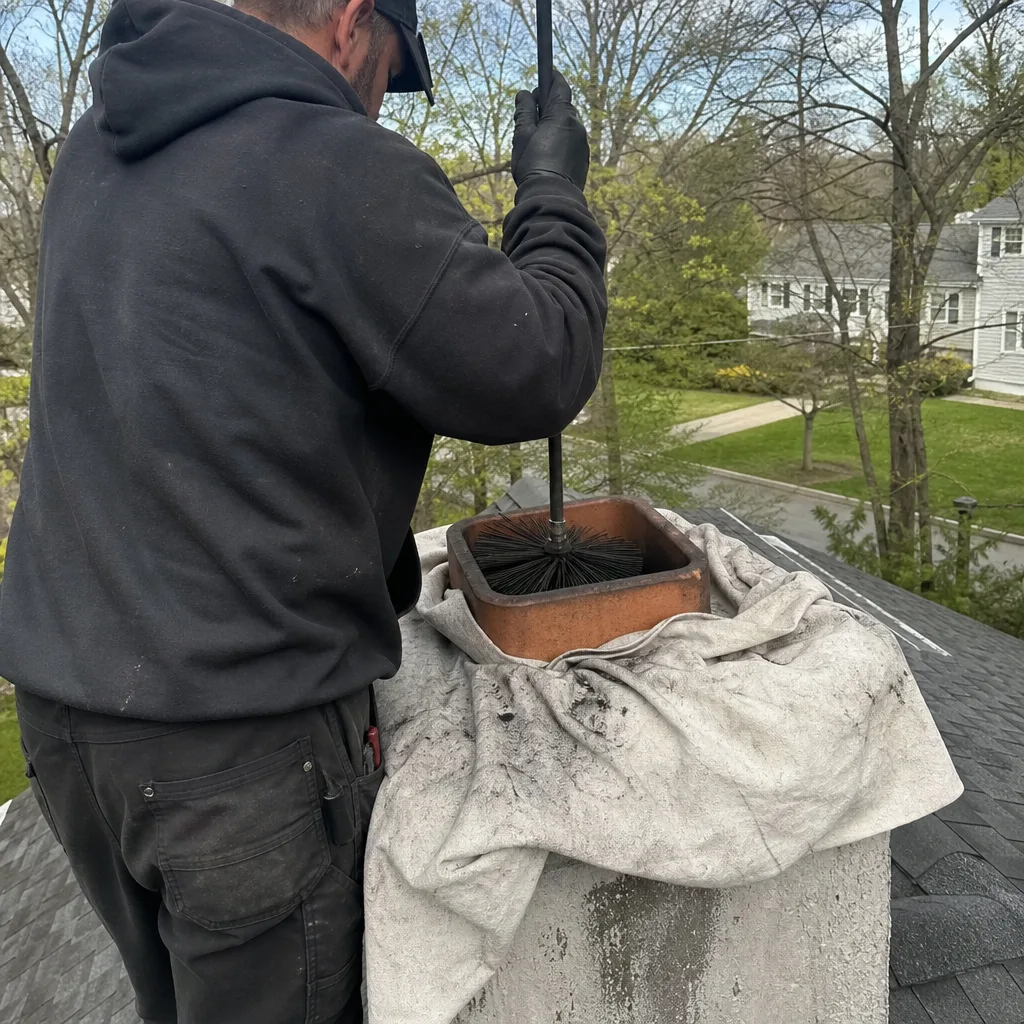
- The Exterior Checklist: Crown, Cap, Flashing, Mortar Joints
- The Interior Checklist: What You Can See vs. What Needs a Camera
- Stamford Weather Triggers: When to Add an Unscheduled Inspection
- Creosote Classes: What Buildup Actually Looks Like
- How to Log Findings Over Time
- What This Checklist Does NOT Replace
- Common Mistakes to Avoid
- When to Call a Professional
BeforeAfterThe Exterior Checklist: Crown, Cap, Flashing, Mortar Joints
Every exterior component has a job. The crown sheds water away from the flue. The cap keeps rain, animals, and downdrafts out. The flashing seals the joint where chimney meets roof. The mortar joints hold the structure together. Here’s the pass/fail version, based on what we see most often on Stamford homes built between 1920 and 1980 in neighborhoods like Glenbrook, Springdale, and Belltown.
The Chimney Crown
Pass: The crown has a slight slope away from the flue, no visible cracks wider than a credit card edge, and a drip edge overhang of at least 1.5 inches. You should see no standing water pooling on top after a rain.
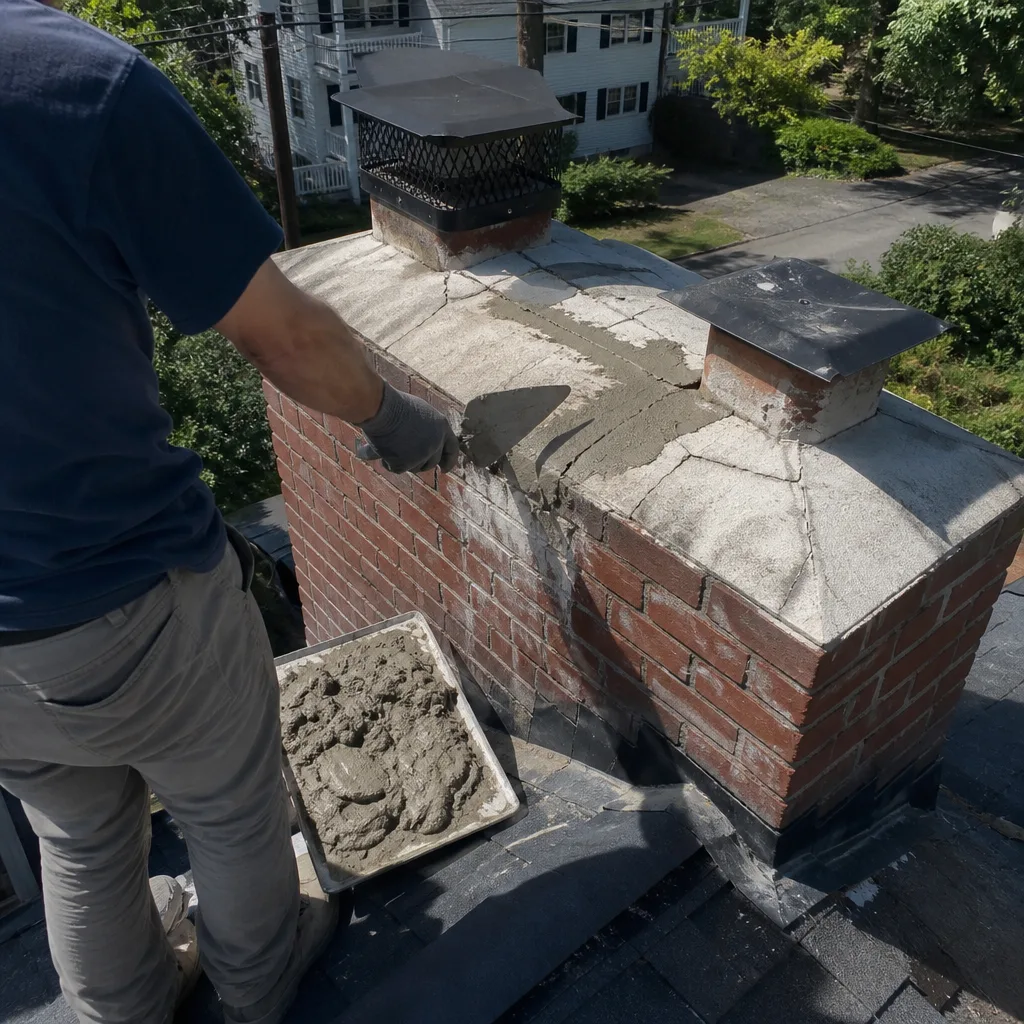
Fail: Hairline cracks running in a web pattern, missing chunks along the edge, or a crown that sits flush with the brick face. A flush crown lets water run directly down the brick, and in Stamford’s freeze-thaw cycles, that water expands and pops the mortar joints. We find spalling brick (faces flaking off in sheets) directly below failed crowns on at least a third of older Stamford chimneys we inspect.
What happens next: A cracked crown gets sealed or rebuilt. Small cracks can be sealed with a flexible crown coat. Structural failure means a full crown rebuild with proper overhang. The fix is measured in hundreds, not thousands, if caught early. Wait until the brick face starts spalling and you’re looking at chimney repair in Stamford that requires masonry work.
The Chimney Cap
Pass: The cap sits level on the flue, mesh sides are intact with no gaps larger than 3/4 inch (the size a squirrel needs), and the top is flat or peaked to shed rain. Stainless steel or copper caps should show no rust streaks.
Fail: A cap missing entirely, mesh torn or bent outward from an animal trying to force entry, a cap rusted through at the weld points, or a cap sitting cocked to one side. A missing cap in Stamford means one thing: raccoons or squirrels will find the flue, usually in October when they’re looking for a warm cavity. We’ve pulled nests out of flues in Mid-Ridges and Turn of River that filled a 30-gallon trash bag.
What happens next: Cap replacement is a same-day job with materials from Copperfield or Olympia. The written price includes the cap, the mounting, and a photo of the finished install.
Flashing
Pass: Step flashing and counter-flashing sit tight against the chimney with no gaps, nails, or sealant visible. The counter-flashing is embedded in the mortar joints, not surface-caulked.
Fail: Lifted flashing edges, visible caulk beads (a temporary patch, not a fix), rust streaks running down the roof side, or flashing pulling away from the brick. In Stamford, ice dams from January nor’easters push water under loose flashing and you won’t know until the ceiling stain appears in the room below.
What happens next: A proper flashing repair removes the old flashing, regrinds the mortar joint, and installs new counter-flashing. If someone proposes to caulk it and walk away, get a second opinion. We offer a Level Two Chimney Stamford second opinion on any written estimate, and the photo record shows you exactly what was done.
Mortar Joints
Pass: Joints are crisp, full, and uniform. When you run a key across them, nothing crumbles. No vegetation growing from gaps.
Fail: Joints that rake out as powder, missing mortar between bricks, bricks shifted out of plane, or a white powdery film (efflorescence) on the brick face. Efflorescence means water is moving through the masonry and carrying salt to the surface. The water is the problem. The powder is just the evidence.
What happens next: Failing joints require repointing, which is the removal of degraded mortar and replacement with fresh material matched to the original. Repointing is structural work. It is not a cosmetic touch-up, and it costs more than a Chimney Cleaning & Sweep. But every season you defer it, the repair scope grows.
The Interior Checklist: What You Can See vs. What Needs a Camera
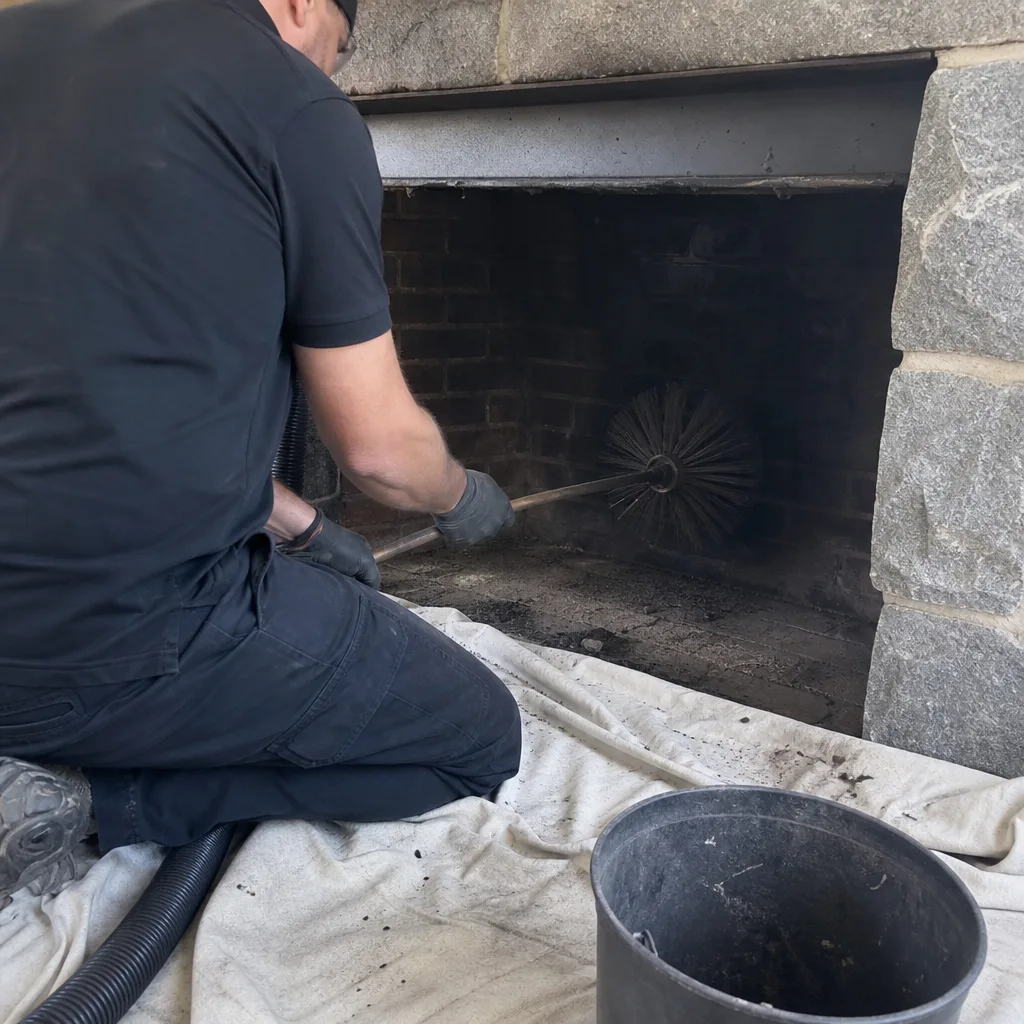
Inside the house, you can inspect three things with a flashlight and your own eyes: the firebox, the damper, and the visible flue from below. Everything above the damper requires either a chimney brush or a camera. Here’s the split.
What You Can Self-Assess
- Firebox walls: Look for cracked firebrick, gaps in the refractory mortar, or white staining. A crack wider than 1/8 inch is a fail. White staining means water entry from above, not a cleaning issue.
- Damper operation: The damper should open fully, close fully, and hold position without slipping. A damper that fights you or clangs open on its own is failing. A rusted damper means water has been coming down the flue.
- Visible buildup: Shine a flashlight up from the firebox. If you can see shiny black or puffy black deposits on the flue walls, that is creosote. Shiny is worse. See the creosote section below.
- Smoke behavior: During a fire, smoke should draw up the flue. If smoke rolls back into the room, the flue is either cold, blocked, or undersized. That is a diagnostic clue, not a problem you fix by opening a window.
What Requires a Camera
- Flue liner condition: A cracked clay tile liner, a separated stainless liner, or a failed cast-in-place liner is invisible from below. You cannot see it without a camera. Period. Our Chimney Cleaning & Sweep in Stamford service includes a camera scan on every visit, and the images are yours to keep. If a liner has cracked, the chimney is not safe to burn until it is repaired or relined with DuraFlex or HeatShield material.
- Smoke chamber condition: The area above the damper and below the flue is called the smoke chamber. It is often corbeled brick with gaps and rough mortar. Camera footage shows whether creosote has accumulated in the chamber corners, where chimney fires often start.
- Hidden blockages: A bird nest, a raccoon carcass, or a collapsed flue liner won’t announce itself. The camera finds it. We have found dislodged flue tiles resting sideways in chimneys that still drafted “fine” according to the homeowner.
- Creosote class classification: The difference between Class I and Class III creosote matters for fire risk, and that determination is made by what the camera and the sweep see, not by how long it’s been since the last cleaning.
Here is the honest summary: the homeowner checklist covers the firebox, the damper, and what a flashlight can illuminate. Everything else is a professional assessment. Anyone who tells you otherwise is selling you a flashlight look and calling it an inspection.
Stamford Weather Triggers: When to Add an Unscheduled Inspection
Stamford sits in a coastal climate zone that puts specific stress on masonry. Freeze-thaw cycles from November through March are the main event. Water enters micro-cracks, freezes, expands by about 9 percent, and widens the crack. Repeat this 40 times in a winter and a hairline fracture becomes a structural gap by March.
When to Add an Inspection
- After any nor’easter with sustained winds over 40 mph: Wind-driven rain penetrates chimneys through compromised crowns and flashings. The damage may not show for weeks. In Stamford, nor’easters between December and March are the most common trigger for the January and February chimney leaks we respond to.
- After an ice storm: Ice accumulation on the crown and cap can crack clay flue tiles as it expands. If you saw ice coating your chimney for more than 24 hours, add an inspection.
- After any seismic tremor you felt: Connecticut experiences occasional minor earthquakes. A chimney that shifted even slightly can separate at the roofline. If you felt a tremor and your chimney is over one story, have it checked.
- After a chimney fire, even a small one: If you hear a roar from the flue, see flames at the top, or smell hot creosote, the fire may have cracked the liner. A cracked liner after a chimney fire means the chimney cannot be used until it is relined. This is not a judgement call.
- When you buy a house in Stamford: A home inspection flagged a chimney issue? Have it camera-scanned before closing. The standard home inspection cannot see inside the flue. We have inspected chimneys in Shippan, Cove, and Westover where the home inspector passed the chimney and the camera found a failed liner. The home inspector is not failing. The tools are different.
The annual maintenance rhythm for Stamford homeowners is simple: one professional cleaning and camera inspection before the burning season (September or October is ideal), with unscheduled inspections added after any of the weather events above. The Fireplace Services in Stamford schedule fills quickly in October, so booking the pre-season visit in August is the practical move.
Creosote Classes: What Buildup Actually Looks Like
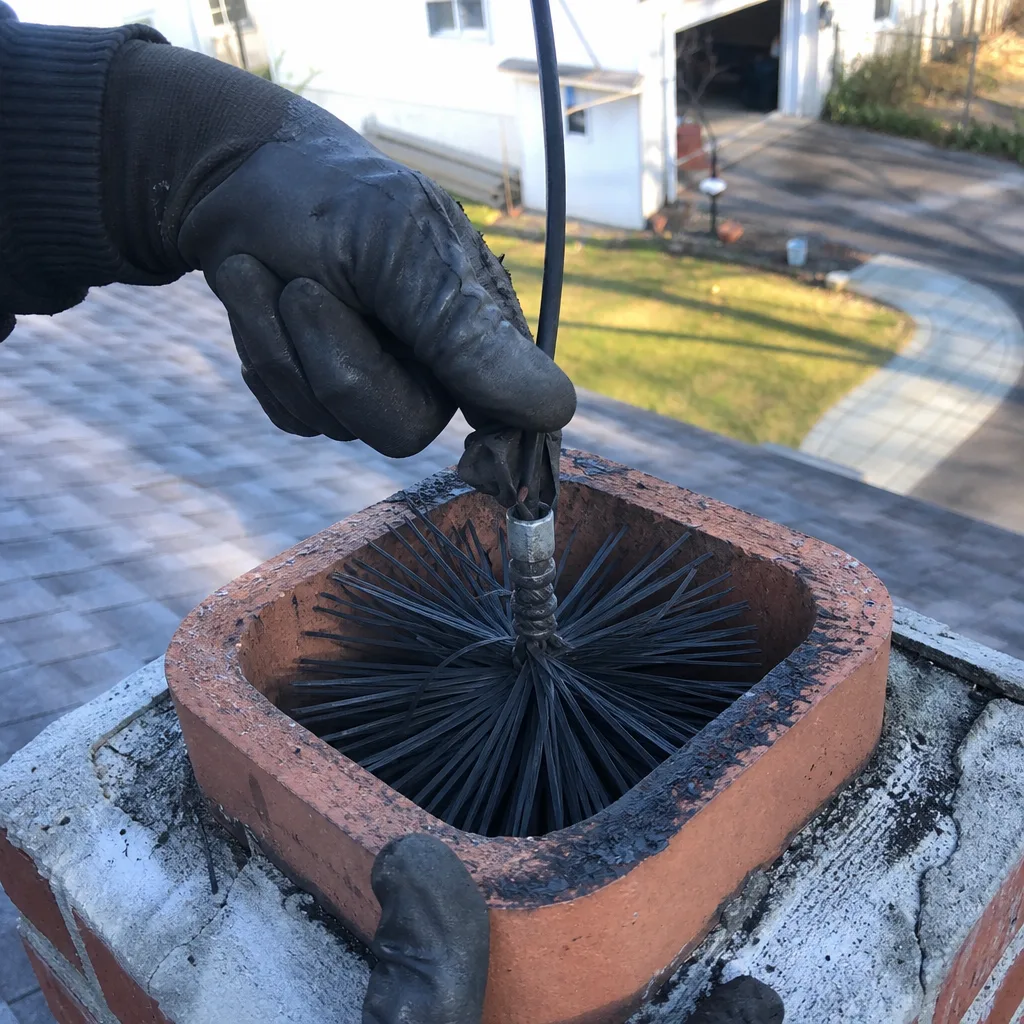
Creosote is the condensed byproduct of wood smoke that forms on flue walls. It is not uniform. It comes in three recognized classes, and each has a different fire risk profile and a different removal difficulty.
Class I Creosote
Appearance: A light, dusty film or small flakes. It brushes off with light sweeping effort.
Risk: Low. This is normal accumulation from a season of burning well-seasoned hardwood.
What it means: The chimney is performing as expected, and a standard sweep restores it to clean condition. No cause for concern.
Class II Creosote
Appearance: Crunchy, granular flakes that look like black cornflakes. It requires mechanical brushing to remove. A standard flat brush may skip over it.
Risk: Moderate. Class II is combustible and will ignite under the right conditions, especially if a hot fire burns through a cold flue.
What it means: The chimney can be cleaned, but the buildup pattern suggests either unseasoned wood, a cold flue, or both. We typically recommend burning season for your firewood (a full year for oak in Stamford’s humid climate) and possibly a flue liner evaluation if the buildup recurs quickly. See The Complete Guide to Chimney Cleaning in Stamford for seasonal timing details.
Class III Creosote
Appearance: Shiny, tar-like glaze that hardens to a porcelain finish. It looks like black glass. Chemical cleaners alone will not remove it.
Risk: High. Class III creosote is a concentrated fuel. When it ignites, it burns at over 2,000 degrees Fahrenheit, which is hot enough to crack clay flue tiles and set the surrounding framing on fire.
What it means: The chimney has been burning unseasoned wood, smoldering fires, or the flue is significantly oversized for the appliance. Removal requires rotary cleaning heads or chemical treatment. In some cases, where the buildup is severe and the chimney has other deficiencies, we recommend a liner replacement with HeatShield or DuraFlex material rather than repeatedly fighting the glaze.
The class your chimney falls into is determined on inspection day. We photograph the flue walls, classify the buildup, and explain what the finding means in plain language before any work is proposed. A written price follows, not a verbal estimate after the fact.
How to Log Findings Over Time
A maintenance checklist that gets remembered only in November is not a maintenance history. It is a snapshot. The value comes when you can show a service provider what has changed over three or four seasons. Here is how to log findings so the record is actually useful.
- Use a simple dated note system: A notes app, a spreadsheet, or a paper logbook all work. The format matters less than the consistency. Each entry gets a date and a one-line description of the finding.
- Photograph the exterior every spring and fall: Take the same three photos each time: the crown from the side, the flashing from the roof edge, and the mortar joints from the ground. Store them in a folder named with the date. A crack that is unchanged for three years is a different finding than a crack that widened over one winter.
- Record the burn rate: Log how many cords of wood you burn each season. A chimney that handles three cords of seasoned oak will build creosote at a different rate than one that handles five cords of mixed wood. The burn rate is context for the buildup class.
- Note the weather events: If a nor’easter hit on a specific date and you later found a leak, the date matters. Log the storm date and the date you noticed the ceiling stain. The gap between them tells a diagnostician whether the leak is flashing-related or crown-related.
- Keep every sweep report and camera scan: The photo record from a professional cleaning is the most valuable part of your log. Under Haven Standard Clause 4, every Level Two Chimney Stamford visit includes a documented photo record. Keep those files. They are the baseline that future inspections are compared against.
When you call a chimney company, hand them the log. A service provider who sees three years of burn rate, weather events, and photos can diagnose faster and quote more accurately than one who starts from zero. And a company that does not care about your log is a company that does not care about documentation. That should factor into your decision.
What This Checklist Does NOT Replace
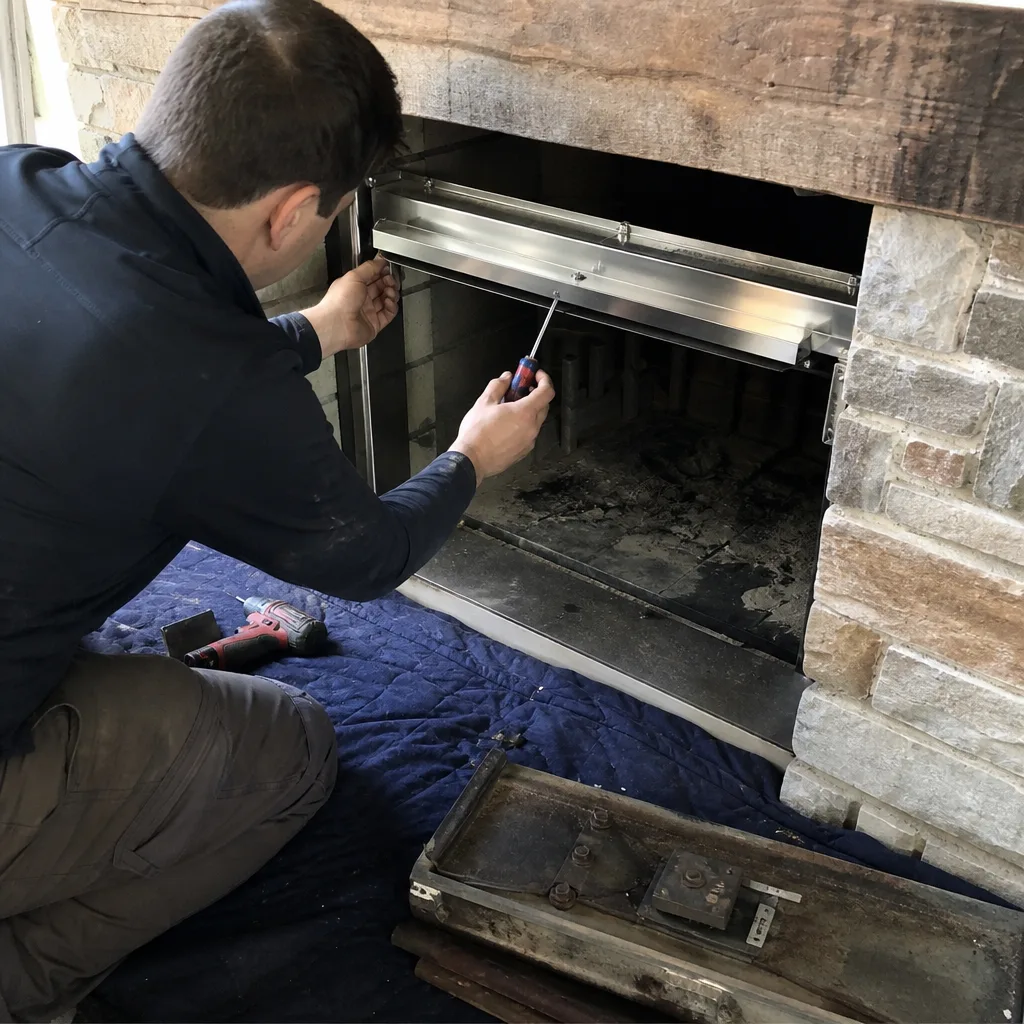
Everything above is a homeowner maintenance protocol. It is not a substitute for professional inspection. The NFPA 211 standard recommends an annual inspection of all chimneys, fireplaces, and vents. That standard exists because chimney failures are rarely announced. They are discovered.
The NFPA 211 Level 2 inspection is specifically required when the system has changed (new appliance, relining), when the property is sold or transferred, or after a chimney fire or weather event. A Level 2 inspection includes everything in a Level 1 visual inspection plus access to the attic, crawlspace, and roof, plus a camera scan of the flue interior. In Stamford, given the age of the housing stock and the freeze-thaw exposure, we recommend a Level 2 camera inspection with every annual cleaning. The camera is the only tool that can assess a clay tile liner, a smoke chamber, or a hidden blockage.
Here is what the homeowner checklist cannot do: it cannot see inside the flue. It cannot classify creosote by eye. It cannot assess a liner crack. It cannot determine whether a smoke chamber is collecting debris. It cannot catch an animal nest halfway down the flue. If your maintenance routine consists only of checklist items you can see from the ground, you are operating with partial information. The checklist tells you when to look. The camera tells you what is there.
Common Mistakes to Avoid
- Treating “cleaned recently” as “inspected recently.” Cleaning and inspection are different jobs. A sweep removes creosote. An inspection assesses structural condition. The 40 percent stat we opened with exists because homeowners confuse the two. A sweep without a camera is not an inspection.
- Burning unseasoned wood year after year. In Stamford’s humid climate, firewood needs a full year of seasoning under cover. A homeowner who burns “seasoned” wood purchased in October from a roadside seller is very often burning wood cut in July. That wood smolders, the flue runs cold, and Class II or III creosote follows.
- Ignoring a small leak. A small water stain on the ceiling near the chimney is not a small problem. It means water is entering somewhere, and chimney water entry is progressive. The erosion it causes widens the opening, which lets in more water. Small leaks become big masonry bills, particularly in freeze-thaw climates like Stamford’s.
- Patching flashing with caulk. Caulk is a temporary patch, not a repair. It degrades after a season or two, and the underlying leak continues. When we see caulked flashing, it usually means someone paid for a cheap fix and bought two more years of water entry.
- Getting one sweep and assuming the chimney is “done” for years. An annual chimney cleaning is not a waste of money. It is cheaper than a chimney fire or a full rebuild. The homeowners who go five years between sweeps are the ones who get quoted liner replacement instead of a sweep.
When to Call a Professional
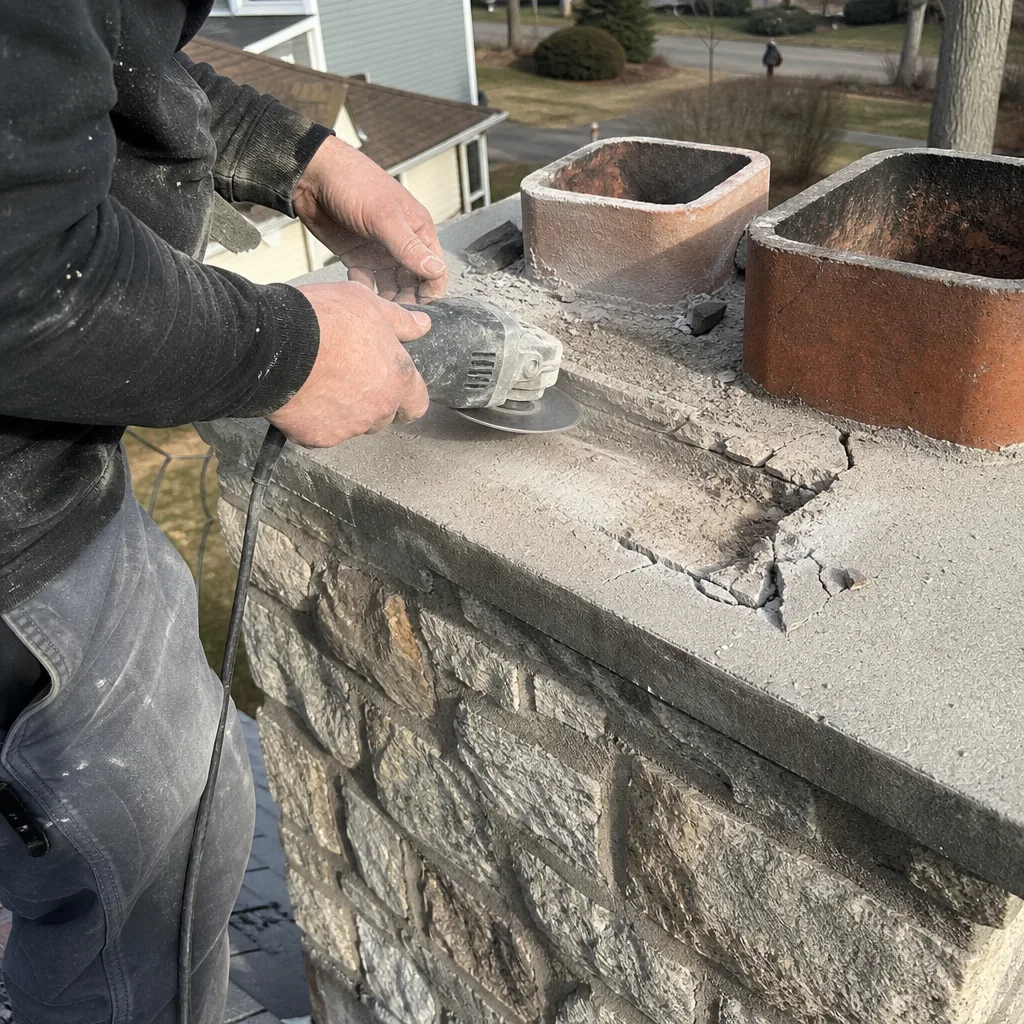
Call a chimney professional when you see any fail condition from the exterior checklist: a cracked crown, a missing or damaged cap, lifted flashing, or crumbling mortar joints. Call if you notice smoke entering the room during fires, a roaring sound from the flue, or an acrid creosote smell. Call if you have not had a camera inspection in more than 12 months. And call before you list your Stamford home for sale, because the buyer’s inspector will flag the chimney and you want your own repair record, not a rushed closing contingency. Level Two Chimney Stamford offers free estimates in Stamford, and every visit includes a documented photo record under Haven Standard Clause 4. Call (914) 537-8463 to schedule.
Frequently Asked Questions
Once per year if you burn wood, and that cleaning should include a camera inspection. The annual rhythm matches Stamford’s burning season: schedule the cleaning in September or early October, before the first fire. If you burn more than three cords per season or burn wood that has not fully seasoned, you may need a mid-season sweep as well.
A standard chimney cleaning and camera inspection in Stamford typically runs between $200 and $350 depending on the flue size, accessibility, and how much creosote has accumulated. Additional work like cap replacement, crown sealing, or liner repair is priced separately in writing before any work begins. That written price is standard practice at Level Two Chimney Stamford, not an add-on request.
A cracked clay tile liner, visible gaps between tiles, separated stainless steel, or spalling tile surfaces all indicate the liner has failed and the chimney is unsafe to burn. The camera scan is the way to know. You cannot see the liner condition from below, and no amount of visual inspection from the firebox substitutes for camera documentation. If the liner has failed, we discuss relining options with DuraFlex or HeatShield materials and quote the work in writing.
You can record the exterior condition with a drone or a phone camera, and those images are useful for your maintenance log. But interior inspection requires a camera system that can navigate the flue, reach the smoke chamber, and produce images clear enough to read the liner surface. A phone camera on a stick is not enough. The NFPA 211 Level 2 inspection is the recognized standard, and it includes a proper camera scan.
Class III creosote, which appears as a shiny, hard glaze, is the most dangerous because it is concentrated fuel that burns at over 2,000 degrees Fahrenheit. Class II is also combustible and should be removed. Class I is normal and low risk. The class is determined by inspection, and we photograph and record the classification on every visit so you have a documented record of the finding.
Yes. An unused chimney still has a crown, flashing, cap, and mortar joints exposed to Stamford weather. Water entry continues, masonry deteriorates, and animals still find the flue. The inspection checks the structural envelope even if there is no creosote. A chimney that has been unused for years often needs more work than a regularly swept one, because problems have compounded without anyone looking.
The Bottom Line
A chimney maintenance checklist works when it gives you pass/fail criteria you can actually see, not category headings that require a leap of faith. Stamford homeowners need to know what a failed crown looks like, what a damaged cap looks like from the ground, and what a telltale water stain means two months after a nor’easter. The checklist also clarifies its own limits: everything above the damper requires a camera. Annual cleaning and a NFPA 211 Level 2 camera inspection are the floor, not the ceiling. Log your findings, track your burn rate, and act on failures when you see them. The chimney does not fix itself, and Stamford winters are not gentle. For more guides & resources, visit our blog.
Written by Corrine Halstead, Owner at Level Two Chimney Stamford, serving Stamford since 2009.