
Last updated September 20, 2026
Level 1 sweep and inspection to the NFPA 211 annual standard - flue, crown, cap, and flashing checked and photographed
Chimney sweep logs do not sweep chimneys. They loosen some creosote - which then falls where a brush and vacuum still have to collect it.
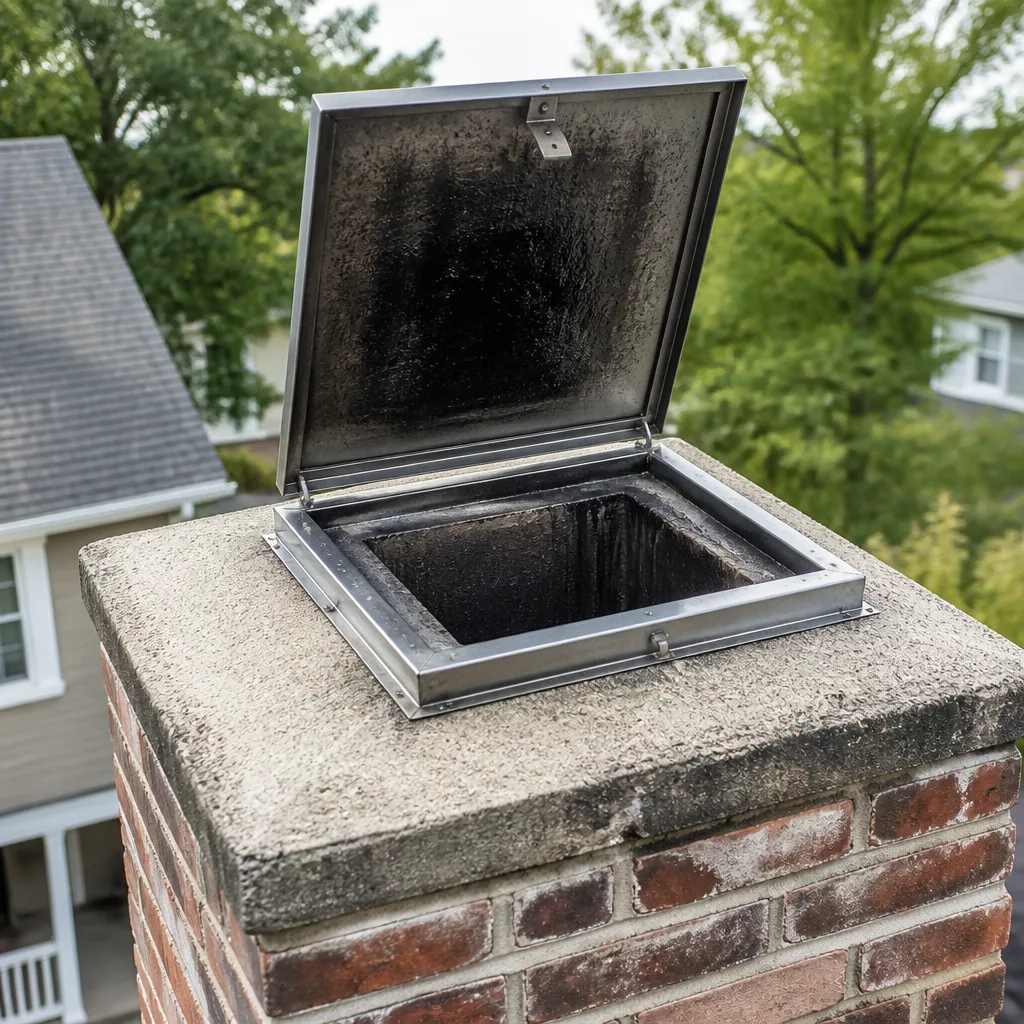
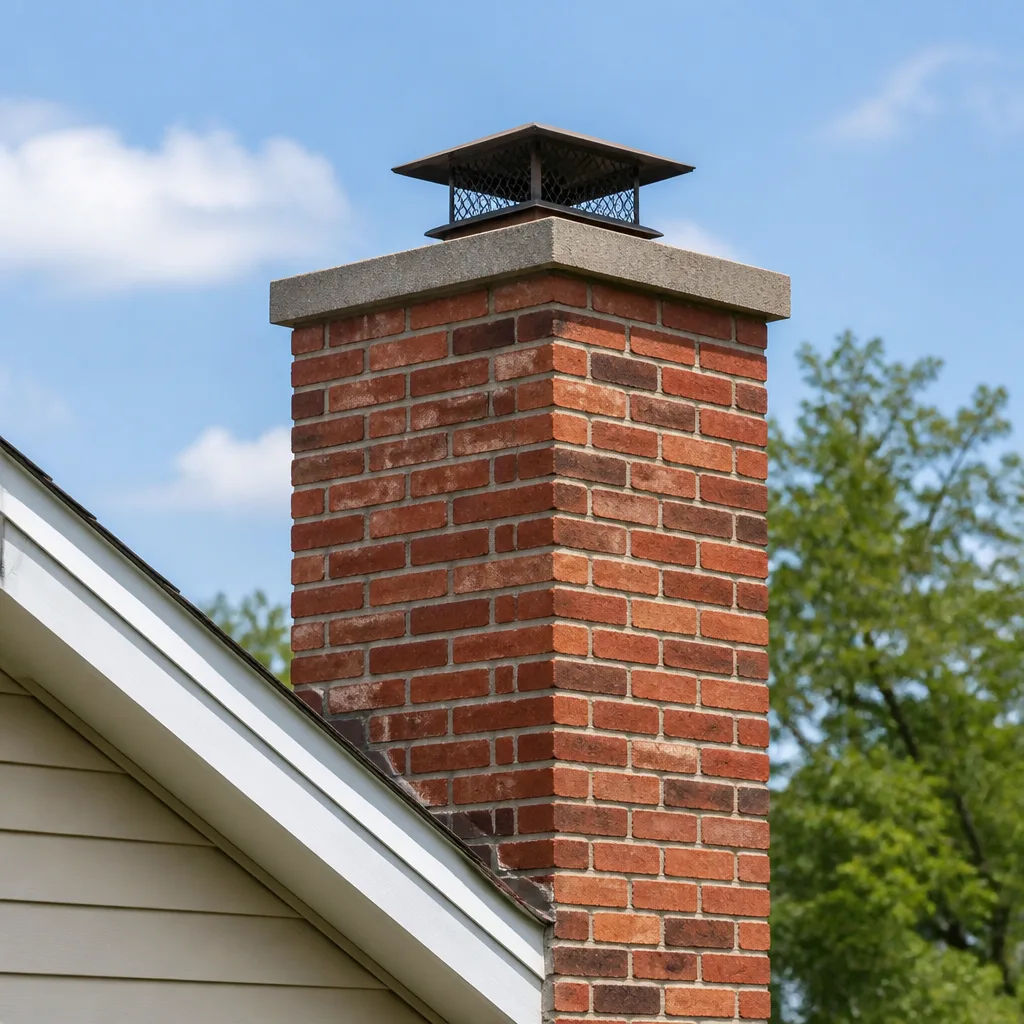
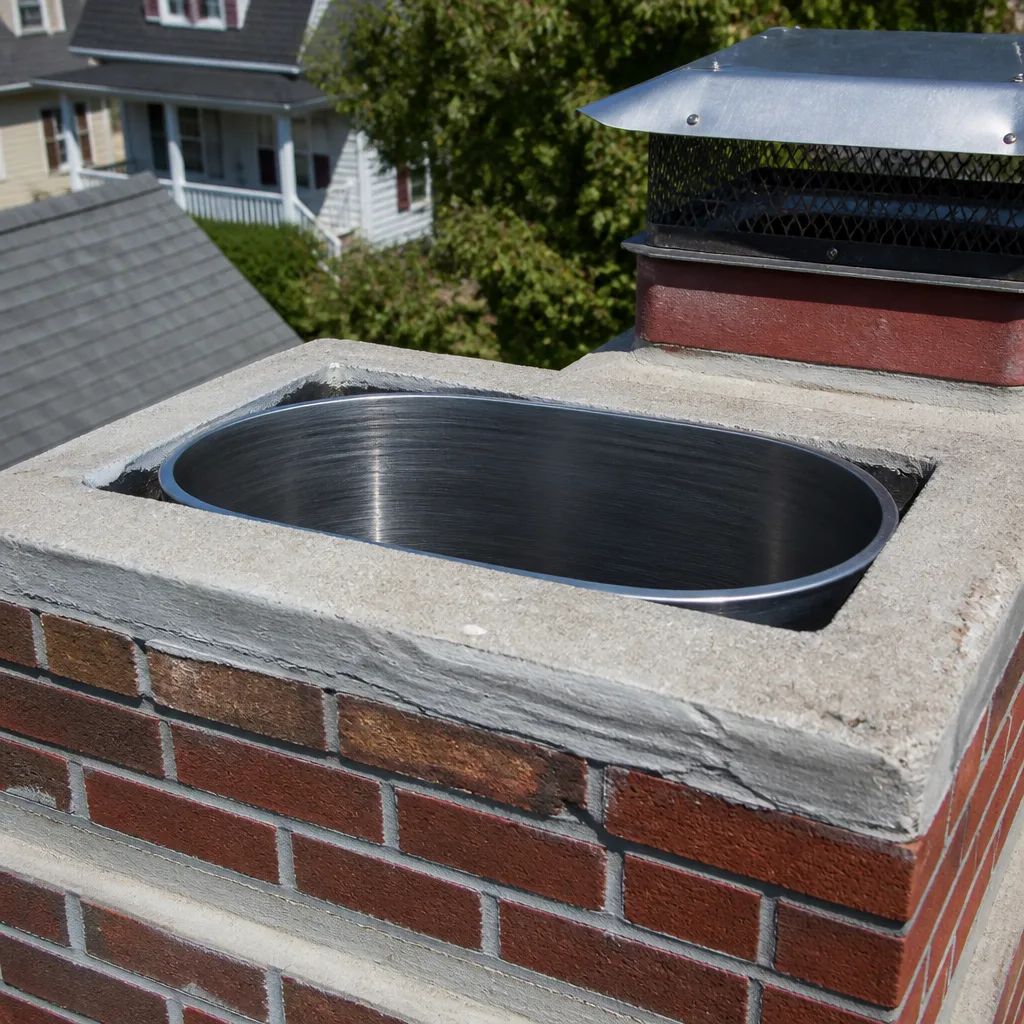
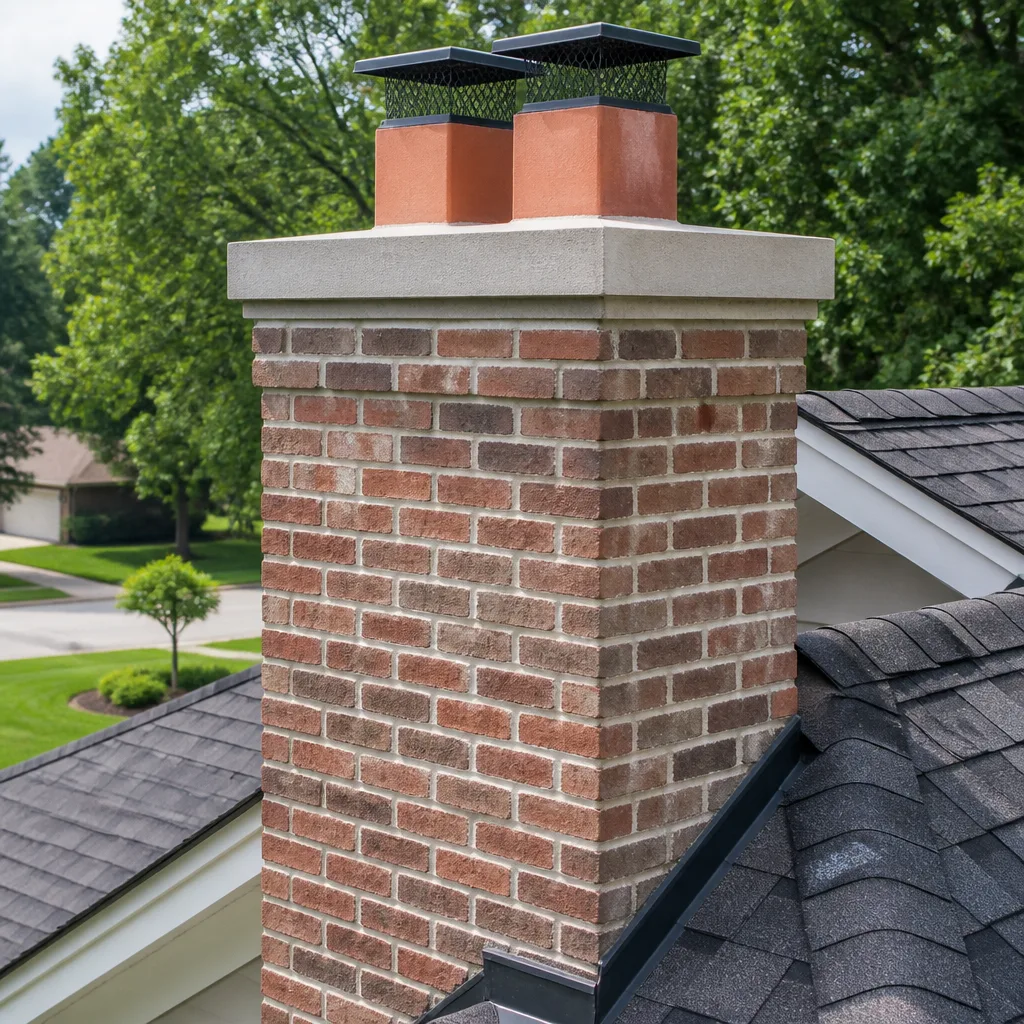
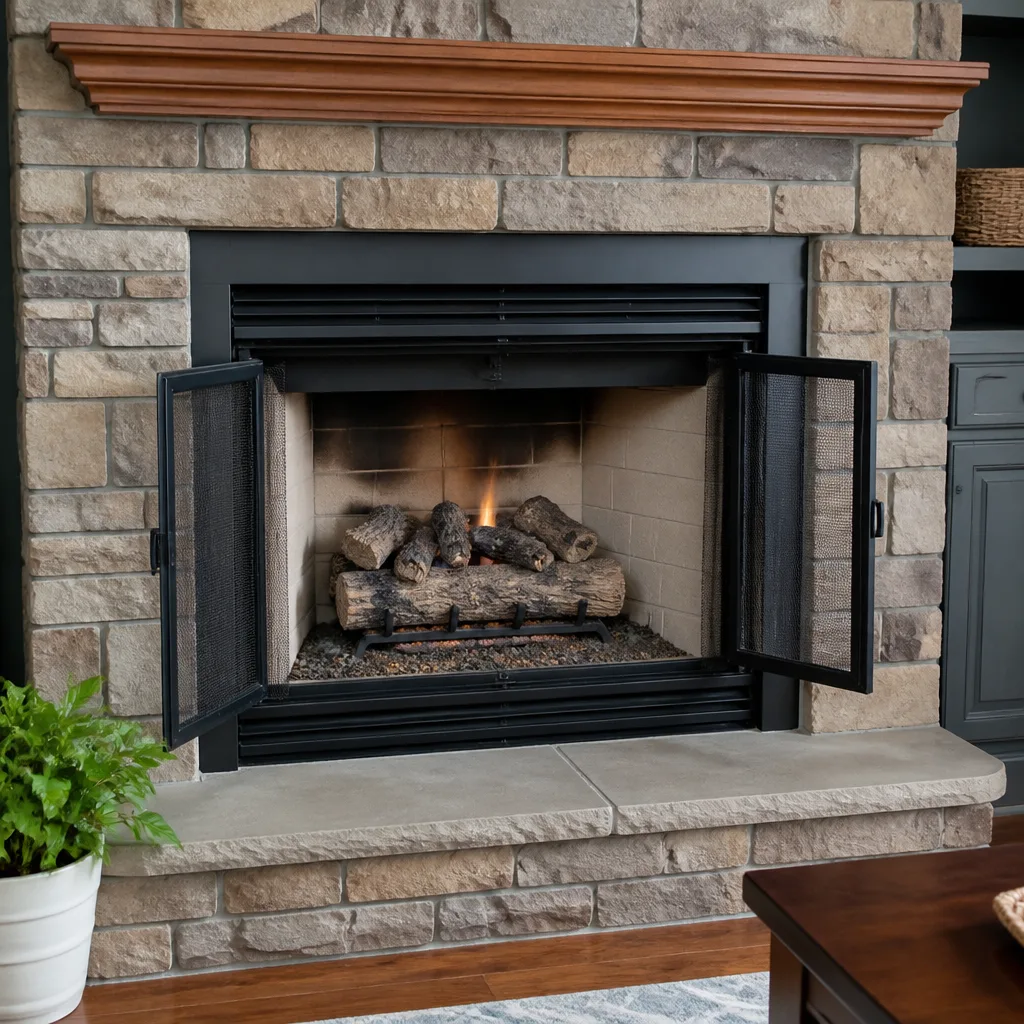
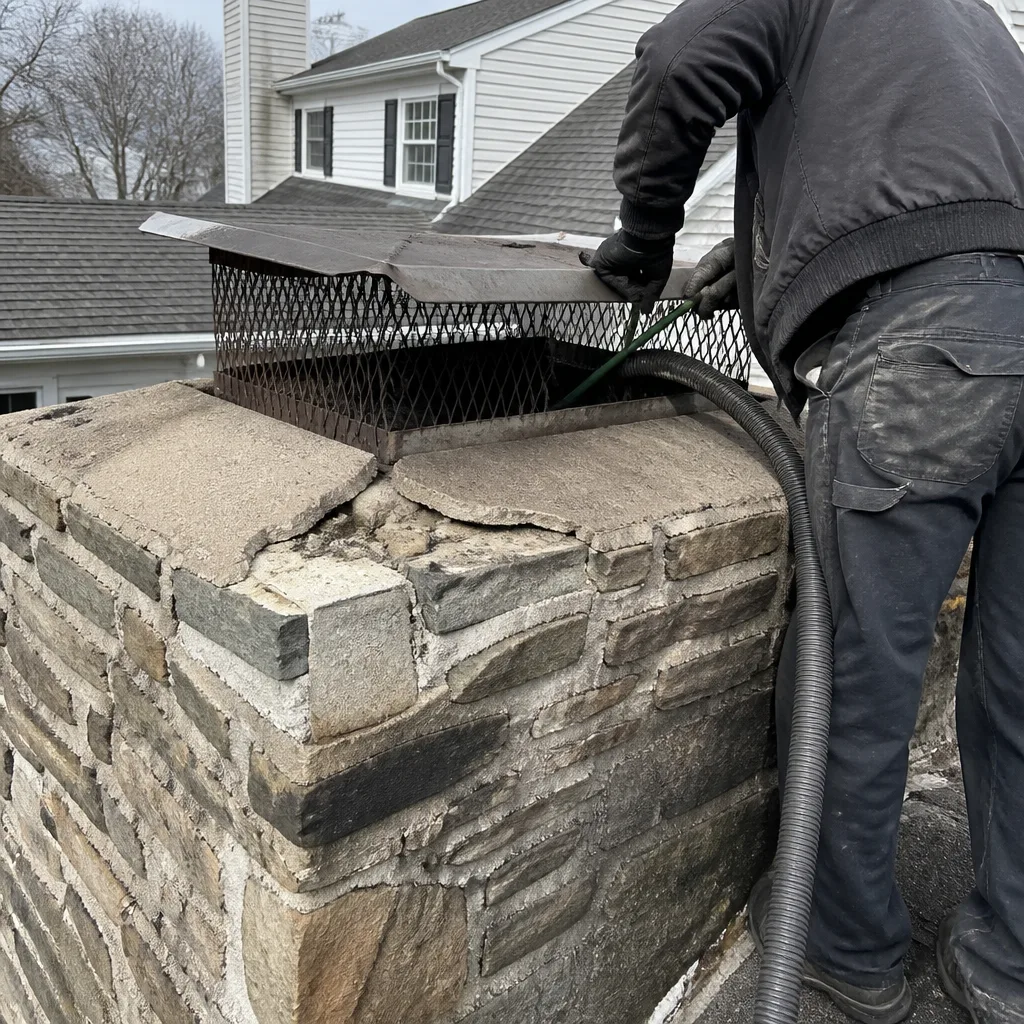 Before
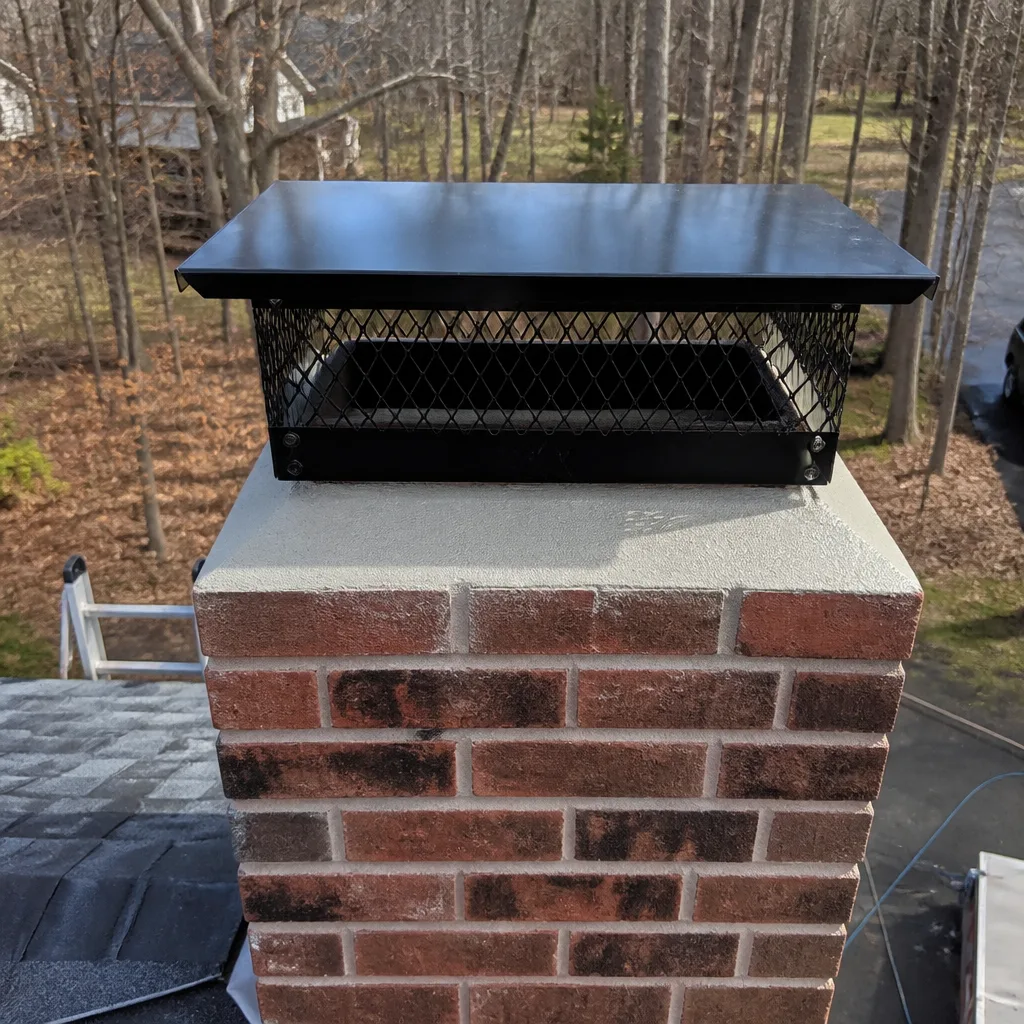 After
After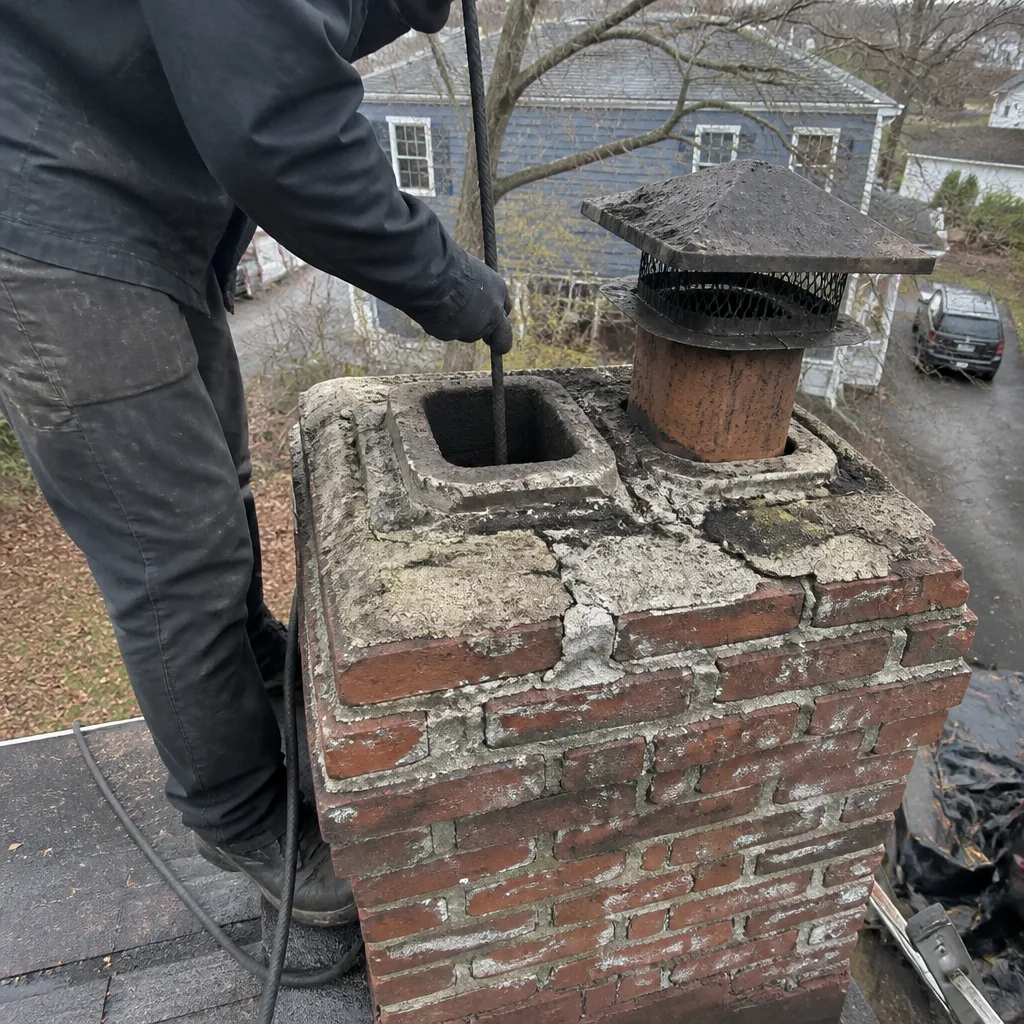 Before
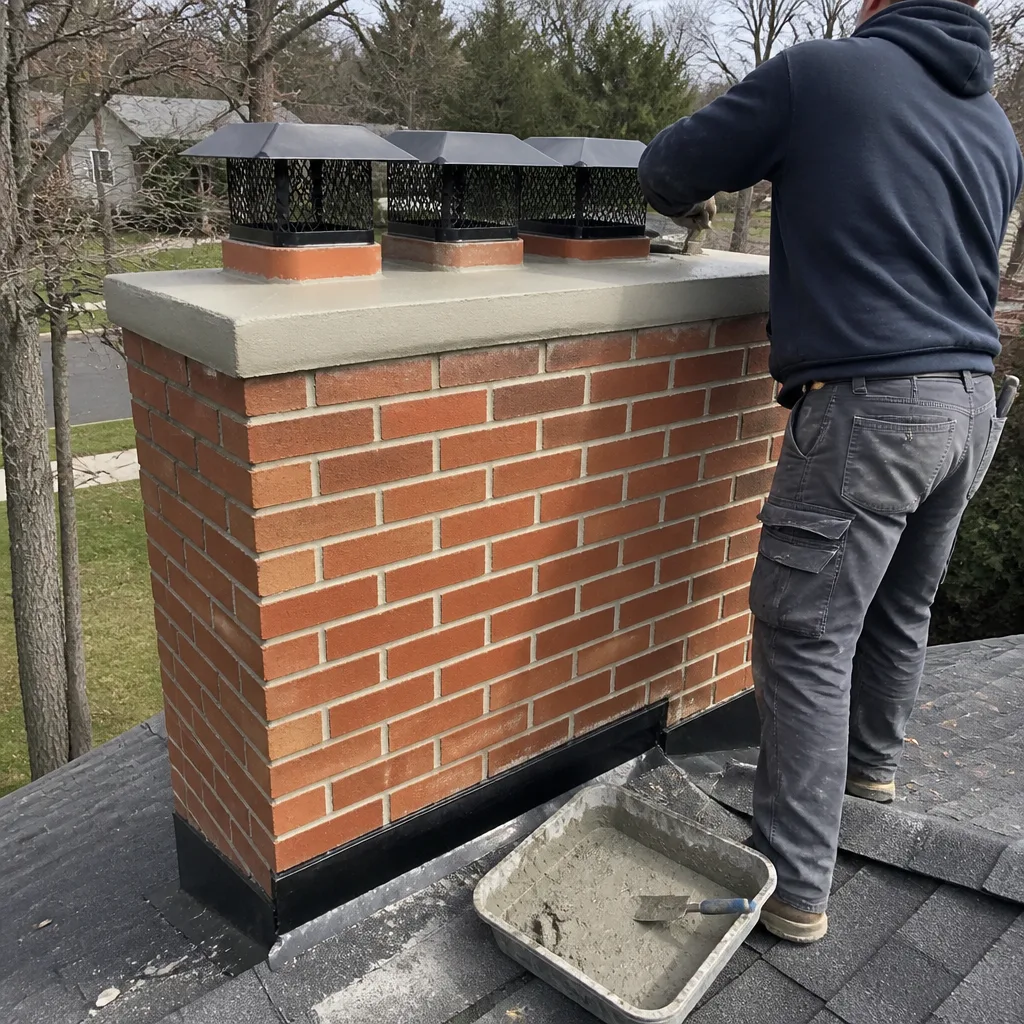 After
After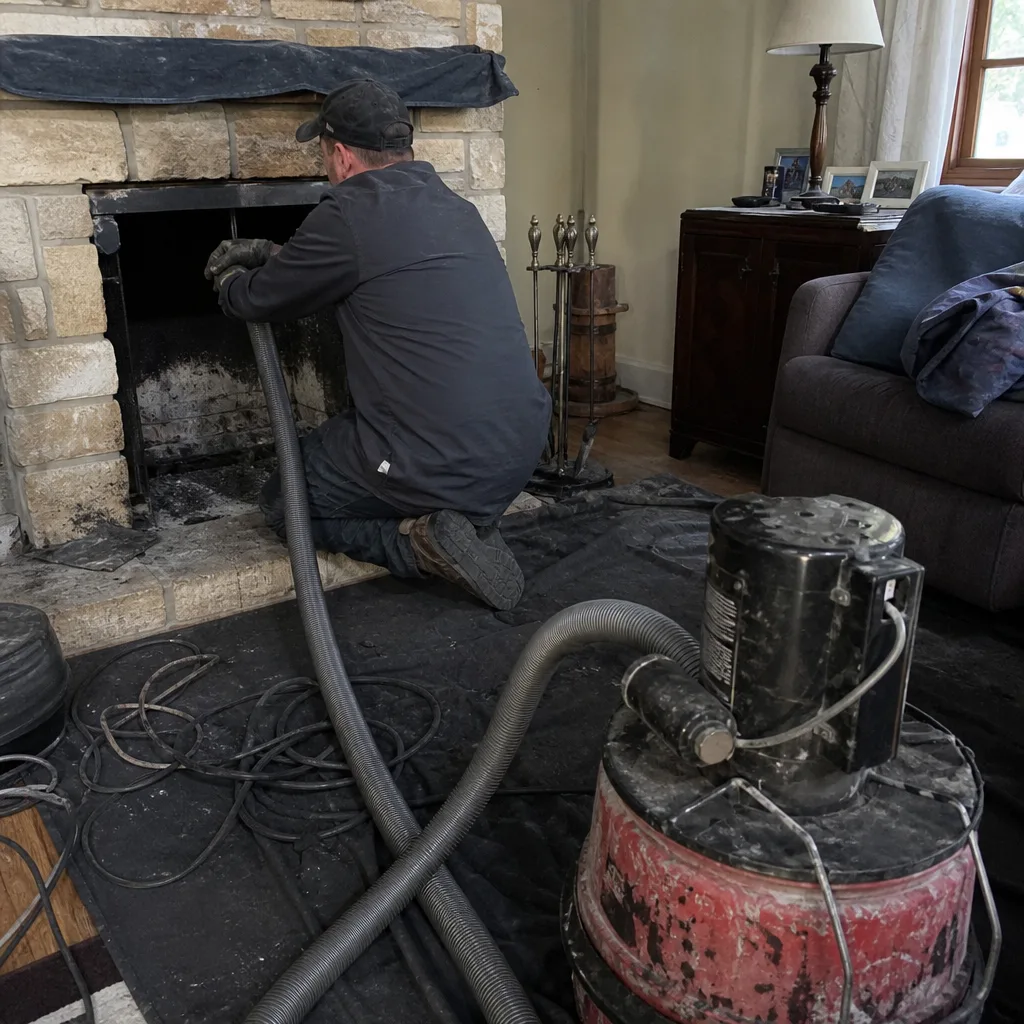 Before
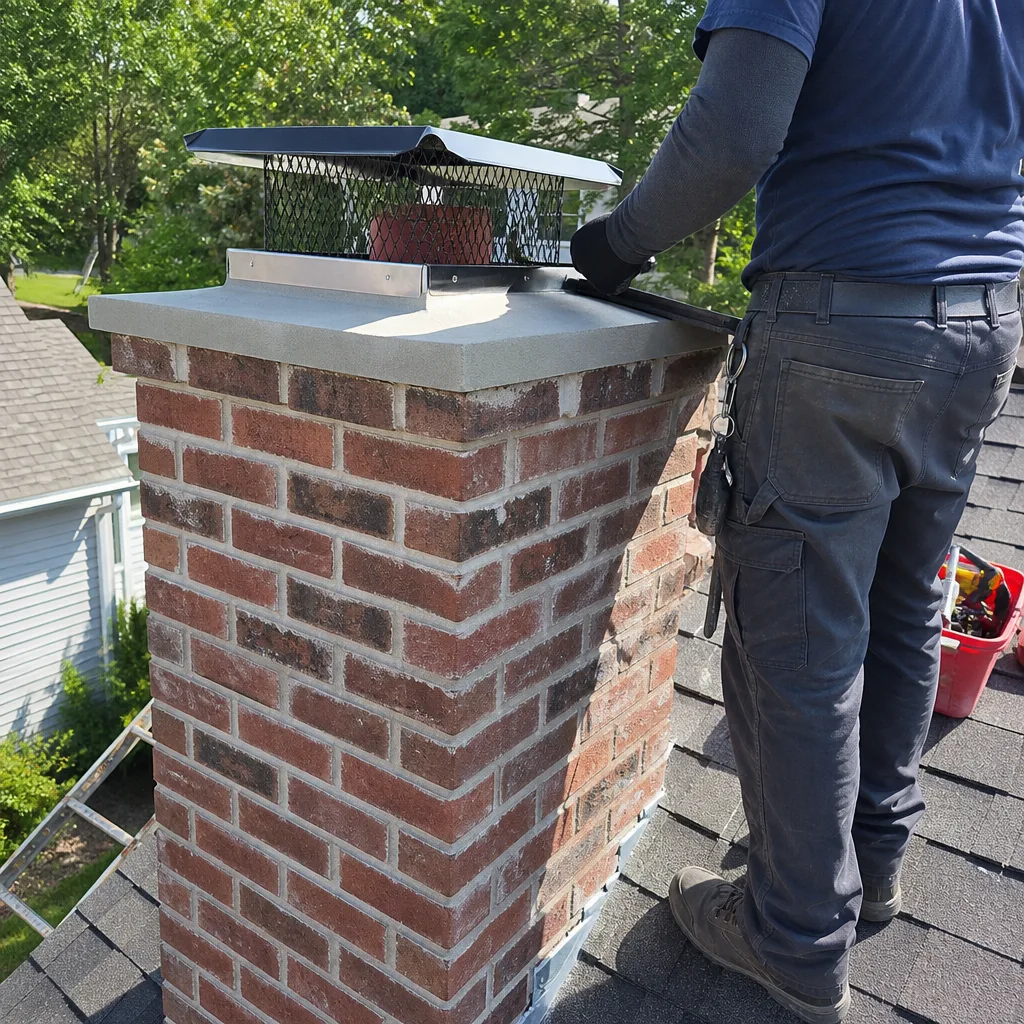 After
AfterChimney Cleaning Warning Signs: A Stamford Homeowner’s Reference Guide
Here’s a number that should get your attention: roughly 1 in 5 house fires in Connecticut that start in a chimney are in homes where the owner had no idea anything was wrong. No visible damage. No obvious smoke. Just a slow buildup of creosote or a hairline crack in a flue liner that no one saw because no one looked. We inspect chimneys across Stamford every single week, and the pattern never changes. The homeowners who catch problems early call us because of a smell or a sound that didn’t seem serious. The homeowners who get the five-figure rebuild quote are the ones who ignored that smell for two or three seasons. Our Complete Guide to Chimney Cleaning in Stamford exists to make sure you know the difference between a nuisance, a repair, and a fire hazard in a Stamford home. You’ll learn how to match the symptom you’re seeing to what’s probably causing it, so you can decide whether to stop using your fireplace immediately or book a sweep at your convenience.
Quick Answer
The most common chimney cleaning warning signs for Stamford homeowners are a fireplace smell on warm humid days, dark or shiny creosote visible on the damper or flue walls, whitish staining (efflorescence) on the exterior brick or crown, popping or ticking sounds during fires, and smoke backing up into the room instead of drawing up the flue. For a deeper comparison of your options, see our DIY vs Professional Chimney Cleaning guide for Stamford homeowners. If you notice a strong smoky odor with no fire burning, Stage 2 or 3 creosote is likely present and your chimney needs a professional cleaning before the next use. A camera-scan inspection (NFPA 211 Level 2) confirms what’s actually in the flue, how dense the creosote layer is, and whether the liner has cracks that brushing alone won’t solve.
Table of Contents
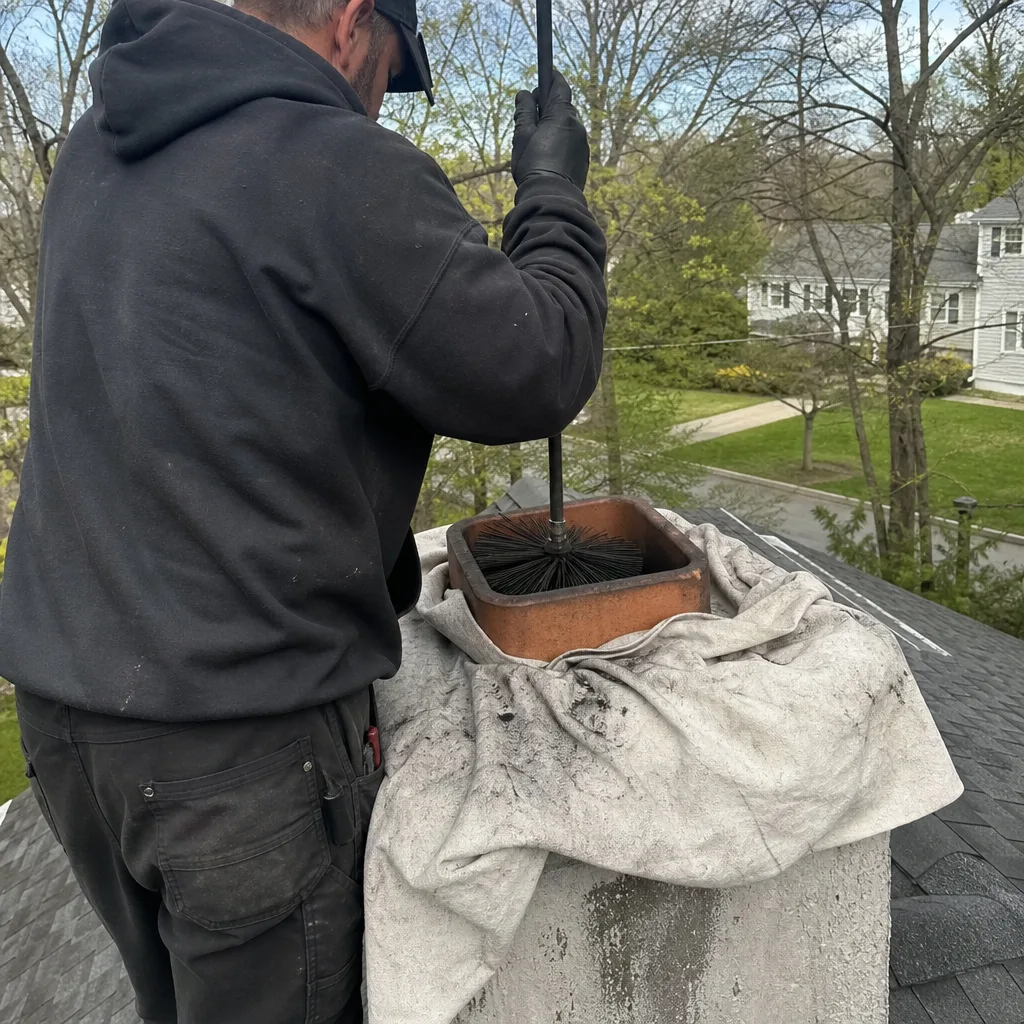
- The Warm-Day Smoky Smell: A Creosote Problem, Not a Draft Problem
- Shiny Creosote and What It Means for Your Fireplace
- Efflorescence (White Staining): Reading Water Migration Before It Reads You
- The Sounds Your Chimney Makes: Pops, Ticks, and What They Indicate
- Smoke Backing Up Into the Room: Liner, Damper, or Draft?
- Animal Noise, Debris, and the Flue Blockage Problem
- Exterior Warning Signs: Spalling, Crown Cracks, and Chase Rust
- Common Mistakes to Avoid
- When to Call a Professional
- Frequently Asked Questions
- The Bottom Line
BeforeAfterThe Warm-Day Smoky Smell: A Creosote Problem, Not a Draft Problem
A smoky smell in your living room on a warm day with no fire burning is not a draft problem. It’s a creosote off-gassing problem, and it often means Stage 2 deposits that a brush sweep can’t remove. Here’s what’s happening. Combustion byproducts condense on the inside walls of your flue as smoke cools on its way up. That residue is creosote, and it has three stages. Stage 1 is a dusty, soot-like layer that a standard brush sweep handles easily. Stage 2 is a thicker, flaky, tar-like deposit with a glazed surface in places. Stage 3 is dense and glassy, like a black lacquer. Stages 2 and 3 hold onto odor molecules. On warm, humid days, those molecules release and sink back down the flue into your living space. The smell is strongest in summer, when humidity in Stamford spikes and the temperature difference between inside and outside stops pulling air up. Your fireplace becomes a scented vent into the room. The smell isn’t proof of a draft reversal. It’s proof that your flue walls are coated with something that’s emitting odor. We’ve found Stage 3 deposits in Stamford homes where the owner assumed the smell meant a damper gasket needed replacing. No gasket replacement fixes a glazed creosote wall. The fix is mechanical removal: brushes for Stage 1 and 2, and in many cases rotary chain tools or chemical treatments for Stage 3. A Chimney Cleaning & Sweep in Stamford visit includes a camera scan before and after, so you can see exactly which stage you had and what the flue walls look like once the residue is gone. The takeaway: a warm-weather smell isn’t a minor draft complaint. It’s your chimney telling you the liner is carrying a fuel load.
Shiny Creosote and What It Means for Your Fireplace
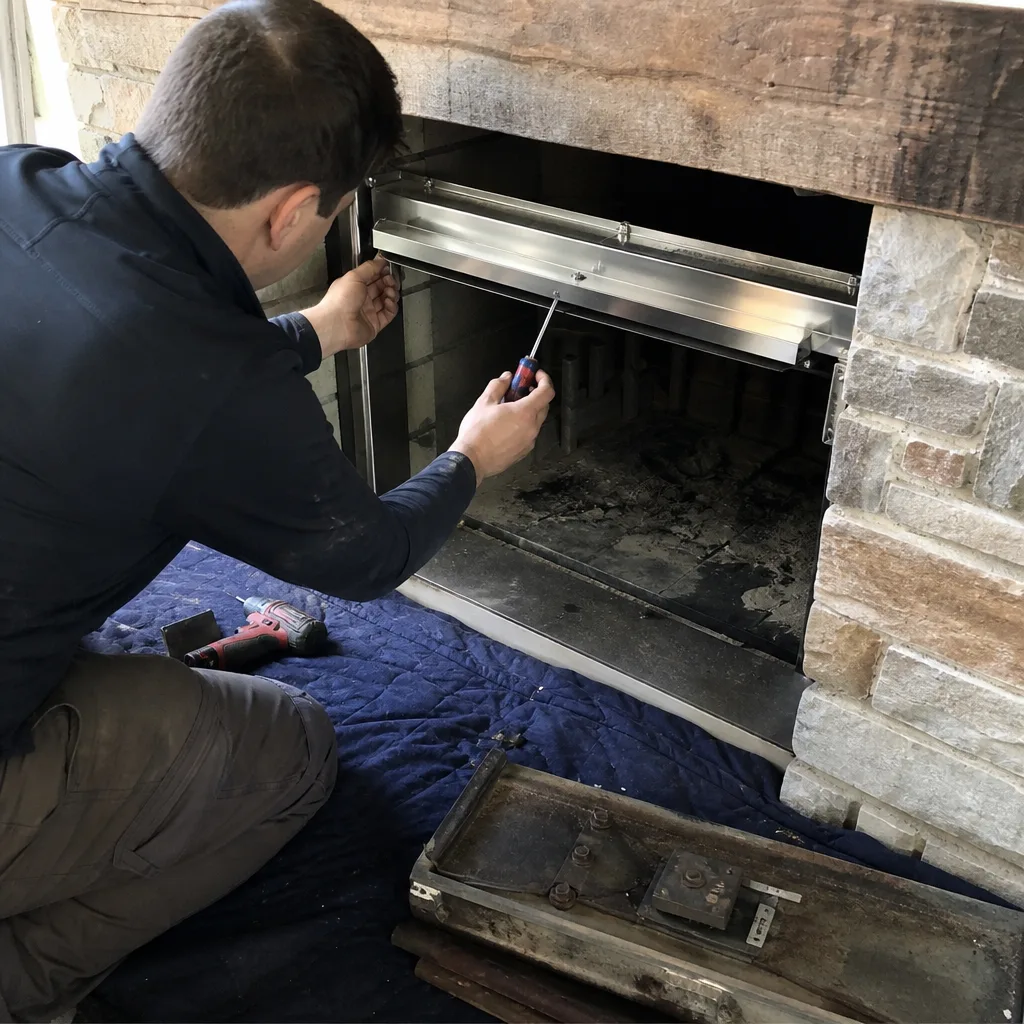
If you open your damper, shine a flashlight up, and see a shiny, dark, glassy coating on the flue walls, you are looking at the single most misdiagnosed warning sign in chimney maintenance. That shine is not wet soot. It’s the glaze on Stage 3 creosote, and it is the most dangerous condition a chimney can carry without being visibly broken. Two things matter here. First, Stage 3 creosote is concentrated fuel. It burns at over 2,000 degrees Fahrenheit. A chimney fire fed by Stage 3 creosote is fast, intense, and often hidden until it’s already damaged the liner and chased mortar joints. Second, the same shiny layer is also a coating that resists ordinary brush sweeping. A standard wire brush skates over the glaze and removes very little. That’s why a homeowner sometimes pays for a cleaning and then sees the same shiny surface a month later on a phone camera. The right response is a two-step process: chemical treatment to break down the glaze, followed by mechanical removal with a rotary chain system. The exact method depends on the depth and coverage. We measure that with a camera scan, record it, and price it in writing before anything starts. That part of the visit is non-negotiable under Level Two Chimney Stamford home service. No one should quote a creosote removal job based on a flashlight look from the roof. The camera shows what’s actually there. One more note for Stamford homeowners specifically. Older Stamford chimneys often have unlined or clay-tile-lined flues that were built before more modern clearance standards. Creosote buildup on a clay liner with cracked mortar joints creates a path for flame and gas to reach the house structure. The shiny surface is the warning that the whole assembly is carrying a higher fire load than it was designed for. You’re not looking for “some soot.” You’re evaluating whether your flue is safe to use. Let the camera answer that.
Efflorescence (White Staining): Reading Water Migration Before It Reads You
White staining on chimney brick is not an aesthetic issue. It’s a water-migration signal, and it’s one of the most useful diagnostic tools a homeowner has, because it tells you where water is entering and roughly how much is moving through the masonry. The white powder is called efflorescence. It forms when water passes through brick or mortar, dissolves mineral salts inside the material, and carries them to the surface. The water evaporates. The salts stay. The pattern of the staining is the diagnostic. Here’s how to read it in a Stamford home:
- Broad whitening across large areas of the chimney: This suggests slow, consistent moisture absorption through the brick face itself. Often the brick is older, the original water repellent has worn off, and the masonry is soaking up rain like a sponge. The mortar joints are usually porous too.
- Staining concentrated below the crown or below the flue tile: This points to crown failure. Cracked or missing crown mortar lets water pour into the top of the chimney assembly and run down inside the flue chase or between the liner and the brick.
- White streaks below a chimney cap or chase cover seam: This is a metal-flash or cover issue. Water is finding a seam or rust hole and running down the exterior.
- Staining near the roofline only: This is typically flashing failure at the roof intersection. Water is getting behind the flashing and wetting the lower brick courses.
What does the staining tell you about timing? Light, faint efflorescence that appears slowly and doesn’t change much after rain means the water entry rate is low. You have weeks or even months to schedule an inspection without worsening damage. Heavy, spreading efflorescence with visible crystallization that appears within a day or two of rain means water is moving through the masonry at a steady pace. Freeze-thaw cycles in Connecticut winters will accelerate the damage: water inside the brick expands when it freezes, and repeated cycles spall the brick face off in sheets. That’s the turning point where a cosmetic issue becomes structural. A Chimney Repair in Stamford crew will run a camera inspection and moisture assessment before recommending repointing or crown replacement. In our experience, most Stamford efflorescence calls turn out to be crown failure or flashing failure, not an issue with the brick itself. The white stain is the map. Reading it correctly tells you whether you’re repointing a wall, replacing a crown, or just resealing a flashing seam.
The Sounds Your Chimney Makes: Pops, Ticks, and What They Indicate
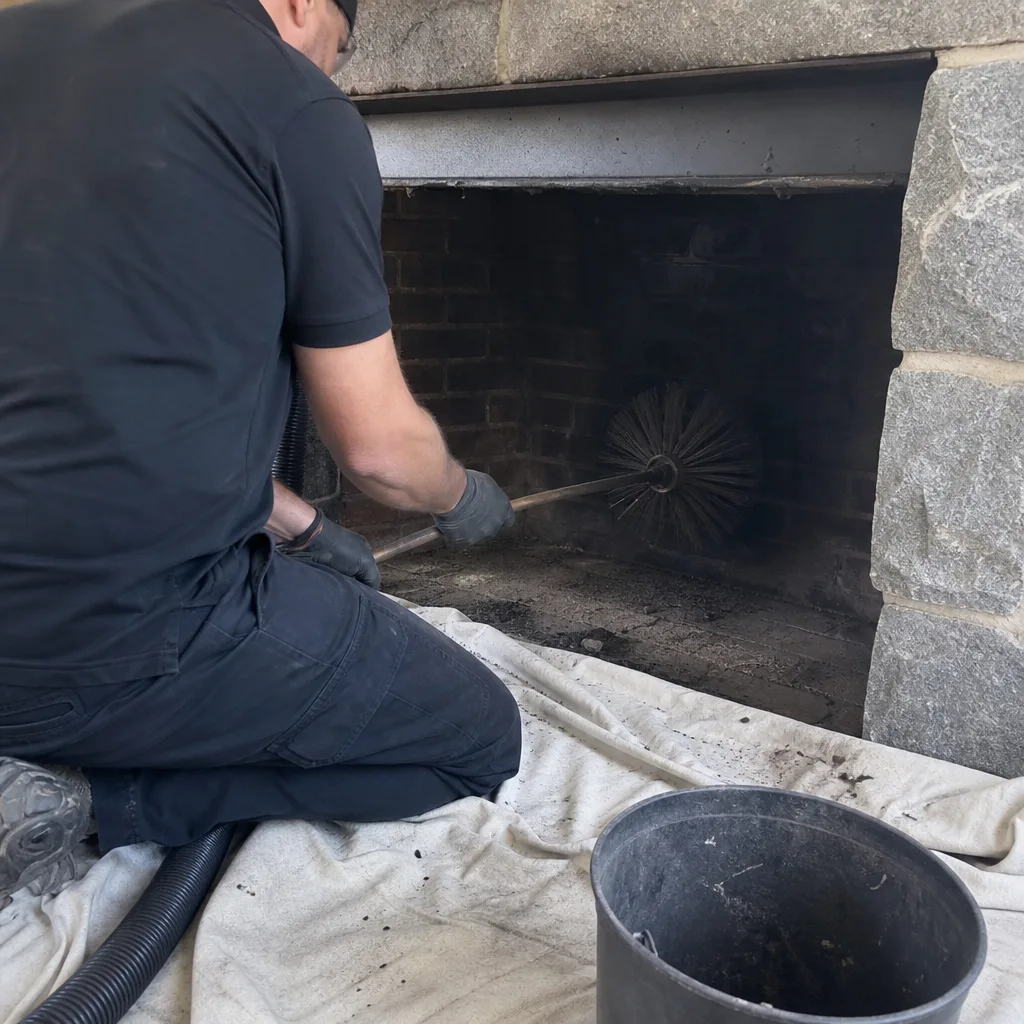
Sound is an underrated diagnostic, and it’s one of the few warning signs that appear in real time while you’re using the fireplace. What you hear and when you hear it tells you a lot about which part of the chimney assembly is carrying stress. Three patterns matter most. First, the tick. A sharp tick-tick-tick sound while a fire is burning, especially in a metal chimney, is thermal expansion. The liner or pipe heats up at a different rate than the surrounding chase, so the metal flexes and ticks against brackets or the chase frame. Occasional light ticking in the first 10 to 15 minutes of a fire is normal. Loud, repeated ticking through the whole burn can indicate an undersized or improperly supported liner, or one that’s chafing against a deteriorated chase. A camera scan will show the contact points. Second, the pop. A pop or ping that comes from the flue area in a masonry chimney while a fire is burning is usually a flake of creosote or a fragment of damaged tile letting go. It might be harmless by itself, but it’s a signal that something is delaminating inside the flue. If it happens more than once across a season, it’s worth a look. Third, the animal noise. Scratching, chirping, fluttering, or the sound of small feet inside the chimney is almost always birds or squirrels. For Stamford homeowners, the early spring and mid-summer nesting seasons are the typical times. The issue is what they leave behind: nesting material is dry and flammable, and a packed nest can block flue gas flow entirely. The result is a real risk of smoke backup or chimney fire. The fix is removing the nest and the animal safely, then capping the flue so it can’t happen again. We use Famco caps on most of our Stamford installs because they’re built for the freeze-thaw shell condition common along the Connecticut coast. Small sound, big clue. Don’t wait for the thing to become quiet again and assume it resolved itself.
Smoke Backing Up Into the Room: Liner, Damper, or Draft?
Smoke entering your living room instead of drawing up the flue is one of the few chimney warning signs that’s impossible to ignore, but homeowners often misread the cause. There are three likely culprits, and each has a different profile. Distinguishing between them matters because the fix ranges from a minor damper adjustment to a full flue reline. Here’s how we sort it in Stamford homes:
- The draft problem: Smoke backs up at the start of a fire, especially on cold days, then improves as the fire gets going. The chimney is cold, and cold air in the flue is dense and won’t move until enough warm air from the fire pushes it out. You’ll feel a cold draft coming down the chimney before you light the fire. The fix is usually a quick pre-heating routine: open the damper fully, hold a lit piece of rolled newspaper up into the flue for 30 seconds, then light the fire. Persistent draft issues can also come from an undersized flue, a house that’s too air-tight and can’t supply combustion air, or a flue that’s too short.
- The damper problem: The damper is the cast-iron or steel plate in the throat of the fireplace that opens and closes the flue. Worn dampers don’t seat fully, don’t open all the way, or have broken linkage. The symptom is smoke backup that doesn’t match a fire-start pattern. If the smoke backs up even after a good fire is established, look at the damper first.
- The creosote problem: Smoke backs up because the flue itself is choked. Heavy Stage 2 or Stage 3 creosote buildup reduces the flue cross-section to the point that smoke can’t draft properly. In our experience, this is the most common cause of smoke backup in older Stamford fireplaces that have burned years of unseasoned wood. The fix is mechanical cleaning, potentially including rotary tools for glazed layers.
- The liner problem: A cracked or separated flue liner creates flow disruption. Flue gases catch on the irregular surface, and the draft weakens. Smoke drifts into the room, sometimes intermittently. The camera scan tells you whether the liner is failing. If it is, a smoke backup issue becomes a liner replacement or resurfacing conversation, and that’s priced in writing, with a scope, before any work is done.
For most Stamford homeowners, the fastest way to resolve the mystery is a camera scan. You get photos of what’s actually in the flue, and you stop guessing between a damper fix and a reline. That’s the difference between a $200 repair and a $4,000 one, and you deserve to know which one you’re in before anyone touches your fireplace.
Animal Noise, Debris, and the Flue Blockage Problem
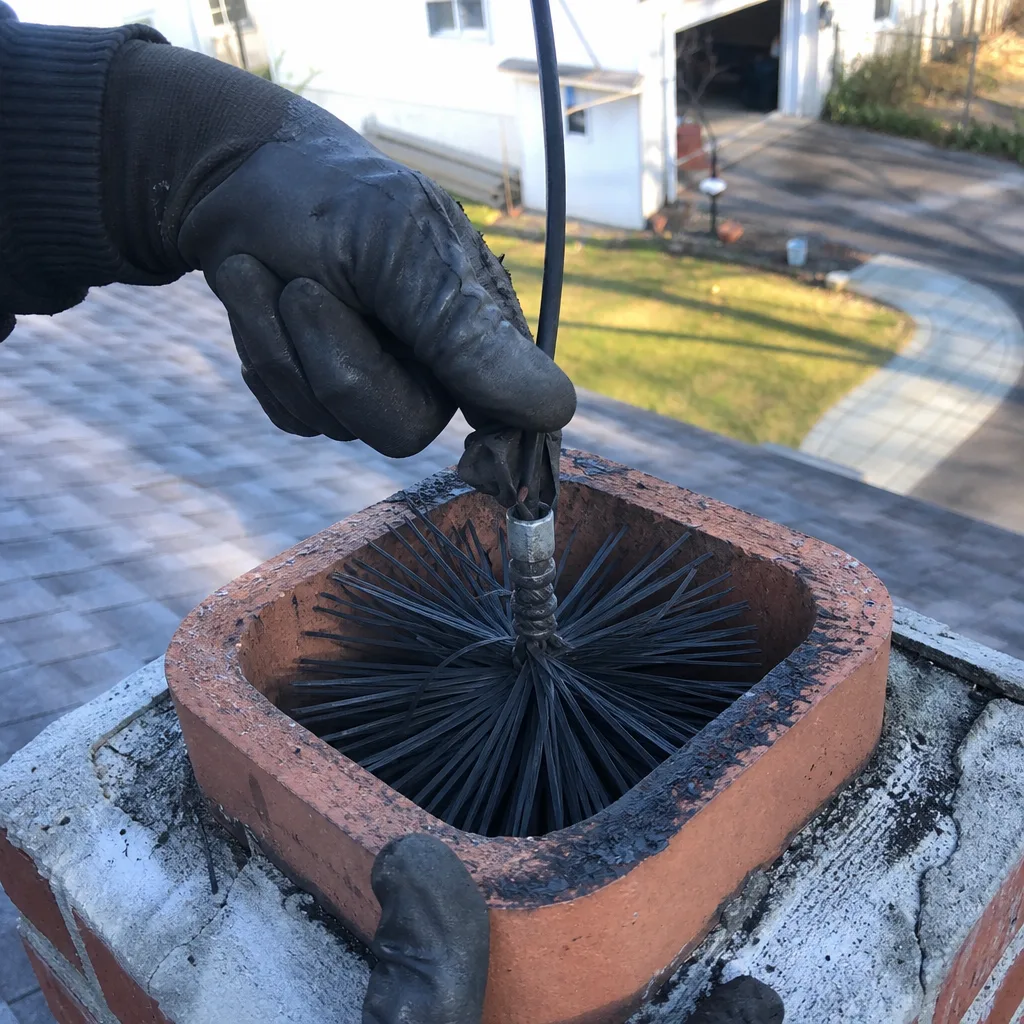
Your chimney is a vertical shelter with a warm, protected interior, and from a bird or squirrel’s perspective, it looks like prime Connecticut real estate. The animals themselves aren’t the biggest problem. What they leave behind is. A single squirrel nest can fill a flue chamber with twigs, leaves, insulation, and shredded roof material. A chimney swift nest can build enough mass to block the flue completely. The effects cascade: blocked flue means smoke and carbon monoxide can’t vent. Backed-up combustion gases push into the living space. The nesting material itself becomes a fire starting point when embers reach it. The first sign of an animal problem is usually sound: chirping from the flue during daylight hours in spring, scratching sounds at dusk or dawn, or the patter of small feet against the flue wall. You may also notice the smell. Bird droppings and nesting material produce a distinct sweet-musty odor that’s strongest on warm days. Debris falling into the firebox is another tell. If you open the damper and find twigs, grass, or bits of leaves on the hearth, something has been active above you. For Stamford homeowners, chimney swifts are protected under federal law during nesting season, which means removal may need to wait until the young have fledged. The permanent fix is prevention. A properly fitted cap from a manufacturer like Copperfield or Famco, installed after the flue is cleaned and confirmed clear, closes the top of the chimney while keeping the draft open. We include a cap check on every cleaning visit. If your flue has had one animal inhabitant, the odds of a return visit increase sharply the next season. Block the entrance, document the before and after with photos, and the cycle stops.
Exterior Warning Signs: Spalling, Crown Cracks, and Chase Rust
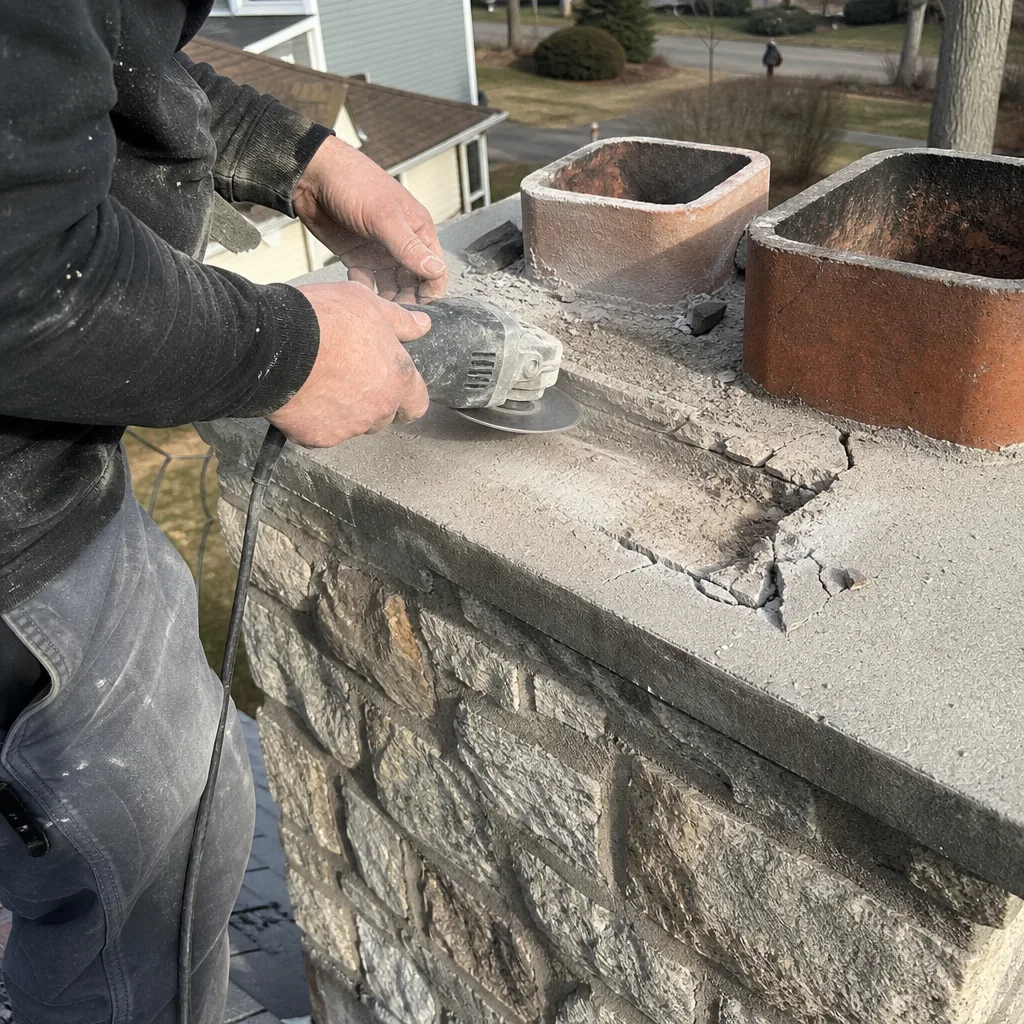
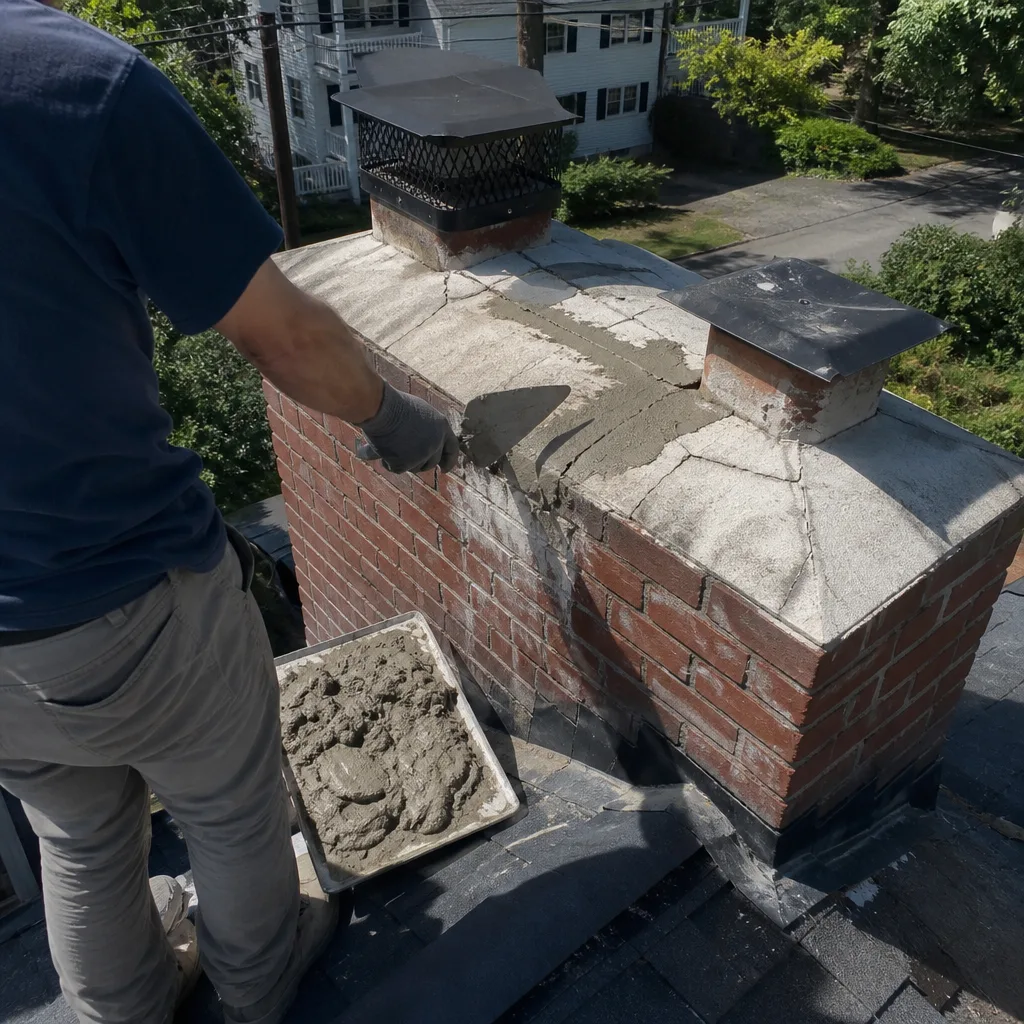
What happens on the outside of the chimney shows up before most interior damage becomes visible, but most homeowners never look up. If you can safely view your chimney from the ground or a ladder (never walk a roof without proper fall protection), three exterior signs are worth a monthly glance. Spalling is the first. Spalling is when the face of the brick flakes away, leaving a rough, recessed surface and brick fragments on the ground around the chimney base or on the roof. It happens when water inside the brick freezes and expands in winter. The expanded ice pushes the outer brick layer off. Once spalling starts, it accelerates, because the exposed inner brick is more porous, absorbs more water, and breaks down faster. Crown cracks are the second. The crown is the concrete or mortar cap on top of the chimney, and its whole job is to shed water away from the flue and the brick. Hairline cracks let small amounts of water in slowly. Larger cracks, missing sections, or a crown that’s settled and sloping the wrong way let large amounts of water in quickly. In Stamford, with its freeze-thaw winters and salt air, crowns fail sooner than inland. The third sign applies to metal chimneys: chase rust. A chase is the framed box around a metal flue, usually sided and capped with metal. Rust stains running down the chase sides, or a chase cover with perforation and flaking, means water is entering the chase and working on the framed wall and flue insulation. The inside of a chase needs to stay dry. Once the cover fails, you’re not just replacing a piece of metal; you’re drying out the framing and potentially replacing water-damaged sections behind the siding. On all three points, the response is a physical inspection with a written assessment. Fireplace Services in Stamford includes exterior chimney inspection as part of a standard visit. You’ll get photos of the crown, the flashing, and the brick face, so you can see what we see and make a call on timing. Some exterior issues can wait a season. Some shouldn’t wait past the next freeze cycle. The difference is in the photo record.
Common Mistakes to Avoid
- Brushing off the summertime smell as “just humidity.” A smell that gets stronger on warm days is creosote off-gassing. It’s a buildup signal, not a meteorological quirk.
- Assuming that one sweep fixes the shiny lining. Glazed creosote (Stage 3) resists standard brushing. If your flue still looks shiny after a cleaning, it wasn’t cleaned, and the fire hazard remains.
- Painting or sealing over efflorescence without finding the water entry point. Sealing the surface traps the water inside the brick. The efflorescence disappears, the spalling accelerates behind the sealant, and the repair bill grows.
- Ignoring pops and ticks as “old house sounds.” Loud or repeated popping means something is flaking inside the flue or the liner is under stress. The sound is free diagnostic information you’re throwing away.
- Removing a chimney cap because it was loose or old. The cap is the only thing between your flue and all of the animals, leaves, and rain that would love to get inside. If the old cap is bad, replace it, don’t abandon it.
- Lighting a test fire to see if the smoke has fixed itself. If the flue is obstructed or cracked, a test fire deposits more creosote and pushes more heat into the damage. Book a camera inspection first, then decide.
- Getting a fireplace quote over the phone without photos. Any price quoted without a visual inspection is a guess. Written pricing tied to a written scope and a photo record is the only thing that protects you from paying for guesswork.
When to Call a Professional
Some chimney conditions are safe to monitor for a few weeks. Some require immediate attention. Here’s the bright line: if you smell smoke or gas in the home with no active fire, stop using the fireplace and call for an inspection within this week, not next season. If you see heavy, spreading efflorescence or brick fragments on the ground after winter, book an inspection before the next hard freeze. If smoke backs up while a fire is burning, put the fire out, open windows, and call. If you hear animal noise in the flue, schedule a cleanup and cap installation so the situation doesn’t turn into a fire hazard. And if your last cleaning was more than 12 months ago, an annual camera-scan visit is the cheapest insurance you’ll buy for the fireplace. Chimney Cleaning & Sweep in Stamford visits at Level Two Chimney Stamford include a documented photo record, so you’re not taking anyone’s word for the condition of your flue. You can call (914) 537-8463 to get a free estimate in Stamford.
Frequently Asked Questions
A standard chimney cleaning in Stamford typically runs between $200 and $350, though homes with heavy Stage 2 or Stage 3 creosote require additional mechanical or chemical treatment that pushes the job to $400-$650. Our written estimate is based on the camera scan, not a guess, so you’ll know the exact price before any work begins. Call (914) 537-8463 for a free estimate.
The National Fire Protection Association recommends a chimney inspection and cleaning whenever any significant creosote layer exists, and at minimum once a year if you burn wood regularly. In Stamford, where burn seasons run long and wood quality varies, we see most homes doing best with an annual camera-scan visit between spring and early fall.
A shiny, glassy coating inside the flue is the most dangerous sign to ignore, because it’s Stage 3 creosote, a dense fuel layer that can ignite at over 2,000 degrees and destroy a liner in one event. Homeowners sometimes mistake it for wet soot or assume a brush sweep removed it. It requires specific mechanical treatment and should be addressed before the next fire.
It depends on the inspection findings. Hairline cracks in some clay liners can be resurfaced with a product like HeatShield, which restores a continuous surface without full replacement. If the liner is severely cracked, separated, or undersized for the appliance, a full reline is the correct fix. You deserve a camera-based answer with photos showing the damage, not a recommendation you can’t verify.
Creosote builds layer by layer, and each burn adds more. The deposit thickens, the flue narrows, drafting worsens, and the fire load increases. Eventually you have a chimney fire, or carbon monoxide backup, or a liner that fails in the middle of a cold Stamford night. Most of the serious issues we see in older Stamford chimneys trace back to multiple years of skipped cleanings.
You can brush a lightly soiled chimney yourself with the right tools and safety equipment, but you can’t see what you’re leaving behind without a camera, and you won’t have a documented record for insurance purposes. If you’re unsure who to trust, read How to Hire a Chimney Cleaning Contractor in Stamford: A Step-by-Step Guide first. We’d rather you call for a professional camera-scan cleaning and keep a photo trail. It’s safer, it’s more thorough, and the price is in writing before anything starts.
The Bottom Line
Chimney warning signs are rarely what they first appear to be. A smell isn’t a draft problem. White staining isn’t dirt. A pop isn’t the house settling. Each sign is a clue about where the system is failing, and the only way to read the clue correctly is to see what’s actually inside the flue. That’s what the camera-scan inspection is for, and why we’ve made it standard practice in Stamford since 2009. You can’t fix what you can’t see, and you shouldn’t pay for what hasn’t been documented. If you’re seeing any of the signs in this guide, don’t let another season go by. Get the camera down your flue, get the photos, and decide from there. For more guides & resources on keeping your chimney safe, visit our blog.
Written by Corrine Halstead, Owner at Level Two Chimney Stamford, serving Stamford since 2009.