
Last updated September 20, 2026
Level 1 sweep and inspection to the NFPA 211 annual standard - flue, crown, cap, and flashing checked and photographed
Chimney sweep logs do not sweep chimneys. They loosen some creosote - which then falls where a brush and vacuum still have to collect it.
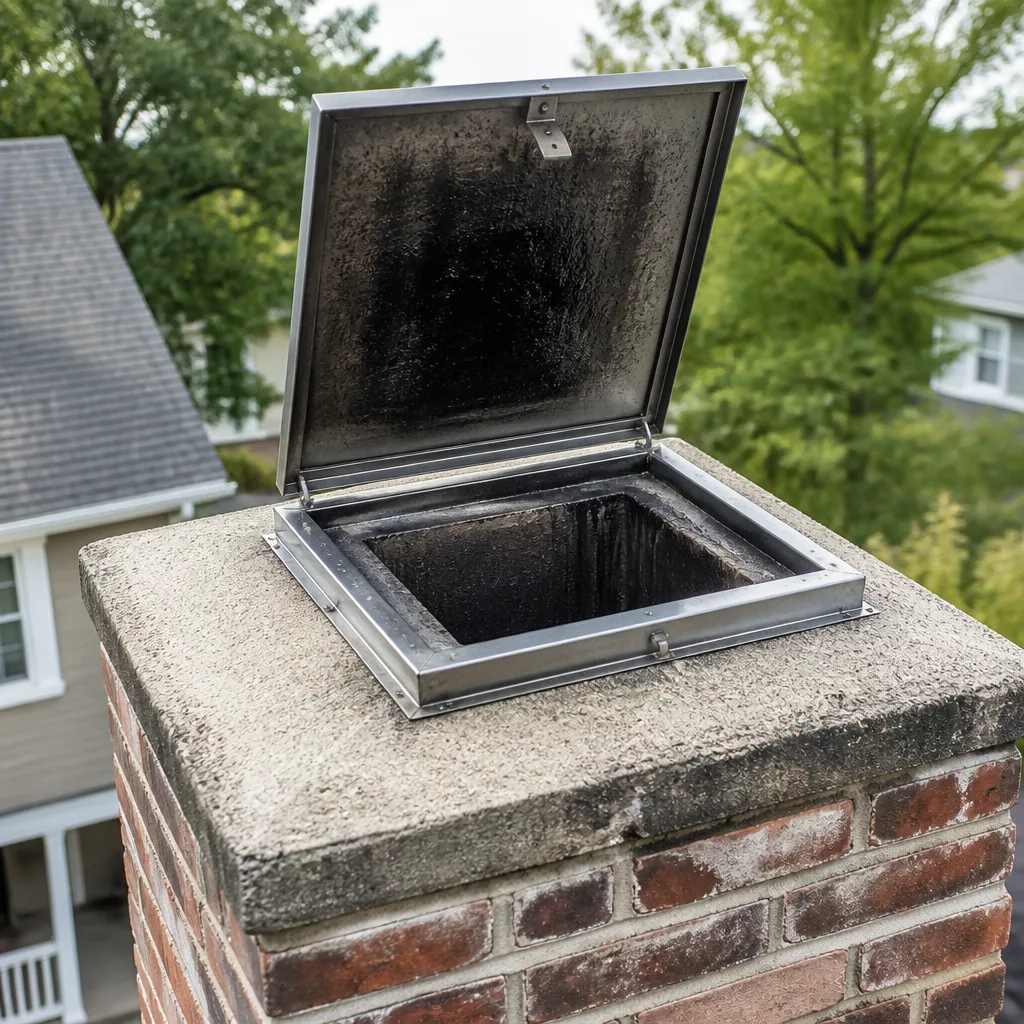
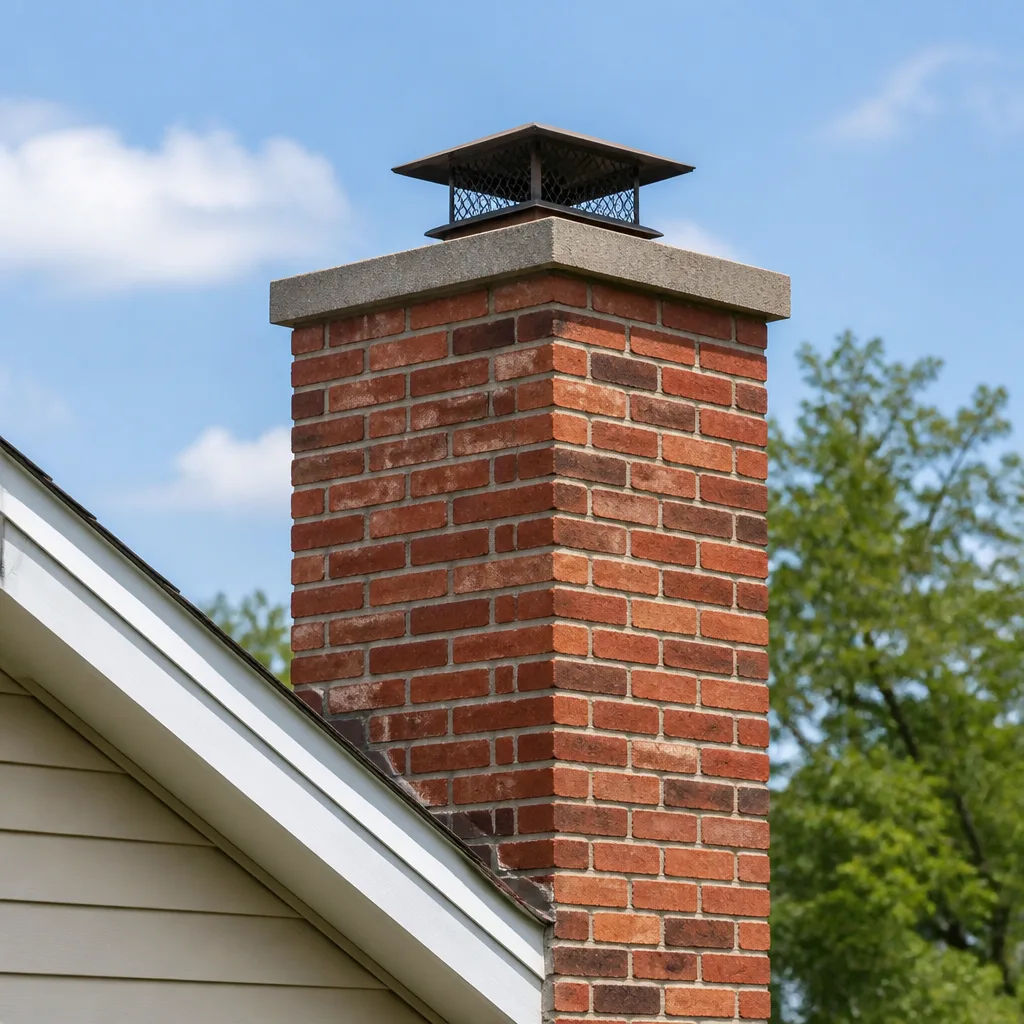
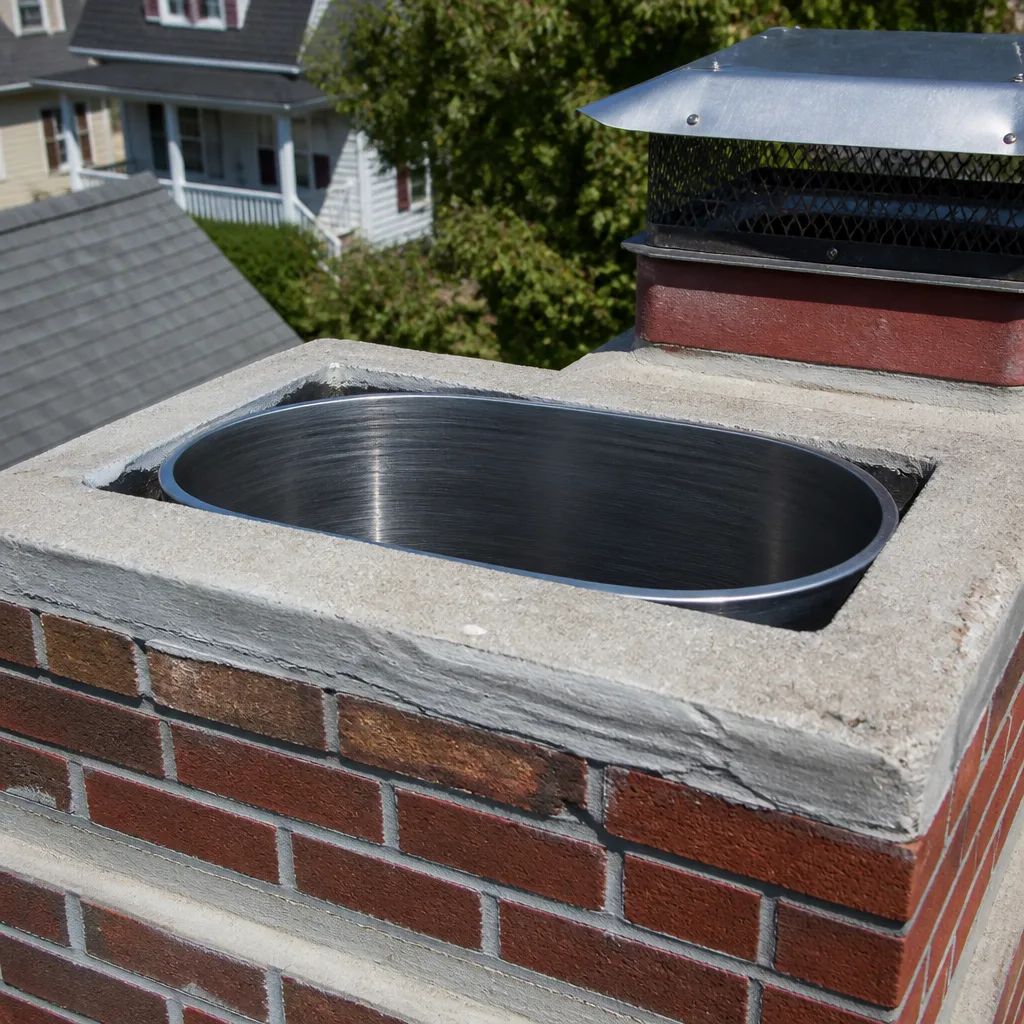
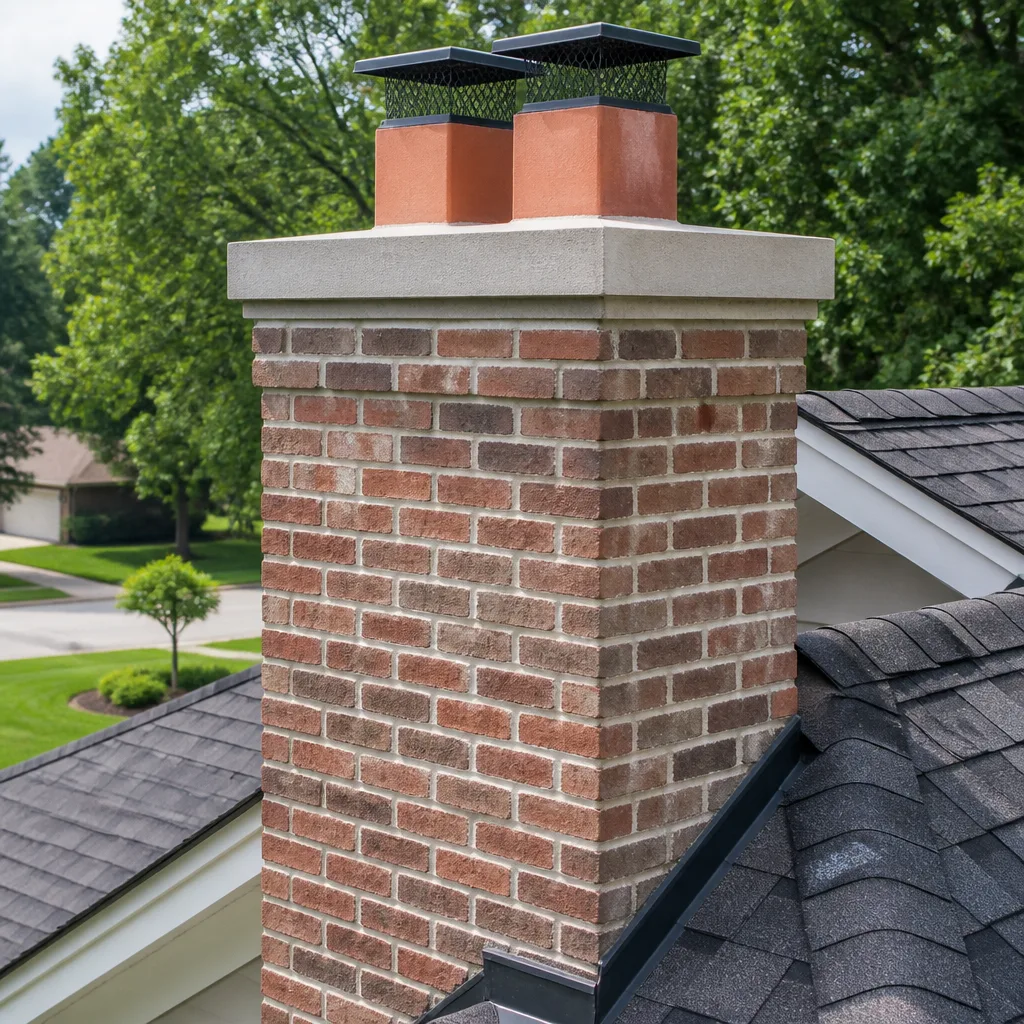
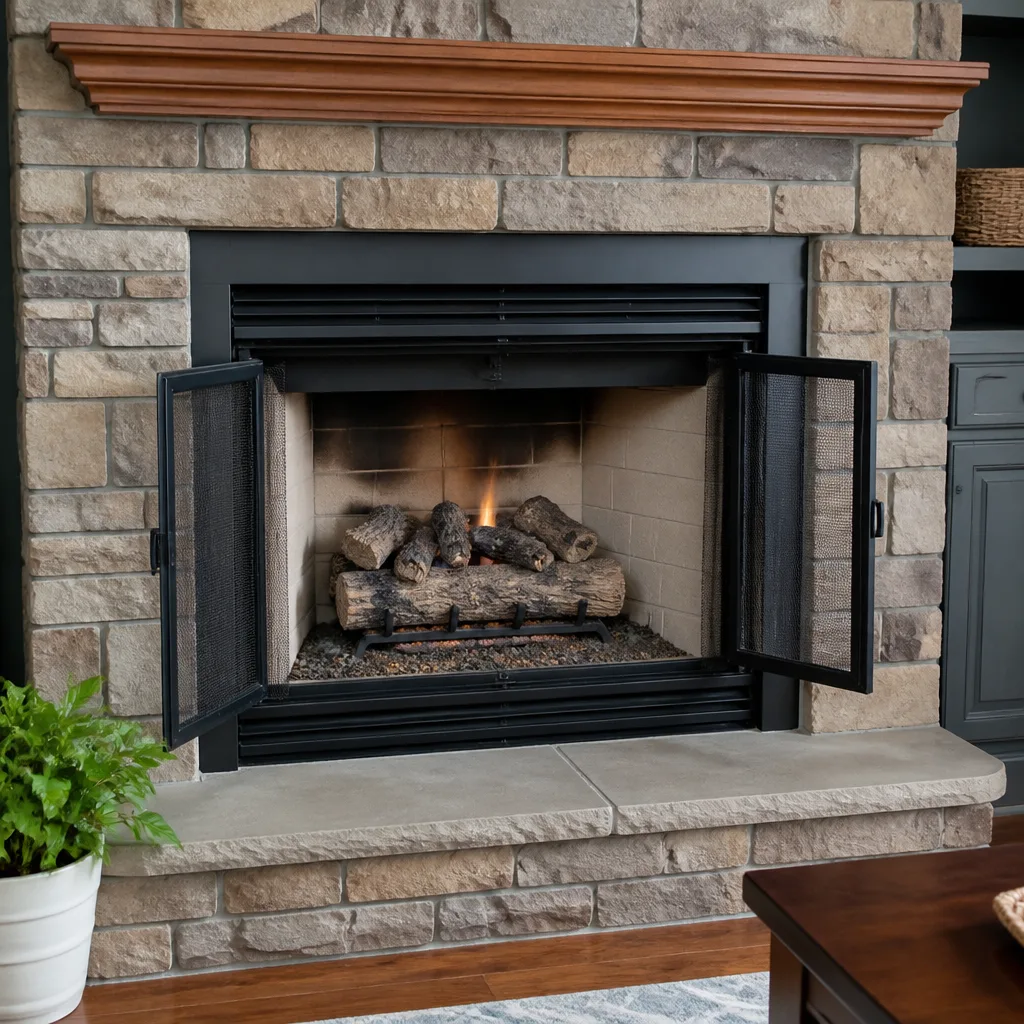
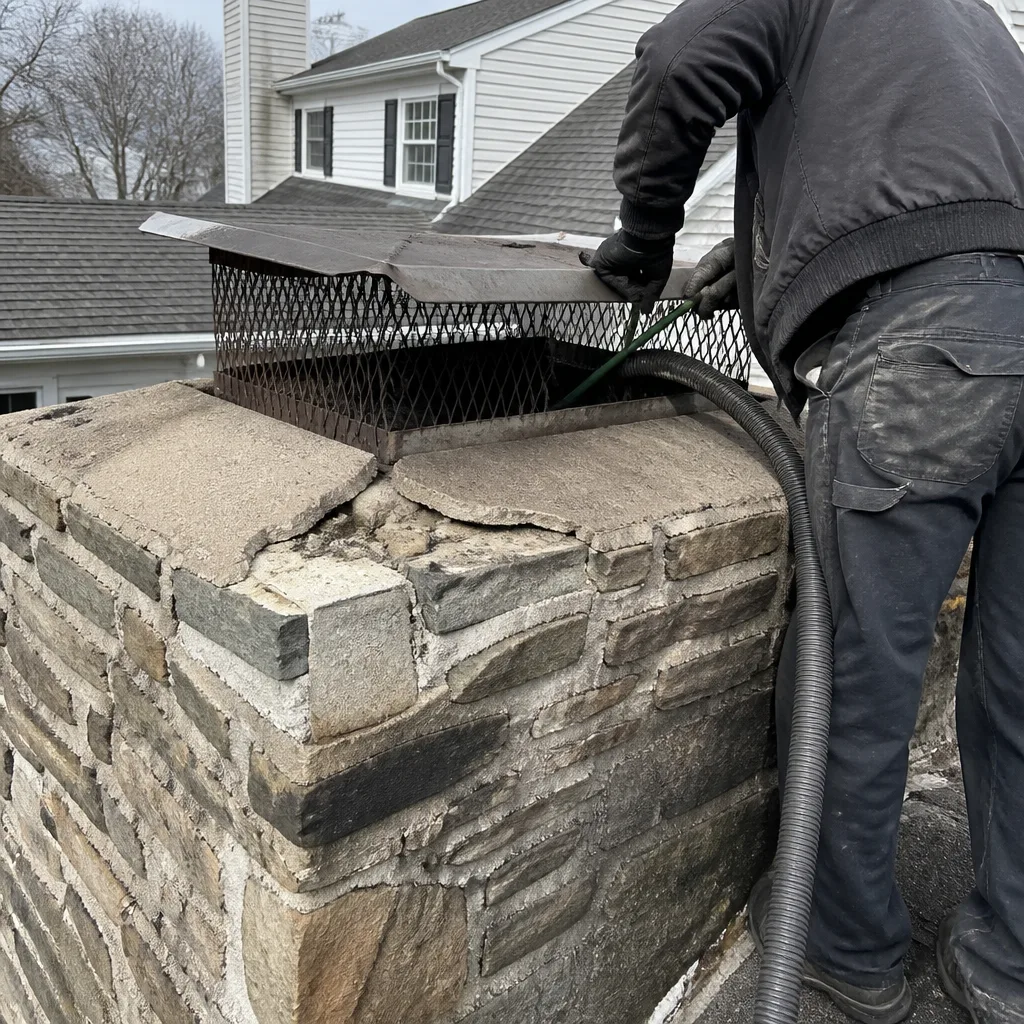 Before
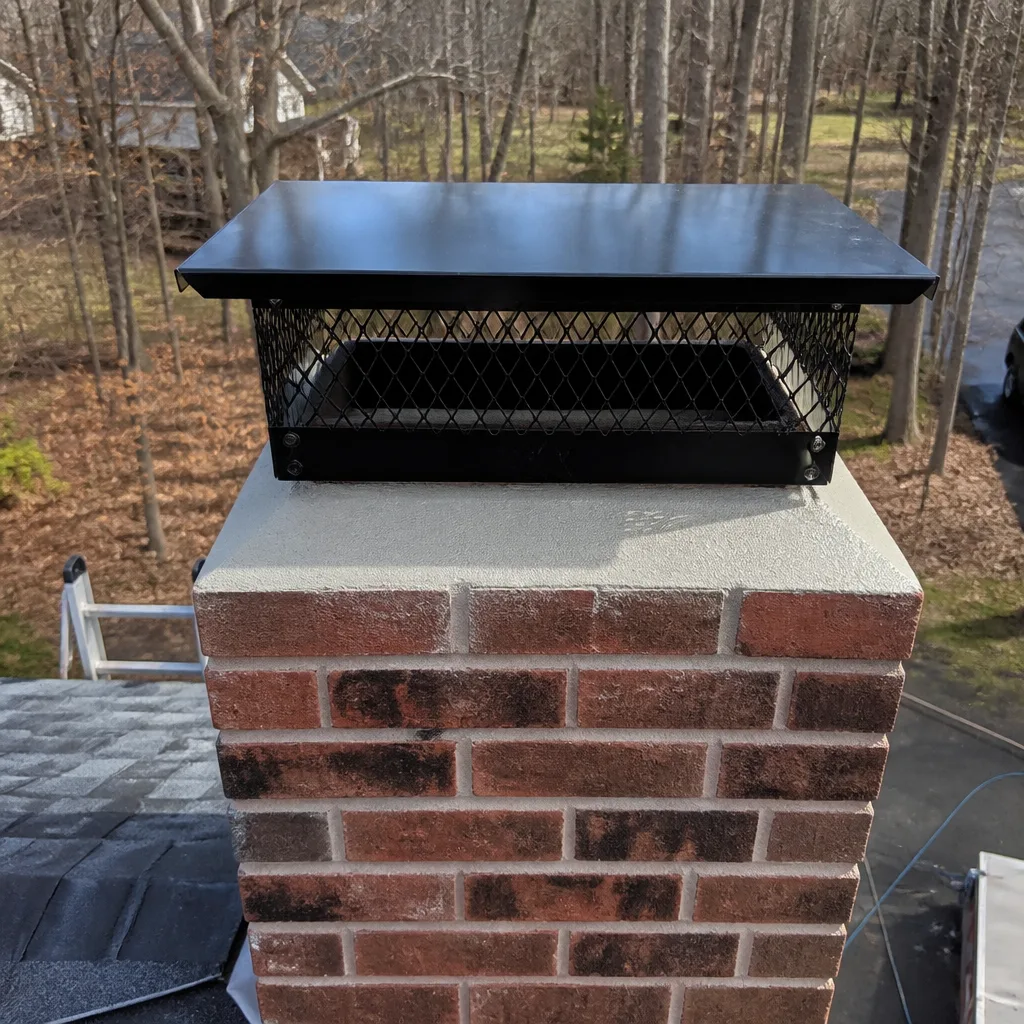 After
After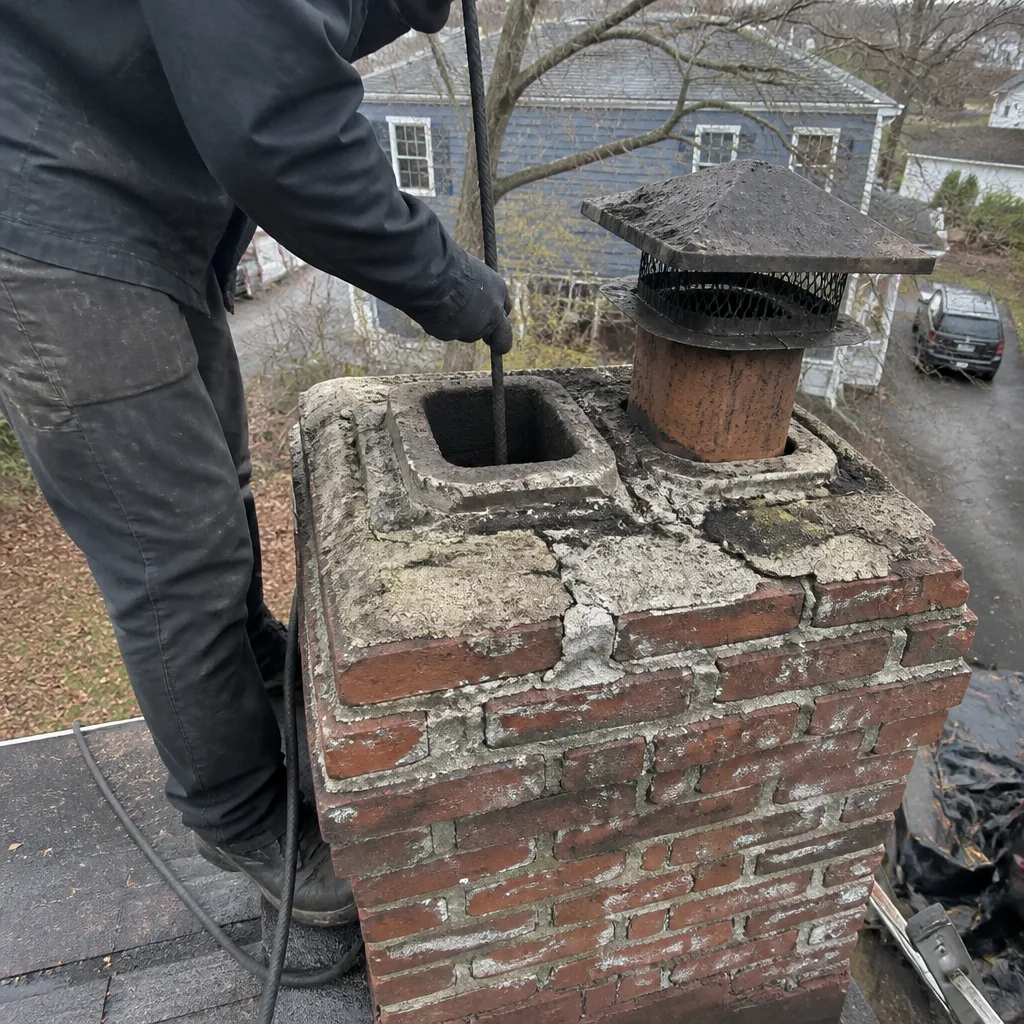 Before
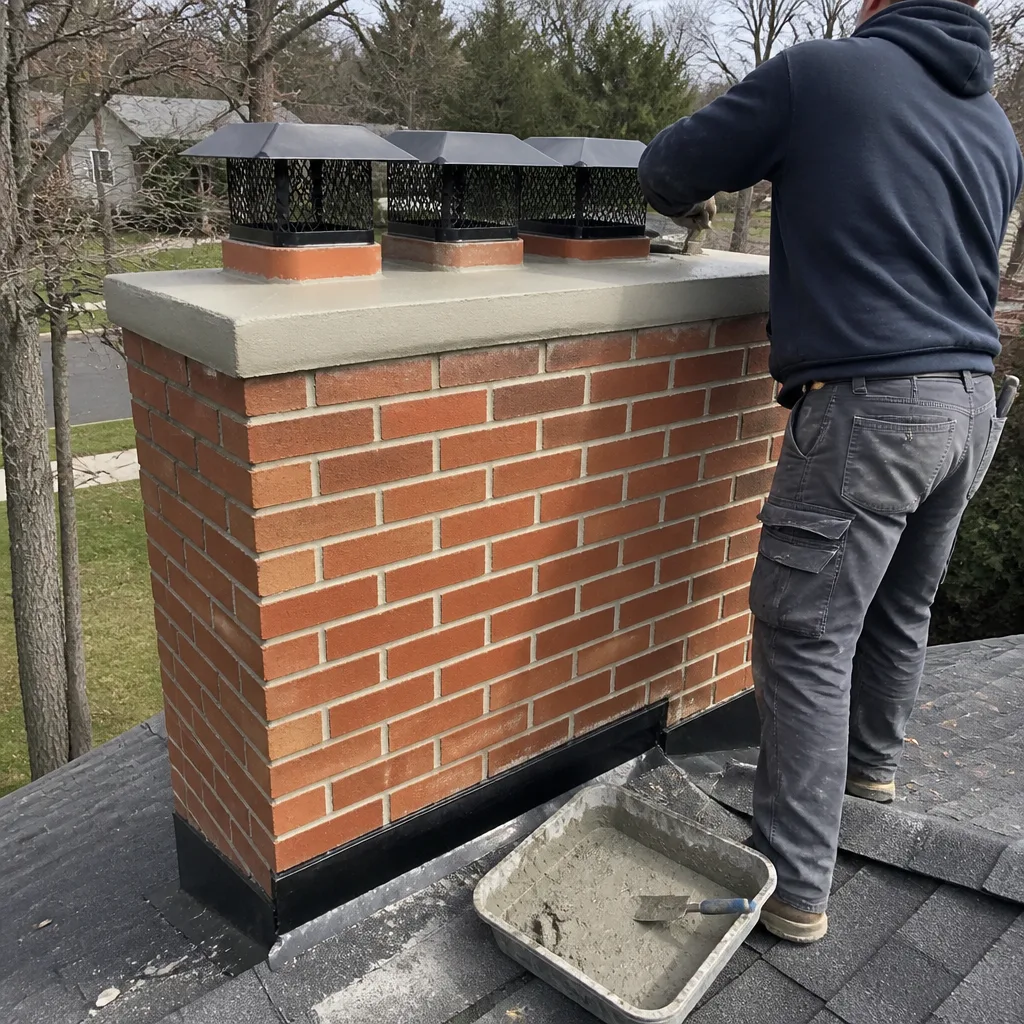 After
After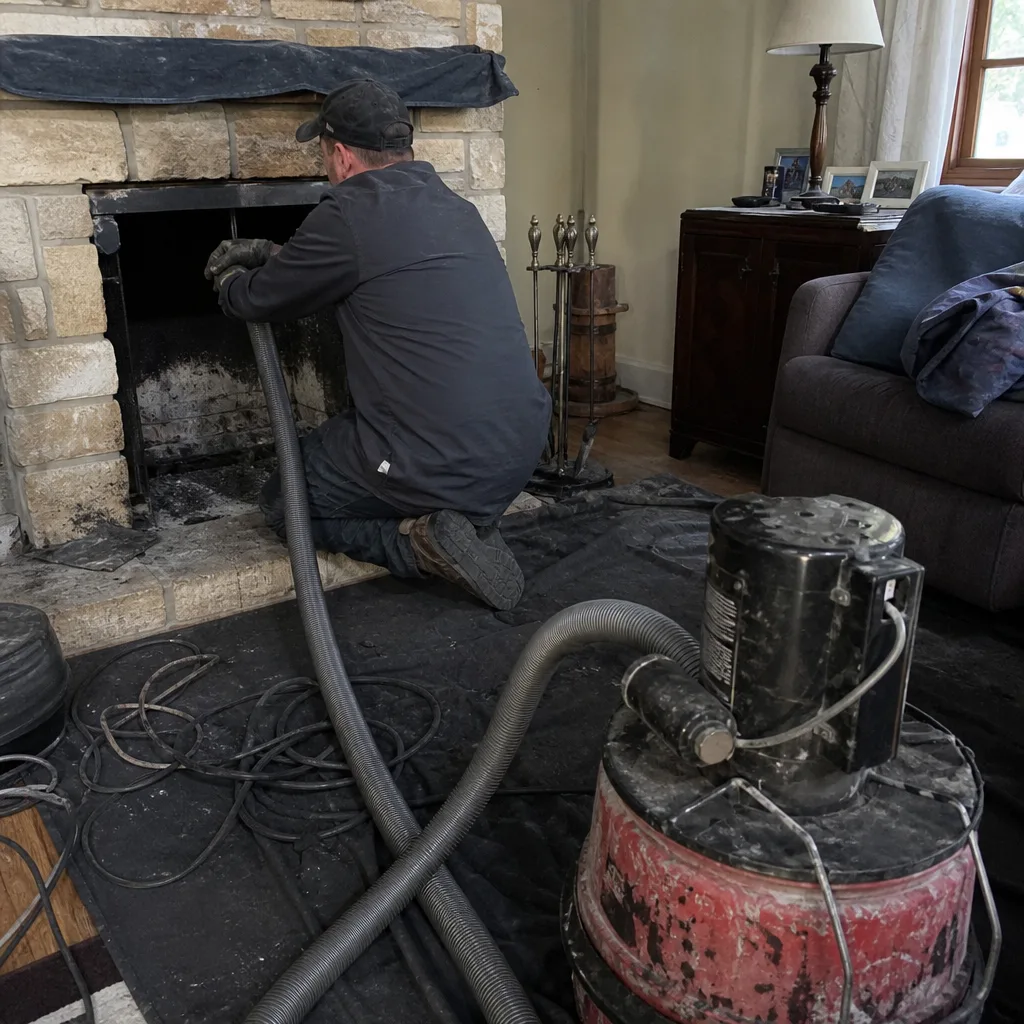 Before
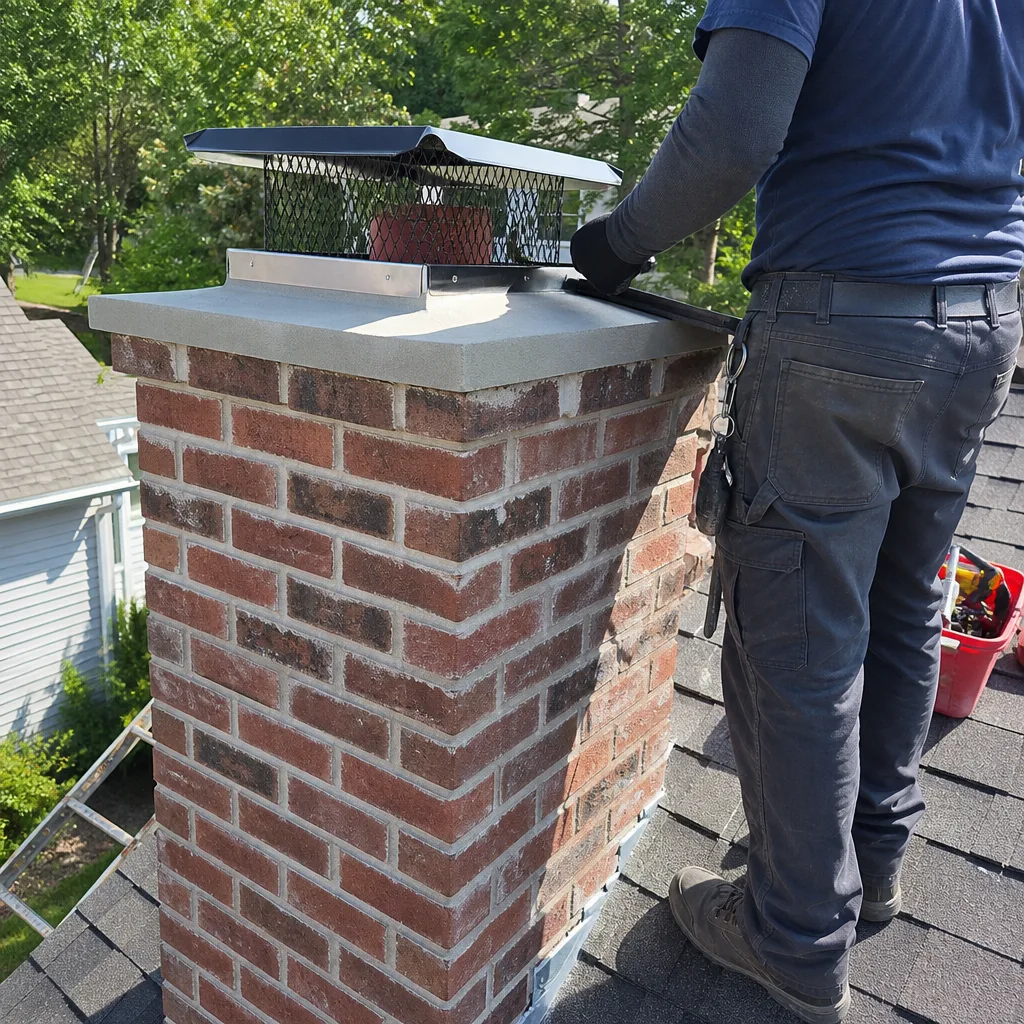 After
AfterDIY vs Professional Chimney Cleaning: The Stamford Homeowner’s Decision Guide
You can buy a chimney brush kit for $45 and remove visible soot from your fireplace in an afternoon. What you cannot do is tell whether the black coating on your tile liner is brushable Stage 1 creosote or glazed Stage 2, and the difference determines whether your chimney is safe to use next winter. This guide walks through exactly where the line sits for Stamford homeowners: what you can safely handle yourself, what requires a camera and a trained eye, and how your decision affects your insurance file and resale documentation. For more guides & resources on chimney care, see our blog. By the end, you’ll know precisely when DIY makes sense and when it creates a liability you didn’t plan for.
Quick Answer
DIY chimney cleaning works as a maintenance task between professional inspections when deposits are light, powdery, and brushable, and the homeowner stays in the firebox and lower flue. Professional cleaning is required whenever deposits are shiny, glazed, or thick enough to obscure the flue tile, because only a camera inspection can classify creosote stage and assess liner condition. In Stamford, a professional sweep with camera documentation typically runs $189-$389-see our Chimney Cleaning Cost Breakdown: The Stamford Homeowner’s Reference for 2026 for full pricing details-while a DIY kit costs $40-$80 but produces no inspection record, no deposit classification, and no documentation that matters to your insurance company or a future buyer.
Table of Contents
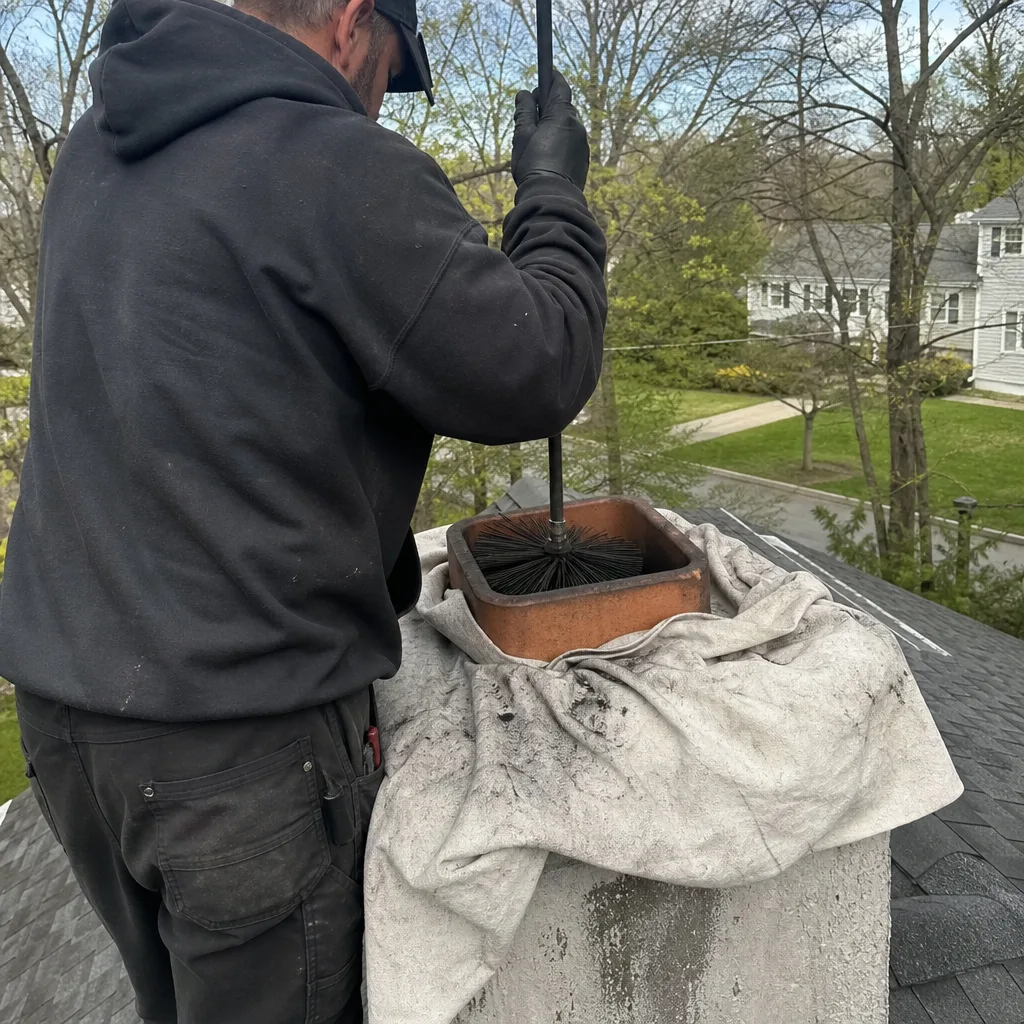
- What DIY Can Actually Do: The Honest List
- What Requires a Professional: Equipment, Not Just Skill
- The Stamford-Specific Factors: Climate, Code, and Market
- The Documentation Gap: Insurance, Resale, and What a Receipt Can’t Prove
- Three Scenarios Where DIY Is the Right Call
- Three Scenarios Where DIY Creates Liability
- Using DIY Between Professional Inspections to Lower Long-Term Costs
- What a Professional Clean Actually Costs in Stamford
BeforeAfterWhat DIY Can Actually Do: The Honest List
Most Stamford homes with wood-burning fireplaces accumulate two kinds of deposits: soot (fine, black, powdery carbon from complete combustion) and creosote (unburned wood volatiles that condense on the flue wall). The first is nuisance material. The second is fuel for chimney fires. A homeowner with basic tools can handle the first in the firebox and the bottom few feet of flue where deposits remain powdery.
Here is the complete list of what we consider safe DIY territory, assuming the homeowner is comfortable on a roof or working from inside the firebox with proper gear:
- Firebox brushing: Wire brush or stiff nylon brush across the firebox floor, side walls, and back wall. Remove ash and surface soot. This keeps the fireplace functional between burns.
- Damper cleaning: Open the damper plate and brush the metal surfaces. Accumulated ash here restricts airflow and causes smoky fires. A shop vac with a HEPA filter handles the loose debris.
- Cap debris removal: From the roof, remove leaves, twigs, and bird nesting material lodged against the chimney cap. In Stamford, maple and oak leaves are the usual culprits after October-November falls.
- Smoke shelf wiping: Reachable from the firebox with a long-handled brush. This flat ledge just above the damper collects soot and small debris.
- Glass door cleaning: Fireplace glass doors develop a white film from combustion byproducts. A razor scraper and ceramic glass cleaner handle this without affecting the chimney system.
What all five tasks share: they happen where you can see, they involve loose material, and they do not require classifying what kind of deposit you are looking at. The moment you are looking at a black coating on flue tiles and wondering whether it is Stage 1 or Stage 2, you have exited DIY territory. Brushing Stage 3 creosote, which resembles baked-on tar, does nothing but smooth the surface. A wire brush will not cut it.
Near Stamford’s shoreline neighborhoods like Shippan and Cove, salt air accelerates metal cap corrosion. Homeowners there can safely replace a rusted cap themselves if they are comfortable on the roof, but checking the flue below that cap is where the real decision lives.
What Requires a Professional: Equipment, Not Just Skill
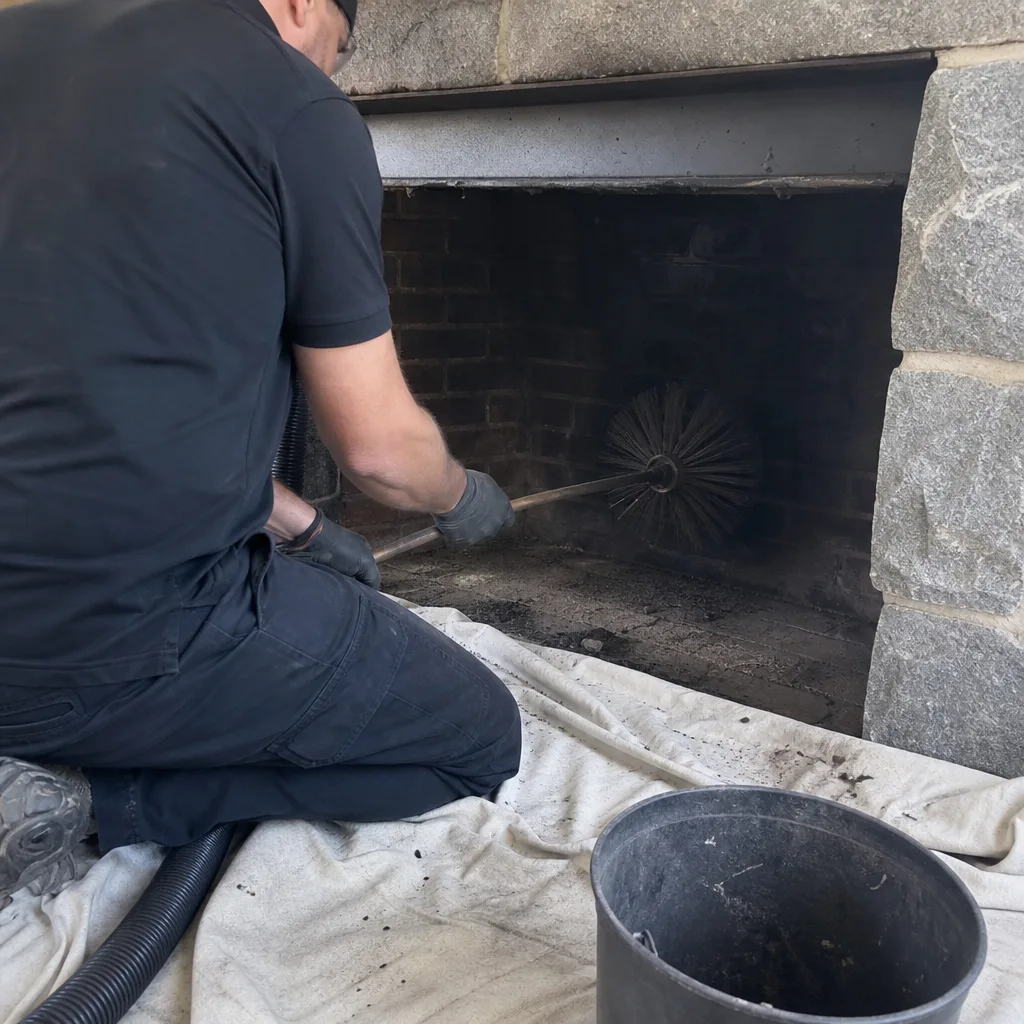
The line between DIY and professional chimney work is not drawn by skill or courage. It is drawn by equipment and documentation. Here is what a professional brings that no homeowner kit replicates:
A camera that images the full flue length
An NFPA 211 Level 2 inspection uses a camera pushed through the entire flue, from cap to smoke chamber. This is the only way to see spalling, cracked flue tiles, gaps in mortar joints, or a failing liner in the middle third of the chimney where your head and flashlight cannot reach. When we started making camera documentation the default on every visit back in 2009, most Stamford homeowners had never seen the inside of their own chimney. The practice became Clause 4 of the Haven Standard: a photo record on every job. It matters because a chimney fire can start in a section of liner you have never once looked at.
Creosote classification
Creosote comes in three stages. Stage 1 is flaky and brushable. Stage 2 is crunchy, shiny in patches, and requires rotary tools. Stage 3 is glazed, tar-like, and often requires chemical treatment or liner replacement because brushing alone cannot remove it. Telling the difference requires seeing the deposit up close under light, sometimes on a camera screen. A homeowner on a roof looking down a dark flue with a flashlight cannot reliably distinguish Stage 1 from Stage 2, and treating Stage 2 with a DIY brush just polishes the surface while leaving the fuel in place.
The right brushes for the job
Most DIY kits include a wire brush sized for a round clay tile flue. Stamford’s housing stock runs older: many homes in Glenbrook, Springdale, and Belltown have chimneys built before 1980 with rectangular flues, corbelled tile liners, or unlined masonry. A round wire brush does not contact the corners of a rectangular flue. A professional carries a range of brush shapes and rotary whip systems sized to the actual flue.
The Stamford-Specific Factors: Climate, Code, and Market
Stamford’s climate drives chimney problems in specific, predictable ways. Understanding these helps homeowners make the DIY-versus-professional call with open eyes. Our Seasonal Chimney Cleaning Care for Stamford: Year-Round Homeowner’s Guide covers how to time maintenance through each season.
Freeze-thaw cycling damages masonry. Stamford winters hover around freezing from December through March. Water soaks into porous brick, freezes, expands, and spalls the face of the brick over successive cycles. Crown cracks and mortar joint deterioration are common in chimneys older than 20 years. A DIY sweep does not address these, because the homeowner is not trained to recognize early spalling, and the camera inspection is what reveals a compromised crown before water enters the flue and damages the liner.
The burning season is October through April. Stamford homeowners who burn wood regularly through a Connecticut winter generate significantly more creosote than occasional fire builders. A chimney used three nights a week from October through March needs a sweep before and sometimes during the season. That cadence makes semi-annual maintenance a real conversation, and it is why the professional inspection interval matters: the more you burn, the more important documentation becomes.
Local code requires working smoke and carbon monoxide detectors on every level. Stamford enforces Connecticut’s fire safety code, which means after any chimney work or fireplace installation, detectors must be verified. A professional sweep includes this check as part of the visit. A DIY sweep does not, and a missed CO detector is a liability if a blockage develops mid-season.
Stamford’s real estate market rewards documentation. Homes in the $600,000-$1.2M range, which covers much of Stamford’s single-family stock, move through transactions where inspectors flag chimneys. A seller who can produce a documented photo record from a Chimney Cleaning & Sweep in Stamford inspection has an answer when the buyer’s inspector asks when the flue was last examined. A seller who says “I sweep it myself every fall” has no answer that survives negotiation.
The Documentation Gap: Insurance, Resale, and What a Receipt Can’t Prove
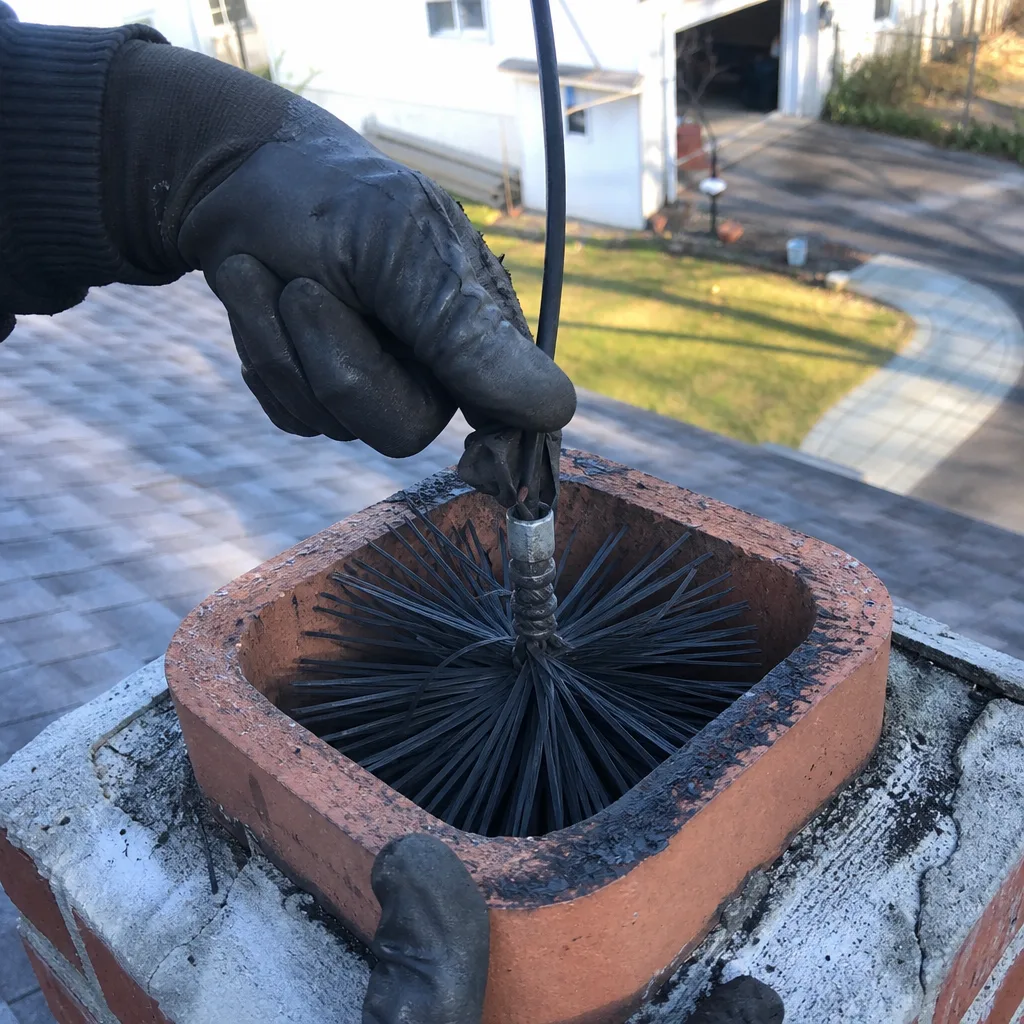
Here is the part most DIY-versus-professional guides skip: the decision is not really about cleanliness. It is about what the cleaning proves.
A homeowner who sweeps their own chimney has a clean chimney, or at least a brushed chimney. But they have no record of what the flue looked like before the brush went down it, no classification of the deposits removed, and no inspection of the liner behind those deposits. In three situations, that gap costs money.
Insurance claims. If a chimney fire occurs, the insurance company asks two questions: when was the chimney last professionally swept, and do you have documentation? Stamford homeowners with a professional record typically have their claim processed without dispute. Homeowners without one face a slower process, a higher scrutiny level, and in some cases a denied claim on the grounds of maintenance negligence. The insurance company is not asking whether you swept it. They are asking whether you can prove it.
Resale disclosure. Connecticut property condition disclosure forms ask specifically about chimney condition and known defects. A homeowner who has professional records can answer accurately. A homeowner who has only DIY sweeps is answering from incomplete information, because they have never seen the middle of their own flue. The buyer’s inspector will look, and the seller learns about defects at the worst possible moment: after the inspection report has already influenced the price.
Post-fire investigation. If a fire does occur, the investigation distinguishes between a maintained chimney and an unmaintained one based on documented sweep history. Stamford’s fire officials and insurance adjusters look for professional records. The DIY homeowner has a story, not a record.
Our camera documentation practice, continuous since 2009, became Clause 4 of the Haven Standard for exactly this reason: a photo record on every job changes what a homeowner can prove. That record is not an optional add-on. It comes with every Chimney Repair in Stamford visit, every sweep, and every inspection, and the homeowner keeps it.
Three Scenarios Where DIY Is the Right Call
DIY has a legitimate place in Stamford chimney care. Here are the three specific situations where doing it yourself is the right decision, not a compromise:
1. You had a professional inspection within the last 18 months and the report was clean
If a camera inspection found Stage 1 creosote, solid mortar joints, an intact liner, and no structural concerns, then brushing the firebox and lower flue yourself between professional visits maintains the system. You are not replacing the professional service; you are extending its interval. The key phrase is “clean report.” Without that, DIY is guesswork.
2. You burn occasionally - fewer than 20 fires per season - and see nothing but loose soot
A Stamford household that lights the fireplace for holidays and a few cold January nights accumulates far less creosote than a household that burns every week. If the firebox shows powdery gray-black soot, the damper moves freely, and smoke draws well, a basic firebox brushing and damper cleaning between professional visits is reasonable. But “reasonable” is not infinite: even occasional burners need a professional camera inspection every two years, because birds, water, and shifting masonry do not respect your burn schedule.
3. You need to clear cap debris mid-season and you are comfortable on the roof
After a March windstorm deposits a maple branch against your chimney cap, going up to remove visible debris is smart. You are solving a visible problem. What you are not doing is conducting an inspection, and you should not mistake the two. This is maintenance, not evaluation.
Three Scenarios Where DIY Creates Liability
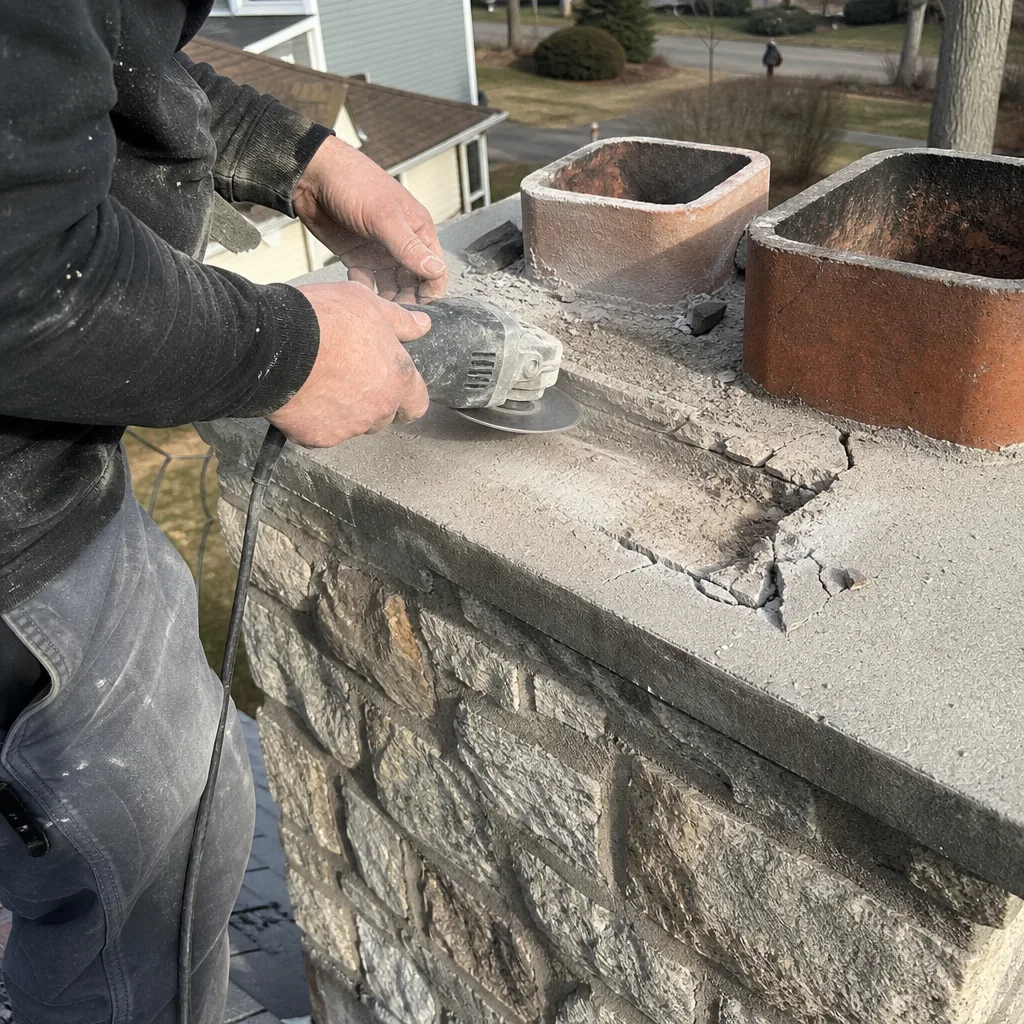
These are the situations where a homeowner’s DIY instinct creates risk, not because you lack skill but because you lack information:
1. The black coating on your flue is shiny or hard
Shiny or hard creosote is Stage 2 or Stage 3. Brushing it with a DIY kit polishes the tar and leaves the fuel in place. You will think you solved the problem. You will have made the surface slightly smoother while leaving a hotter-burning deposit behind. In our experience at Level Two Chimney Stamford, this is the single most common mistake we see in homes where a previous owner self-swept: a polished Stage 3 deposit that requires chemical treatment or liner replacement because years of ineffective brushing baked it in place.
2. You are buying or selling the home
During a real estate transaction, documentation is the product. A seller with professional records passes the chimney inspection smoothly. A seller with DIY history creates an inspection contingency the buyer’s agent will use to negotiate. On the buying side, a Stamford home that has been self-swept for 15 years means you are inheriting an unknown flue condition. Read our How to Hire a Chimney Cleaning Contractor in Stamford: A Step-by-Step Guide to vet professionals before you buy. The $189-$389 professional inspection cost is trivial compared to a $4,000-$8,000 liner replacement discovered after closing.
3. The chimney has not been professionally inspected in more than three years
Three years of New England weather, burning, and animal activity changes a chimney in ways no homeowner can see from the firebox. Squirrels nest in caps. Water seeps through hairline crown cracks. A clay tile liner shifts a quarter inch. None of this is visible without a camera. If your chimney has not been camera-inspected in three or more seasons, DIY is not maintenance. It is denial with a brush.
Using DIY Between Professional Inspections to Lower Long-Term Costs
The smartest Stamford homeowners do not choose between DIY and professional service. They use both, in the right sequence.
The structure that works: schedule a professional camera inspection and sweep. Get the documented record, the creosote classification, and the liner assessment. Then, if the report is clean, handle the firebox brushing, damper cleaning, and cap debris removal yourself through the season. When the next professional visit comes around in 18-24 months, the flue deposits will be lighter because you removed the accessible soot regularly, and the inspection will go faster.
This approach does not extend the professional interval beyond safe limits. It makes the professional visit more efficient, because the chimney arrives with loose soot already managed. You are not paying a professional to remove what you could have brushed away yourself; you are paying a professional to see what you cannot see.
The economics in Stamford: a professional sweep with camera inspection averages $189-$389 depending on flue size, deposit stage, and whether the service includes a new cap or minor repairs. A DIY firebox maintenance session costs about $20 in materials and 30-45 minutes. Over a five-year cycle, the hybrid approach saves you one or two professional visits while maintaining full documentation continuity for insurance and resale.
What a Professional Clean Actually Costs in Stamford
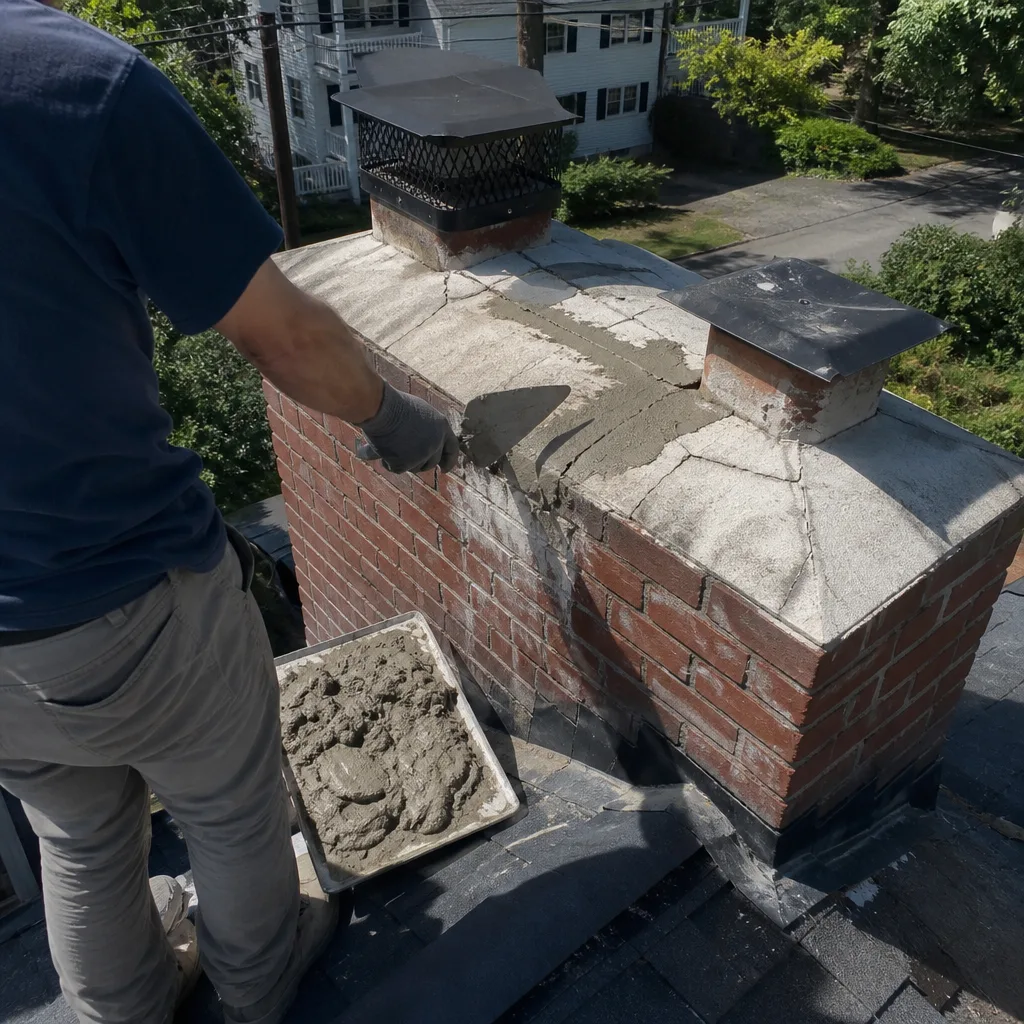
Stamford chimney sweep pricing is not secret, and any company worth calling will quote it in writing before work starts. Here are the realistic ranges for standard service in this market:
- Standard sweep with camera inspection (NFPA 211 Level 2): $189-$289 for a single-flue wood-burning fireplace. Includes creosote classification, flue condition assessment, and documented photo record.
- Sweep with Stage 2 creosote treatment (rotary whip): $289-$389. Required when deposits are shiny or hardened.
- Sweep with cap replacement: $289-$449 depending on cap size and material. Galvanized caps sit at the lower end; stainless or copper caps at the higher end.
- Free Second Opinion: $0. Bring a competitor’s written estimate and we review it at no charge.
- Written quote before any work starts: $0. Always. Clause 1 of the Haven Standard requires a written price, written scope, and written warranty before anyone begins.
Materials matter in Stamford’s coastal climate. We source from DuraFlex, HeatShield, and Copperfield through Haven’s buying network, which keeps customer prices honest and ensures the materials we install hold up to salt air and freeze-thaw cycling. A cheap galvanized cap from a big-box store lasts three to five years in a Shippan or Cove Point home; a Copperfield stainless cap lasts decades.
For Fireplace Services in Stamford beyond sweeping, like damper repair, firebox rebuild, or smoke chamber parging, the written-quote rule still applies. No Stamford homeowner should accept a verbal estimate on chimney work. The price should be on paper before the tool comes off the truck.
Common Mistakes to Avoid
- Treating a DIY brush as equivalent to an inspection. A clean firebox is not an inspected flue. You have cleaned what you can see; you have learned nothing about what you cannot see. A camera inspection is the only way to identify cracked tile liners or failing mortar in the middle of the flue, and Stamford’s freeze-thaw winters are actively working on that mortar every season.
- Brushing Stage 2 or Stage 3 creosote. If the deposit is shiny, crunchy, or tar-like, a wire brush polishes it instead of removing it. You will feel accomplished and leave a fire hazard in place. Only rotary tools or chemical treatment address Stage 2 and Stage 3.
- Using a round brush on a rectangular flue. Many older Stamford chimneys in Glenbrook and Springdale have rectangular clay tile liners. A round brush leaves the corners untouched, which is exactly where creosote accumulates. Know your flue shape before buying a kit.
- Skipping the cap check because the fire draws fine. A chimney can draw well with a partially blocked cap, right up until the wind shifts. Animal nesting and leaf dams that start in the cap work downward. Checking the cap from the roof costs nothing and catches the problem before it becomes a smoke backup in your living room.
- Assuming insurance will cover a chimney fire without professional records. Stamford homeowners without documented professional sweep history face a slower, more adversarial claims process. The insurance company’s adjuster is not asking whether the chimney was clean. They are asking whether you can prove maintenance happened.
- Self-installing a liner or repairing a crown from a YouTube video. This is not DIY. A liner installation requires sizing, termination, and connection details that determine whether the system vents carbon monoxide or leaks it into the house. Crown repair involves mortar chemistry that holds or fails against freeze-thaw. Both are professional work, and the cost of doing it wrong exceeds the cost of hiring from the start.
- Waiting to address a known problem because the season is ending. Spring and summer are when Stamford chimney professionals have open schedules. By October, the wait times stretch. If your camera inspection in March found Stage 2 creosote or crown cracks, scheduling the repair in April beats paying emergency prices in November.
When to Call a Professional
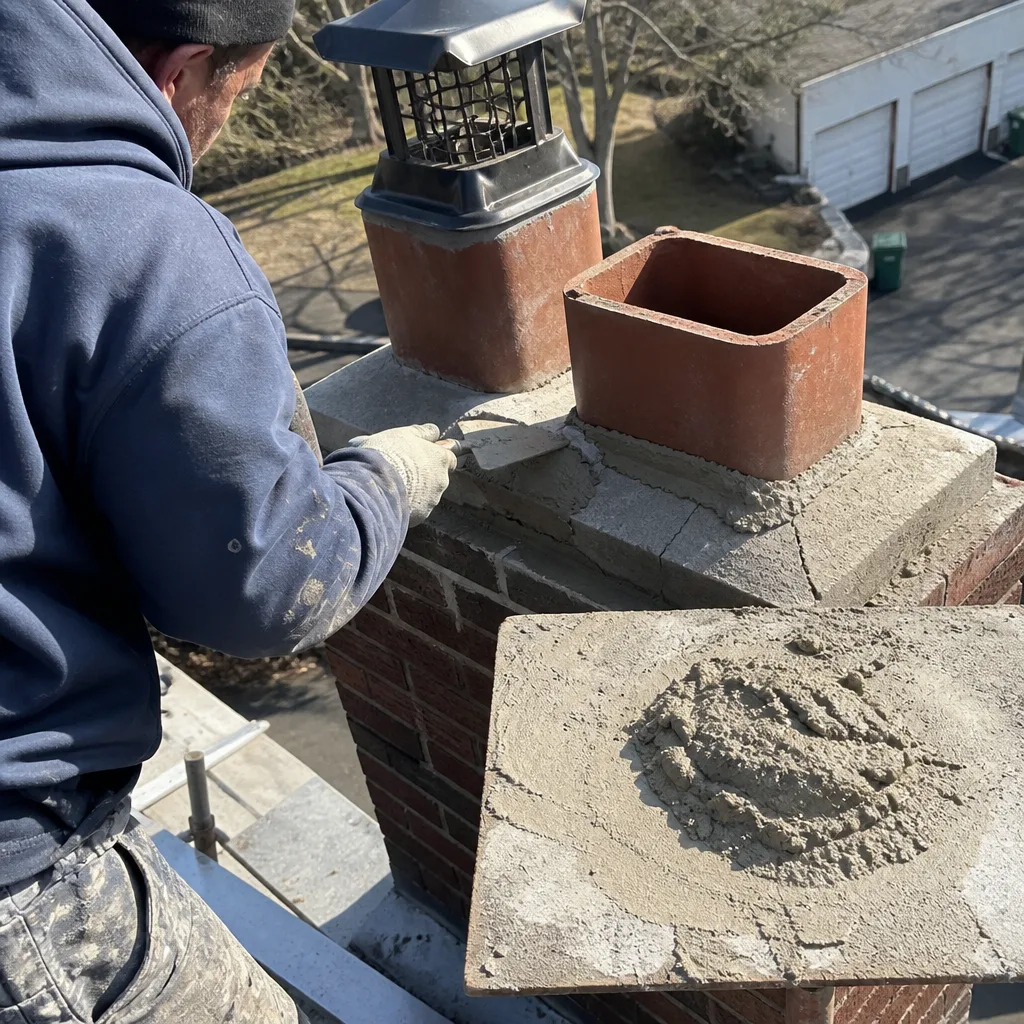
Call a professional when deposits are shiny or hardened, when the chimney has not been camera-inspected in three or more years, when you are buying or selling the home, when you smell smoke in the house after a fire, when water stains appear on the ceiling around the chimney chase, or when the fireplace has not been used in multiple seasons and you have no idea what has moved in. These are not maintenance scenarios. They are assessment scenarios, and the only tool that provides the assessment is a camera pushed through the flue with a trained eye behind it. Level Two Chimney Stamford offers free estimates in Stamford, with a written price, written scope, and written warranty delivered before work begins. Call (914) 537-8463.
Frequently Asked Questions
A standard chimney sweep with camera inspection in Stamford runs $189-$289 for a single-flue wood-burning fireplace, with the price varying by deposit stage, flue size, and cap condition. Heavier Stage 2 creosote requiring rotary treatment raises the range to $289-$389. Every Level Two Chimney Stamford job includes a written price before work starts, a documented photo record, and the 365-Day Done Right Promise. Call (914) 537-8463 for a free estimate with the exact price in writing.
Not necessarily. The NFPA 211 standard, which is the guideline most professionals follow, recommends an annual inspection, but the sweep interval depends on how much you burn and what camera inspection reveals. A Stamford household burning three nights a week through the Connecticut winter usually needs a sweep annually. A household with fewer than 20 fires per season and a clean camera report can often extend to 18-24 months with basic firebox maintenance in between. The camera determines the real answer, not a calendar.
Yes, for the firebox, damper, smoke shelf, and cap debris removal, assuming deposits are powdery and the flue has been professionally camera-inspected with a clean result. No, for anything involving shiny or hardened creosote, a flue you cannot see from the roof or firebox, or a chimney that has not been professionally inspected in years. The safety line is not your willingness to climb a ladder; it is your ability to classify what you are looking at.
Creosote accumulates, hardens, and becomes fuel. A chimney fire is the most immediate risk: Stage 3 creosote ignites and burns at temperatures that crack clay tile liners, which then allows heat and embers to reach combustibles. Less dramatically, skipped maintenance leads to water damage through crown cracks, animal blockages, and eventually liner replacement at $4,000-$8,000 or more. The $189 sweep is the cheapest insurance a chimney owner can buy.
Insurance companies do not categorically deny claims for DIY-maintained chimneys, but the absence of professional documentation shifts the burden of proof onto the homeowner. The adjuster asks when the chimney was last professionally swept and asks for the record. A DIY homeowner has no record, only a statement. That statement may be true, but it carries no weight in the claims process. Professional documentation, including the photo record we provide, answers the question before it is asked.
Since 2009, every visit includes camera-scan inspection with a documented photo record, a written price and written scope before work begins, and technicians who are background-checked and uniformed. The camera documentation practice became Clause 4 of the Haven Standard, and materials are sourced from DuraFlex, HeatShield, and Copperfield through Haven’s buying network to keep prices honest. A Free Second Opinion on any written competitor estimate is always available. Call (914) 537-8463.
The Bottom Line
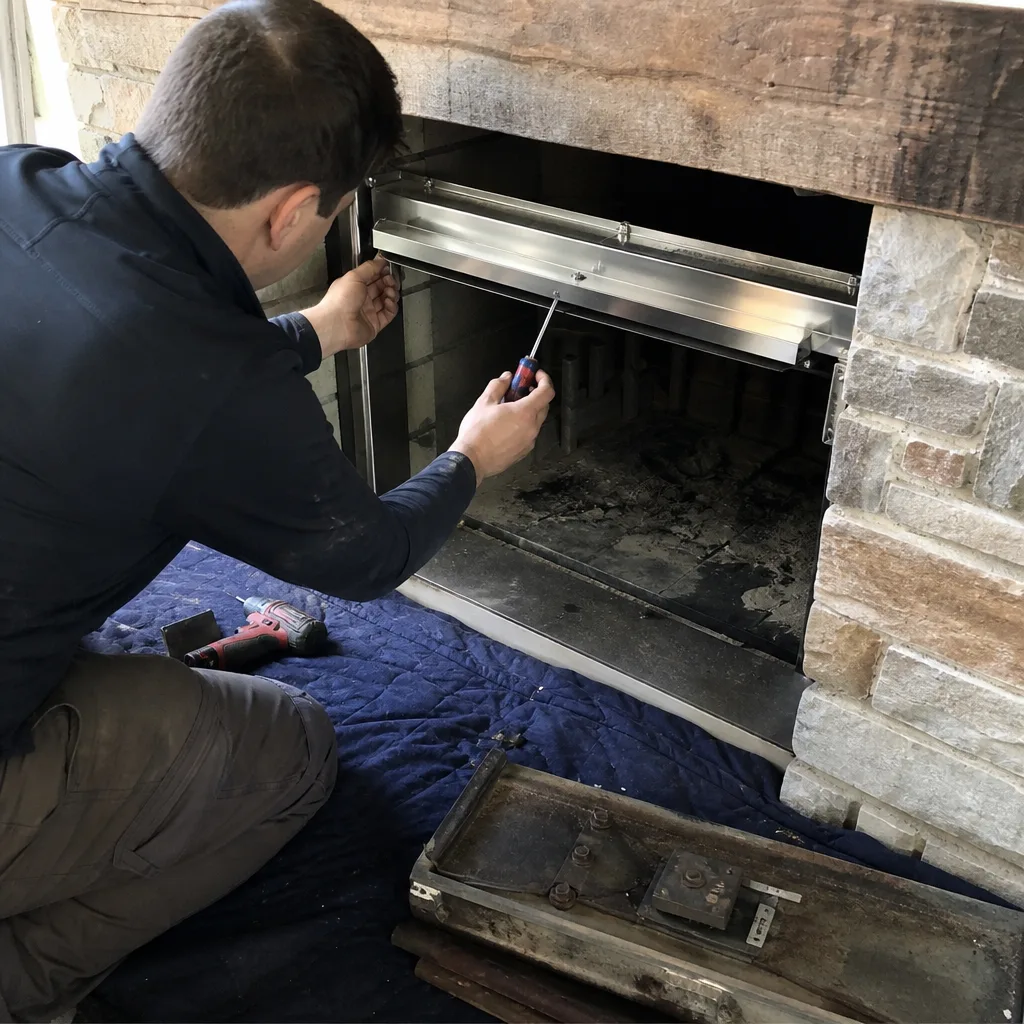
DIY chimney cleaning in Stamford works as maintenance between professional camera inspections, not as a replacement for them. You can brush the firebox, clean the damper, and clear cap debris. You cannot classify creosote stage, inspect the liner, or produce documentation that satisfies an insurance adjuster or a home inspector. The smartest approach is a hybrid one: professional camera inspection on a schedule your burn rate dictates, DIY surface maintenance between visits, and written documentation on file. The question is not whether you can clean your own chimney. It is whether you need the cleaning to prove something, and for most Stamford homeowners, the answer is yes. Call (914) 537-8463 for a free estimate with the price in writing before work starts.
Written by Corrine Halstead, Owner at Level Two Chimney Stamford, serving Stamford since 2009.