
Last updated September 20, 2026
Level 1 sweep and inspection to the NFPA 211 annual standard - flue, crown, cap, and flashing checked and photographed
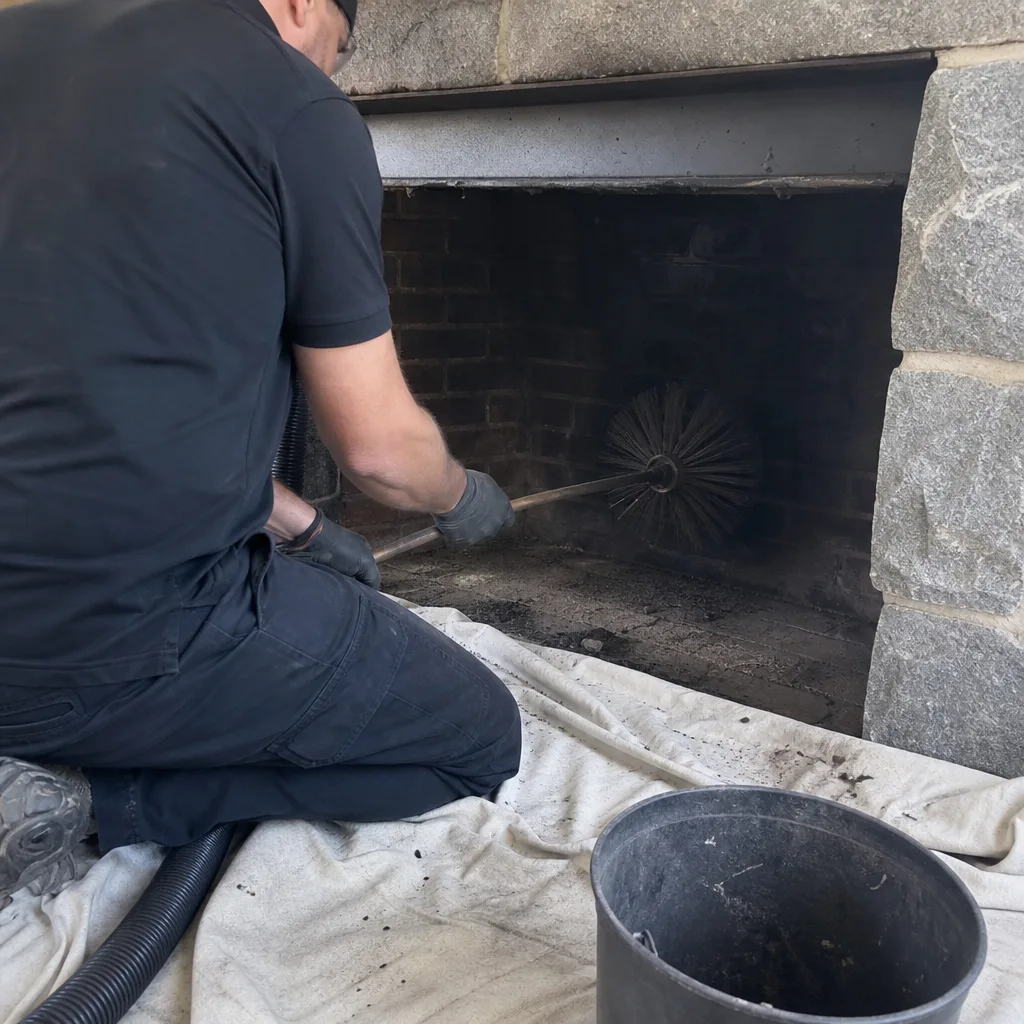
Chimney sweep logs do not sweep chimneys. They loosen some creosote - which then falls where a brush and vacuum still have to collect it.
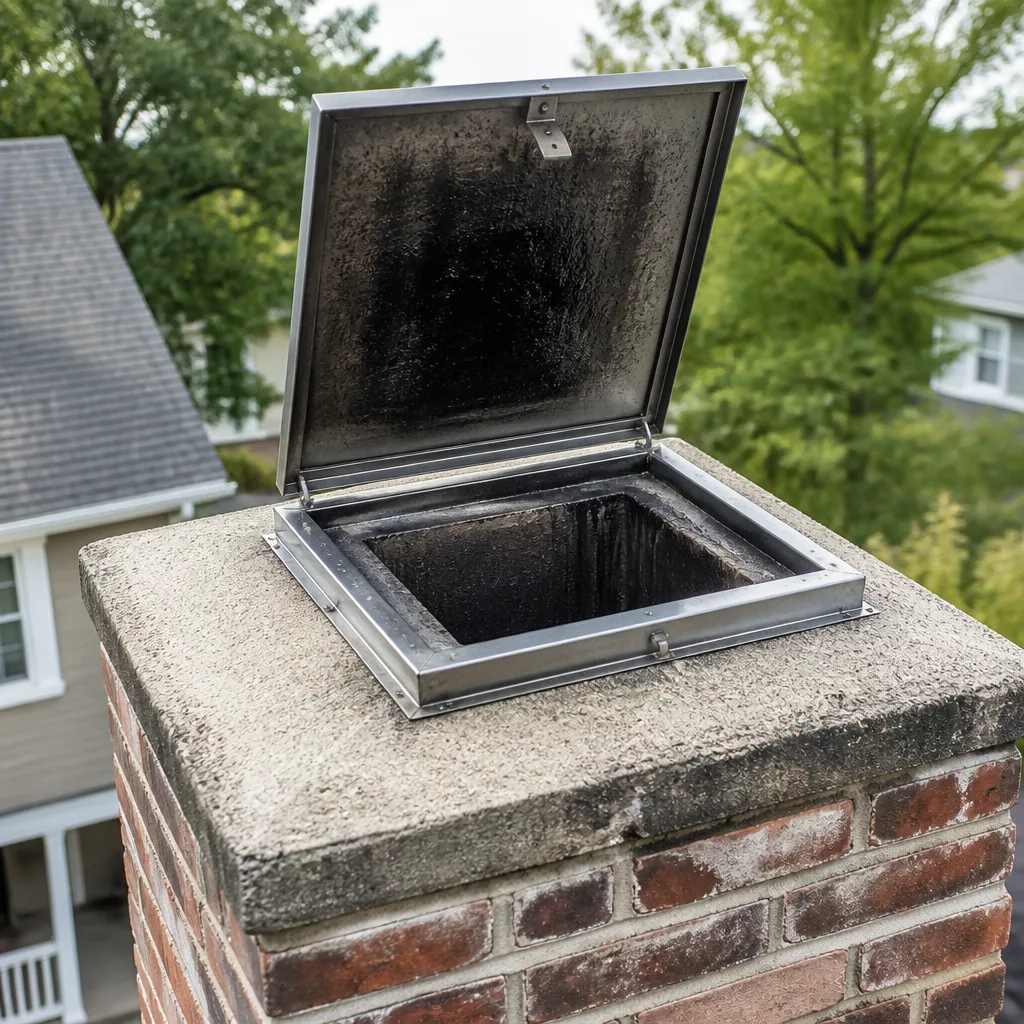
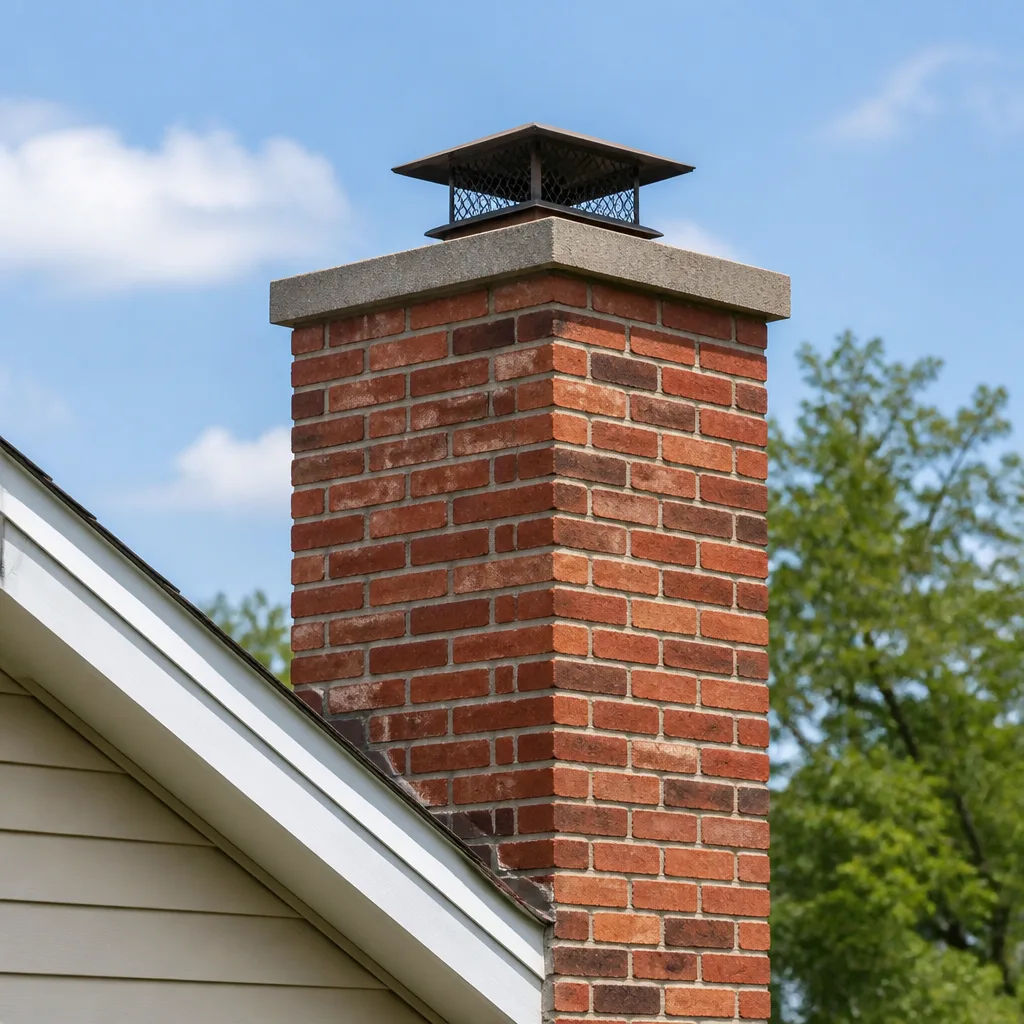
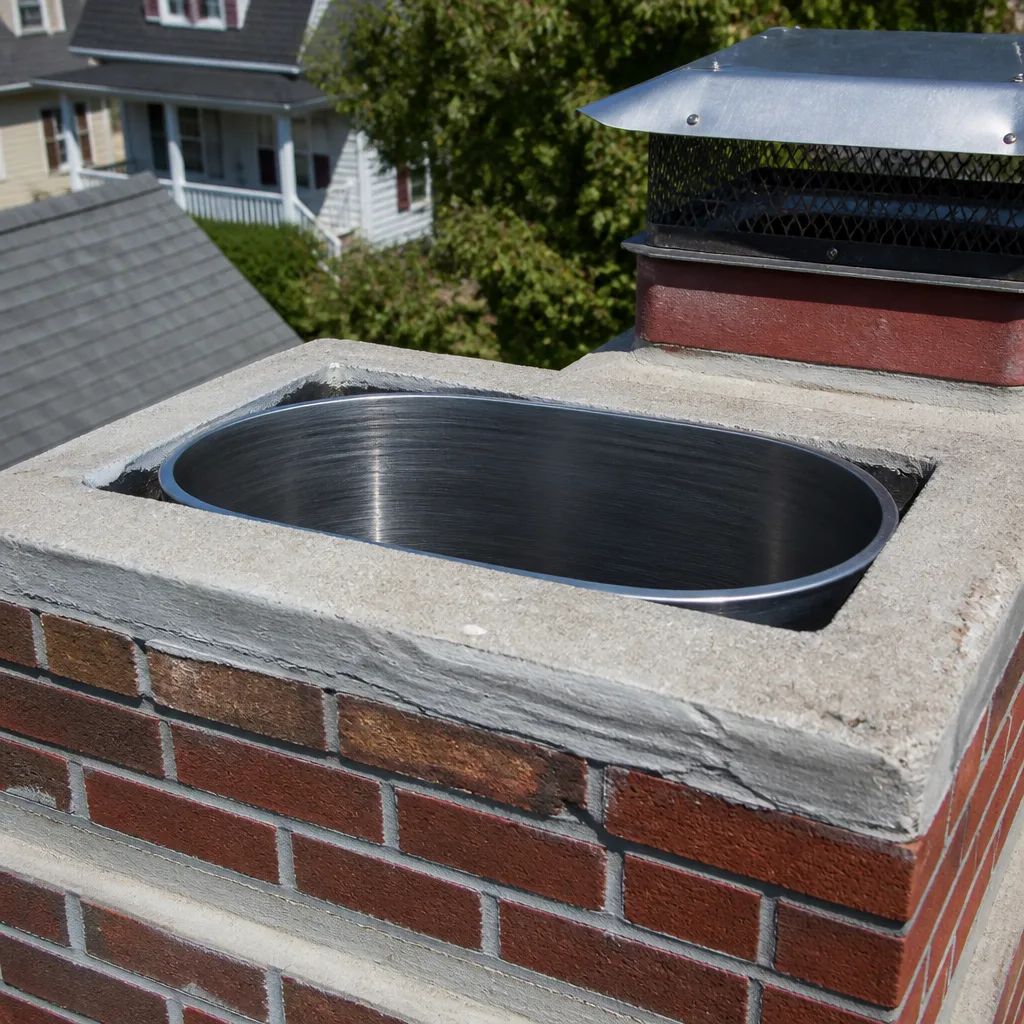
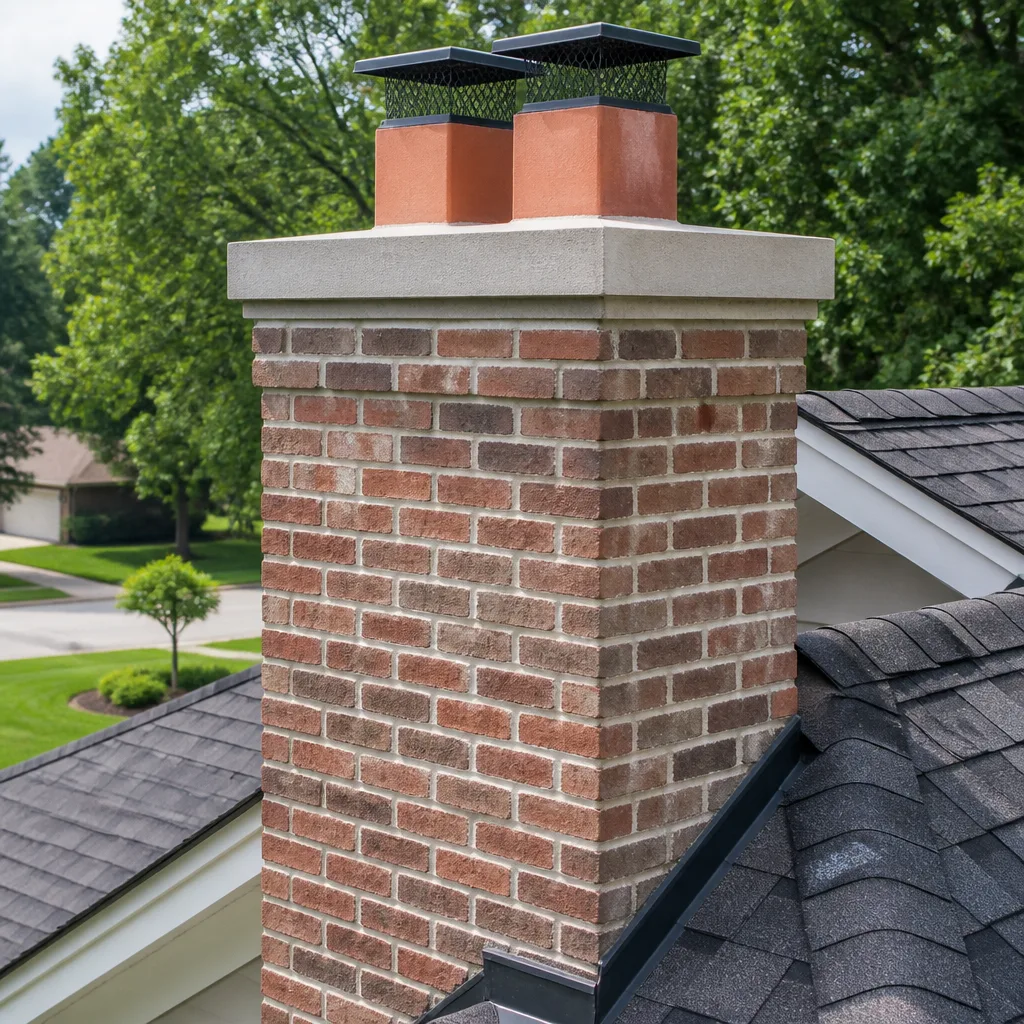
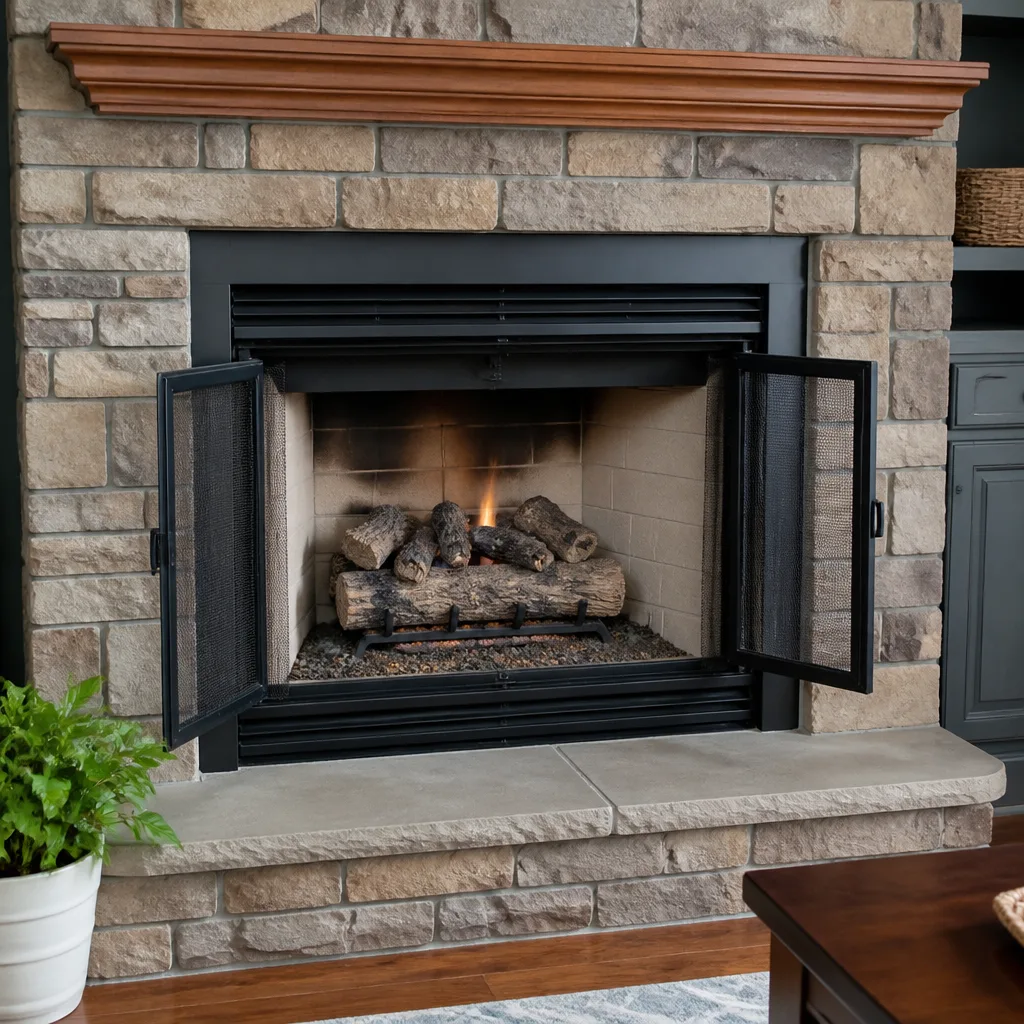
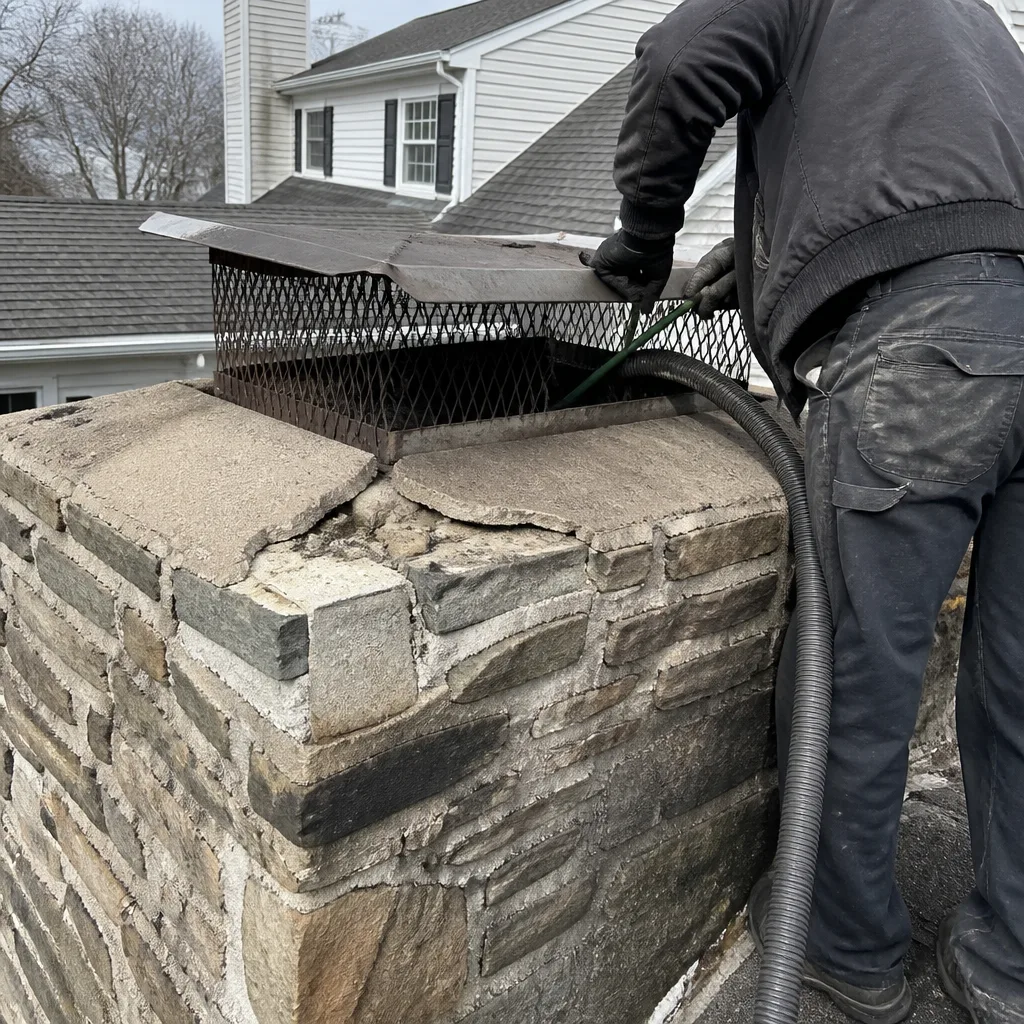 Before
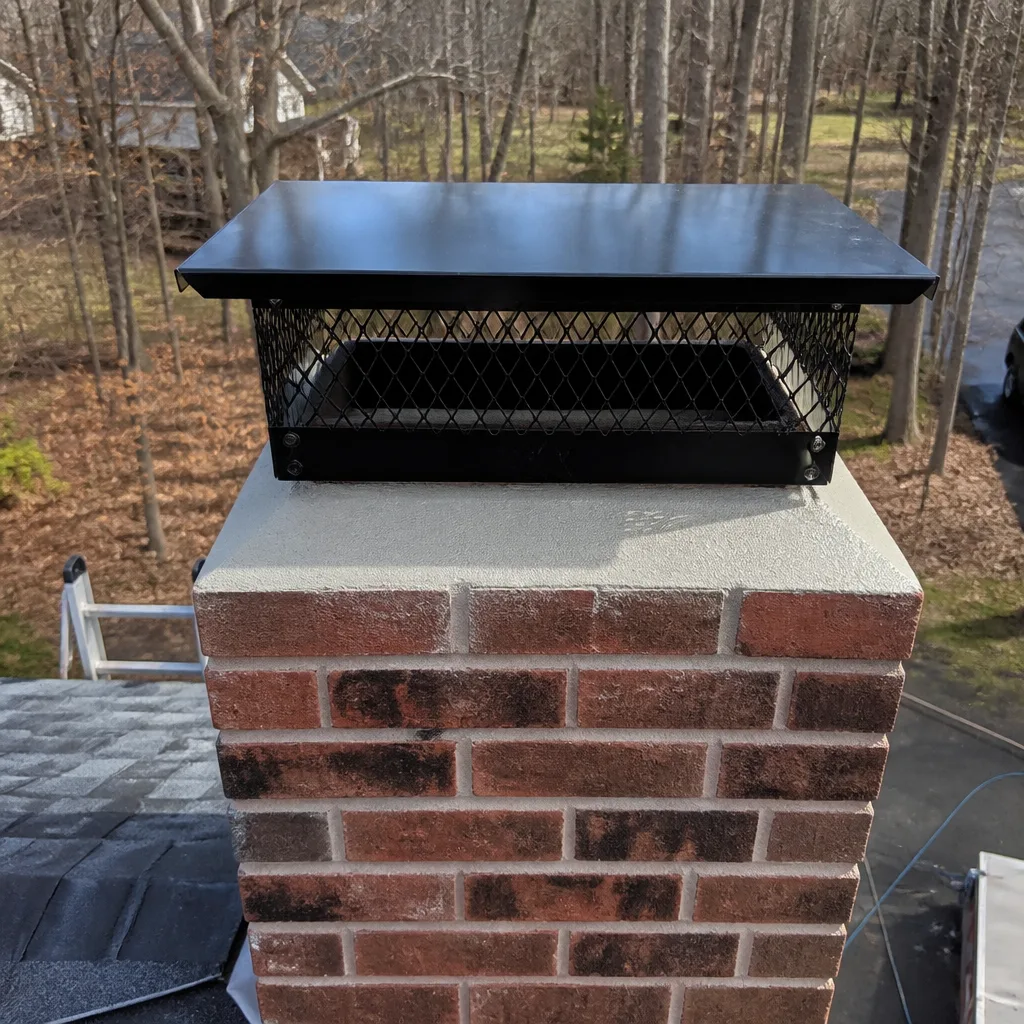 After
After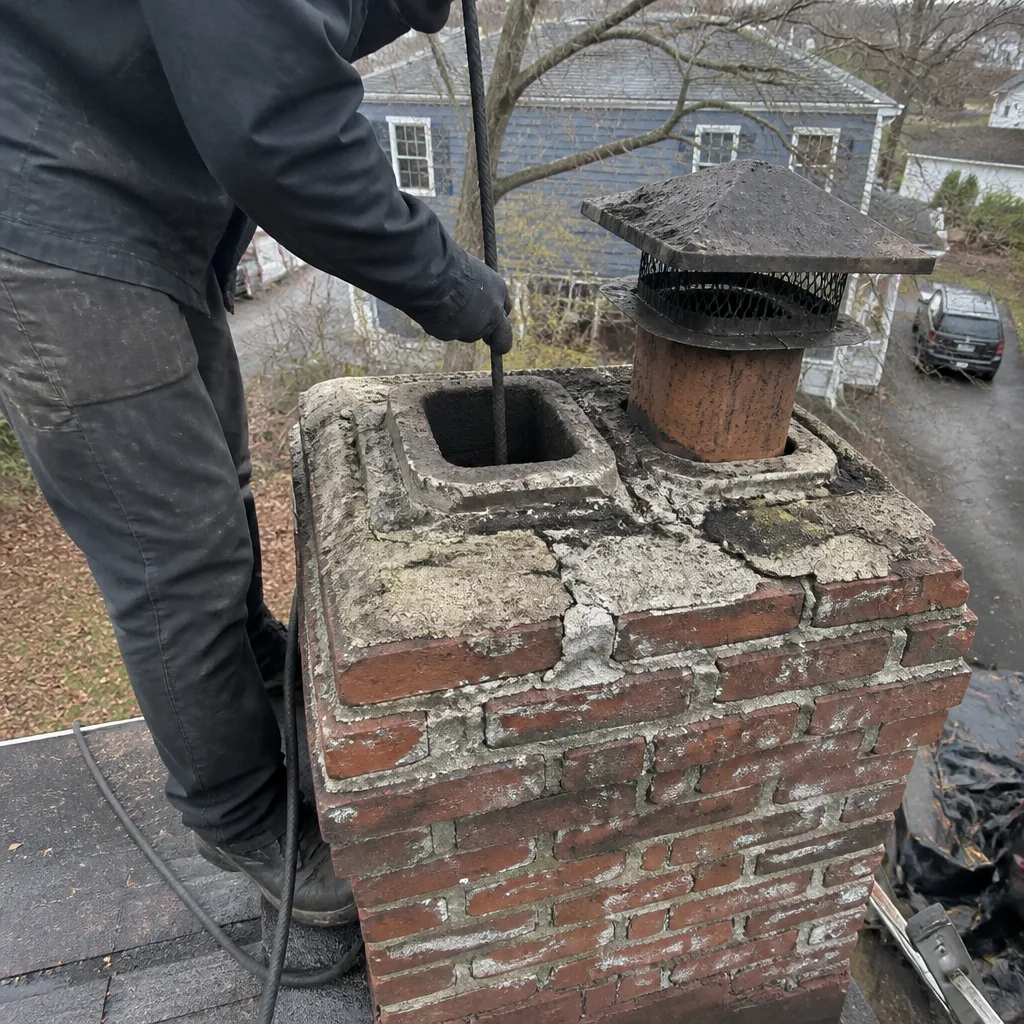 Before
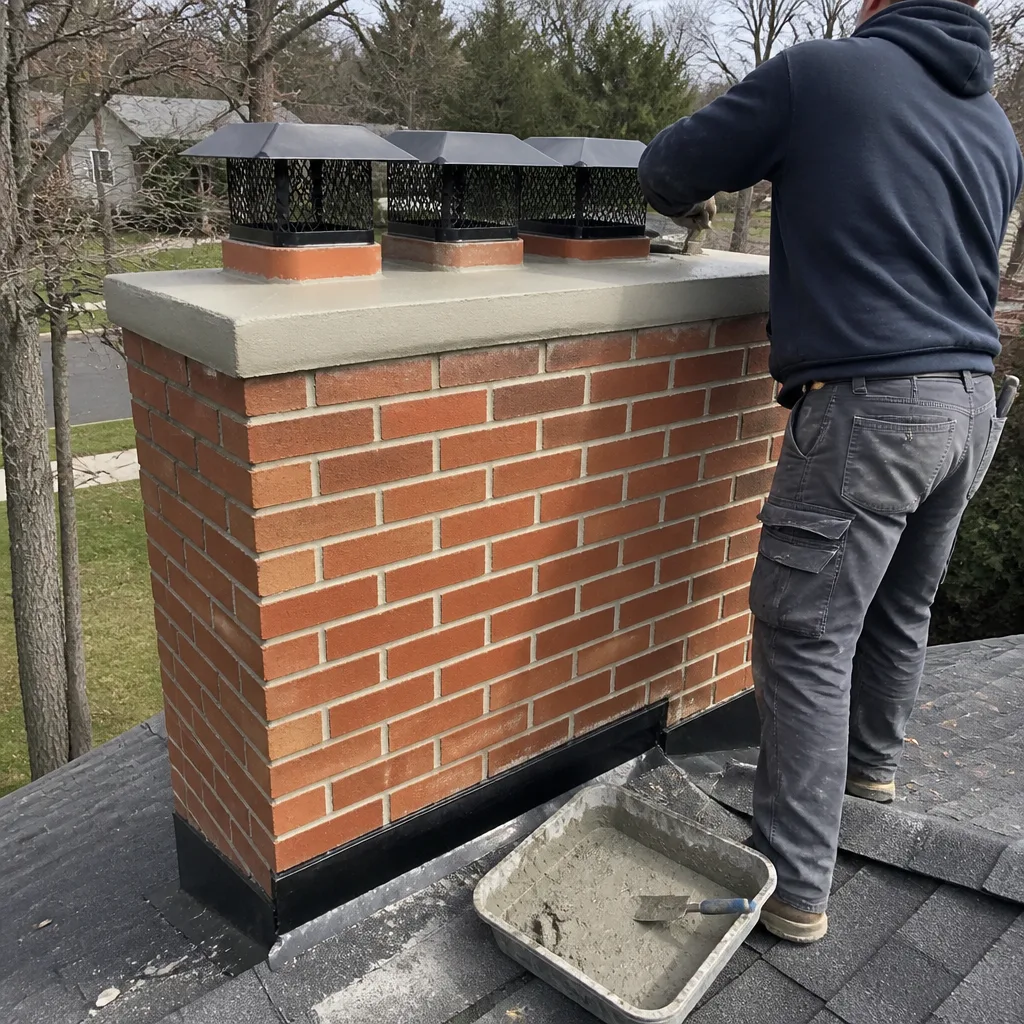 After
After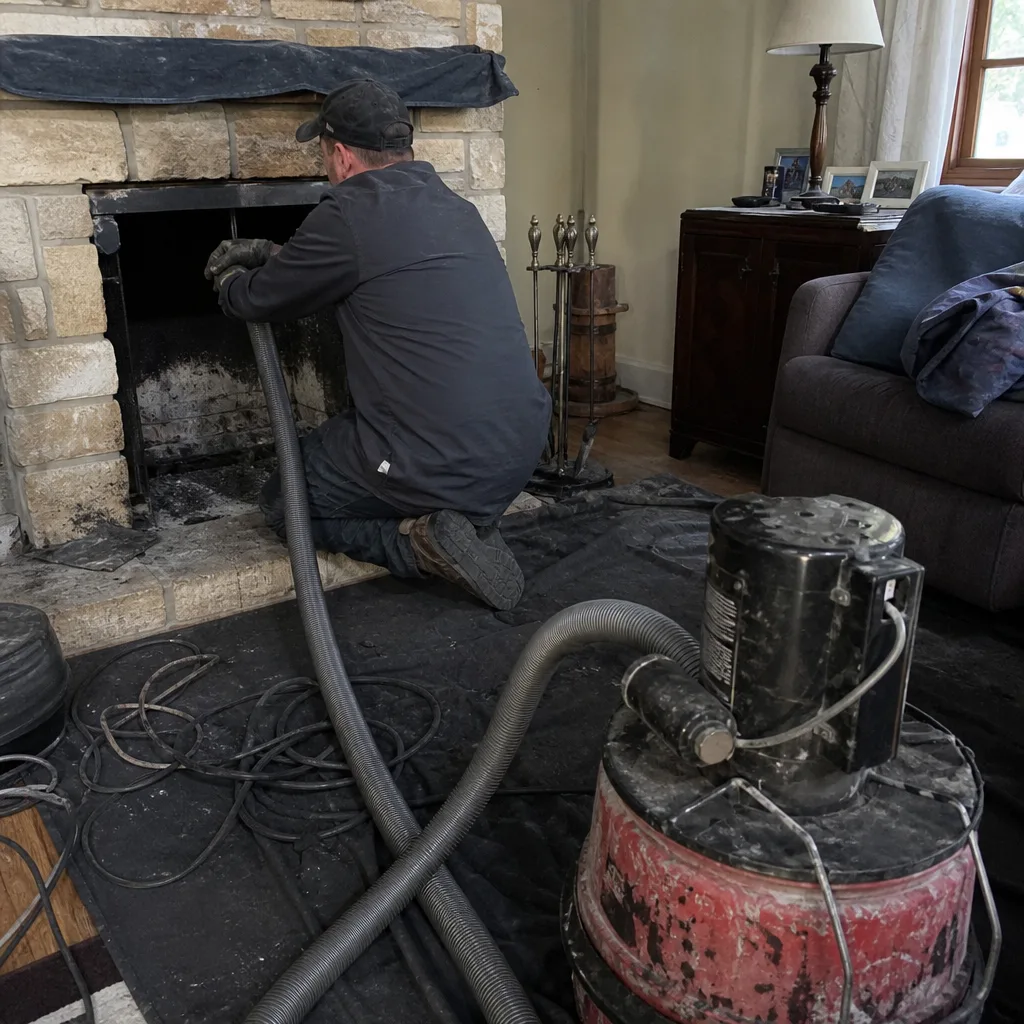 Before
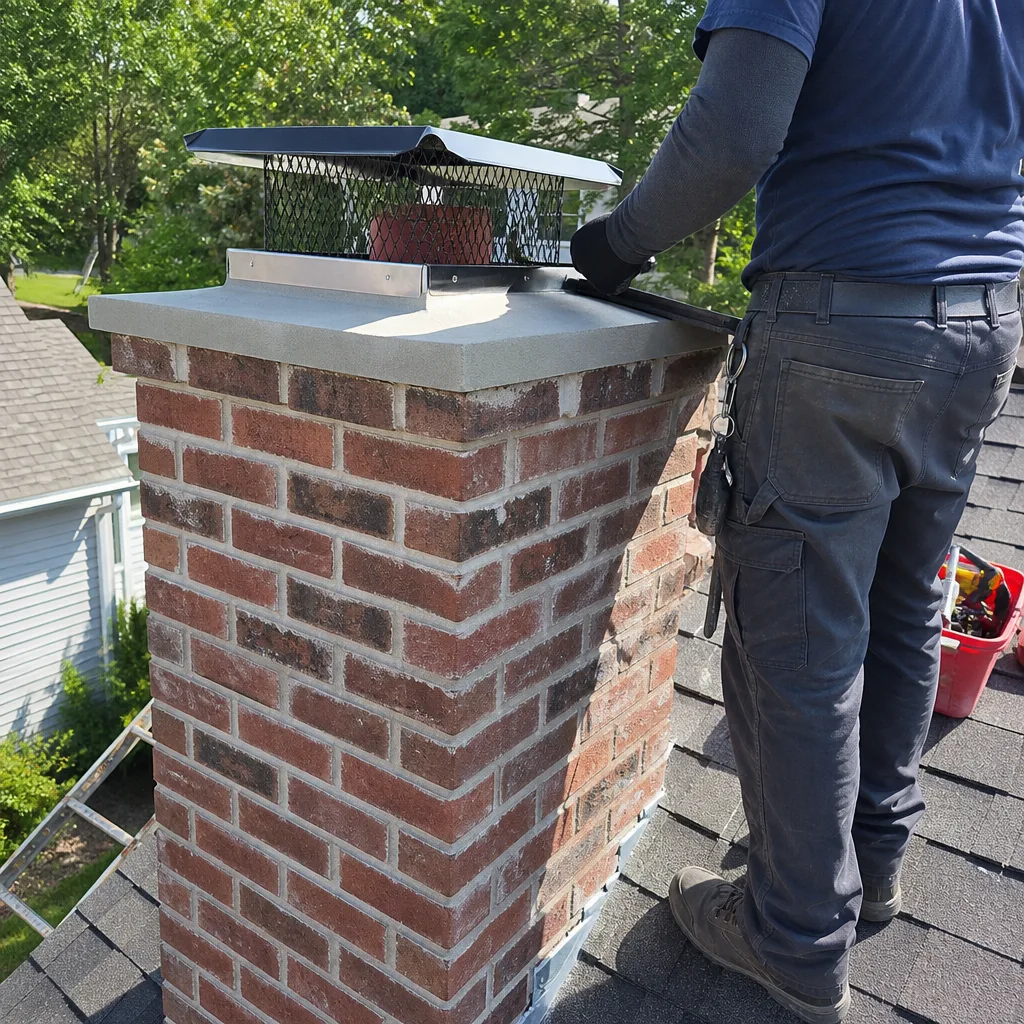 After
AfterChimney Cleaning Permits, Codes & Inspections in CT: What You Need to Know
A liner relining in Connecticut requires a building permit and a final inspection. If your sweep finds a cracked liner and repairs it without pulling one, the next buyer’s home inspector will flag it, and your closing could collapse over a few hundred dollars in permit fees. That’s the central tension of chimney work in Stamford: the cleaning itself is deregulated, but the repairs it reveals are not. By the time most homeowners learn this, someone has already done unpermitted work inside their flue. This guide explains exactly where Connecticut draws the line between maintenance and construction, which code sections actually bind you, and how to verify any chimney work done on a house before you buy it.
Quick Answer
Chimney cleaning does not require a permit anywhere in Connecticut, but almost every structural repair does, including liner relining, flue rebuilding, and crown replacement. The governing standard is NFPA 211 (adopted into the Connecticut State Building Code), and Stamford enforces it through the Building Department’s permit portal. If you’re buying a home in Stamford, you can pull every permit ever issued for that address online in about five minutes.
Table of Contents
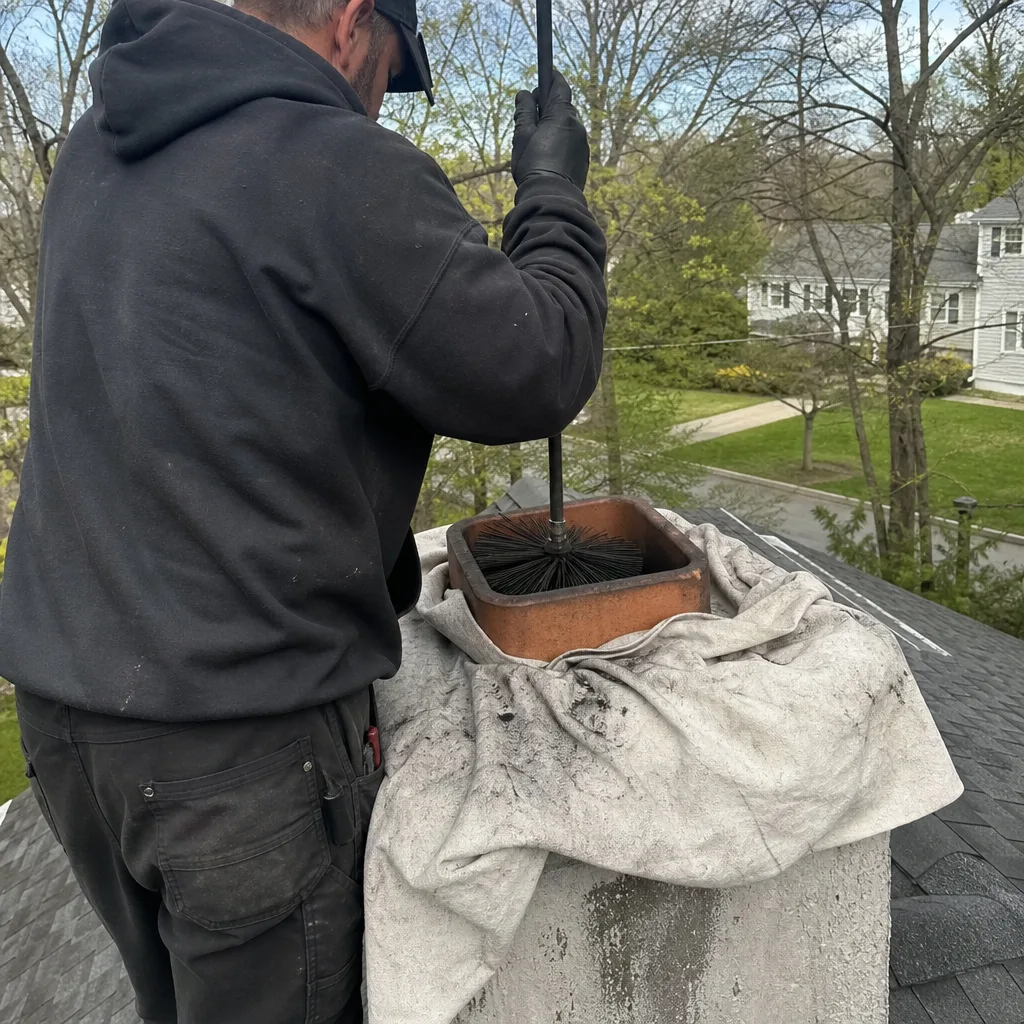
- What Connecticut Code Actually Says About Chimneys
- How NFPA 211 Relates to Connecticut Code
- Which Repairs Trigger a Permit in Stamford
- What Falls Under Maintenance: The Exemptions
- What Insurers Require vs. What Code Requires
- How to Verify Permits on a Home You’re Buying
- What a Code-Compliant Cleaning Actually Includes
BeforeAfterWhat Connecticut Code Actually Says About Chimneys
Connecticut uses the International Residential Code (IRC) as its base residential code, amended by the Connecticut State Building Code. The chimney provisions live in Chapter 10 of the IRC, which covers chimneys and fireplaces from footing to crown. The General Statutes of Connecticut then incorporate these provisions by reference, which means language that reads like national model code is enforceable state law. When a Stamford building official cites you for a chimney violation, the citation references the IRC section number, not an opinion.
What surprises most Stamford homeowners is how much of the code concerns clearance, not structure. IRC Section R1003 outlines masonry fireplace construction, including the 2-inch minimum clearance from combustible framing to the exterior of a masonry chimney, and Section R1001 specifies footing depth below frost line: 12 inches minimum for a one-story structure. In Fairfield County, where soil freezes deep, that depth matters. A chimney that settled because its footing sits above frost line fails not from age but from code noncompliance at installation.
For factory-built fireplaces and prefabricated chimneys, Section R1004 covers the listing requirements: the unit must be tested to UL 127 or UL 103 standards and installed per manufacturer’s instructions, which carry code weight. If a prefab chimney in Stamford is installed with clearance less than the listing specifies, that is a code violation, even if the unit itself functions. The code also mandates that a fireplace have a hearth extension of at least 16 inches from the opening for a firebox under 6 square feet, and 20 inches for larger units. These measurements get checked during final inspection.
The practical takeaway for a Stamford homeowner is not that you need to memorize Chapter 10. It’s that chimney compliance is documented. A code-compliant chimney has a paper trail: permits, inspection records, product listings. A chimney without that trail is just masonry that hasn’t been checked. Which is why Level Two Chimney Stamford home keeps a documented photo record on every job we perform.
How NFPA 211 Relates to Connecticut Code
NFPA 211 is the National Fire Protection Association standard for chimneys, fireplaces, vents, and solid fuel-burning appliances. It is not a law on its own. It becomes legally binding only when a code or ordinance adopts it. Connecticut does exactly that: the Connecticut State Building Code incorporates NFPA 211 by reference for chimney construction, inspection, and maintenance. That incorporation means a violation of NFPA 211 provisions cited in the code is a violation of state law.
Where the two most often diverge in real-world Stamford inspections is frequency of inspection. IRC Chapter 10 does not mandate annual sweeping or a defined inspection interval. NFPA 211 Section 14.2 says chimneys, fireplaces, and vents “shall be inspected at least once a year for soundness, freedom from deposits, and correct clearances.” So the state code gives you the construction standard, and NFPA 211 gives you the maintenance schedule. Local fire marshals and building officials in Fairfield County treat NFPA 211 as the working benchmark for what a “safe” chimney is, even when they’re only issuing permits against the code sections.
There is a point where NFPA 211 is stricter than state code, and it concerns the Level 2 inspection. NFPA 211 requires a Level 2 inspection whenever a property is sold or transferred, whenever the system is changed (new appliance, new liner, altered flue), and after any chimney fire. Indiana, not Connecticut, mandates this at the transaction level by statute, but Connecticut insurers have effectively adopted it through underwriting questionnaires. In Stamford especially, where a large share of homes trade at prices that trigger thorough inspections, the transaction-inspection standard has become de facto code. We perform Chimney Cleaning & Sweep in Stamford to the NFPA 211 Level 2 standard because it’s what the market now requires.
Which Repairs Trigger a Permit in Stamford
A permit is required in Stamford whenever chimney work changes the structure, the flue path, the liner material, or the firebox dimensions. The Stamford Building Department enforces this through the Connecticut State Building Code, and the list of triggering repairs is more specific than most homeowners assume.
- A relining of any kind. Whether you pull a stainless liner through the existing flue, apply a HeatShield or Gelco ceramic-resurfacing material, or install a poured-in-place liner, the liner is a structural component governed by code. Relining always requires a permit and a final inspection.
- Any rebuilding of the smoke chamber, firebox, or flue passage. If the work involves removing and replacing firebrick, corbeling a new smoke chamber, or rebuilding any part of the flue interior, that is structural repair, not maintenance. It triggers a permit.
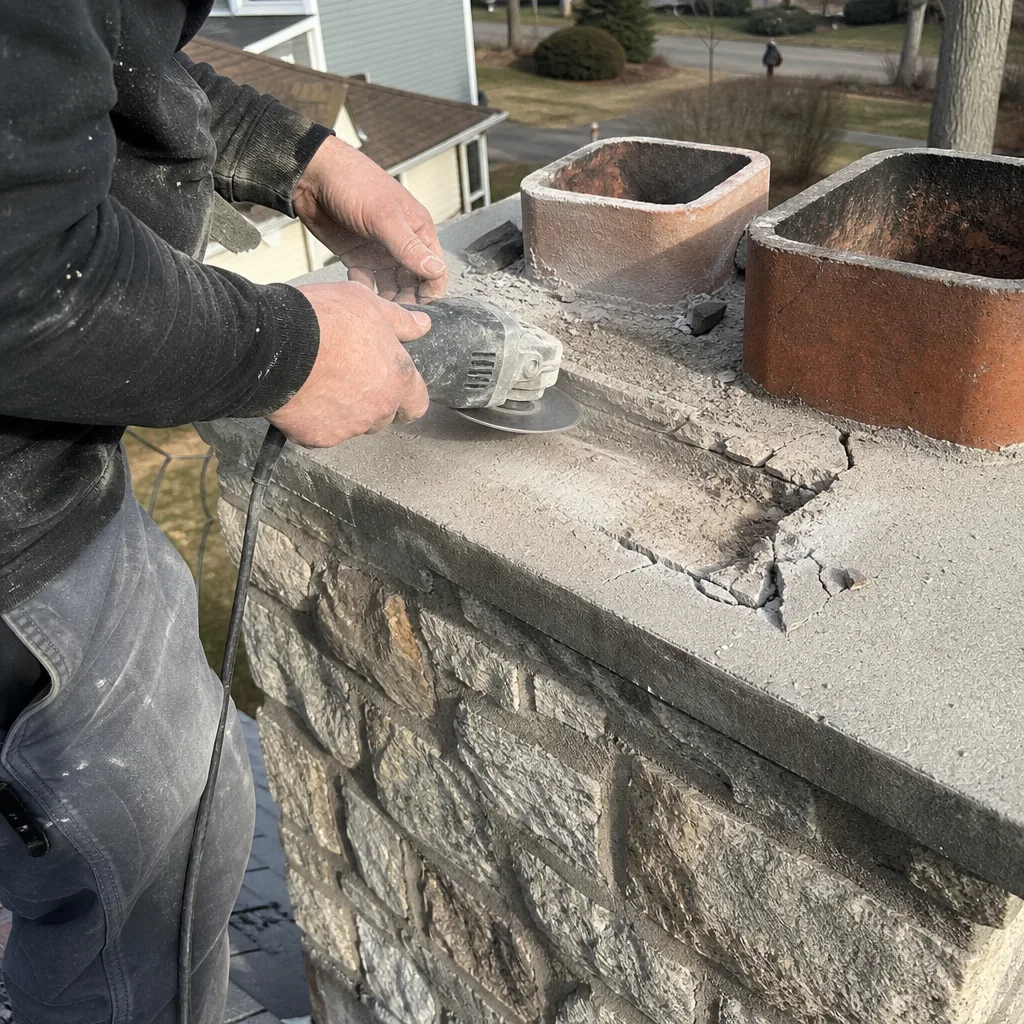
- Crown replacement or full reconstruction. A new concrete crown, especially one that changes the slope, overhang, or drip edge dimensions, is code-governed work. The crown is the chimney’s water-management surface. It gets inspected.
- Changing the vented appliance. If the chimney’s flue is being converted from fireplace-only to serving a gas appliance, or if an appliance is added to an existing flue, the venting change requires review under IRC Chapter 24 (Fuel Gas) and Chapter 10. The flue sizing, liner material, and termination height all come under inspection.
- Structural rebuilding of the chimney above the roofline. This includes partial teardown and rebuild, flashing integration changes, and brick replacement that extends into the roof structure. The local inspector checks both the masonry and the roof connection.
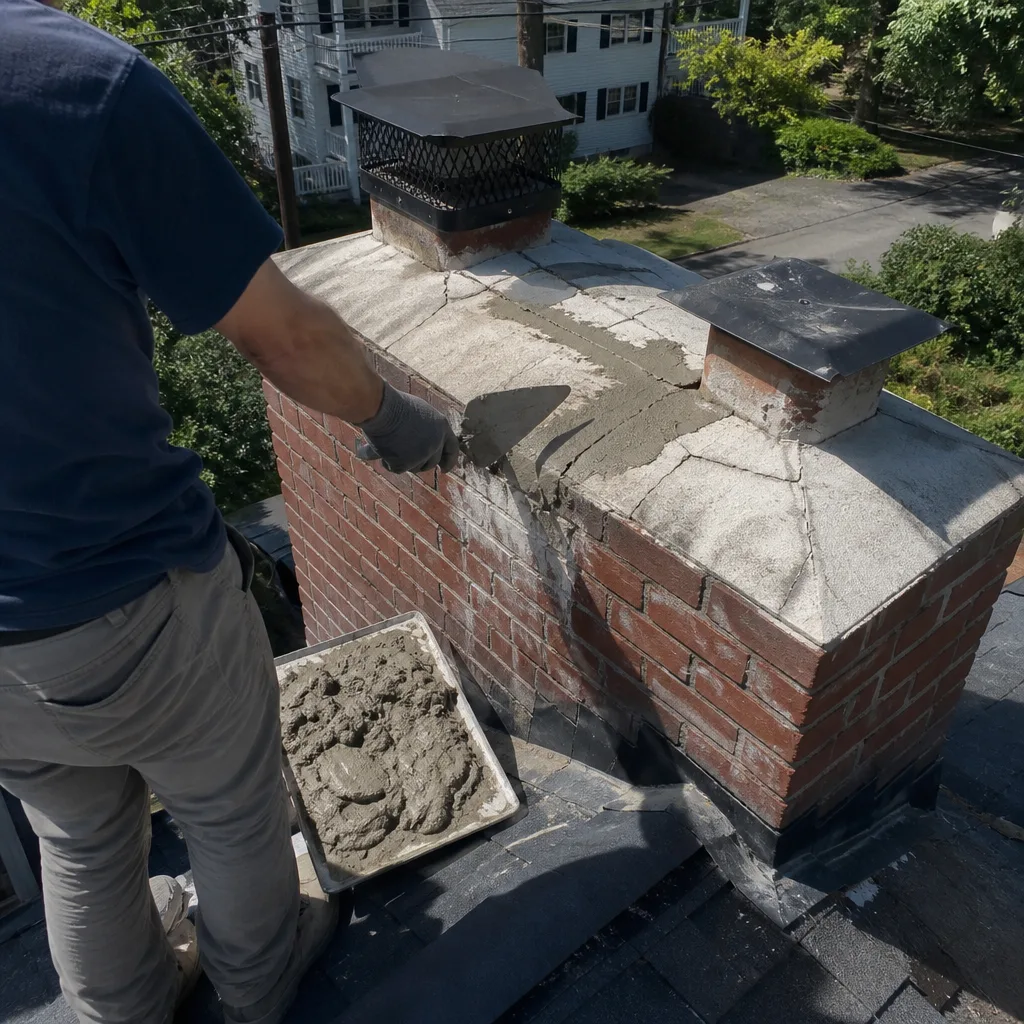
What confuses Stamford homeowners is the distinction the code draws between “repair” and “reconstruction.” The State Building Code generally exempts “ordinary repairs,” which it defines as work that does not affect the structure, egress, fire protection, or safety. A crown patch or a repointing of a few bricks is ordinary repair. The moment you remove enough masonry to change the structural integrity of the chimney, you’ve crossed into permit territory. Our team at Chimney Repair in Stamford works this boundary every day, and we pull the permit when the scope demands it, because we’re the ones visible to inspectors if it’s done wrong.
What Falls Under Maintenance: The Exemptions
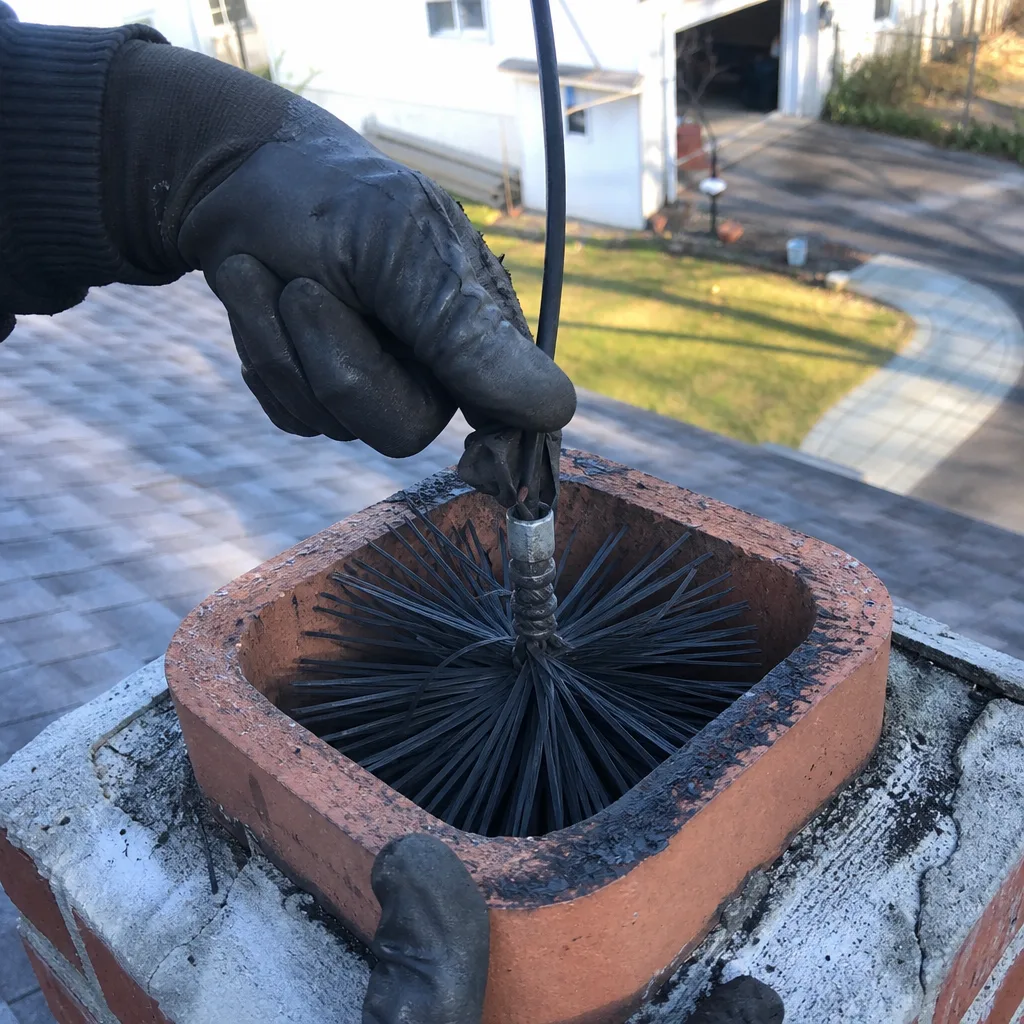
The exemptions cover work that does not alter the chimney structurally or change its function. Sweeping is the obvious one. No permit has ever been required in Connecticut to clean a flue, remove creosote, vacuum the smoke chamber, or brush the firebox. Neither does a visual inspection, a camera inspection, or any diagnostic testing require a permit. These are the work items a homeowner can schedule without involving the Building Department.
Here is the full list of what Connecticut code, as enforced in Stamford, generally treats as maintenance:
- Chimney sweeping and creosote removal. This is routine maintenance under NFPA 211 and is not a code-triggering repair. The goal is to remove flammable deposits, not to change the flue structure.
- Camera inspection and diagnostic testing. A Level 1 or Level 2 inspection does not alter the chimney and requires no permit, regardless of what it finds. The finding, not the looking, is what may trigger the permit.
- Minor repointing of mortar joints. Tuckpointing or repointing a few loose bricks where the structural integrity is unaffected is ordinary repair. Once repointing covers more than a small percentage of the masonry surface, it edges toward reconstruction, and inspectors have discretion.
- Replacing a chimney cap or adding a spark arrestor. The cap sits above the flue, does not affect the liner or flue path, and is treated as appliance accessory work. No permit required.
- Fireplace component replacement. Replacing a damper plate, a grate, or a gas log set that matches the original listing parameters does not require a permit. A change in burner size or fuel type, however, does.
- Flue sealing and minor parging. If the smoke chamber or flue receives a thin parge coat without changing its geometry, Stamford treats this as maintenance. Once it becomes structural resurfacing with a measurable thickness of new material, it becomes a relining question.
The practical distinction for a Stamford homeowner is the moment your sweep says the words “liner,” “rebuild,” or “replace the crown.” Those are not maintenance words. They are permit words. And the best sweeps in the area know the difference and say so in plain terms before any work starts.
What Insurers Require vs. What Code Requires
Code compliance and insurance underwriting are not the same thing. One is a legal floor. The other is a contractual condition of your homeowner’s policy. Stamford homeowners discover this difference when an insurer denies a claim after a chimney fire on a chimney that was code-compliant but never swept, or when an insurer demands a Level 2 inspection before renewing a policy on a house with two wood-burning fireplaces.
Here’s the distinction in practical terms:
- Code says the chimney must be built to standard and maintained so it doesn’t become a fire hazard. The IRC and NFPA 211 require soundness, proper clearances, and correct materials. The enforcement mechanism is the building official and the fire marshal.
- Insurers say the chimney must be demonstrably safe to the insurer’s satisfaction. They ask whether you have documentation: sweep records, inspection reports, camera evidence of flue condition. They set a higher evidentiary bar than code does, because code enforcement is periodic and reactive, while insurers carry the financial exposure continuously.
- Code compliance is not proof of safety. A chimney can be code-compliant and still be a fire hazard because of creosote accumulation, a cracked flue tile, or a missing cap. Code says nothing about how often you sweep. NFPA 211 does, and so does your insurer’s questionnaire.
- Insurers frequently require a Level 2 inspection at policy renewal or property transfer. This is not a Connecticut statute. It is underwriting practice. It has become so common among insurers writing Fairfield County policies that it functions as a private mandate.
- Both code officials and insurers accept documentation they can see. That means photos, camera footage, and written reports, not verbal assurances. Clause 4 of the Haven Standard requires a photo record on every job, because that is the documentation both a building official and a claims adjuster will accept.
What this means in practice: if you own a fireplace in Stamford, you should keep a folder with every sweep receipt, every inspection report, and every repair invoice. That folder is your answer to both the building official and the insurance company. Without it, you have a fireplace and a story. Stories don’t hold up in underwriting.
How to Verify Permits on a Home You’re Buying
Stamford has a public permit portal, and using it before you close on a house is the single most underused step in Fairfield County real estate transactions. The portal, maintained by the Stamford Building Department, allows anyone to search permits by address, see the date of issuance, the type of permit, the contractor’s name, and whether a final inspection was passed. If a chimney was relined or rebuilt and no permit exists in the portal, you have found an unpermitted repair.
Here is the exact sequence we recommend to clients buying in Stamford:
- Go to the Stamford Building Department’s online portal. Use the address search, not the owner name. Properties change hands; addresses don’t.
- Search for permits using the property’s street number and street name. Don’t include the street suffix. Search “34 Ocean” rather than “34 Ocean Drive.” The portal’s search is literal.
- Look for any permit type that references “chimney,” “masonry,” “fireplace,” or “mechanical.” A brick veneer permit can hide a chimney rebuild. Open the permit and read the work description.
- Check the status for final inspection. A permit issued but never finaled is not proof of compliant work. It is proof the work started. A final inspection means the Building Department closed the file.
- Compare what the permit says against what the seller’s disclosure says. If the disclosure mentions chimney work that doesn’t appear in the portal, ask for the contractor’s invoice and the permit number. If no permit number exists, you now have a negotiation point or a reason to walk away.
- Pay for a Level 2 camera inspection before you close, not after. A building official’s final inspection confirms code compliance at the time of work. It does not tell you the current flue condition. Only a camera does that.
In Stamford, where housing stock ranges from 1920s shingle colonials in Shippan to 1980s builds in North Stamford, the age of the chimney doesn’t tell you whether the work was permitted. The portal does. A permit search costs nothing and takes minutes. The Level 2 inspection will cost a few hundred dollars and will show you the condition of the flue liner. Both are cheaper than discovering an unpermitted relining after you own the house. If you’re buying in Stamford, call us at (914) 537-8463 and we’ll walk you through exactly what to check.
What a Code-Compliant Cleaning Actually Includes
A chimney cleaning is not just brushing the flue. A proper clean at the NFPA 211 standard includes removing creosote and soot from the flue, smoke chamber, and firebox, checking the damper for operation, and confirming the cap and spark arrestor are in place and clear of debris. For a deeper look at what to watch for, see our Chimney Cleaning Warning Signs: A Stamford Homeowner’s Reference Guide. In Stamford, where salt air blows in from Long Island Sound and winter fires burn all season in older masonry chimneys, the cleaning has to account for accelerated spalling and stubborn Class III creosote glazing.
We structure every cleaning as a two-part job:
- The sweep itself. Mechanical brushing through the full flue length, removal of deposits at every offset, and vacuum collection at the firebox. Creosote is removed by class: Class I and II brush out, Class III glazing often requires chemical treatment or rotary chain work before brushing.
- The inspection built into the visit. The camera runs the full flue length after the sweep. That is not an extra charge, and it’s not optional. It’s the only way to confirm the flue is clean and to spot a cracked liner tile, a separated offset, or water damage that the brush can’t reach. Clause 4 of the Haven Standard requires this photo record on every visit, and it’s been standard on our jobs since 2009.
What we’re looking for during the inspection in a Stamford house specifically: spalling brick above the roofline from freeze-thaw cycles that are harsher along the coast than inland; crown cracks from the same cycle; liner deterioration in chimneys that vented oil furnaces before being converted to gas; and creosote buildup in chimneys that sweep only once every three seasons. Each of those findings has a different code implication and a different repair path. None of them is invisible on camera. Each of them is documented.
The cleaning itself never requires a permit. What the camera finds afterward might. A homeowner who sweeps annually and gets the camera record each time has a maintenance trail that satisfies NFPA 211, an insurer’s questionnaire, and a future buyer’s inspector. Our Complete Guide to Chimney Cleaning in Stamford breaks down how to build that trail step by step. A homeowner who sweeps every few years and never sees a camera image has a chimney they assume is fine. In our experience in Stamford, those two groups are not guessing from the same information.
Common Mistakes to Avoid
- Treating every chimney repair as maintenance. A contractor who tells you a liner relining “doesn’t need a permit” is telling you they don’t want to be in the building department’s system. That should end the conversation, or at least reframe it around whether you want unpermitted work inside your flue.
- Buying a home without checking the Stamford permit portal. The data is public and free. A five-minute search can reveal an unpermitted relining that would have cost you thousands to remediate after closing. Not searching is negligence, not bad luck.
- Using a sweep receipt as proof of chimney safety. A receipt proves someone brushed the flue. It does not prove the liner is intact, the crown is sound, or the clearance is compliant. Only a camera record does that. Insurers know the difference, and so do inspectors.
- Confusing NFPA 211 with state law. NFPA 211 is a standard. It becomes enforceable because the Connecticut State Building Code adopts it. The distinction matters when you’re trying to figure out who has authority to require what.
- Assuming the home’s age explains the chimney condition. A 1920s Stamford chimney can be in better shape than a 1990s one, depending on maintenance, liner history, and exposure. Age is not a diagnostic. The camera is.
- Waiting to inspect until after a chimney fire. A chimney fire is a structural event. It can crack liner tiles, separate flue sections, and damage the smoke chamber. The fire is not the end of the story; it’s the reason to pull permits for whatever repair follows.
- Skipping the final inspection because the contractor says it’s not needed. If a permit is pulled, the final inspection is the moment the work becomes code-compliant. Skipping it leaves the permit open and the work unverifiable. This is the single most common closing failure we see in Stamford.
When to Call a Professional
You need a Level 2 camera inspection, not just a sweep, if you’ve never seen the inside of your flue, if you’ve had a chimney fire, if you’re buying or selling a home in Stamford, or if an insurer has asked for inspection documentation. You need a contractor who pulls permits if the inspection reveals liner damage, a failing crown, or a smoke chamber that needs rebuilding. You need to walk away from any “sweep” that offers to reline your chimney without mentioning a permit, because that work will follow you into the next transaction and onto the building official’s desk. Level Two Chimney Stamford offers free estimates in Stamford and uses materials from DuraFlex, HeatShield, Gelco, Copperfield, Olympia Chimney, and Famco. Call (914) 537-8463 and we’ll tell you in writing what your chimney needs, what it costs, and what requires a permit before any work begins.
Frequently Asked Questions
No permit is required to clean a chimney or fireplace anywhere in Connecticut. Sweeping, creosote removal, vacuuming, and visual or camera inspection are all maintenance work under state code and NFPA 211. No Stamford homeowner has ever needed Building Department approval for a routine cleaning.
Yes. Any relining of a chimney flue, whether with a stainless liner, a ceramic-resurfacing product like HeatShield or Gelco, or a poured-in-place material, is a structural change to the flue and requires a building permit in Stamford. The permit must be closed with a final inspection. A relining done without one is unpermitted work and will surface at resale. Call (914) 537-8463 if you’re unsure whether your liner work was permitted.
A standard chimney sweeping in Stamford typically runs $250 to $450 depending on flue height, creosote condition, and accessibility. For a full task-by-task breakdown, see our Chimney Cleaning & Sweep Maintenance Checklist for Stamford Homeowners. Adding a Level 2 camera inspection is sometimes billed separately by some companies, but under the Haven Standard, the documented photo record is included on every visit at no extra charge. For an exact written price before work starts, call (914) 537-8463.
IRC Section R1003 requires a minimum 2-inch clearance from combustible framing to the exterior of a masonry chimney. For factory-built chimneys, Section R1004 requires the clearance specified in the manufacturer’s UL listing. Inspectors in Stamford check this during new construction and major renovation, and a violation is a fire hazard regardless of how the chimney performs.
Go to the Stamford Building Department’s online permit portal and search by street address, not owner name. Look for permits referencing chimney, masonry, fireplace, or mechanical work, and confirm each one has a final inspection on record. If seller disclosures mention chimney work but the portal shows nothing, you’ve likely found unpermitted repair.
Connecticut statute does not require a chimney inspection for insurance, but many insurers writing policies in Fairfield County now require a Level 2 inspection at renewal or property transfer. The requirement is contractual, not statutory. A documented camera inspection satisfies the insurer’s underwriting request and gives you a record that survives a claim dispute. Level Two Chimney Stamford includes the camera record on every visit under Haven Standard Clause 4.
NFPA 211 is the fire protection standard for chimneys and solid-fuel appliances. The Connecticut State Building Code adopts it by reference, which makes its cited provisions enforceable as state law. Where they differ most visibly is inspection frequency: NFPA 211 calls for annual inspection, while the IRC does not. In practice, Stamford building officials and insurers both hold owners to the NFPA 211 standard.
The Bottom Line
Chimney cleaning in Connecticut requires no permit. The repairs a cleaning reveals often do. The cleanest path for a Stamford homeowner is simple: sweep annually, get a camera record on every visit, pull permits for any structural repair, and verify permits on any home before you buy it. Insurers and building officials both accept documented evidence. Stories don’t hold up. For more guides & resources on keeping your chimney compliant, explore our blog. If you’re in Stamford and want a plain-language answer about your chimney’s condition, what it costs to fix, and whether a permit applies, call us at (914) 537-8463. We’ll put it in writing before any work begins.
Written by Corrine Halstead, Owner at Level Two Chimney Stamford, serving Stamford since 2009.