
Last updated September 20, 2026
Level 1 sweep and inspection to the NFPA 211 annual standard - flue, crown, cap, and flashing checked and photographed
Chimney sweep logs do not sweep chimneys. They loosen some creosote - which then falls where a brush and vacuum still have to collect it.
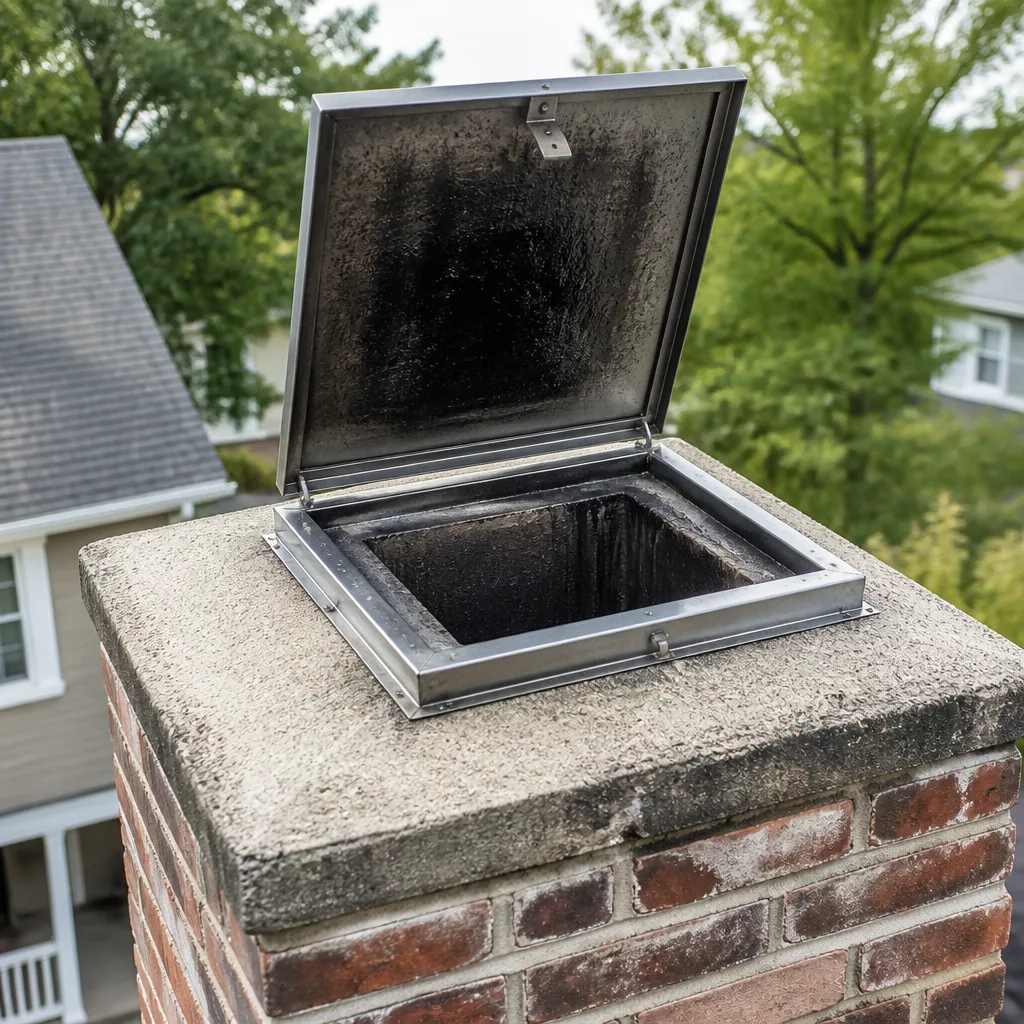
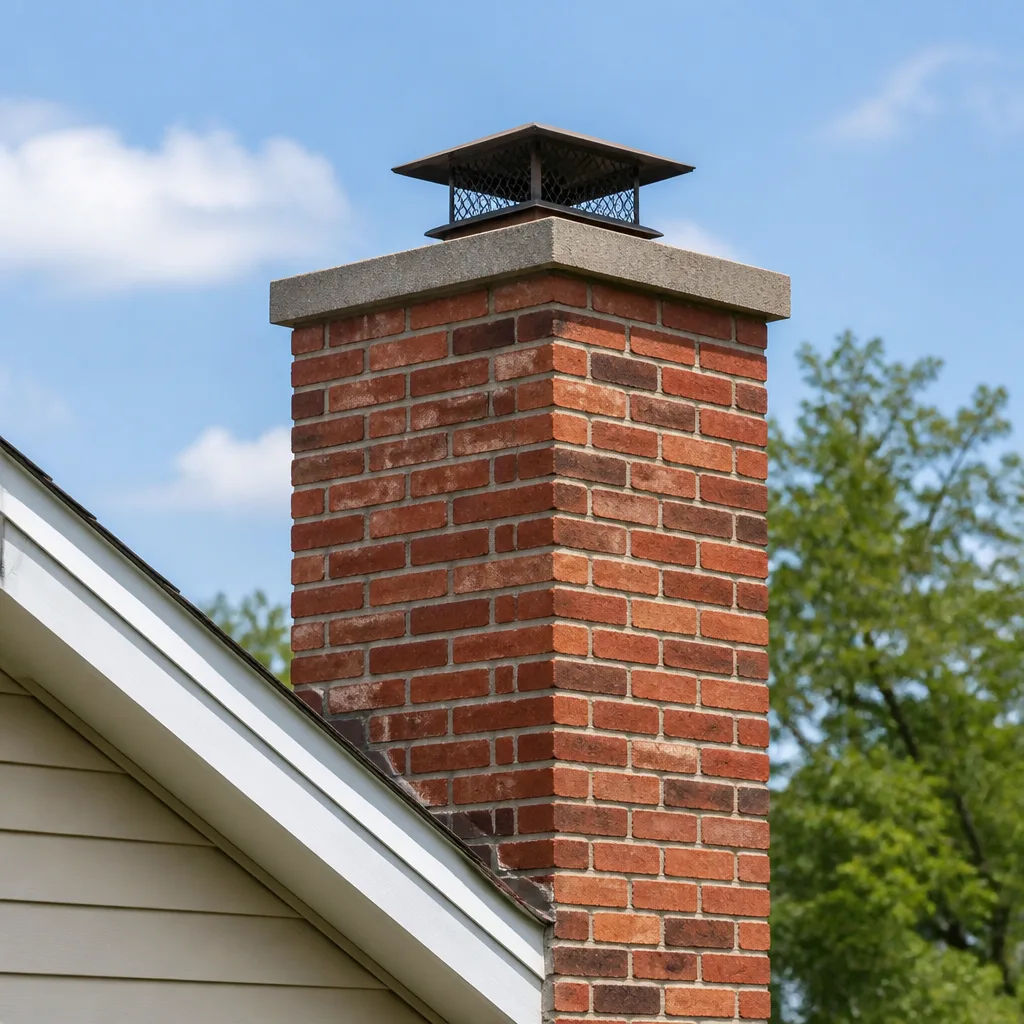
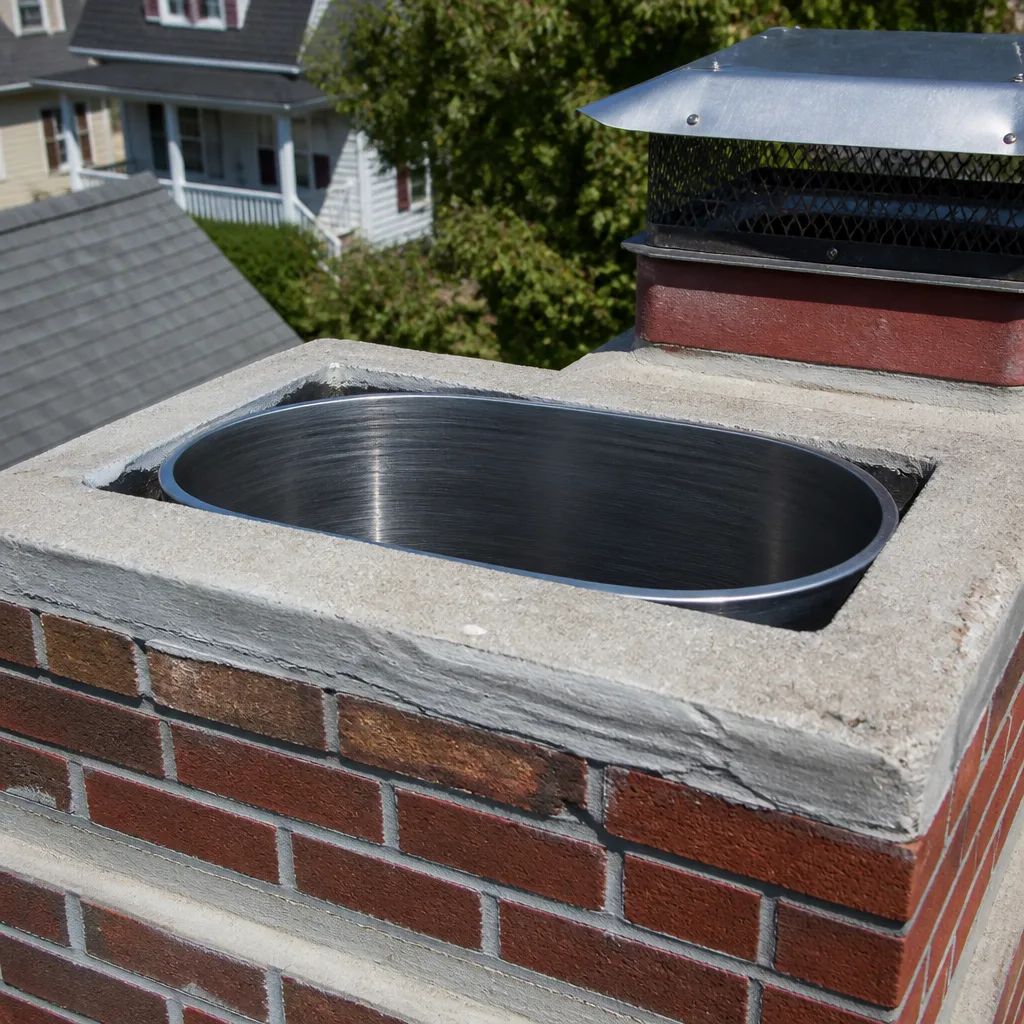
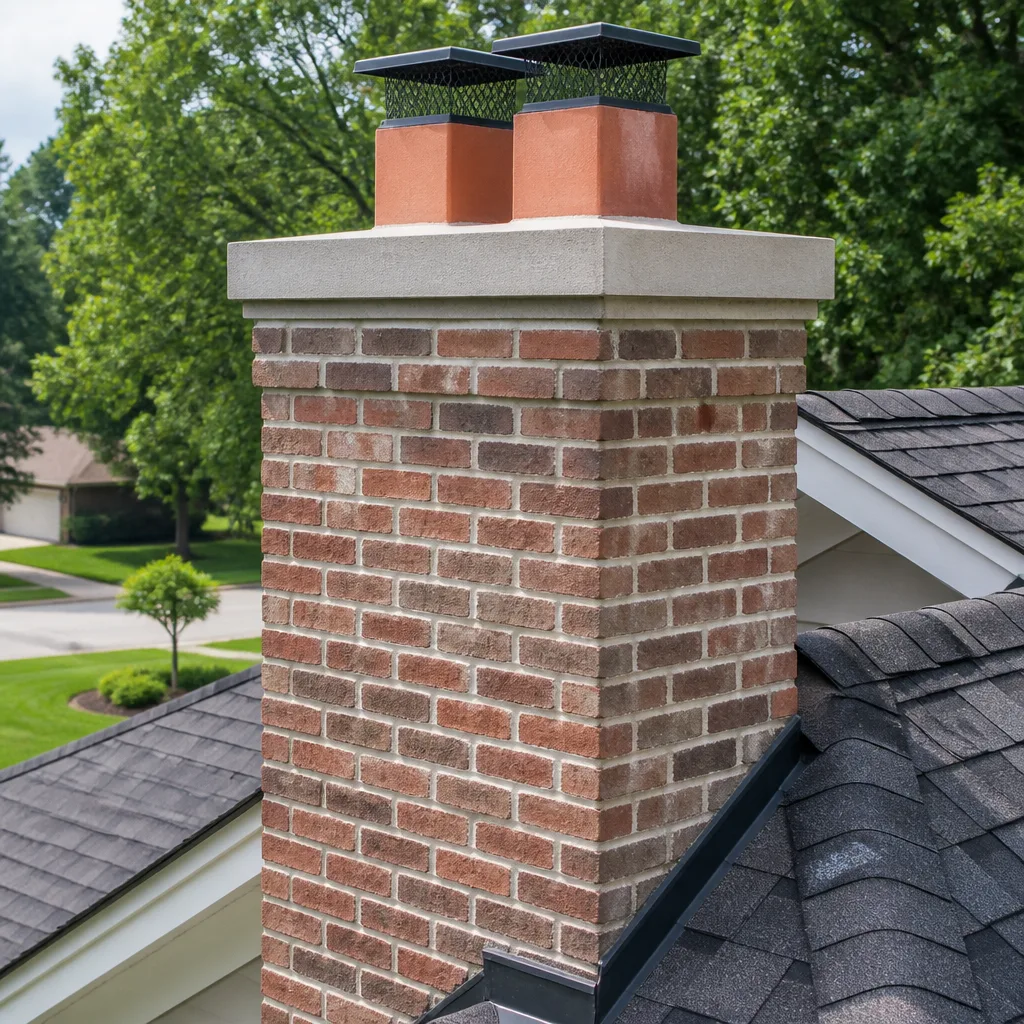
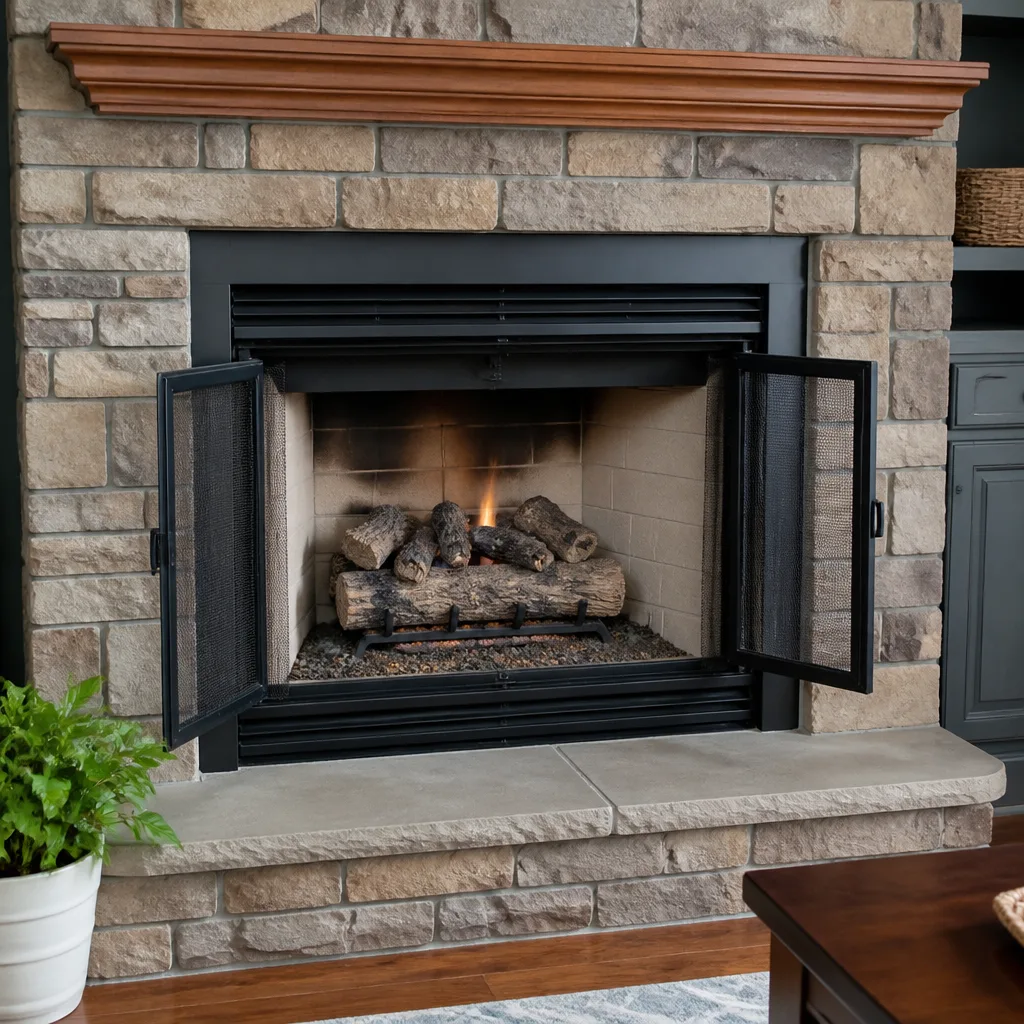
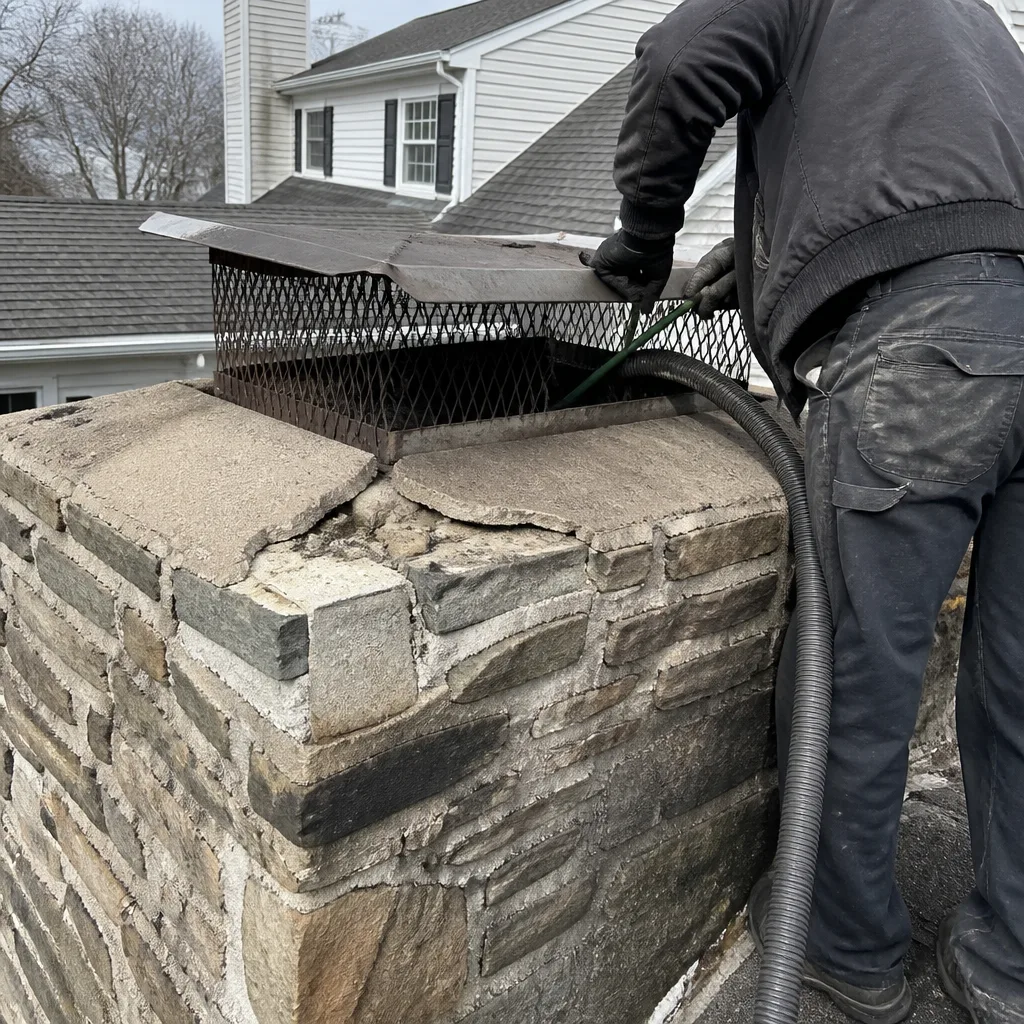 Before
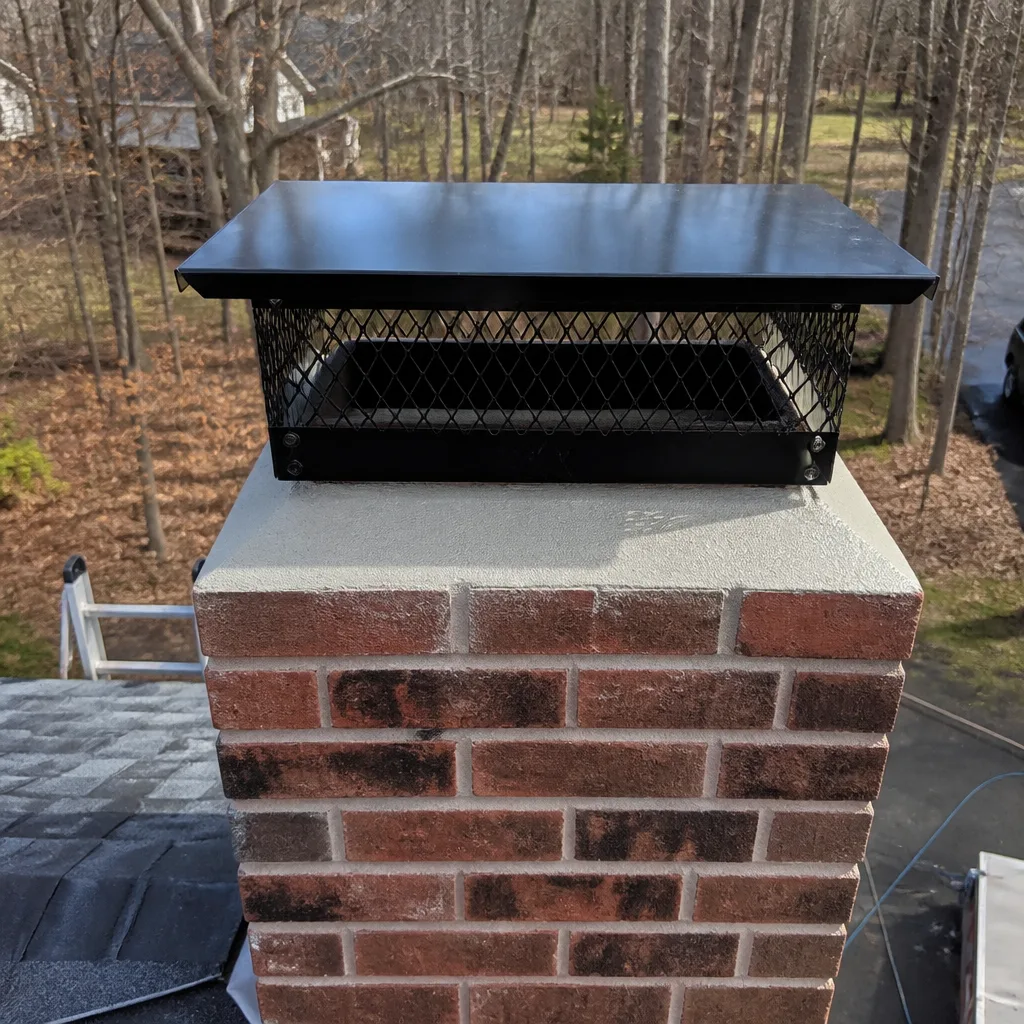 After
After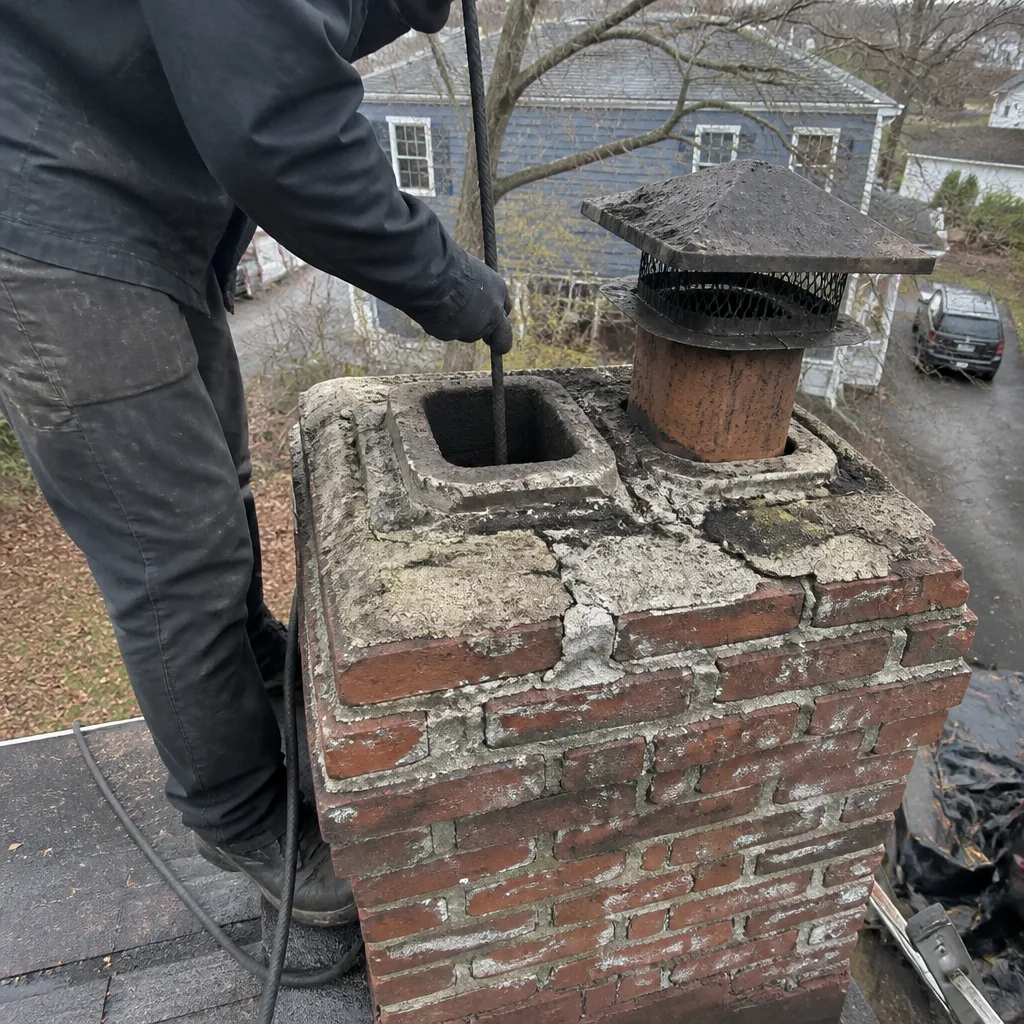 Before
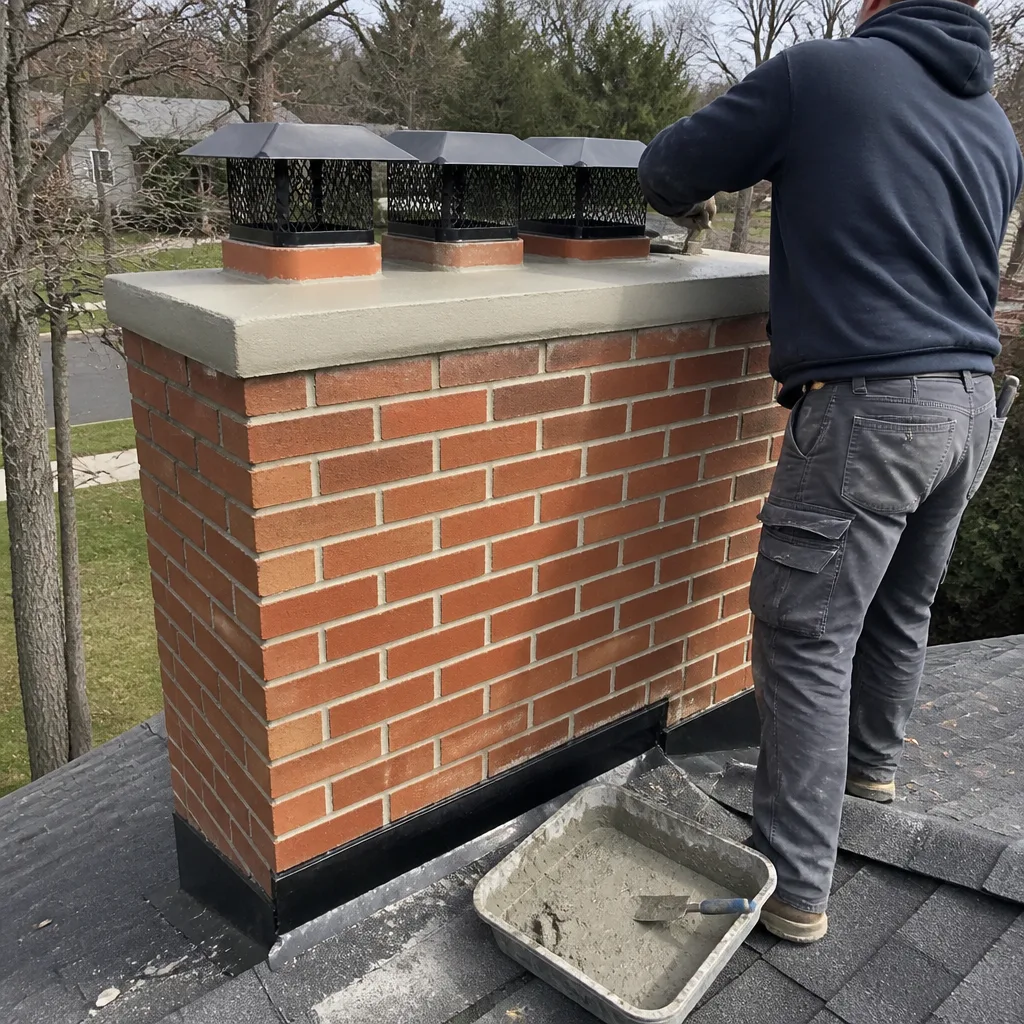 After
After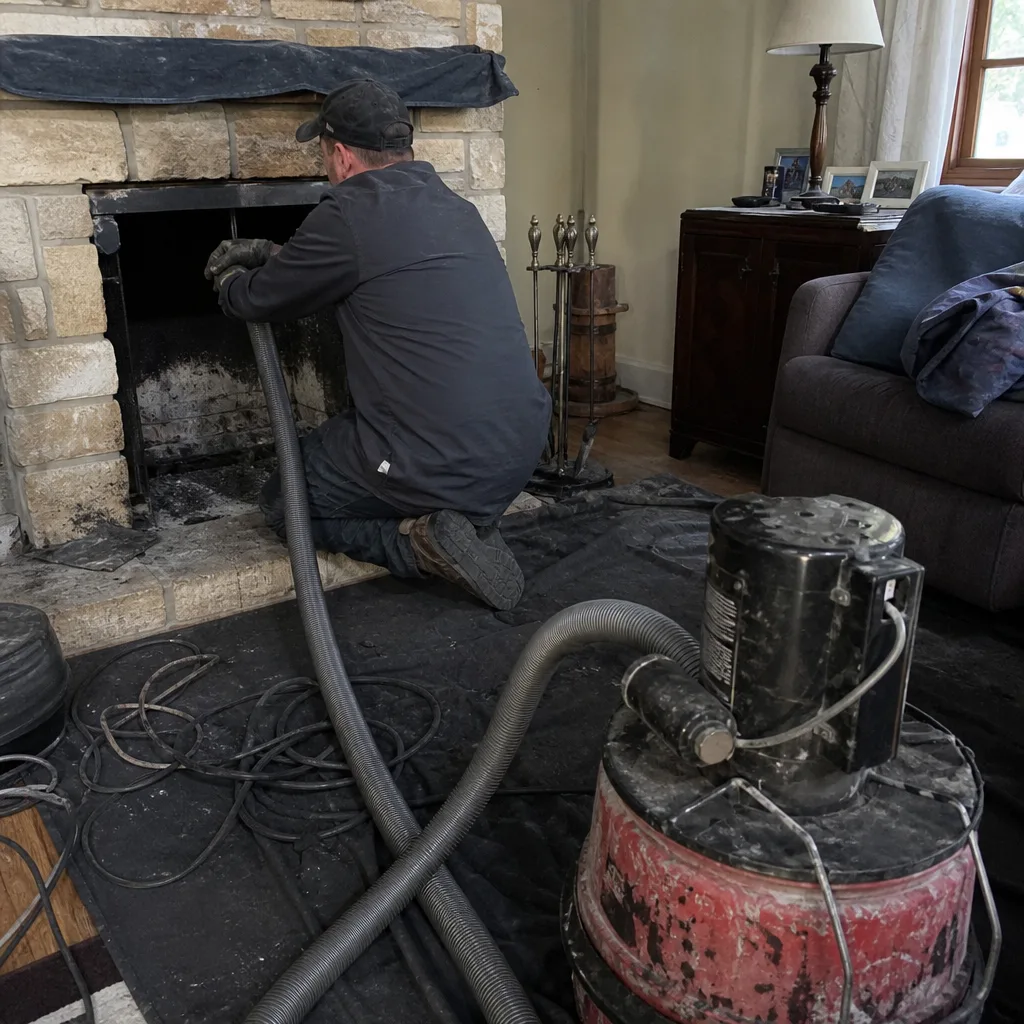 Before
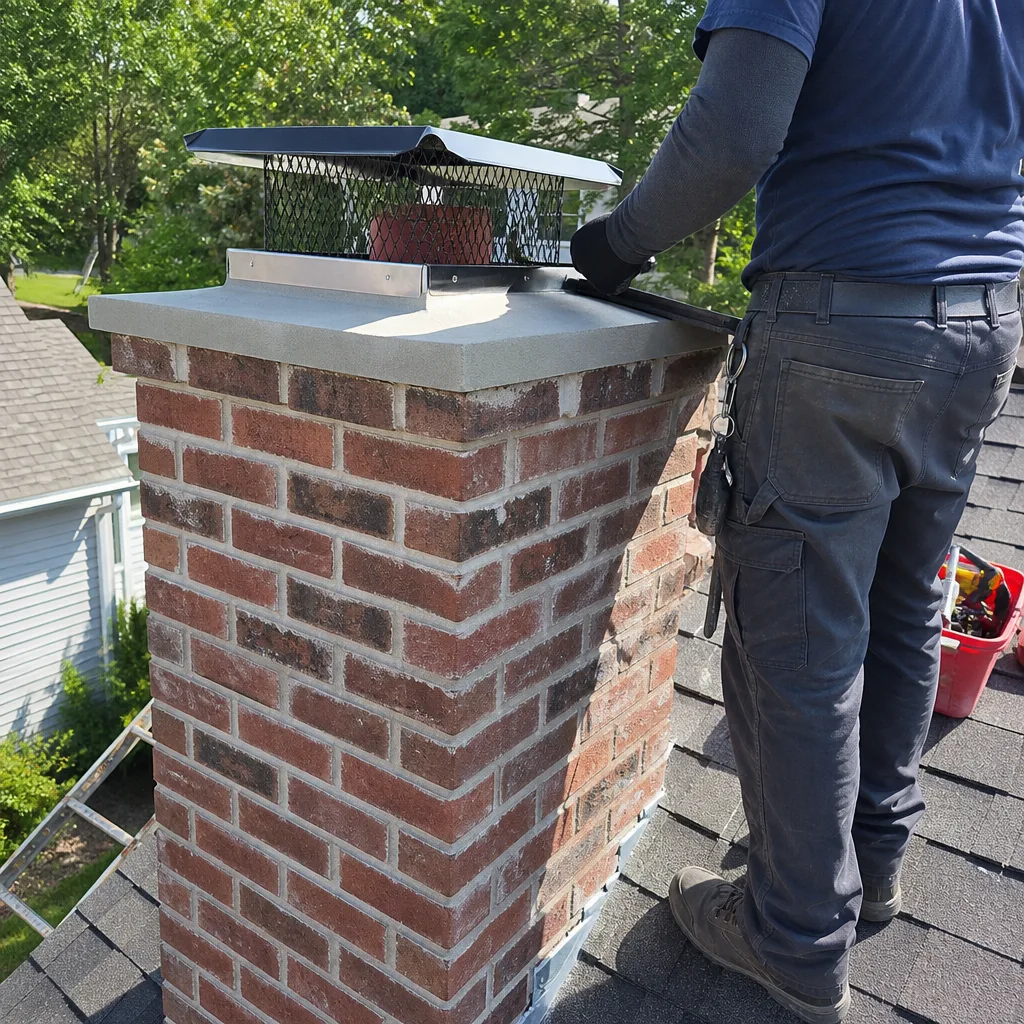 After
AfterThe Complete Guide to Chimney Cleaning in Stamford
A chimney can pass a flashlight inspection and still be coated in Stage 2 creosote, the tar-glaze form that burns at over 2,000°F. The flashlight doesn’t show it. A camera does. This guide maps the full sequence of a proper chimney cleaning in Stamford, from the pre-sweep camera scan to the post-sweep confirmation, so you know exactly what a complete service looks like before anyone knocks on your door. For related reading, see our DIY vs Professional Chimney Cleaning: The Stamford Homeowner’s Decision Guide. If you’re a homeowner in Stamford who bought your house between 2015 and 2025, this is written for you: the person who wants the price on the page, the evidence in hand, and no surprises.
Quick Answer
Chimney cleaning in Stamford CT typically costs $189 to $389 for a standard sweep with a camera-scan inspection, depending on creosote classification, flue accessibility, and whether you have a wood-burning fireplace, wood stove, or gas log setup. A complete chimney cleaning is not just brushing: it’s a documented sequence of camera scan, creosote classification, written price, sweep, and post-sweep camera confirmation. Skipping any step leaves the hazard unverified.
Table of Contents
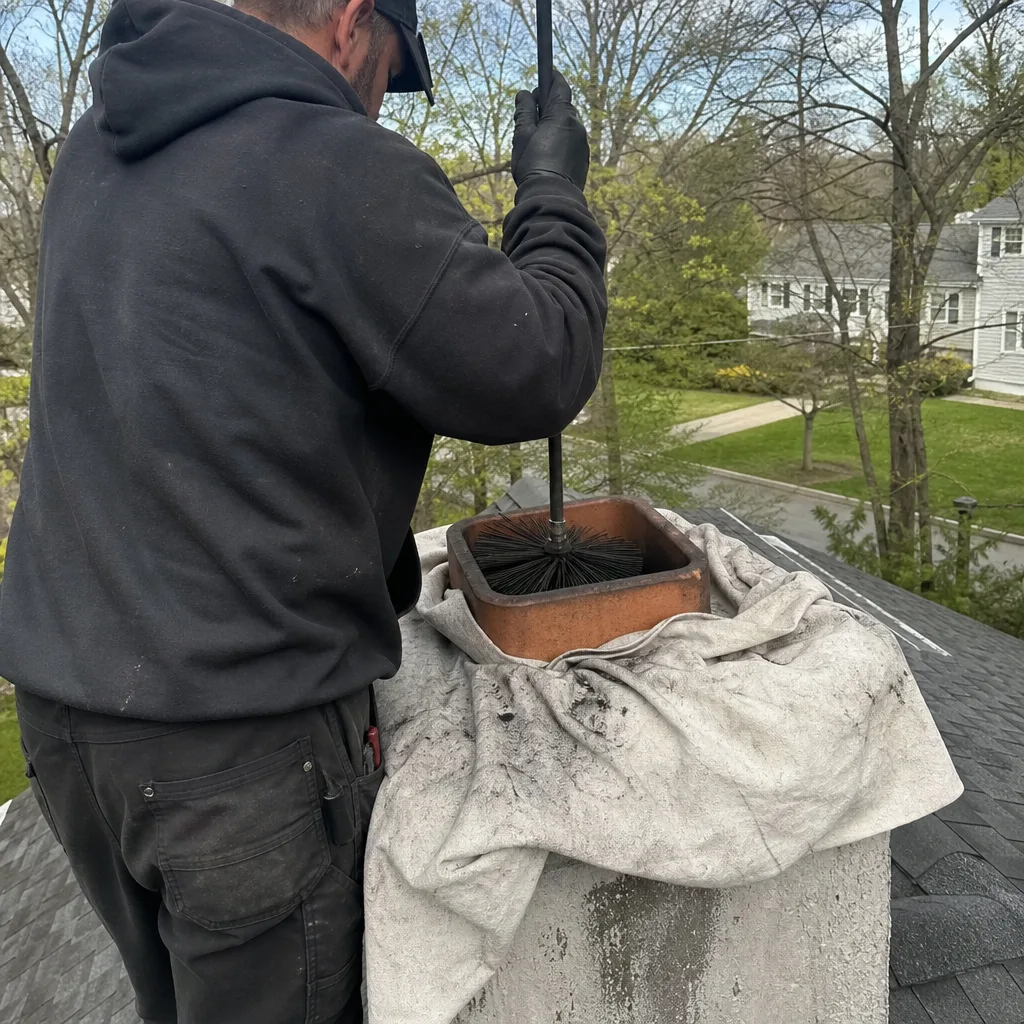
- What a Chimney Cleaning Actually Is (and Isn’t)
- Why Creosote Classification Determines Method, Not Just Frequency
- How the Stamford-Area Fuel Mix Changes Your Cleaning Interval
- What a Written Pre-Work Price Document Should Contain
- The Full Chimney Cleaning Sequence: 6 Documented Steps
- Post-Sweep Camera Confirmation vs. Pre-Sweep Scan: What Each Proves
- Connecticut’s Coastal Humidity and Liner Corrosion: What Stamford Homeowners Should Know
- How Much Does a Chimney Sweep Cost in Stamford?
BeforeAfterWhat a Chimney Cleaning Actually Is (and Isn’t)
A chimney cleaning, at its core, is the mechanical removal of combustible deposits from the interior walls of your flue. Those deposits are creosote, a byproduct of wood smoke condensation, and soot, the fine black powder that forms alongside it. The goal is simple: you’re removing fuel. A chimney fire feeds on creosote. No creosote, no chimney fire.
What a chimney cleaning is not: it is not a visual glance up the flue with a flashlight. It is not “looks fine to me.” It is not the ten-minute special where someone runs a brush up once and hands you a bill. In Stamford, where we’ve inspected and cleaned more than 38,000 chimneys since 2009, we’ve seen flues that looked perfectly acceptable under a flashlight and were in fact coated in tar-like Stage 2 creosote from throat to cap. The eye misses what the camera captures.
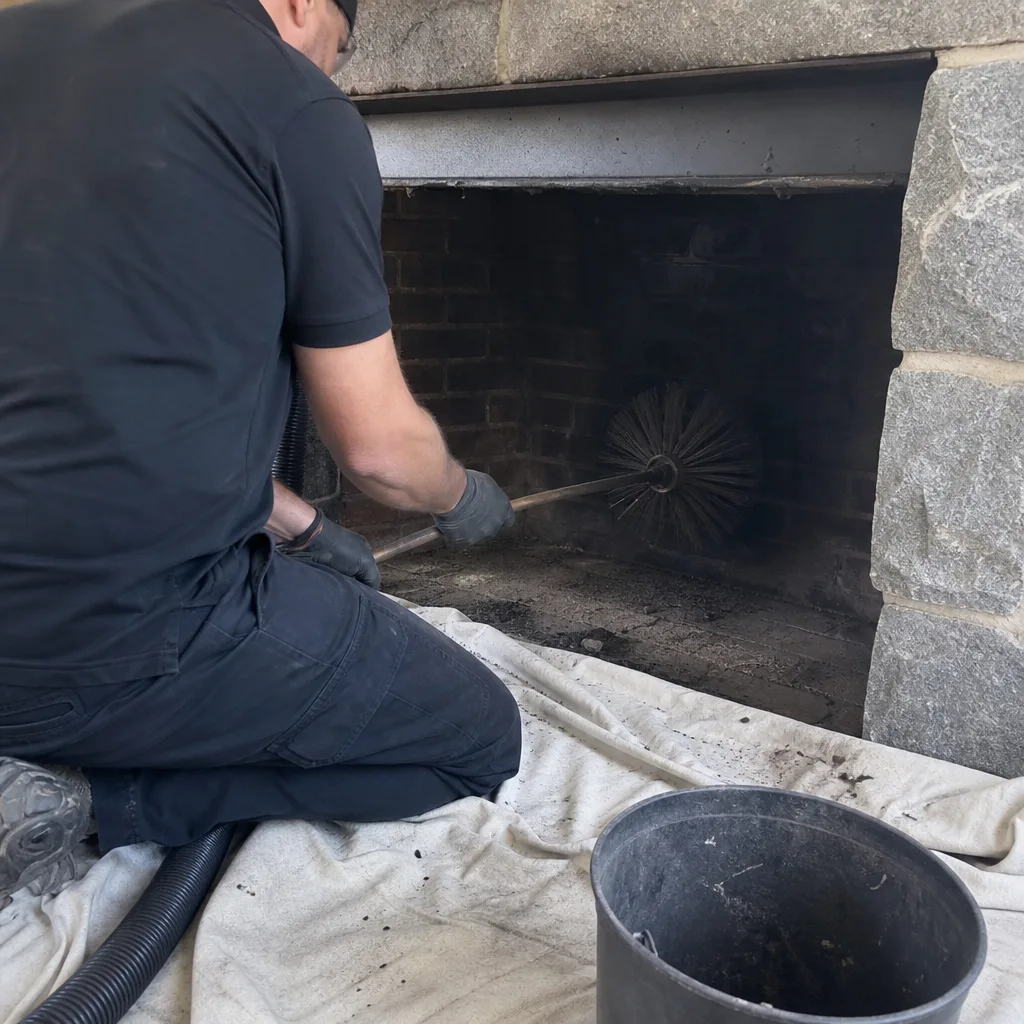
A proper cleaning has three parts: assessment, mechanical removal, and verification. Assessment means the camera goes down the flue before anything is brushed. Removal means the right tool for the deposit type, which varies by creosote stage. Verification means the camera goes back down after the sweep, so you can see with your own eyes that the flue walls are clean. Without all three, you’re paying for a guess.
Most Stamford homes we serve fall into one of three categories: older Colonials and Capes with masonry fireplaces, newer construction with prefabricated metal chimneys, and homes with inserts or freestanding stoves. Each has different flue dimensions, different deposit patterns, and different tooling needs. A one-size-fits-all sweep leaves material behind, and that material is fuel.
Why Creosote Classification Determines Method, Not Just Frequency
Creosote is not one substance. It forms in stages, and each stage requires a different removal method. The National Fire Protection Association (NFPA 211) and the Chimney Safety Institute of America (CSIA) both classify creosote by its physical and chemical form. At Level Two Chimney Stamford, we classify creosote on camera during the pre-sweep scan, and the classification drives everything that follows: tool selection, cleaning time, and the written price you approve before work starts.
Stage 1: Flaky Soot-Creosote
Stage 1 is the earliest deposit. It looks like dust or flaky black soot. It brushes off relatively easily with standard wire or poly brushes. In a flue with Stage 1 only, a routine sweep is typically all that’s needed. Stage 1 forms more readily when wood is burned hot with good airflow, and it is the most common deposit we see in Stamford fireplaces used only occasionally during the colder months from November through March.
Stage 2: Tar-Glaze Creosote
Stage 2 is where the risk multiplies. It appears as shiny, black, tar-like glaze stuck to the flue wall. It forms when smoke temperatures are lower, often from smoldering fires, damp wood, or restricted air. Stage 2 burns at over 2,000°F, which is well above the temperature rating of most masonry and metal flues. A chimney fire with Stage 2 creosote is a serious structural event. Standard brush work alone will not fully remove Stage 2. It typically requires rotary loop tooling, which physically breaks the glaze from the flue wall, sometimes combined with chemical treatments in stubborn cases. In Stamford, we see Stage 2 frequently in homes where the previous owner burned unseasoned wood or used the fireplace as a primary heat source through New England winters.
Stage 3: Hardened, Crystallized Creosote
Stage 3 is a hardened, porous deposit that resembles black charcoal or glass. It can be an inch or more thick and severely restricts flue diameter. By the time creosote reaches Stage 3, the chimney has already suffered a chimney fire or multiple prolonged smolder-fires. Stage 3 often requires aggressive mechanical removal, and in some cases the liner is so compromised that removal alone is not enough; the liner may need replacement. The good news with Stage 3 is that it is rare. In our experience across Stamford and Fairfield County, maybe one in twenty flues shows Stage 3, and it almost always correlates with an older chimney that saw heavy use with wet wood and minimal maintenance.
The point is this: the method is not chosen by habit. It is chosen by what the camera shows. A company that quotes you a flat price before looking is using habit, not evidence. A written price based on the camera scan is the only honest way to quote a chimney cleaning in Stamford.
How the Stamford-Area Fuel Mix Changes Your Cleaning Interval
What you burn determines what collects, and what collects determines how often you need a sweep. Stamford sits in Fairfield County, where the housing stock is a mix of pre-war Colonials, Mid-century Capes and ranches, and newer construction from the last two decades. Fuel mix follows build era, and it matters more than most guides admit.
Cord Wood (Seasoned Hardwood)
Cord wood remains the most common fuel in Stamford homes with traditional masonry fireplaces. Oak, maple, and birch are the dominant New England species. When properly seasoned to below 20% moisture content, hardwood burns hot and leaves mostly flaky Stage 1 material. But “properly seasoned” is the operative phrase. Wood stored uncovered through a coastal Connecticut winter, with its humidity and frequent rain, picks up moisture fast. That’s why we recommend a sweep after every cord of wood burned, or once per year minimum, whichever comes first. In Stamford’s climate, even well-intentioned wood piles get wet. The deposits follow.
Pellet Stoves
Pellet stoves burn compressed sawdust pellets at high efficiency and generally produce less creosote than cord wood, but they are not maintenance-free. Pellet fuel leaves a fine, dusty ash and can produce hard, sulfurous deposits in the venting if the stove is not tuned correctly. The vent pipe on a pellet stove is narrower than a masonry flue, so an equal amount of deposit is proportionally more dangerous. We recommend annual cleaning for pellet stoves in Stamford homes, and we inspect the combustion blower and exhaust path the same visit. Materials sourced through our network from Famco and Copperfield are common in pellet venting systems throughout Fairfield County.
Gas Logs and Gas Fireplaces
Gas logs produce no creosote, which leads many homeowners to skip chimney maintenance entirely. That is a mistake, just a different one. Gas combustion produces acidic water vapor, which condenses on cooler flue walls and corrodes liners over time. This is a particularly relevant issue in Stamford’s coastal climate, where outdoor humidity compounds the moisture load. Gas chimneys still need an annual inspection, and they need cleaning when the camera shows soot accumulation or mineral staining. The interval may be stretched to every other year for gas-only fireplaces, but the inspection should remain annual. We use materials from Gelco and Olympia Chimney where gas venting is relined or repaired.
The bottom line on intervals: wood-burning flues, sweep annually. Pellet stoves, sweep annually. Gas logs, inspect annually and sweep when the camera shows build-up. That’s the honest framework, and it is specific to what we see across Stamford homes.
What a Written Pre-Work Price Document Should Contain
Verbal estimates create post-job disputes. That sentence is the sum of nearly every frustration we hear from Stamford homeowners who call us after a bad experience. A verbal quote has no scope, no boundaries, and no accountability. When the bill comes in higher, you have no recourse. This is why a written price before work starts is Clause 1 of the Haven Standard, and it is non-negotiable on every job we perform. The word H.A.V.E.N. in the standard literally begins with “Have it in writing.”
A proper written price document should contain, at minimum:
- The exact scope of work: What will be cleaned, what will be inspected, and what tools will be used. “Chimney sweep” is too vague. “Sweep flue from firebox to cap using rotary loop tooling for Stage 2 creosote removal, 12-inch by 12-inch clay flue” is a scope.
- The fixed price: A dollar figure that will not change unless the camera reveals something outside the scope, in which case a new written price is issued before any additional work begins. No surprises on the back end.
- The creosote classification: What the camera showed. Stage 1, Stage 2, or Stage 3. That classification justifies the price.
- The warranty terms: What is covered and for how long. Under our 365-Day Done Right Promise, if the work is not done right, we make it right. That is stamped on every job under the Haven Standard, and it means exactly what it says.
- Payment terms and schedule: When payment is due and what methods are accepted. Clear before, clear after.
If any company in Stamford hesitates to put the price in writing before starting, that hesitation is information. It tells you what to expect if a dispute arises later. The written price is not a formality. It is the foundation of the working relationship, and it protects both parties.
The Full Chimney Cleaning Sequence: 6 Documented Steps
A complete chimney cleaning in Stamford should follow a sequence. The order matters because each step depends on the previous one. Here is the full sequence we follow on every job, mapped so you can check it against any other company’s process.
- Pre-Sweep Camera Scan. A camera goes down the full length of the flue, from firebox to cap. We look for creosote classification, liner condition, blockages, animal nests, and hidden damage. You see the screen. We point out what’s there in plain terms. If the flue falls under an NFPA 211 Level 2 evaluation, that camera scan is the standard, not an add-on. Clause 4 of the Haven Standard has required this photo record on every job since 2009, long before regulators or insurers asked for it.
- Creosote Classification and Written Price. Based on the camera findings, we tell you what stage of creosote you have and what it will take to remove it. The price is written. The scope is written. Nothing proceeds until you approve both.
- Area Protection. Drop cloths go down. The firebox opening is sealed or shielded. We’re in your living room, not a workshop, and the condition we leave it in should be the condition we found it in.
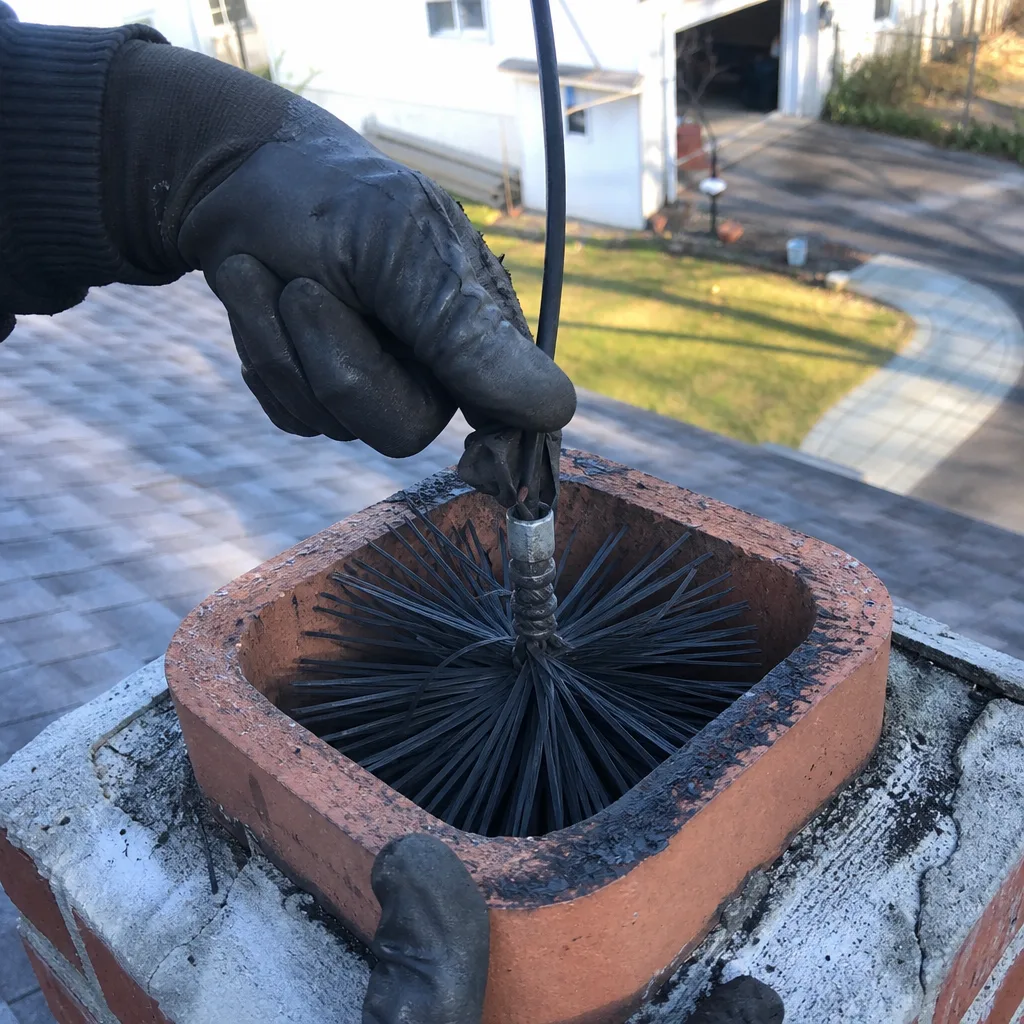
- Mechanical Cleaning. The correct tooling for the deposit type goes up the flue. Stage 1 gets standard brushes. Stage 2 gets rotary loop tooling. Stage 3, where it occurs, gets aggressive mechanical removal. The sweep includes the smoke chamber, smoke shelf, damper assembly, and firebox where fireplaces are concerned. A flue-only sweep misses half the deposit surface.
- Post-Sweep Camera Confirmation. The camera goes back down the cleaned flue. You see the result. Flue walls should be bare masonry or metal, with no streak of glaze left. If it is not clean enough, we’re not done, and the Done Right Promise applies.
- Documented Photo Record. You receive photos of the before and after condition, the written scope, the written price, and the written warranty. Everything documented, everything in your hands before we leave.
Any step missing from that sequence is a corner cut. Flashlight looks are not documentation. A brush without a post-sweep camera leaves the result unverified. If a Stamford chimney company cannot show you before-and-after camera images of your own flue, ask what exactly you paid for.
Post-Sweep Camera Confirmation vs. Pre-Sweep Scan: What Each Proves
The pre-sweep scan and the post-sweep confirmation are different documents serving different purposes. Understanding the difference matters, especially if you’re dealing with an insurance claim or a home sale.
The pre-sweep scan establishes what existed before any work was done. It is the baseline. It proves the creosote stage, the presence or absence of damage, the condition of the liner, and the reason the cleaning was necessary. In a dispute about whether a cleaning was needed in the first place, the pre-sweep scan is the evidence. It also catches things that a brush will not fix: cracked flue tiles, a failed liner, a missing chimney cap. Those findings change the conversation from cleaning to repair, and they’re visible on the pre-sweep image.
The post-sweep confirmation establishes what existed after the work was complete. It proves the flue was actually cleaned, that the deposit was removed, that the full surface was reached, and that no hidden damage was created during the sweep. For insurers, the post-sweep image is the documentation that maintenance was performed to industry standard. If a chimney fire occurs later, the homeowner who can produce a post-sweep camera record from a recent cleaning has documented that they did what a reasonable homeowner should do.
In Stamford, where many homes are 50 to 80 years old and some insurers now ask for chimney documentation at policy renewal, the post-sweep camera record is not just reassurance. It is a document you may actually need. We’ve been archiving every camera record since 2009, the practice that became Clause 4 of the Haven Standard, which means we can retrieve the scan history on a chimney we’ve serviced before. Try asking a flashlight-inspection company for its archived camera footage from three years ago.
For a deeper look at what a full chimney repair scope involves when the camera does find damage, our Chimney Repair in Stamford page walks through the most common findings and how we fix them.
Connecticut’s Coastal Humidity and Liner Corrosion: What Stamford Homeowners Should Know
Most national chimney guides are written for a generic middle-American climate. They miss what Long Island Sound does to a chimney in Stamford. Humidity here is not a minor variable. It is a constant, and it accelerates liner corrosion in ways a dry-climate guide never mentions.
The mechanism is simple. Warm, moist air from the Sound pushes inland through Stamford neighborhoods from Shippan Point to North Stamford. Chimney flues draw that air, and moisture condenses inside the liner as the flue cools between fires. That moisture reacts with creosote to form acids that attack clay tile mortar joints and steel liners. The result is a corrosion pattern we see regularly: liners that look fine from the top but show severe mortar-joint erosion and flaking on the camera, especially in chimneys attached to homes built before 1980. In the industry, we call the flaking and pitting of masonry surfaces “spalling,” and once a clay liner begins to spall, it is no longer doing its job as a gas-tight barrier.
Homes near the water, particularly in Shippan, Cove, and East Side neighborhoods of Stamford, are more exposed. But the microclimate effect extends well inland because Stamford’s valleys and ridgelines channel maritime air. It’s one reason we recommend annual inspections even for gas-only fireplaces, where no creosote forms but acid condensation does.
The practical takeaway: if your Stamford chimney has not been camera-scanned in several years, the question is not just how much creosote is in the flue. It’s what the flue itself looks like. Liner failure is the single most expensive finding in chimney work, and it’s the one most often hidden until a camera goes down. For more on the repair side of this, see our Chimney Repair in Stamford page and the Fireplace Services in Stamford page for how we handle liner relining and fireplace restoration.
How Much Does a Chimney Sweep Cost in Stamford?
We name prices on the page because a written price is the entire point. Here is the honest range for chimney cleaning in Stamford, CT.
| Service | Typical Price Range (Stamford, CT) |
|---|---|
| Standard chimney sweep, Stage 1 creosote (masonry fireplace, one flue) | $189 – $249 |
| Chimney sweep with camera-scan inspection (pre- and post-sweep) | $229 – $289 |
| Sweep with Stage 2 creosote removal (rotary loop tooling) | $289 – $389 |
| Wood stove or pellet stove flue cleaning | $199 – $279 |
| Gas log fireplace inspection and cleaning | $149 – $199 |
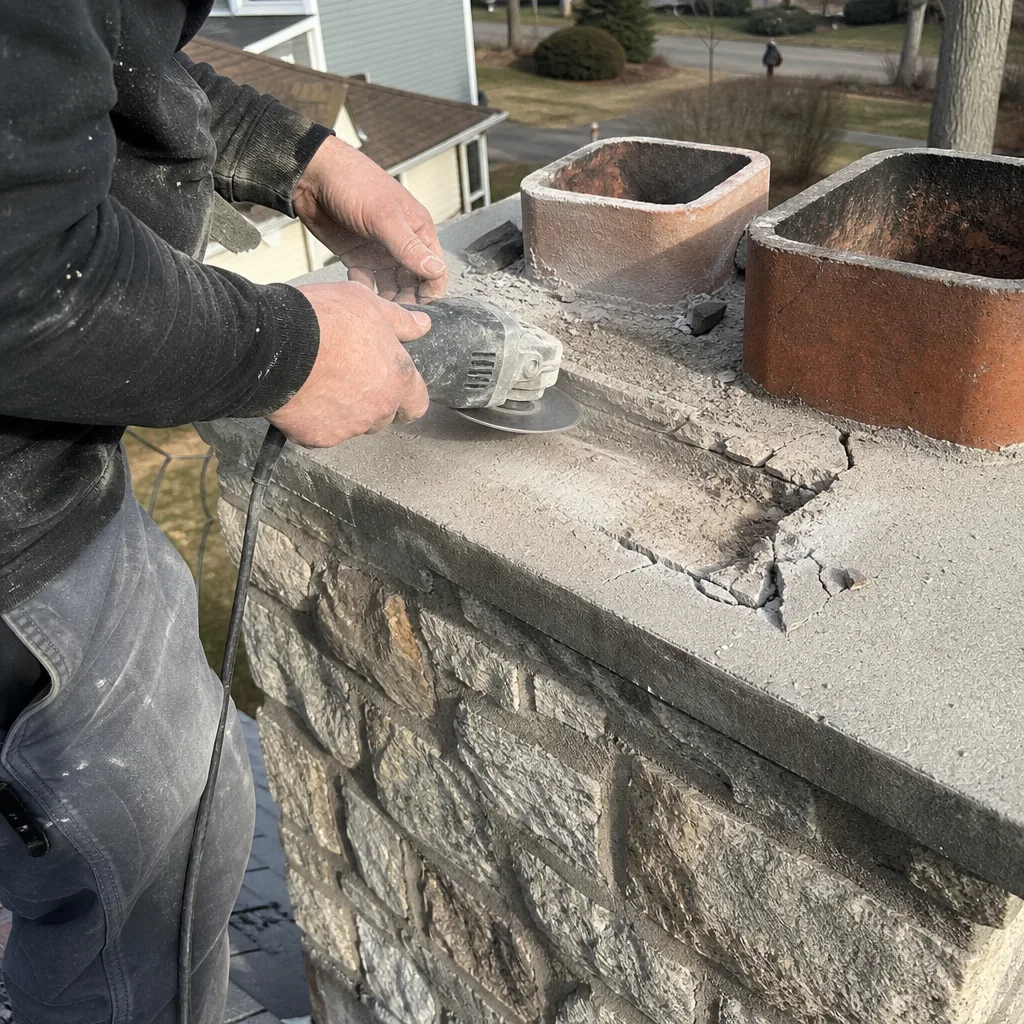
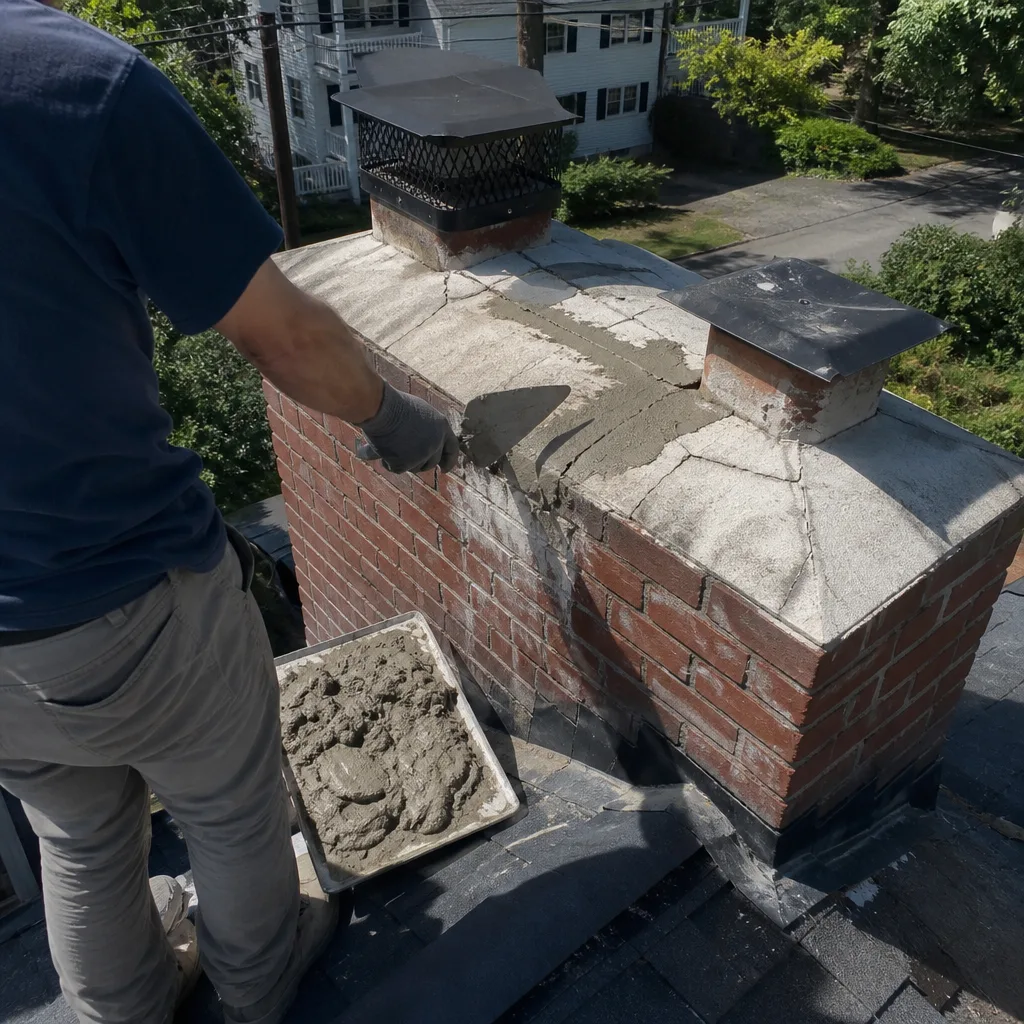
| Chimney cap replacement (when the camera shows a missing or damaged cap) | $200 – $400 |
These ranges reflect what we charge in Stamford and what we see in written estimates from other reputable companies in Fairfield County. If a quote comes in far below $189, the question is what’s being skipped: the camera scan, the post-sweep confirmation, the smoke chamber cleaning, or the documentation. A sweep that cuts those steps is a partial job with a full price.
For exact pricing on your flue, call (914) 537-8463 and we’ll give you a written quote based on the camera findings, not a verbal guess. Every estimate is free. Every price is written before work starts. And if you have a written quote from another company, bring it. We’ll give you a free second opinion on it, because a written competitor quote is the fastest way to see what they’re actually including.
Common Mistakes to Avoid
- Accepting a verbal estimate. A verbal quote is a future dispute. In Stamford, the entire point of a written price is that it survives after the tech leaves. If they won’t write it down, they’re telling you something.
- Treating a flashlight look as an inspection. A flashlight shows maybe the first three feet of flue. The creosote that causes chimney fires is usually mid-flue, where the smoke cools and condenses. Camera or nothing.
- Skipping the post-sweep camera confirmation. Without it, you’re trusting that the flue is clean. The Done Right Promise means we prove it, every time.
- Burning unseasoned wood. Wet wood smolders, cools the smoke, and builds Stage 2 tar-glaze fast. In Stamford’s humid winters, wood needs at least 12 months of covered seasoning to get below 20% moisture.
- Ignoring gas fireplace maintenance. No creosote doesn’t mean no corrosion. Condensation in a gas flue eats liners from the inside. Inspect annually even if you never burn wood.
- Waiting until November to book. Stamford’s sweep season runs October through December. Book by September to get an appointment before the first fire. The holiday rush is real, and chimneys don’t care.
- Choosing the lowest quote without comparing scope. A lower price that skips the smoke chamber, the camera, or the written warranty is not a lower price. It’s a partial service with a lower sticker.
When to Call a Professional
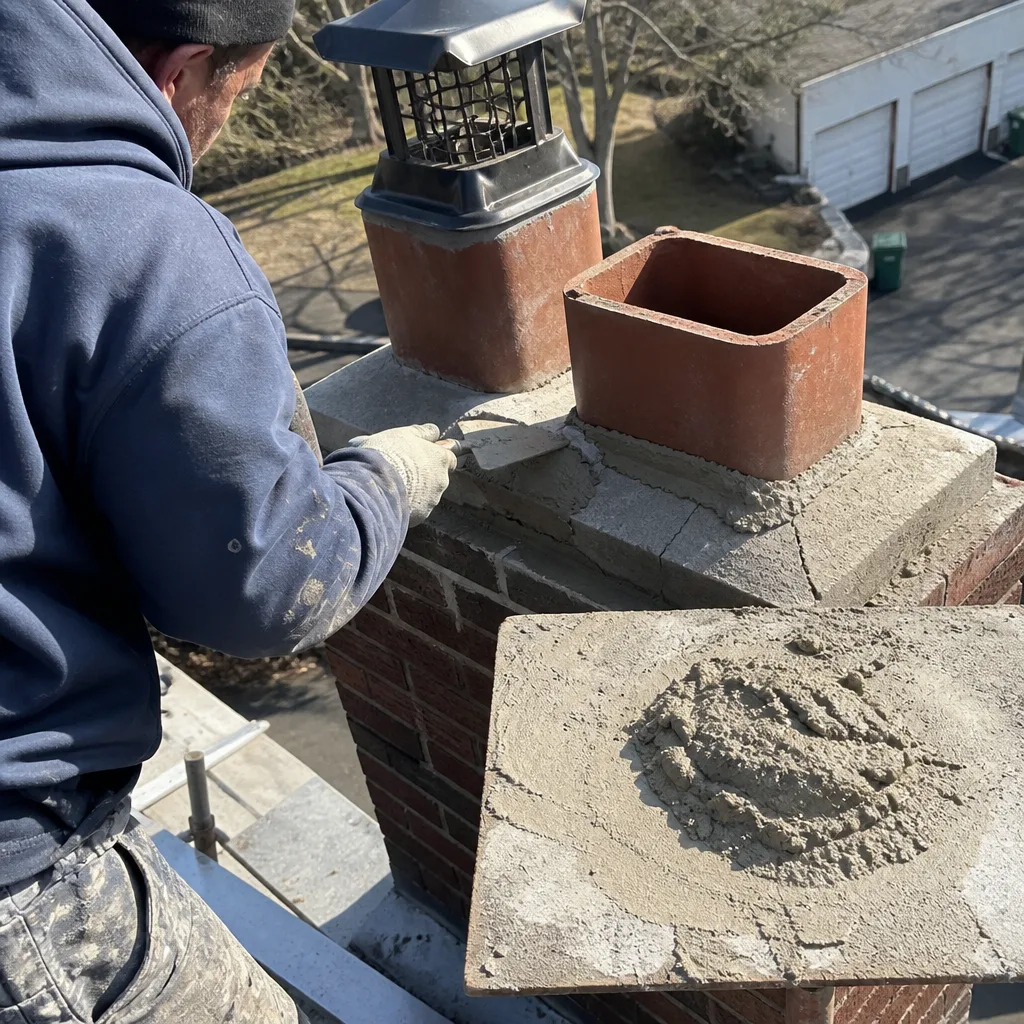
Chimney cleaning is not a weekend project. The pitch of a Stamford roof, the height of a three-story flue, and the fine motor work inside a masonry chimney make this a trained professional’s job. Call a chimney company when you see any of these: a strong odor from the fireplace even when it’s not in use, visible creosote flaking into the firebox, smoke backing into the room, a damper that’s stuck open or closed, or a water stain on the ceiling near the chimney chase. And if the home is new to you, schedule a camera-scan inspection before you light the first fire. You can’t negotiate with what you didn’t know was there. Level Two Chimney Stamford offers free estimates in Stamford. Call (914) 537-8463 and we’ll bring the camera.
Our core cleaning work is covered in detail on the Chimney Cleaning & Sweep in Stamford page, and our Level Two Chimney Stamford home page has the full range of services under the Haven Standard.
Frequently Asked Questions
Wood-burning chimneys in Stamford should be swept once per year or after every cord of wood burned, whichever comes first. Our coastal humidity and winter weather push many homeowners to burn softer, greener wood than they think, which builds creosote faster. A camera scan during the annual visit shows whether the interval needs to tighten for your specific burning habits. Call (914) 537-8463 and we’ll check yours with a camera before quoting a single dollar.
A standard chimney sweep in Stamford CT runs $189 to $249 for Stage 1 creosote, and $289 to $389 when Stage 2 removal with rotary tooling is required. The price depends on what the camera shows, not on a flat guess. Our written quotes include the camera scan, the sweep, the post-sweep confirmation, and the documented photo record. Call (914) 537-8463 for a free estimate, and there’s no obligation beyond deciding if the written price works for you.
Not always. Hairline cracks in a clay liner are common and often tolerable. What matters is depth, pattern, and whether the crack penetrates to the exterior masonry. Spalling, missing mortar joints, or cracks that widen under heat are a different story. The camera gives us the evidence, and the written quote gives you the scope. You should never be told you need a liner without seeing the images yourself. If a company insists on a liner without camera evidence, get a second opinion from a competitor’s written estimate, and bring it to us. We’ll go over it at no cost.
Stage 1 creosote builds into Stage 2 tar-glaze, which can ignite at over 2,000°F. A chimney fire can crack the liner, spread to the attic, and compromise the structure of the chimney. At minimum, a chimney fire even if contained destroys the liner and often requires a full rebuild. The cost of an annual sweep in Stamford is a fraction of the cost of a liner replacement. The math is not complicated. Call (914) 537-8463 if you’ve been skipping years and want an honest camera-based assessment before burning season.
Yes, and we do throughout the heating season. The challenge in winter is scheduling, because the October to December window in Stamford gets booked quickly. We run 24/7 phone support, so you can always reach a live person, and our techs arrive as scheduled with a text before they show up. If your flue needs a sweep mid-season and you’re burning regularly, schedule it now. Don’t wait for spring.
Clear the area around the fireplace. Move furniture back at least six feet. Remove anything from the hearth. If it’s a wood stove, let the fire go out at least 24 hours in advance so the flue is cool to the touch. Beyond that, you don’t need to do anything. Our technicians arrive in uniform, with background checks on file and license information on every page. We lay down protection, set up the camera, and you watch the screen with us. The entire visit usually runs one to two hours depending on what the flue shows.
The Bottom Line
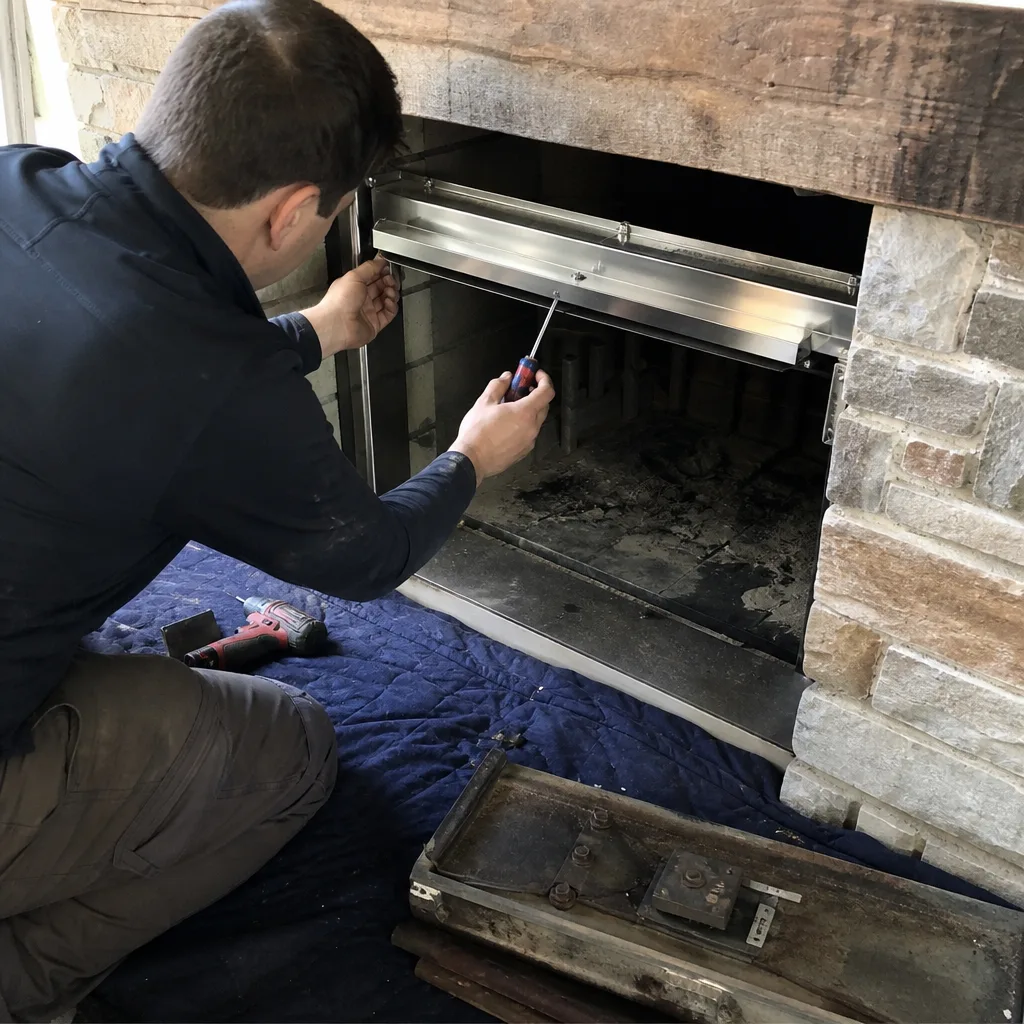
A chimney cleaning in Stamford is only as good as the documentation that comes with it. The flashlight approach is obsolete. The camera approach is the standard, and it has been our standard since 2009. You should expect a written price before work starts, a creosote classification in plain terms, a mechanical sweep matched to the deposit type, and a post-sweep camera confirmation showing bare flue walls. If any of those steps is missing, you’re paying for a partial job. Level Two Chimney Stamford has inspected and cleaned more than 38,000 chimneys under the Haven Standard, with the 365-Day Done Right Promise stamped on every job. Call (914) 537-8463 for a free estimate and a written camera-based quote, or browse more guides & resources on chimney care. You’ll see exactly what’s in your flue, and exactly what it costs to make it right.
Written by Corrine Halstead, Owner at Level Two Chimney Stamford, serving Stamford since 2009.