
Level 1 sweep and inspection to the NFPA 211 annual standard - flue, crown, cap, and flashing checked and photographed
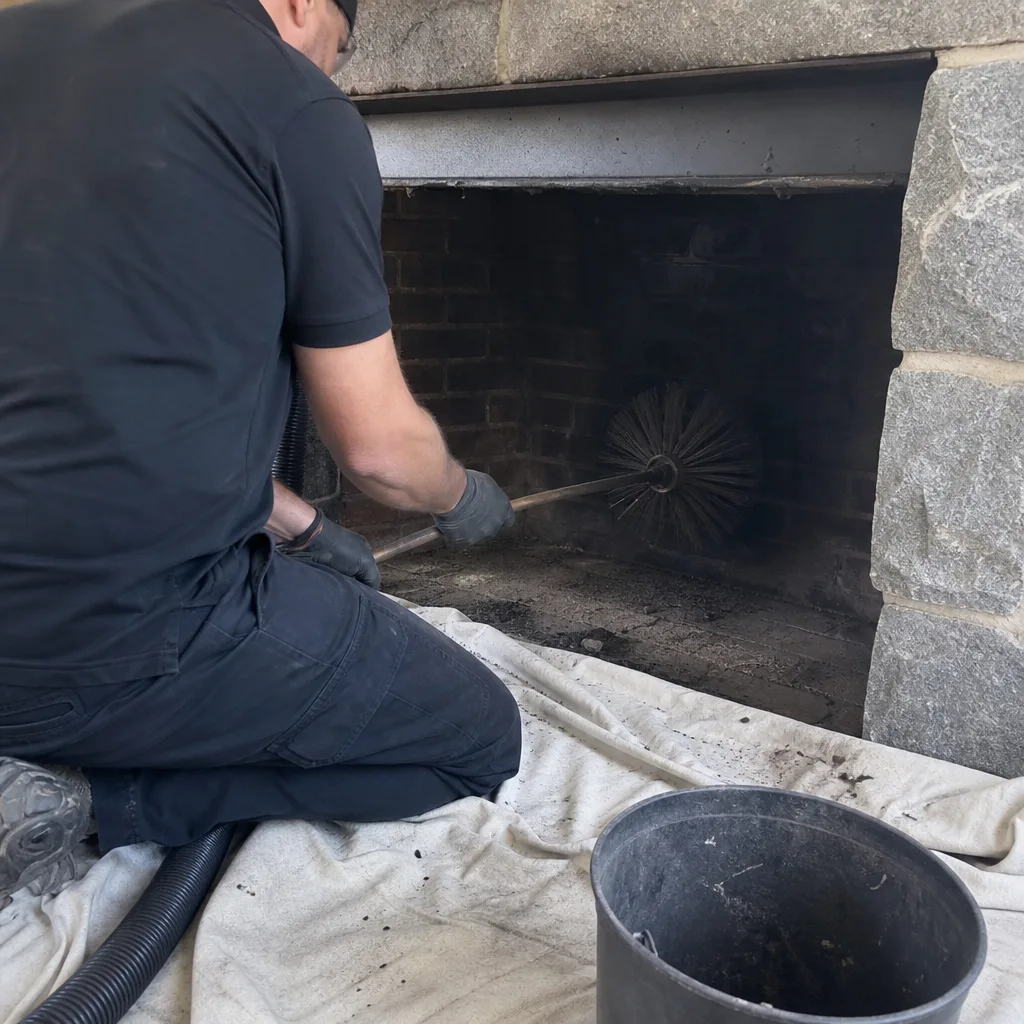
Chimney sweep logs do not sweep chimneys. They loosen some creosote - which then falls where a brush and vacuum still have to collect it.
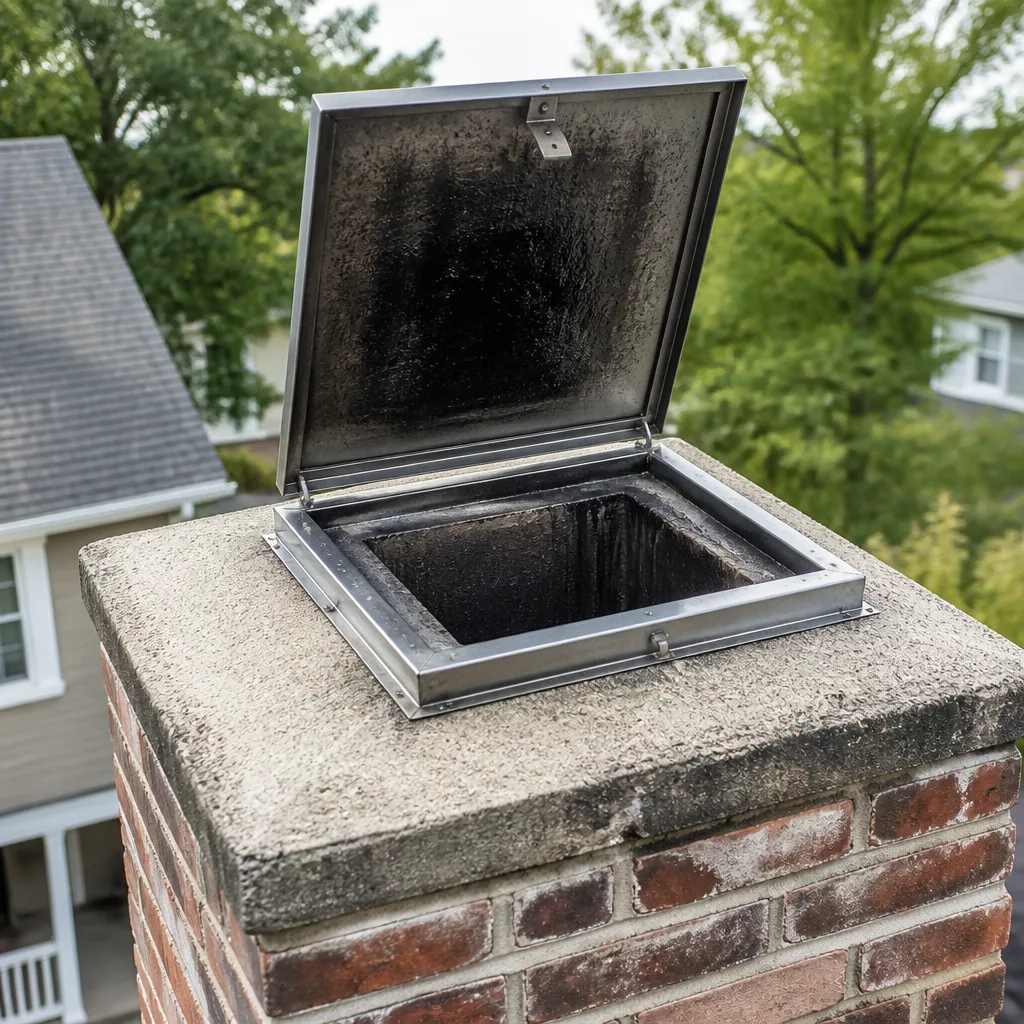
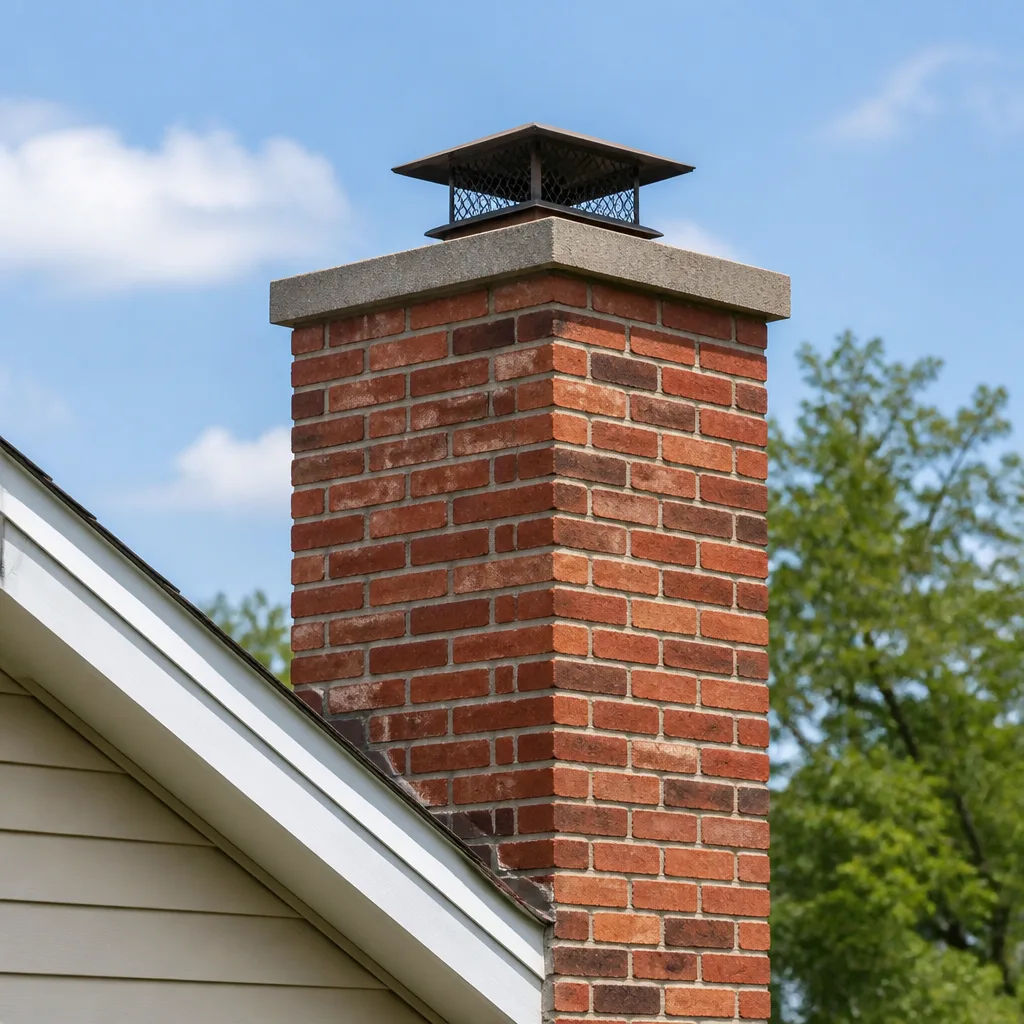
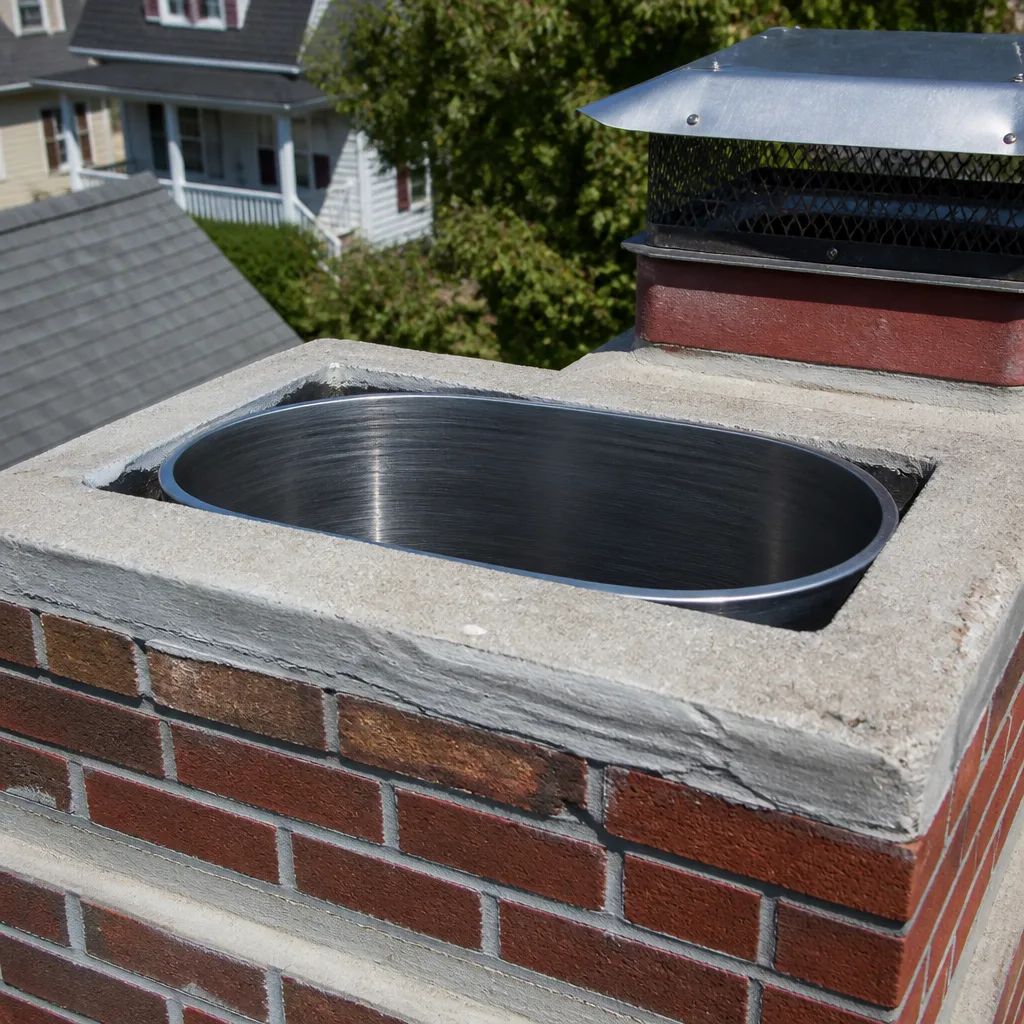
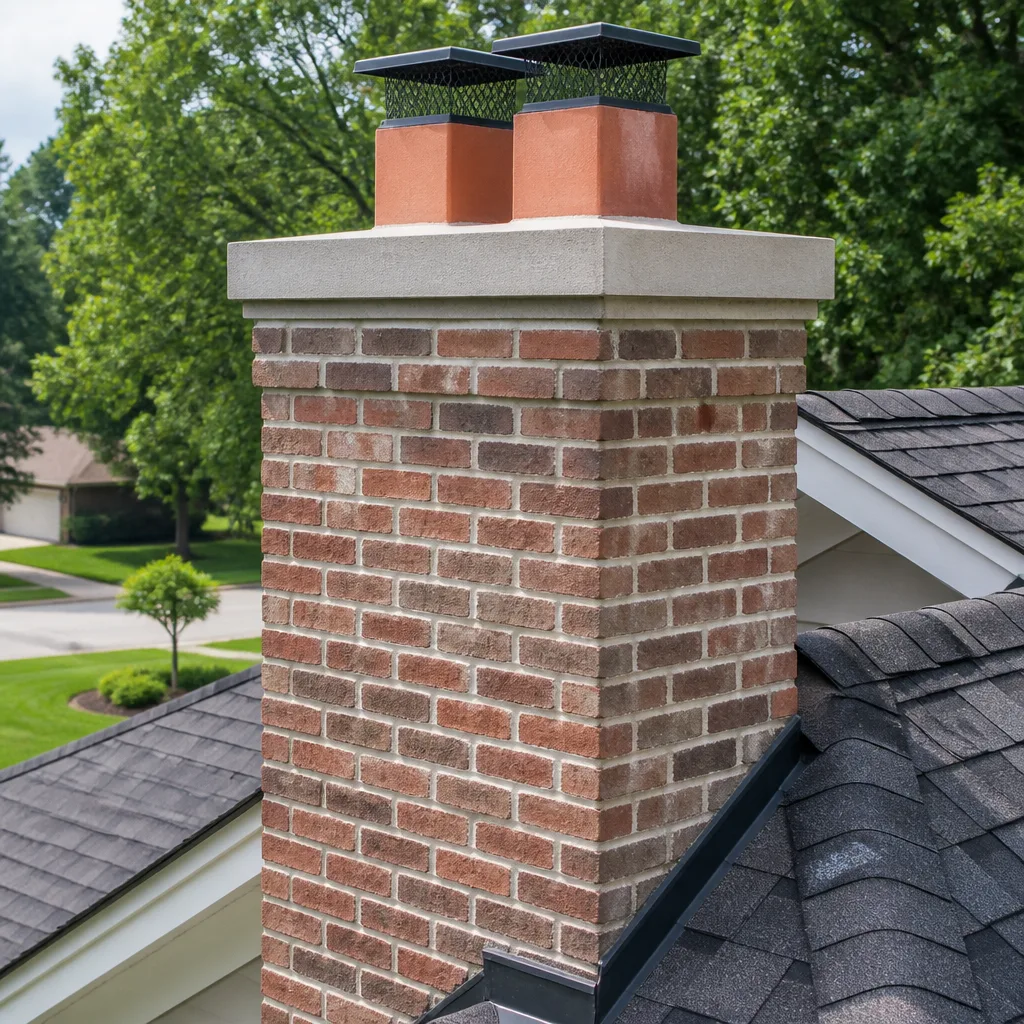
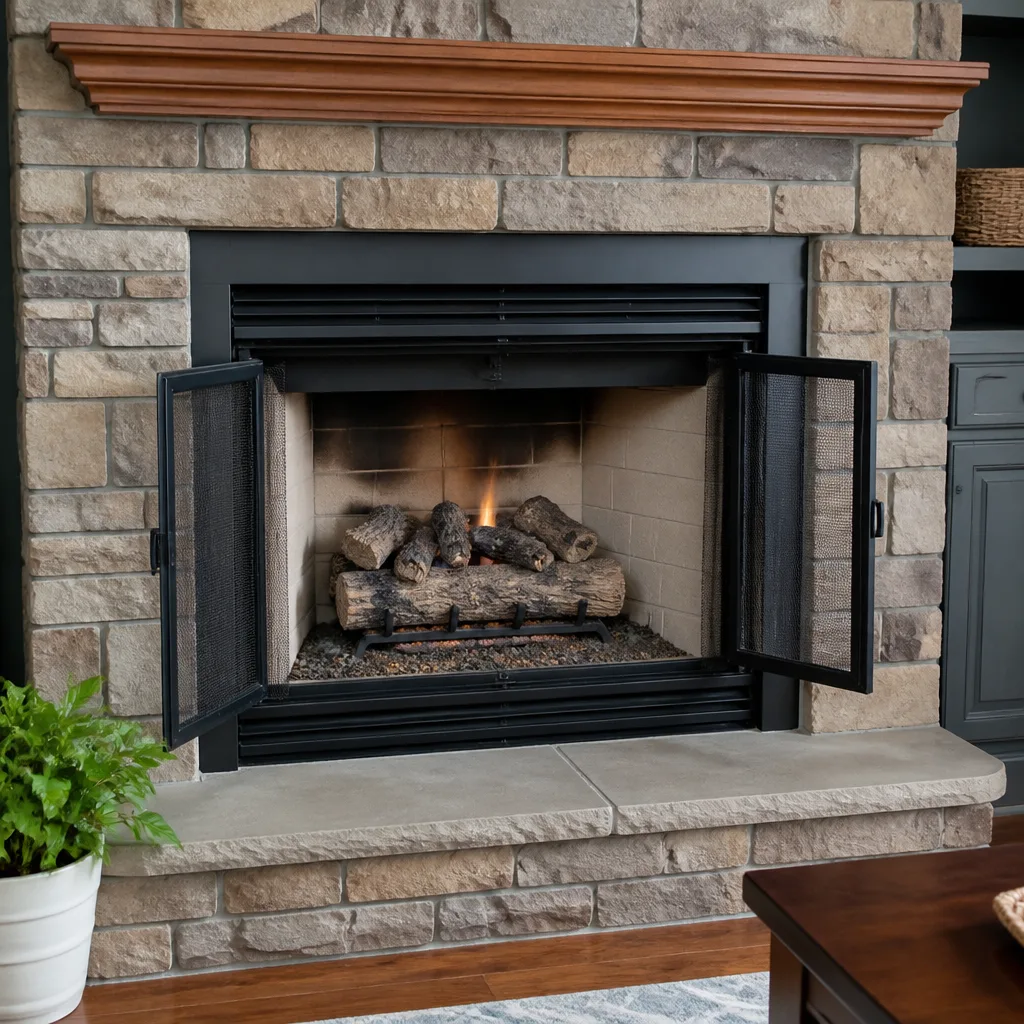
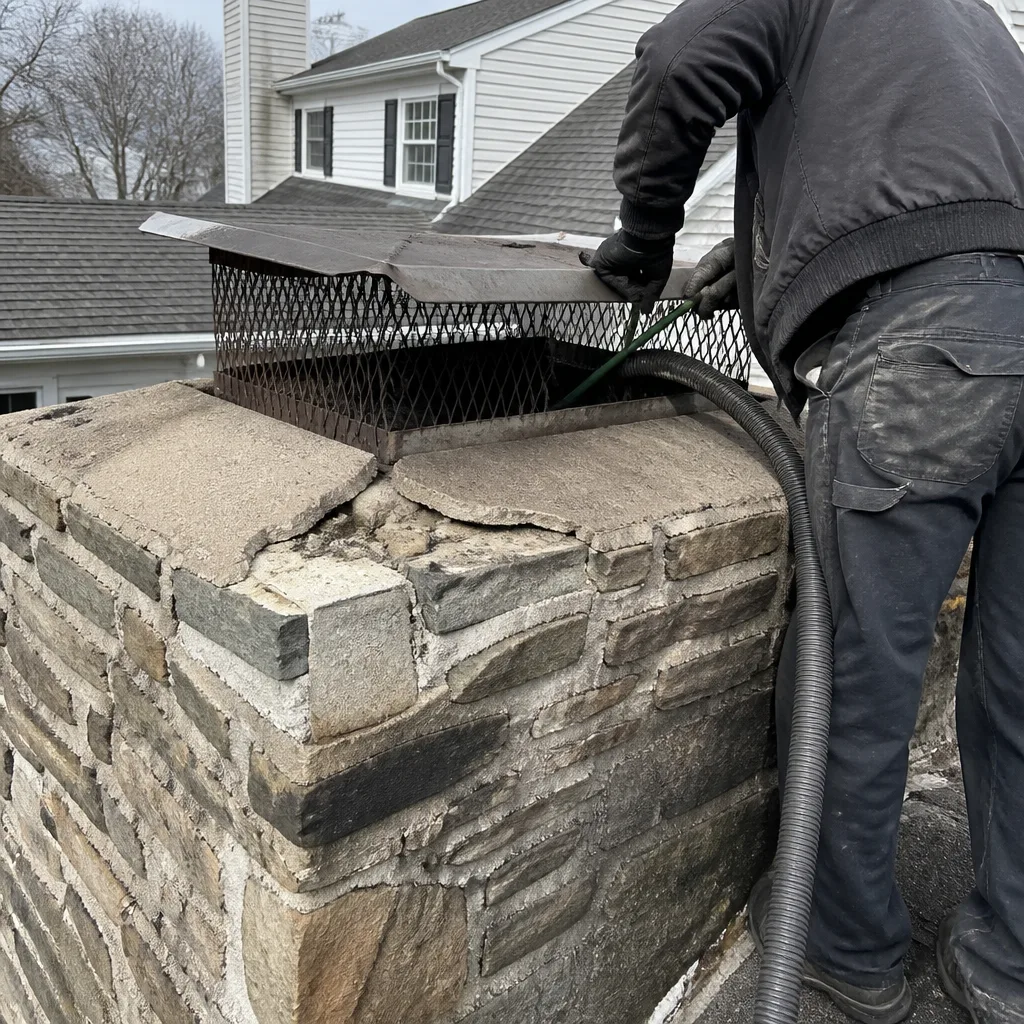 Before
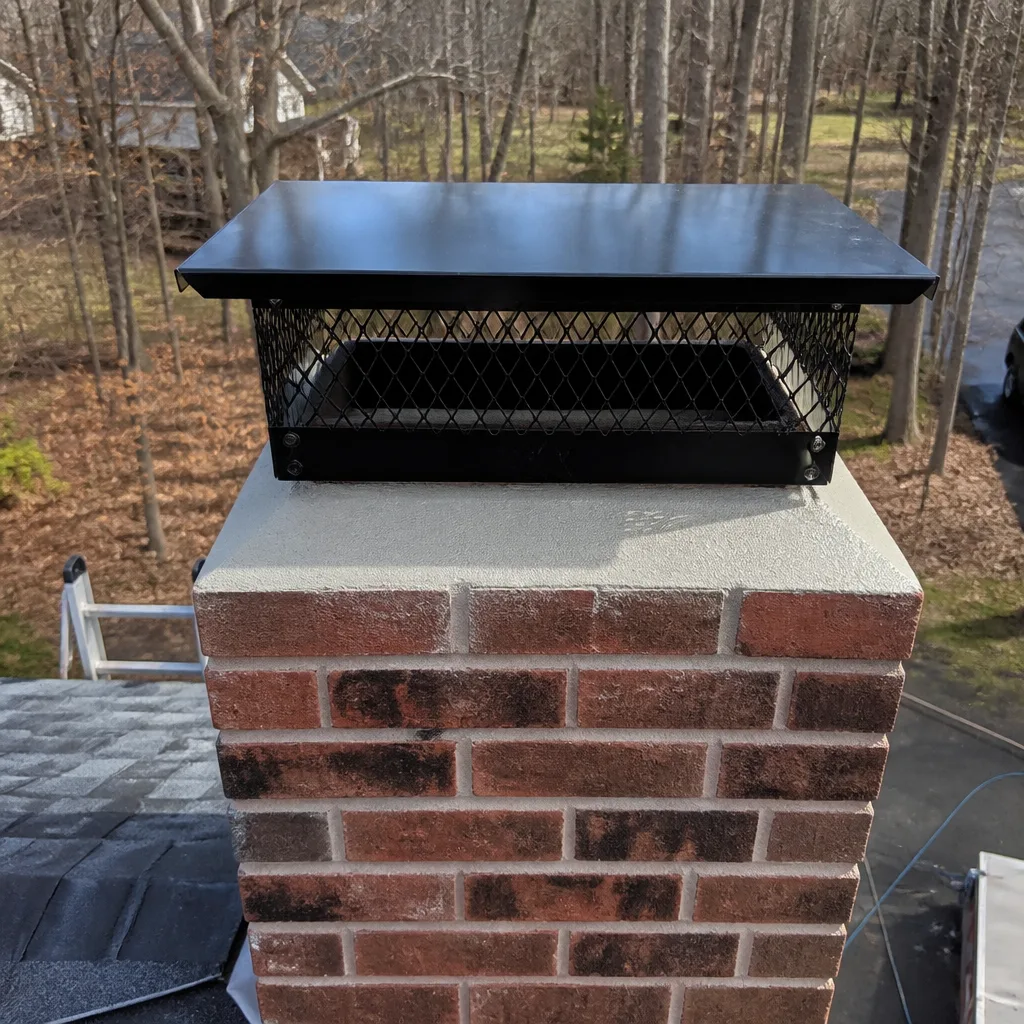 After
After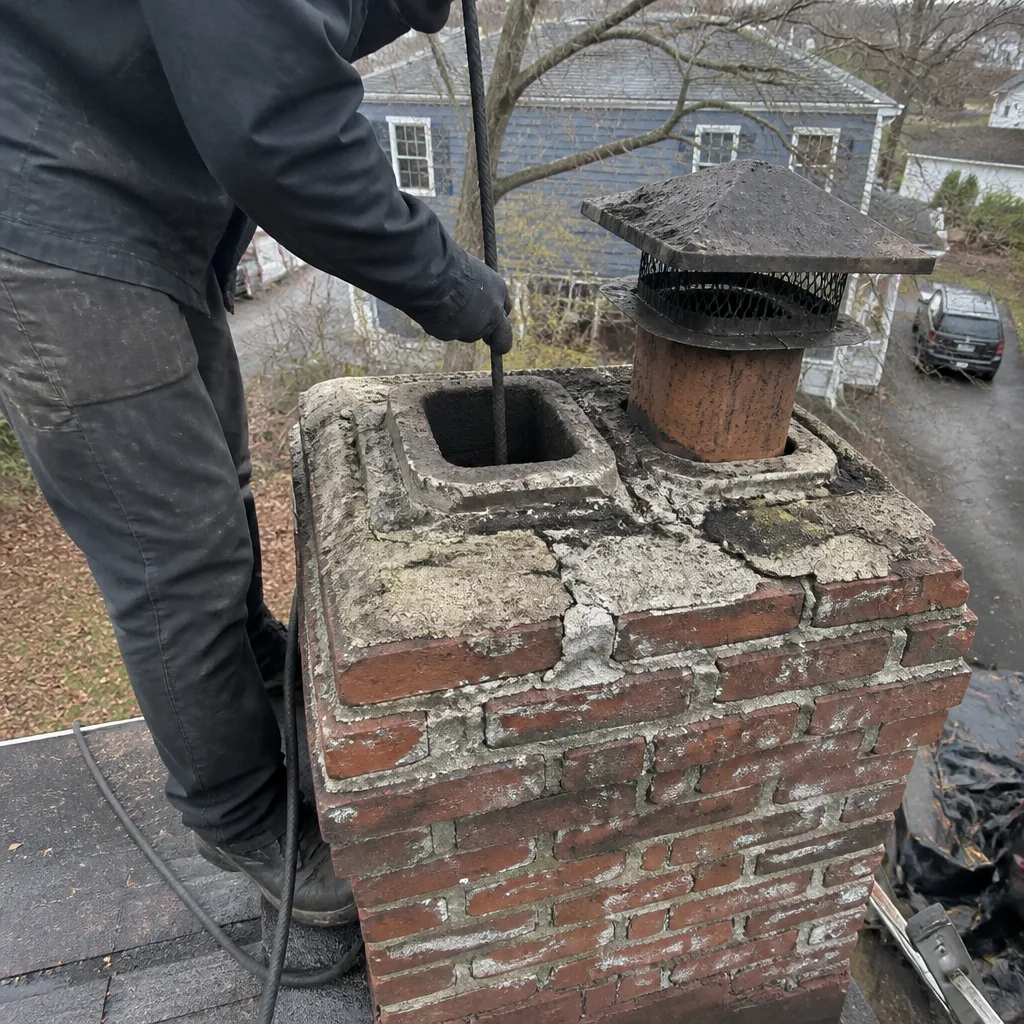 Before
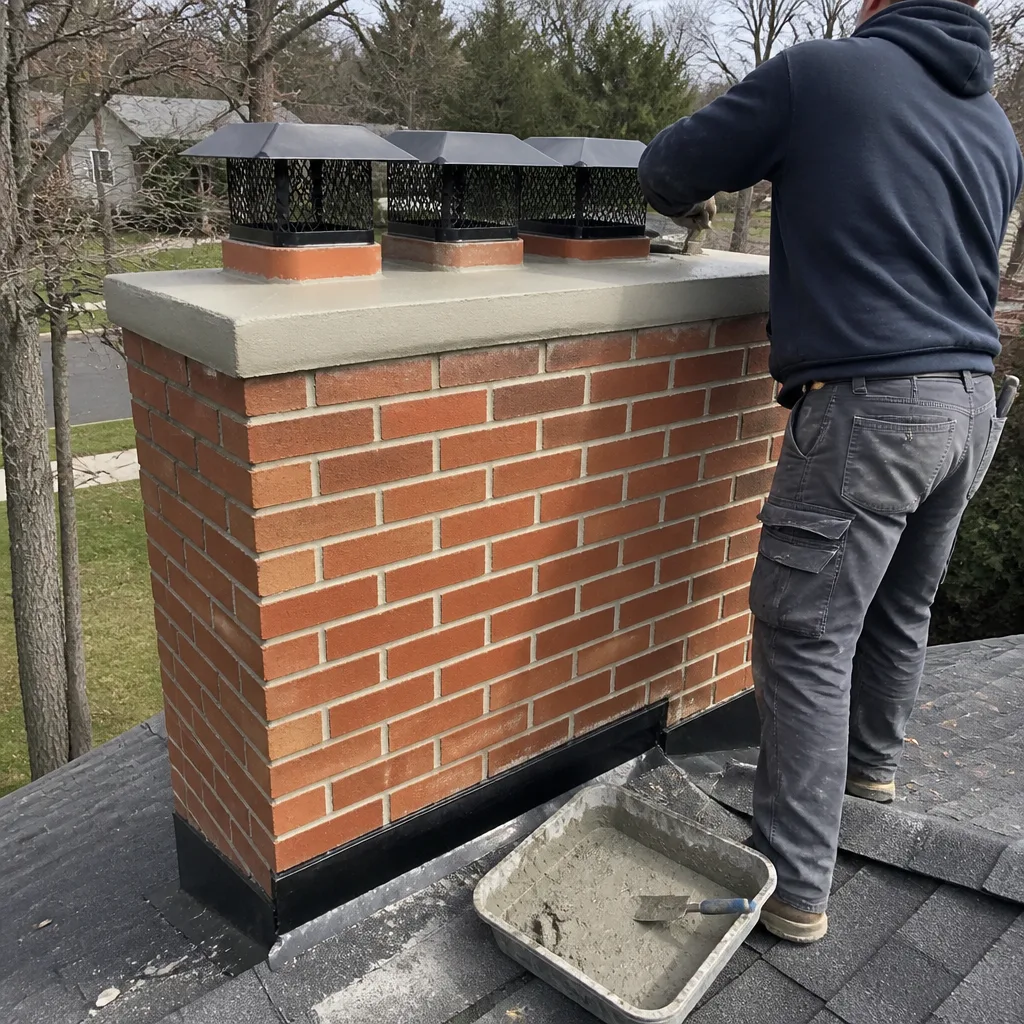 After
After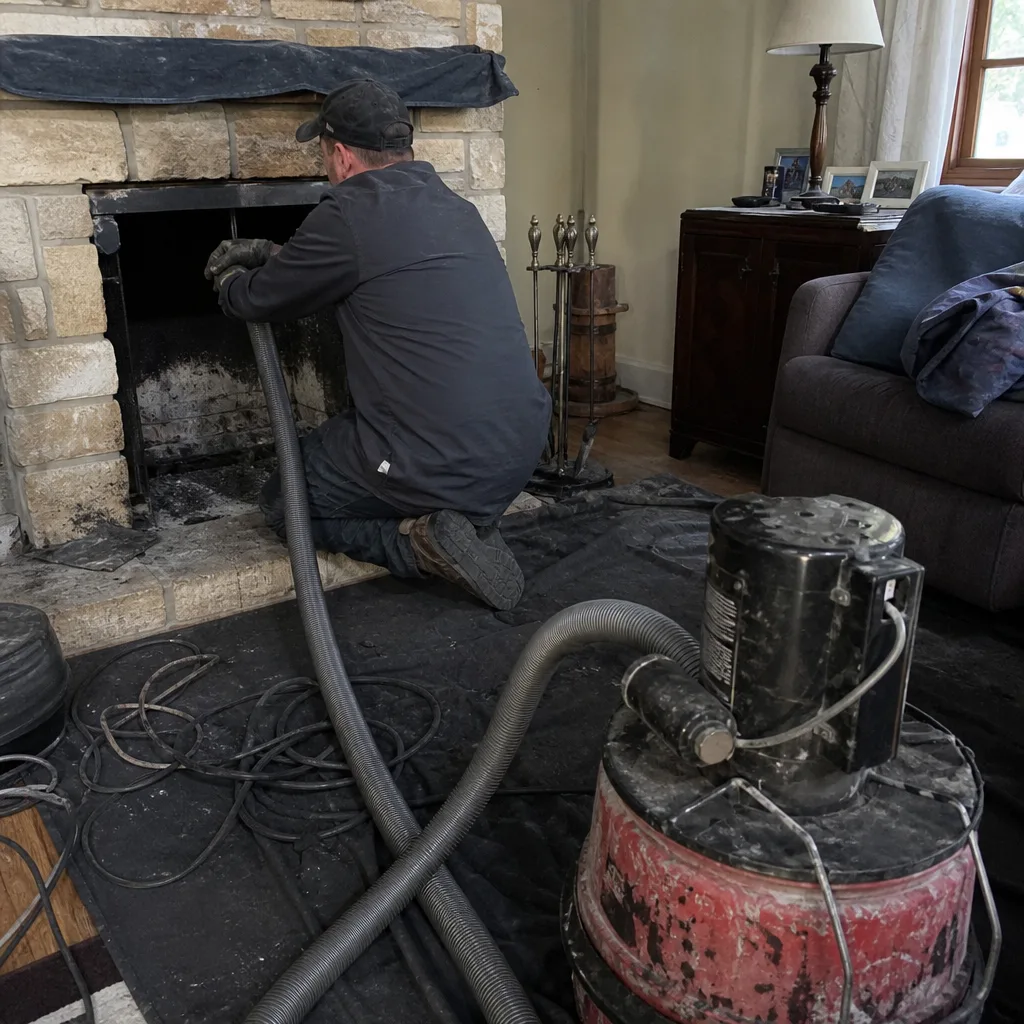 Before
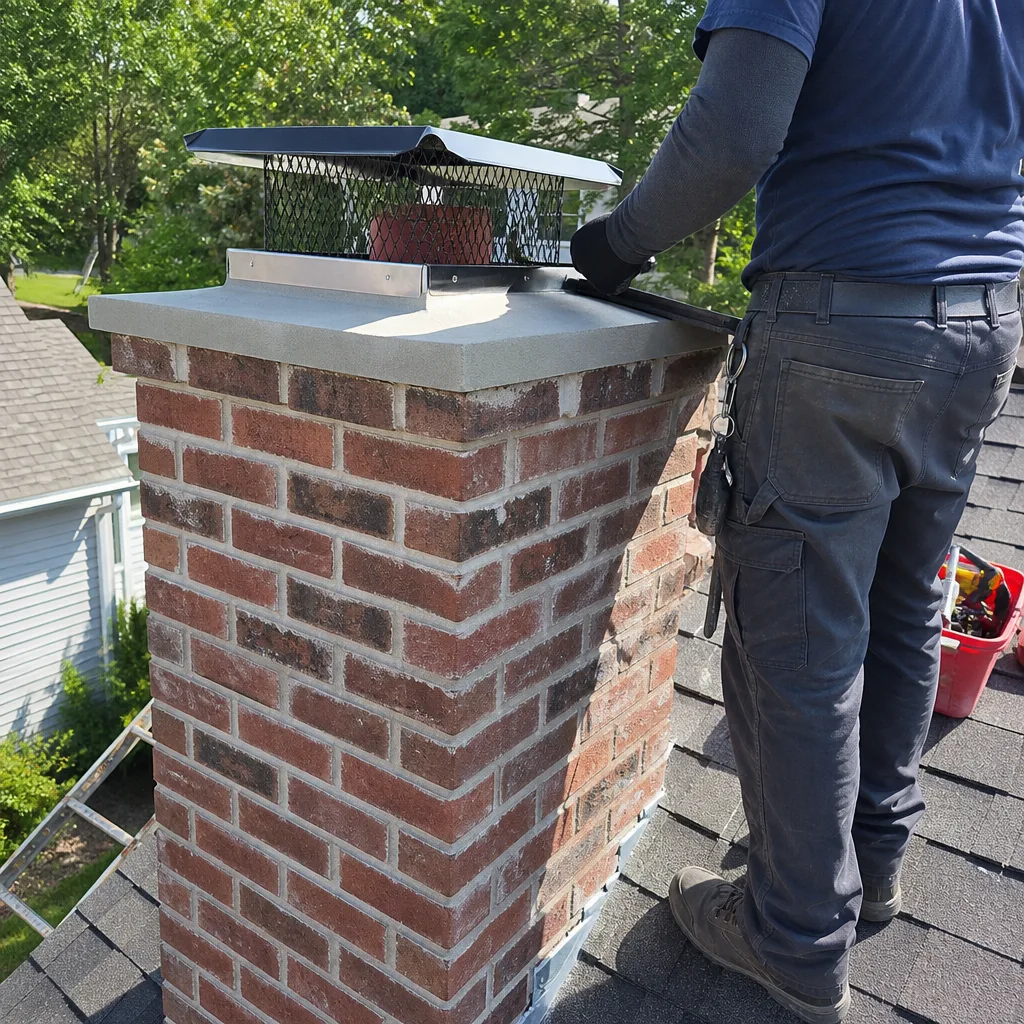 After
AfterWhy Stamford Homeowners Choose DuraFlex Chimney Cleaning
We provide independent DuraFlex Chimney Cleaning & Sweep, inspection, and repair service throughout Stamford, CT, with camera-documented evidence on every job. Our techs work on DuraFlex AL aluminum, PRO stainless, 304 alloy, and 316Ti alloy liners across North Stamford estate homes and Shippan Point coastal properties, and we always hand you a written price before any work begins. We are not a DuraFlex authorized dealer or factory service provider. We are a local Stamford chimney company that services their products daily, uses OEM-compatible components wherever possible, and documents what the camera finds so you never have to take a recommendation on faith. Call (914) 537-8463 to schedule a DuraFlex-specific inspection with a camera down the flue.
Why Trust Level Two Chimney Stamford for Your DuraFlex Chimney Cleaning?
DuraFlex liners fail in specific, predictable ways, and most of what we fix in Stamford follows the same four or five patterns. A seam weld on an AL aluminum liner corrodes through. A 304 alloy liner pits under trapped creosote moisture. A top plate seals poorly and condensation runs down the outside of the flex. Corrine Halstead, our owner, trained in building systems technology before shifting to chimney work because the inspection side of the job, camera down the flue, findings written in plain language, matched how she thinks. For years she has walked Stamford homeowners through footage of their own liners before recommending anything, including a stretch of older colonials near Cove Island Park where deteriorating mortar joints get underestimated until the camera says otherwise. That practice is Clause 4 of the Haven Standard: a documented photo record on every visit, running continuously since 2009. When we clean a DuraFlex liner, you see the before and after. The camera doesn’t guess. Neither do we.
Common DuraFlex Chimney Cleaning Problems We Fix in Stamford
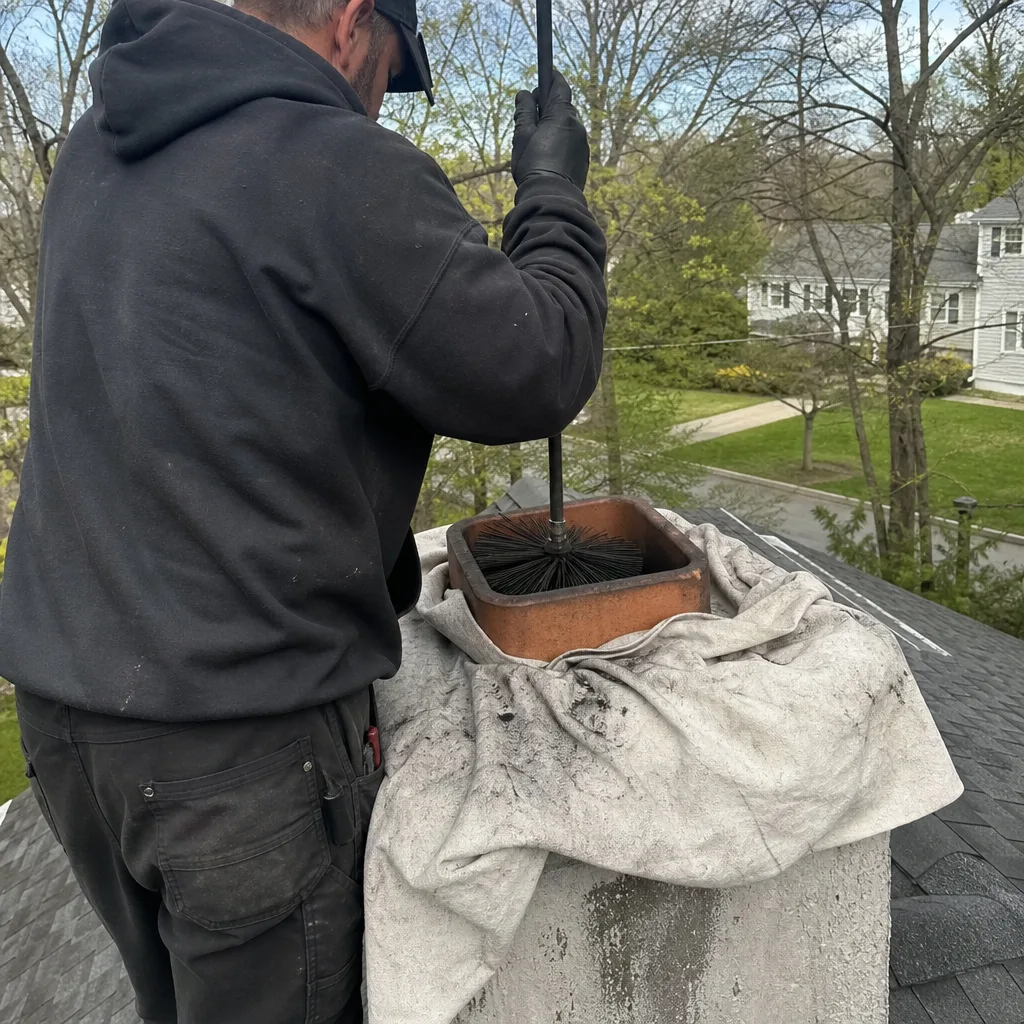
- Seam weld corrosion on DuraFlex AL aluminum liners. The AL series was built for gas appliances, not wood. In Stamford homes converted from oil or coal to gas decades ago, we still find AL liners venting appliances they were never rated for, and the seam welds corrode first. If an AL liner is on a wood-burning insert, that is a replacement situation, not a cleaning one.
- Stage-three creosote gluing corrugated walls on 304 alloy liners. The corrugated interior of a stainless flex liner gives creosote thousands of small ledges to grip. After two or three skipped annual sweeps, dense tar-like creosote can fuse the corrugations together and restrict draft. This is the most common issue we see on wood-burning inserts in North Stamford.
- Interior pitting on 304 alloy under trapped moisture. Creosote holds moisture against the stainless wall. Over repeated burn cycles that moisture works into the alloy and starts pitting, especially where glaze has hardened. A camera scan shows the difference between surface creosote and actual alloy loss. We report which one you have.
- Condensation running down the outside of the flex liner. When a liner-to-flue connection is not sealed properly, flue gases cool and condense on the outside of the flex. The acidic condensate then rots the surrounding masonry from the inside. In freeze-thaw climates like Stamford’s, that moisture also expands in winter and accelerates crown and mortar failure.
- Delamination of the inner foil under repeated thermal cycling. Aluminum and lighter stainless liners expand and contract with every fire. After enough cycles, the inner foil layer can separate from the structural corrugation, restricting draft and creating a spot where creosote accumulates faster than anywhere else in the flue. We catch this on camera before it becomes a full blockage.
BeforeAfterDuraFlex Parts & Our Repair-vs-Replace Approach
We use OEM DuraFlex components whenever the part is available and the fit is exact: top plates, rain caps, connector boots, and liner sections matched to the original alloy. If a part is discontinued, we will recommend a quality aftermarket stainless steel equivalent and tell you why. That is the honest trade-off: OEM guarantees alloy compatibility, while a well-made aftermarket stainless part can perform identically at a lower price when the original is no longer made. Our repair-vs-replace line is simple and we state it before quoting anything: when corrosion, pitting, or delamination has compromised more than 30% of a liner’s length, we advise full replacement rather than a patch. Patching a liner with that much damage buys you a season, not a fix, and we would rather write that on the estimate than find out you spent money twice. We stock common DuraFlex-compatible parts locally for faster turnaround. Call (914) 537-8463 and we will tell you what we stock for your liner model and what must be ordered.
Our DuraFlex Service Process - Step by Step
- 1
Camera diagnosis. We run a camera down the full length of your DuraFlex liner and record what we find, all of it. You watch the footage with us. We identify the liner series, measure creosote class, check seam welds, verify top plate seal, and note any pitting or delamination. A written price follows the diagnosis, not the other way around.
- 2
Repair or replacement, scoped in writing. If the liner is sound, we quote a sweep. If repair is possible, we quote the exact parts and labor. If more than 30% of the liner length is compromised, we state plainly that replacement is the honest call, and we quote the full job, liner series, alloy, connection type, and warranty, before anything is scheduled.
- 3
Test and verify. After cleaning or repair, we run the camera again. You see the result: creosote gone, seams clean, connections sealed. We check draft with a smoke test or pressure reading, then document the final state.
- 4
Written warranty and photo record. You leave with photos, camera footage, a written scope of what was done, and a written warranty under the 365-Day Done Right Promise. If it is not done right, we make it right. Clause 4 of the Haven Standard requires the photo record. It has been our standard since 2009.
DuraFlex Products We Service & Install in Stamford
We service and install the full DuraFlex residential liner range in Duraflex service in Stamford: the AL aluminum liner for gas appliances, the PRO stainless steel liner for wood and pellet, the 304 alloy flex liner for typical wood-burning fireplaces and inserts, and the 316Ti alloy liner for higher-temperature or marine-exposure applications. On Shippan Point, where salt air off Long Island Sound eats through standard steel caps in five to seven years, we commonly recommend 316Ti or a marine-grade stainless equivalent for any exterior component. We stock common top plates, rain caps, and connector boots locally and order liner sections to the exact length and alloy your chimney needs.
We Also Service These Brands
Beyond DuraFlex, our Stamford techs regularly service HeatShield ceramic coating systems and Gelco chimney caps and chase covers, and we work with several other major manufacturers daily. We are not a single-brand shop. That means our recommendation on a liner or repair is based on your chimney and your fuel type, not on what we happen to sell.
FAQs - DuraFlex Chimney Cleaning Service in Stamford
It is not. The AL series is rated for gas only. If your Stamford home has a DuraFlex AL liner on a wood-burning fireplace or insert, that liner is outside its rating, and continuing to burn wood creates a creosote and fire risk the aluminum was never designed to handle. We can confirm the liner series with a camera scan and quote a proper stainless replacement if yours is mismatched.
Yes, and the method matters. We use poly brushes sized for flex liners, never metal bristles, because steel brushes can scratch or tear the corrugated foil interior and create new creosote catch points. On heavy stage-three creosote, we use a rotary whip with a poly brush head, which removes the glaze without cutting into the liner wall. Our tech recently serviced a Stamford colonial with a 304 alloy liner that had skipped three years of sweeps; the camera showed dense creosote gluing the corrugations together. We removed over two gallons of creosote with the rotary whip, confirmed no interior pitting on the follow-up scan, resealed the top plate, and advised another camera scan the next season to verify the liner stayed clean and sound.
Condensation on the outside of the flex liner almost always means a failed seal at the liner-to-flue connection, usually at the top plate or connector boot. Flue gases escape the liner, cool against the masonry wall, and condense as acidic moisture that then runs down the outside of the flex and rots the surrounding brick and mortar. In Stamford’s freeze-thaw winters that trapped moisture also expands as ice and accelerates crown damage. The fix is resealing the connection and verifying the seal with a camera scan.
Annually, and more often if you burn more than three cords a season or burn unseasoned wood. Stamford’s freeze-thaw cycles do not change creosote production much, but they do make any moisture trapped against the liner more destructive, so we lean conservative. A clean liner dries faster, and a dry liner is less likely to pit or delaminate. If you are on an annual sweep schedule and burning good wood, once a year covers it. Call (914) 537-8463 if you want an exact recommendation for your insert, your wood, and your burn rate.
We see 304 alloy liners in Stamford last 15 to 25 years with annual cleaning and good draft, while AL aluminum liners on gas appliances typically run 10 to 20 years before seam weld corrosion starts to show. 316Ti alloy liners hold up longer, especially on Shippan Point or anywhere near the Sound, where salt air shortens the life of steel components dramatically. The failure point on most liners is not the alloy itself; it is neglect. Skipped sweeps trap creosote, creosote holds moisture, moisture pits the steel. A documented camera scan every few years catches that early.
A standard DuraFlex liner sweep in Stamford generally runs $220 to $380, depending on liner length and creosote class. Heavy stage-three creosote requiring rotary whip removal adds $100 to $200. A Level 2 camera inspection, which we include on every visit, is not an add-on; it is the baseline. If the camera finds damage requiring repair or liner replacement, you get a written price for that work before anything is scheduled, so the number never surprises you. Call (914) 537-8463 for an exact quote on your liner. Estimates are free.
Book Your DuraFlex Service in Stamford, CT
If your DuraFlex liner has not been swept in the last year, or if you want a camera-documented answer on whether it is still sound, call (914) 537-8463. We answer live, 24/7. You will get a written price before any work starts and a photo record when it is done.
Written by Corrine Halstead, Owner at Level Two Chimney Stamford, serving Stamford since 2009.