
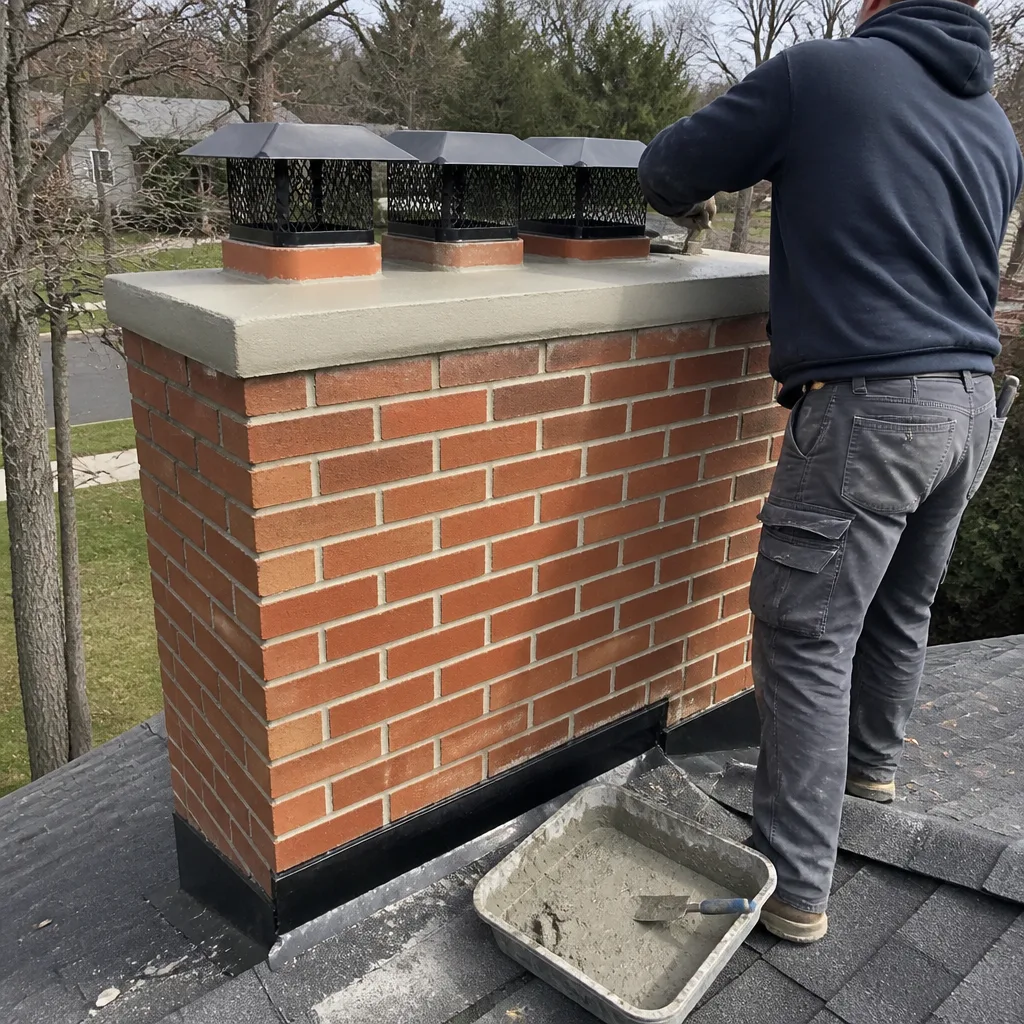
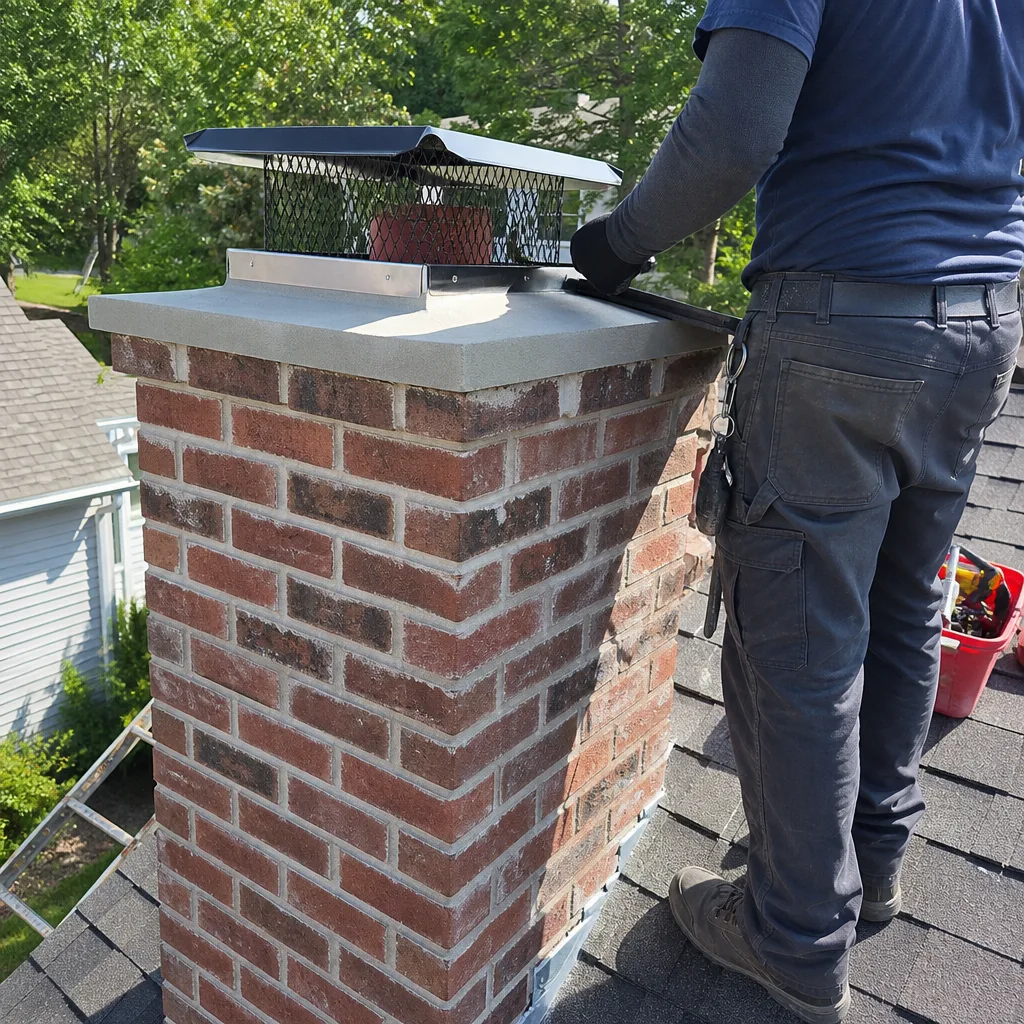
Level 1 sweep and inspection to the NFPA 211 annual standard - flue, crown, cap, and flashing checked and photographed
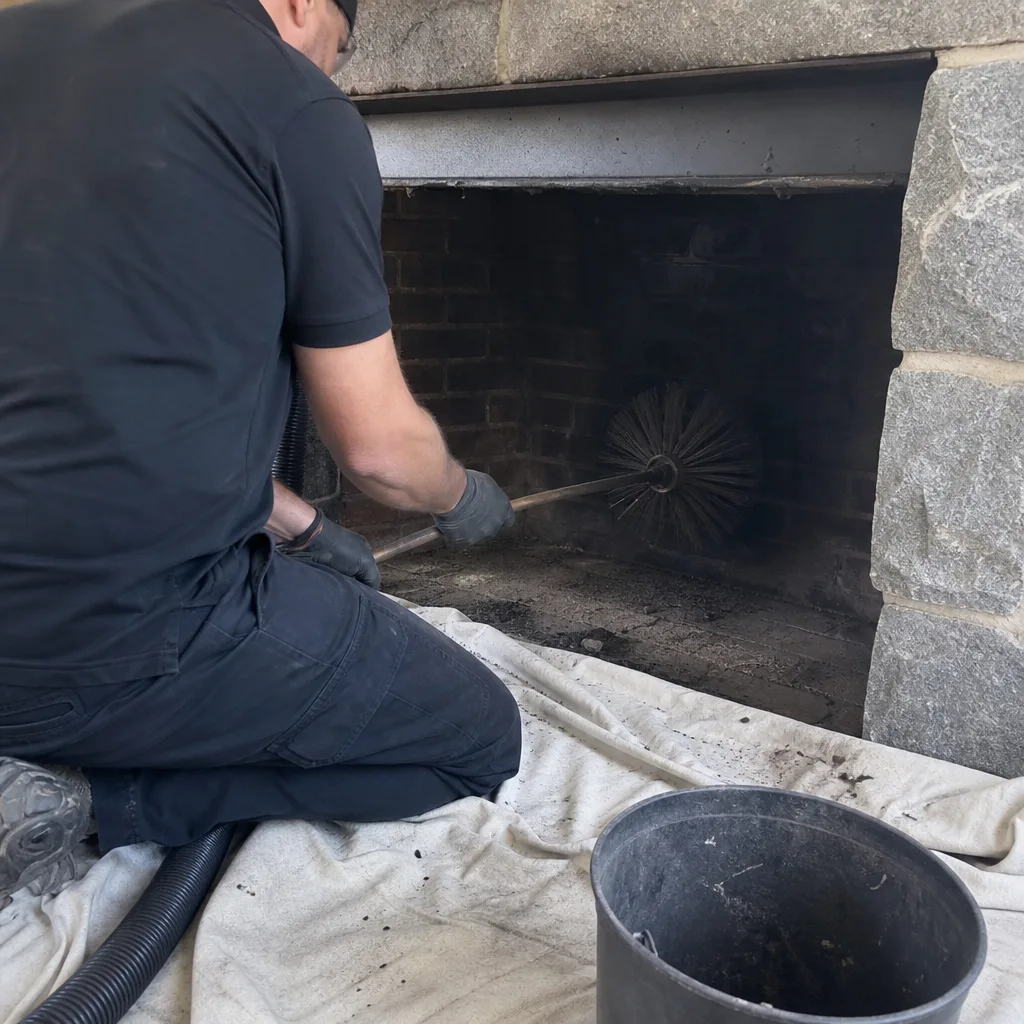
Chimney sweep logs do not sweep chimneys. They loosen some creosote - which then falls where a brush and vacuum still have to collect it.
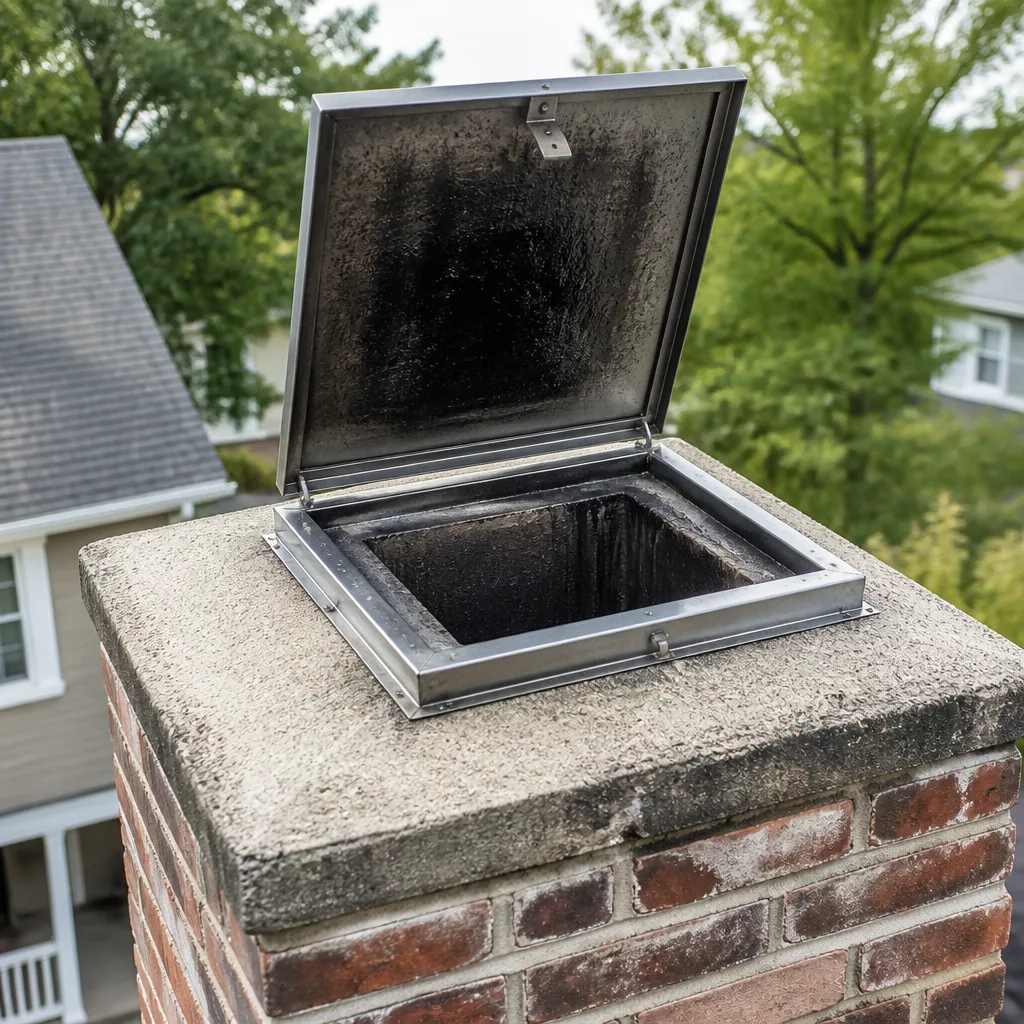
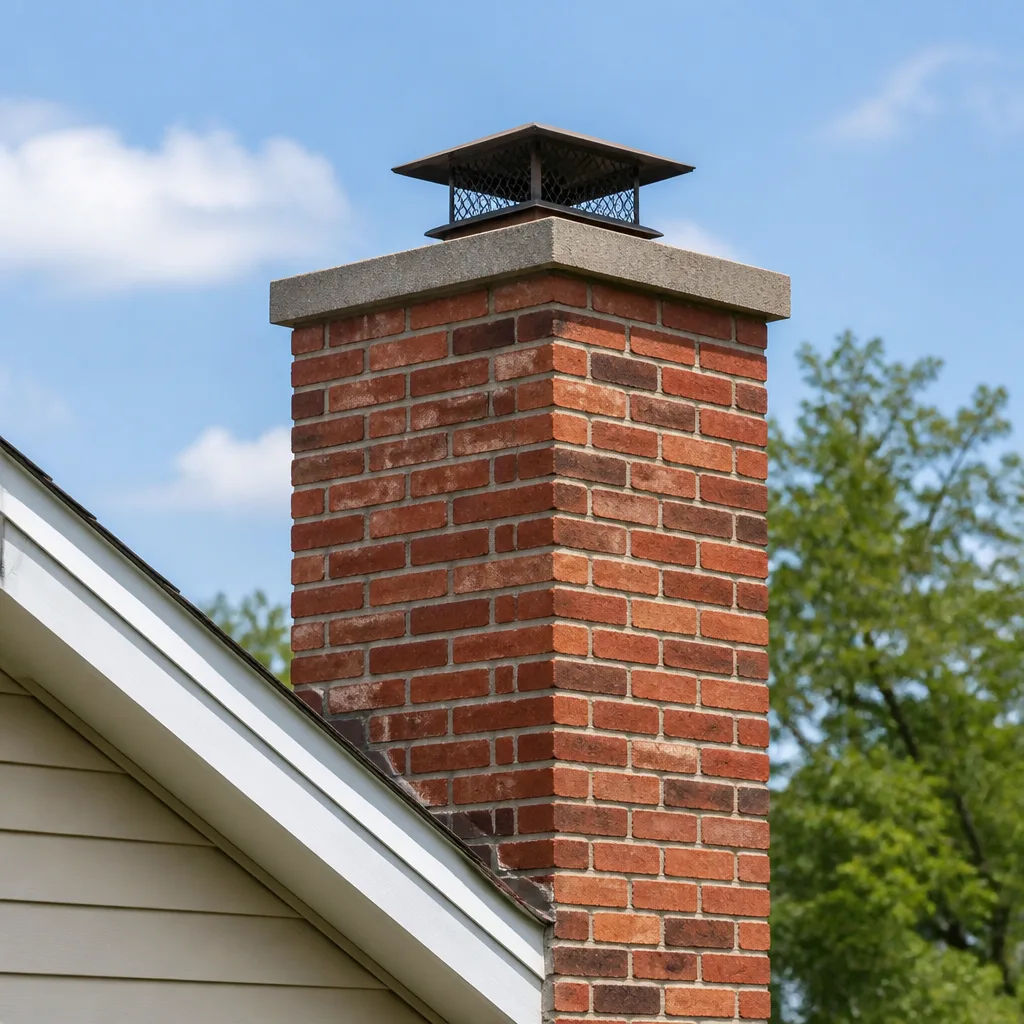
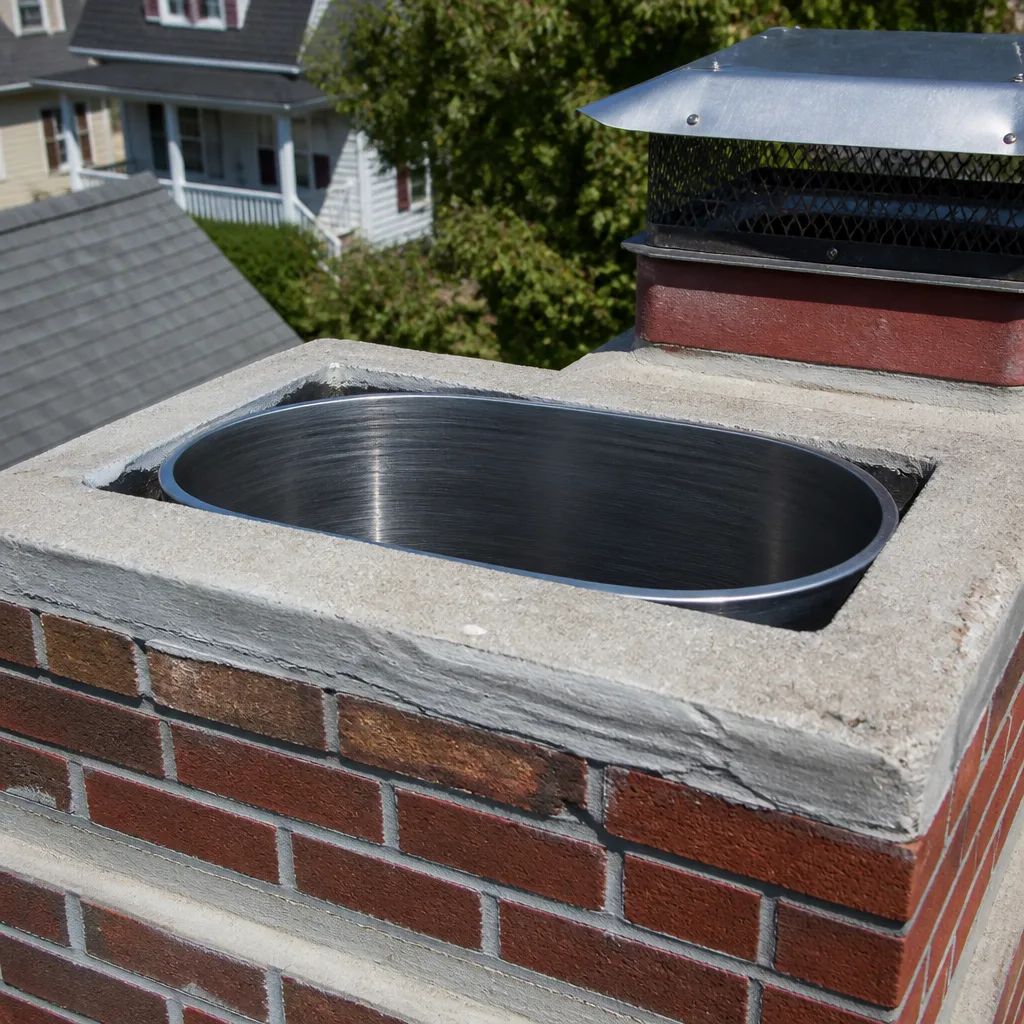
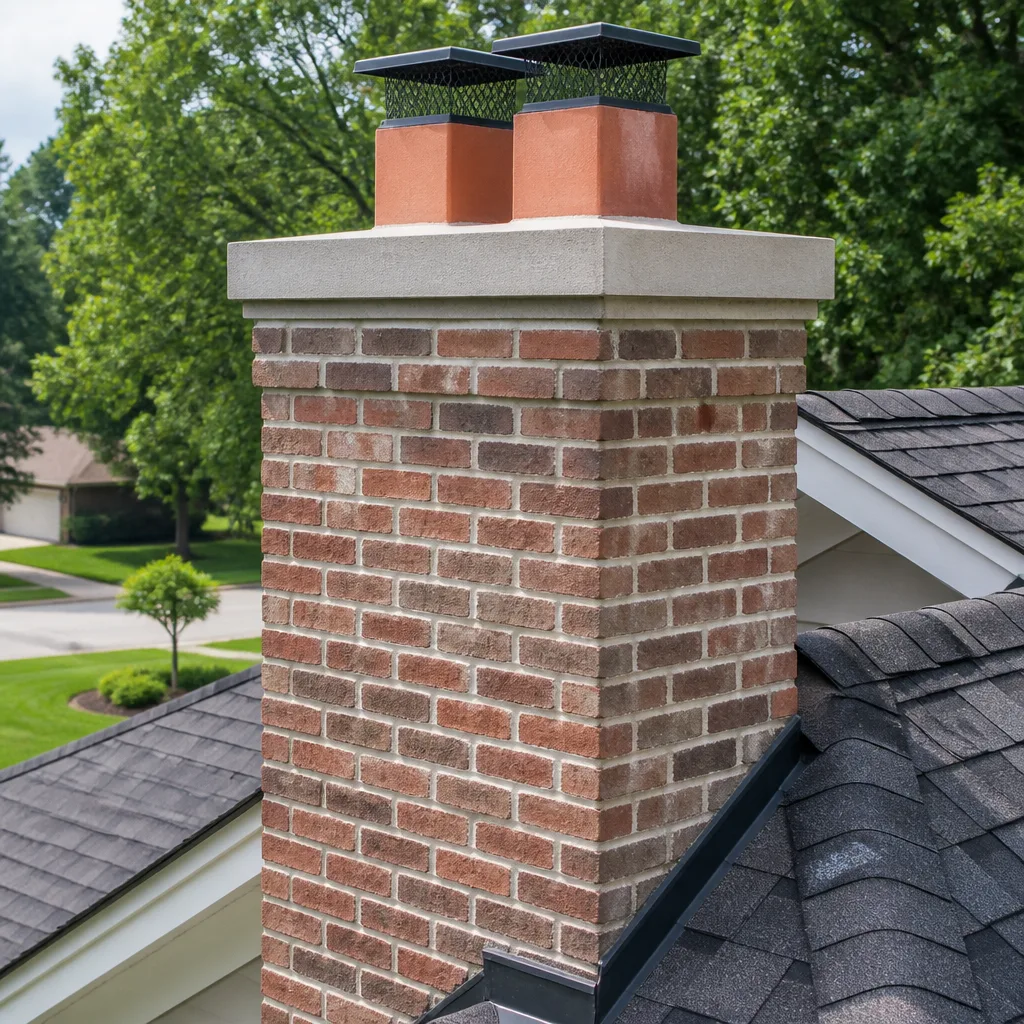
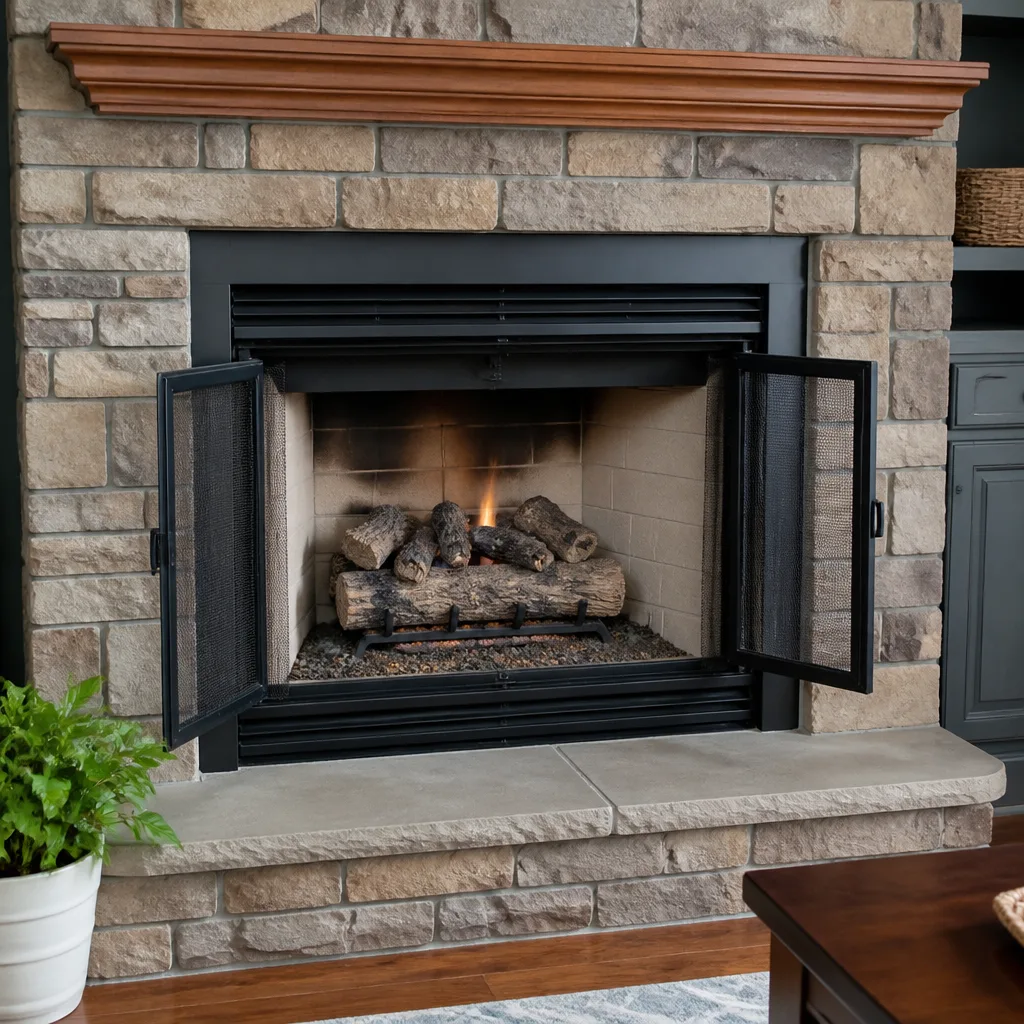
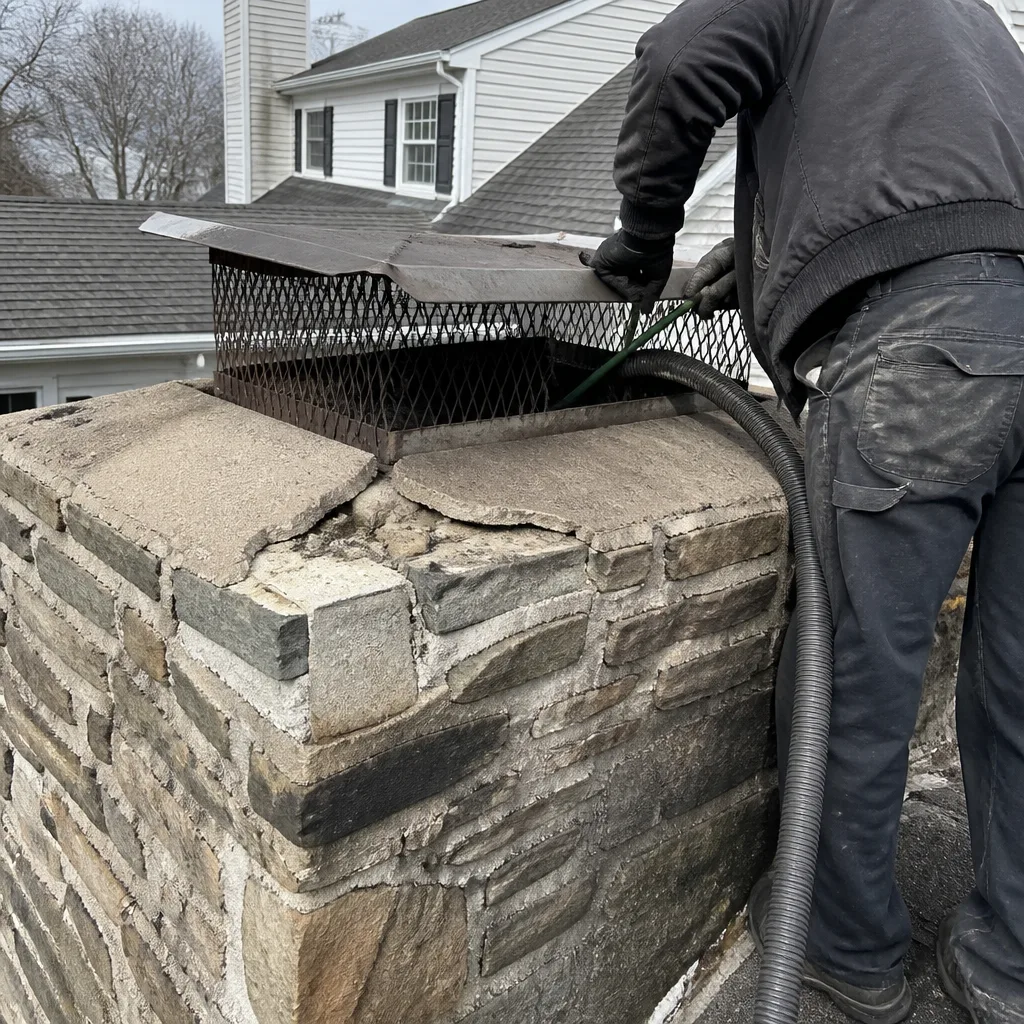 Before
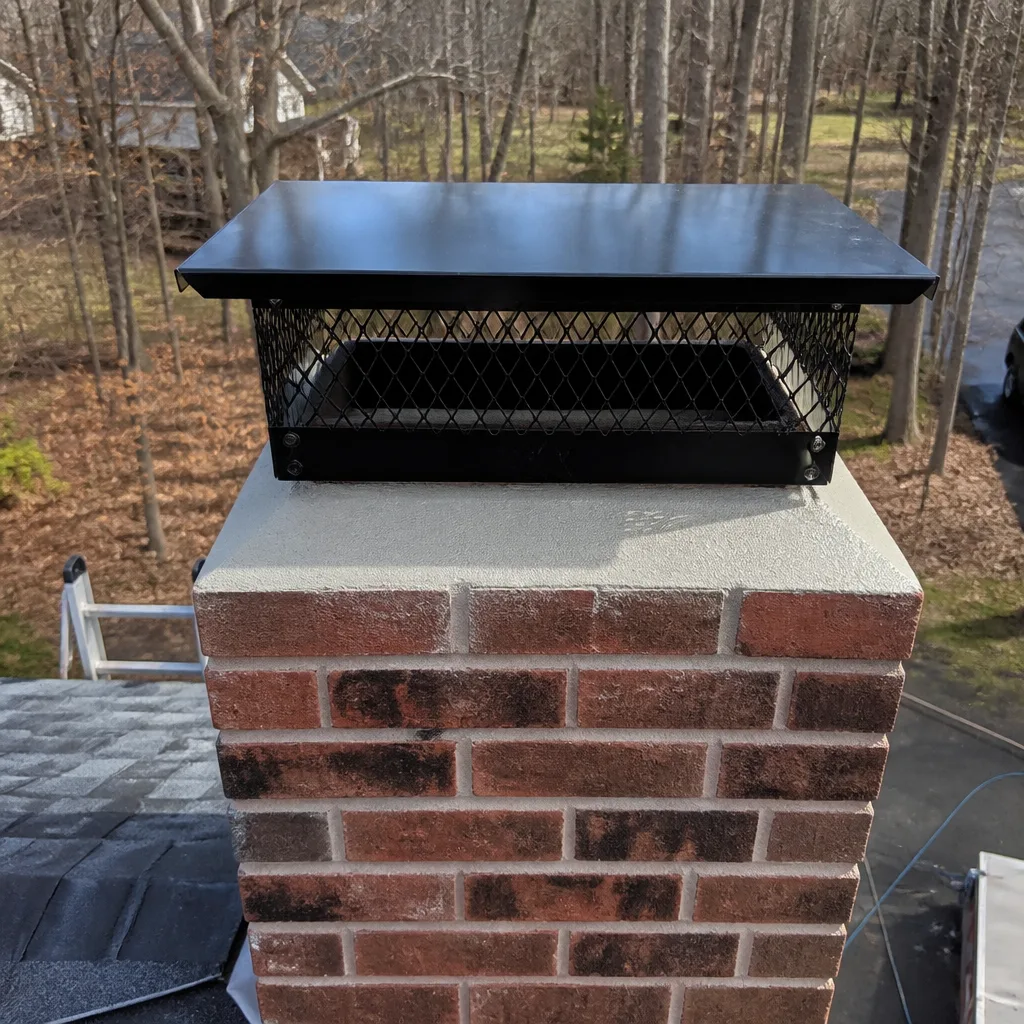 After
After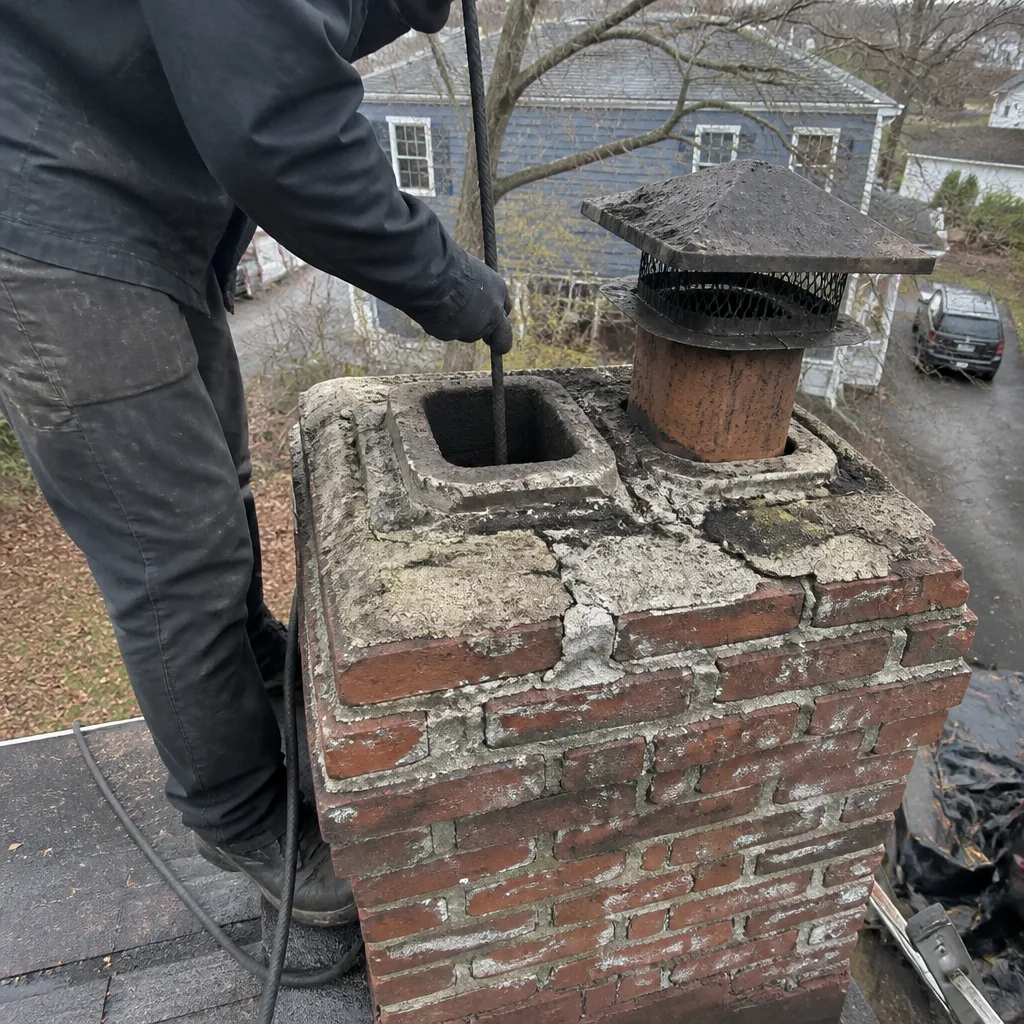 Before
 After
After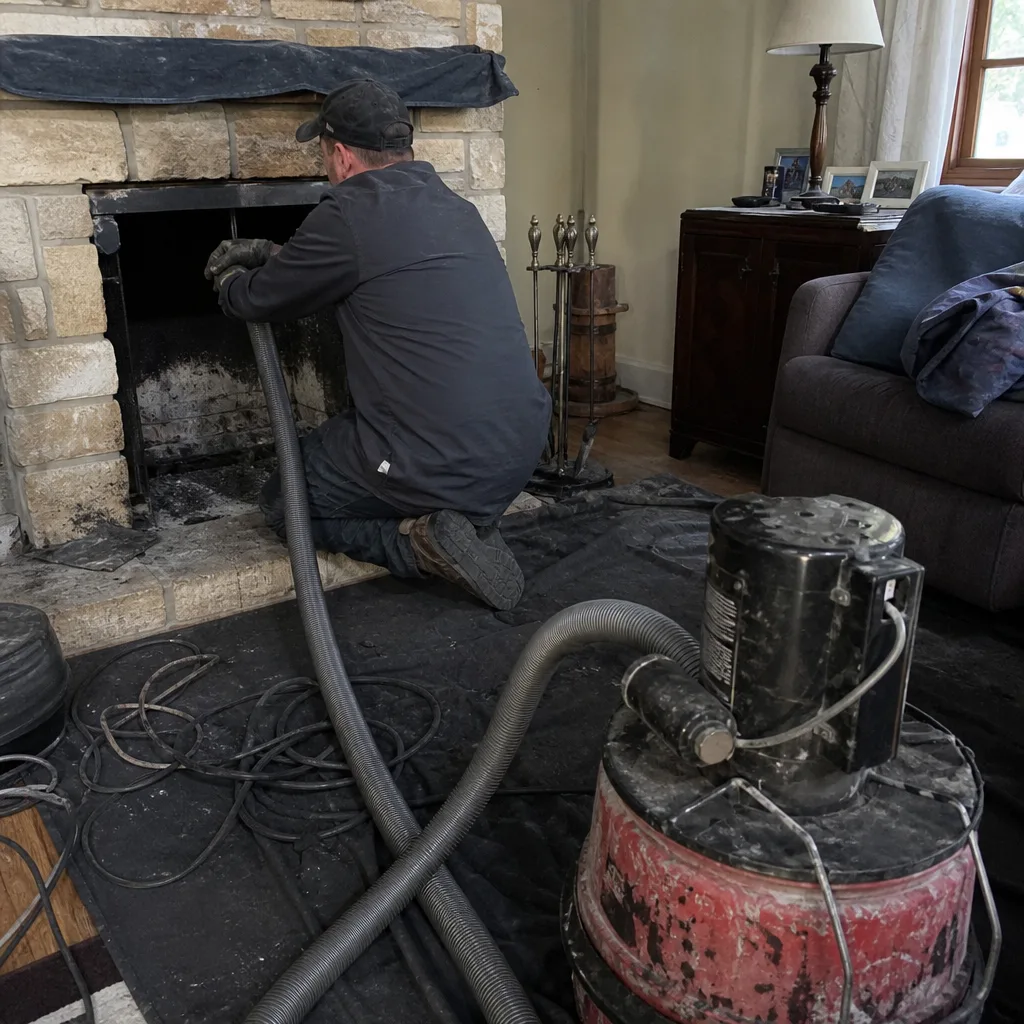 Before
 After
AfterDuraFlex Chimney Cleaning & Sweep in Stamford: What to Know First
DuraFlex chimney cleaning and sweep in Stamford typically runs $189 to $310 for a standard Level 1 sweep, and $249 to $389 when a camera-scan Level 2 inspection is included. Most DuraFlex-related sweeps are completed the same morning and are quoted in writing before work starts. If you own a home with a DuraFlex liner, this page explains what we find inside them, what it costs to clean them properly, and what the camera record looks like when we’re done. Call Level Two Chimney Stamford at (914) 537-8463 for a written estimate.
This page is for Stamford homeowners with a DuraFlex flue liner already installed, or someone weighing one against a HeatShield or Gelco system. You want to know how your liner holds up to cleaning cycles, what the failure points are, and whether the next sweep is going to turn into a bigger conversation.
How DuraFlex Products Fail - and How We Fix Them
DuraFlex liners are common in Stamford homes, especially in converted fireplaces from the 1970s through 1990s. Most are made from 316L stainless steel, which resists the acids in flue gas reasonably well, but the liner is only as good as the installation and the way it’s been cleaned since. Here’s what we actually see.
- Creosote glazing inside the corrugated profile (DuraFlex 316L liner): The ridges on a DuraFlex liner create surfaces where creosote collects faster than on a smooth-wall clay flue. When an older fireplace transitions from wood to gas and back again, or burns unseasoned wood, Class III creosote can set up in those corrugations. A standard brush pass doesn’t always get it. We use a rotary whip with poly or stainless heads depending on liner condition, and we check with the camera before calling the job done. Corrine Halstead has pulled glazed chunks out of a DuraFlex liner near Cove Island Park that a prior company’s brush had simply skipped over.
- Ovalization at the liner’s lower connection (common on DuraFlex oval-to-round adapters): The transition piece where a round DuraFlex liner meets an oval outlet is a known thinning point, especially on liners installed before 2005. We see this on Stamford colonials too, because the heating cycle plus acid condensation works that seam harder than the rest of the flue. During a cleaning, we inspect that adapter with the camera at close range. If the metal is pitted or the seam is separating, the correct fix is liner section replacement, not more sealant.
- Insulation wrap breakdown (DuraFlex installations without pour-down insulation): Some DuraFlex liners were installed with a thin insulation wrap rather than a full pour-down. In Stamford, where winter flue temperatures swing hard, that wrap compresses and sags over time. The result isn’t visible from the firebox, but the camera shows narrowing at the sag point. We document it, measure the clearance-to-combustible at that section, and tell you plainly whether it’s a safety issue now or a watch item for next year.
- Damper misalignment after liner install (DuraFlex models paired with fireplace dampers): The damper plate often gets bent or scraped during liner installation and then sticks. That’s not a DuraFlex manufacturing issue, but it’s common on DuraFlex-equipped fireplaces in Stamford. If the damper doesn’t fully open, the liner can’t draft properly, and the extra creosote becomes a cleaning problem we have to address every year. We check damper travel on every sweep and flag it in the photo record.
- Cap and crown retrofits over existing DuraFlex liners: When a chimney crown was poured around a DuraFlex liner after installation, the bond between metal and mortar always leaves a gap eventually. Freeze-thaw cycles in Stamford open those gaps within three to four winters. Water tracks down the outside of the liner, and that water finds its way into the firebox, not through the liner, but around it. The camera record at the crown level tells you exactly what’s happening, and the fix is typically a proper cap and crown seal, never a liner replacement or a liner that’s actually fine.
Our DuraFlex Chimney Cleaning & Sweep Process
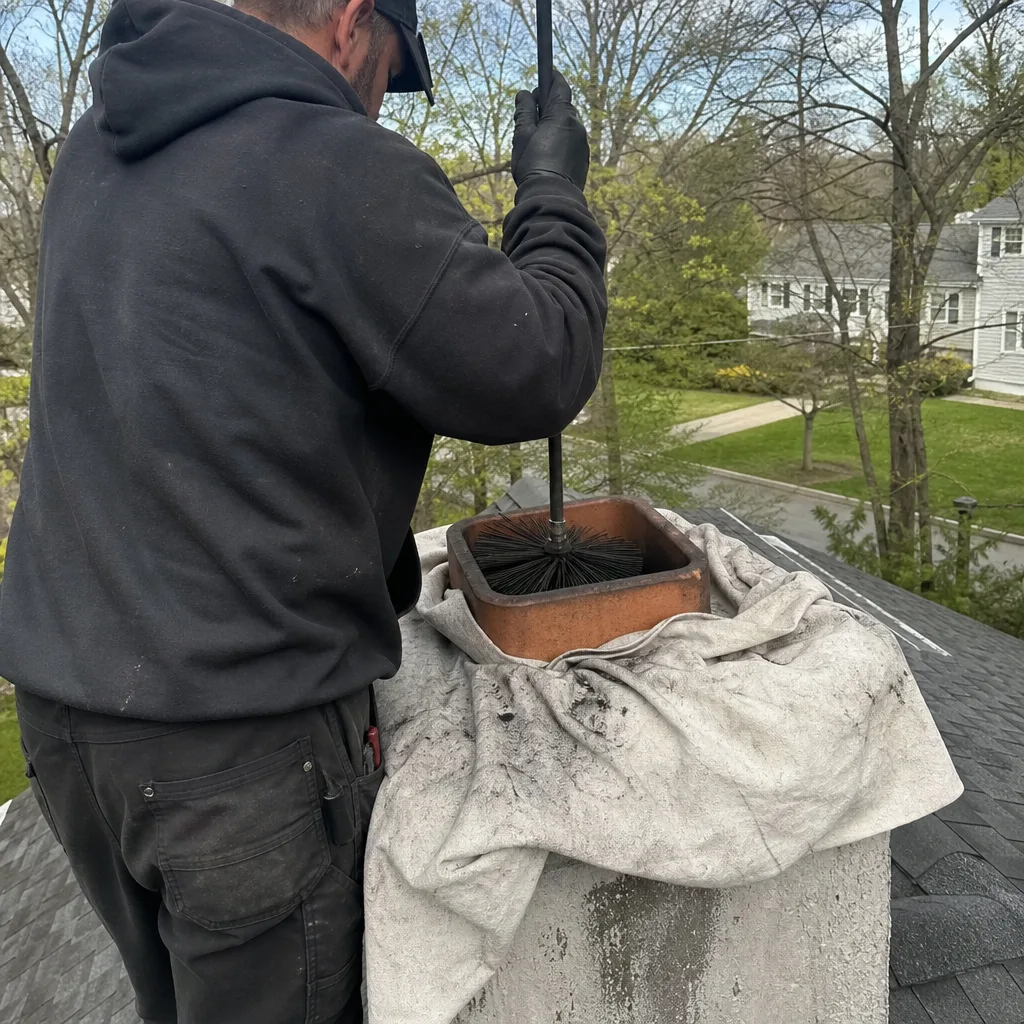
Every DuraFlex job we do in Stamford follows the same sequence, and Clause 4 of the Haven Standard requires a photo record on every visit. Here’s how it works from the first call.
- 1
Scheduling and written price. You call (914) 537-8463, a person answers. We confirm the chimney type and the last known service date, then give you a written price for the sweep and the Level 2 camera inspection before a truck is scheduled. No one arrives without a written scope.
- 2
Setup and containment. The tech lays drop cloths from the entry to the hearth, runs a HEPA-rated vacuum, and protects the surrounding floor. The fireplace gets sealed off so that the sweep stays in the flue, not your living room.
- 3
The camera-scan inspection (NFPA 211 Level 2). We run the camera down the full length of the DuraFlex liner, from the cap to the smoke chamber. You see the footage. If there’s a corrosion point, an ovalization stress line, or a creosote buildup, we point to it on the screen and tell you what it means in plain terms. Corrine’s known for walking customers through the footage herself rather than leaving it to a report summary.
- 4
The sweep. Based on what the camera showed, we select the right tooling. For straight 316L DuraFlex liners, a rotary whip with poly heads usually does it. For glazed Class III creosote, we switch to stainless heads and work in controlled passes. We never use a heavy steel brush on a DuraFlex liner unless it’s already failed and being replaced.
- 5
Post-sweep camera verification and photo record. The camera goes back down. You get a documented photo record of before, after, and any findings, which is Clause 4 of the Haven Standard, and it’s included on every visit.
- 6
Written report and warranty. You leave with a written scope of what was done, a written price for any recommended follow-up work, and the 365-Day Done Right Promise stamped on the job. If it’s not done right, we make it right. That applies to DuraFlex work the same as any other.
BeforeAfterWhat DuraFlex Chimney Cleaning & Sweep Costs in Stamford
Here are the numbers for the most common DuraFlex scenarios in Stamford, quoted flat, not as a starting point.
- Standard Level 1 DuraFlex chimney sweep: $189 to $239, depending on flue height and creosote class.
- Level 2 camera-scan inspection plus sweep: $249 to $389. The camera portion alone is $139 when scheduled with a sweep.
- Class III creosote removal with rotary treatment: $310 to $460. This is a longer job and the price reflects the extra passes and tooling.
- Camera-only inspection, no sweep: $139. This is what we recommend before you buy a house with a DuraFlex liner, or when you just need to document condition for insurance.
- Liner section replacement (corroded lower section or failed adapter): $860 to $2,400, depending on the section length, access, and whether we can reuse the existing cap and crown. We always price this in writing and show you the camera footage that justifies it. If the liner is sound, we say so, and we don’t try to sell you one.
What moves the price is the creosote class, the flue height, and the condition of the lower adapter. Liner replacement is a separate conversation, and we will never fold one into a cleaning quote without camera evidence you can see. For a written estimate on your DuraFlex chimney in Stamford, call (914) 537-8463.
Why Stamford Homeowners Call Level Two Chimney Stamford for DuraFlex Work
Because the camera doesn’t guess. Neither do we. That’s the standard we work to, and it’s in writing before we touch a single brick.
We’ve cleaned and inspected more than 38,000 chimneys since 2009, every one with a written price before work started and a documented record when it was done. That practice became Clause 4 of the Haven Standard, and it’s not optional on any job, including a DuraFlex sweep. Our technicians are background-checked, uniformed, and assigned by name before the truck leaves. You get a text when they’re on the way. The 365-Day Done Right Promise covers the work, and a Free Second Opinion on any written estimate is always available, even for a liner quote from another company.
And because we also service HeatShield and Gelco systems, we can tell you honestly how your DuraFlex liner compares in your specific setup, rather than pushing whatever we happen to sell. When an older DuraFlex liner has failed, the answer is sometimes a replacement, sometimes a HeatShield resurfacing, and sometimes just better crown sealing. You’ll see the footage that drives the recommendation.
FAQs
No. DuraFlex warranties concern material and manufacturing defects, not routine cleaning performed by a professional service. What does harm a liner is aggressive tooling, particularly steel brushes used on thin-gauge sections, and that’s why we match the tooling to the liner condition rather than using one brush on everything. We document the liner’s condition before and after every sweep, so if a warranty claim ever comes up, you have the photo record to support it.
If you have a specific DuraFlex warranty question, call (914) 537-8463 and we’ll walk through it with you.
If you’re burning the same wood and the same fires as always, and the liner passes a camera-scan inspection, the answer is usually a good cleaning. Replacement becomes the conversation when the camera shows through-corrosion, a separating lower adapter, or sagging that compresses the flue opening below safe draft levels. We don’t recommend replacement without showing you the footage, and we don’t offer to clean a liner we’d be worried about running a brush through.
Bring us another company’s written liner quote and we’ll give you a free second opinion. Call (914) 537-8463.
Once a year if you burn wood from October through March, which covers most Stamford heating seasons. Gas fireplaces with a DuraFlex liner can go two to three years between cleanings, though we recommend a camera check at the two-year mark to catch condensation issues early. The relevant number is the amount of creosote, not the calendar, and the only way to know that number is the camera, not intuition.
To schedule an annual sweep or just a camera check, call (914) 537-8463.
Yes. We source materials directly from DuraFlex, along with HeatShield, Gelco, Olympia Chimney, Famco, and Copperfield, through Haven’s buying network. When a DuraFlex liner section or an adapter needs replacement, we use OEM DuraFlex components where available and where the original installation calls for them. On some repairs, a quality aftermarket part is genuinely the better call, and when that’s true, we tell you why and quote both options.
For a specific parts availability question, call (914) 537-8463 and we’ll check current stock.
Creosote builds inside the corrugated profile of the liner, and once it glazes into Class III, it’s no longer a brush job. The draft number drops, the fireplace smokes, and in a worst case, the creosote ignites and becomes a chimney fire. Stainless liners get tested to very high temperatures, but a chimney fire can still warp the liner and crack surrounding masonry, and the repair bill is always higher than a sweep. Stamford homes with older exterior chimneys feel this faster because the flue stays cold through the winter and creosote condenses more readily.
If it’s been a while, don’t wait. Call (914) 537-8463 for a written estimate on a camera scan and sweep.
Written by Corrine Halstead, Owner, Level Two Chimney Stamford at Level Two Chimney Stamford, serving Stamford and nearby areas.