
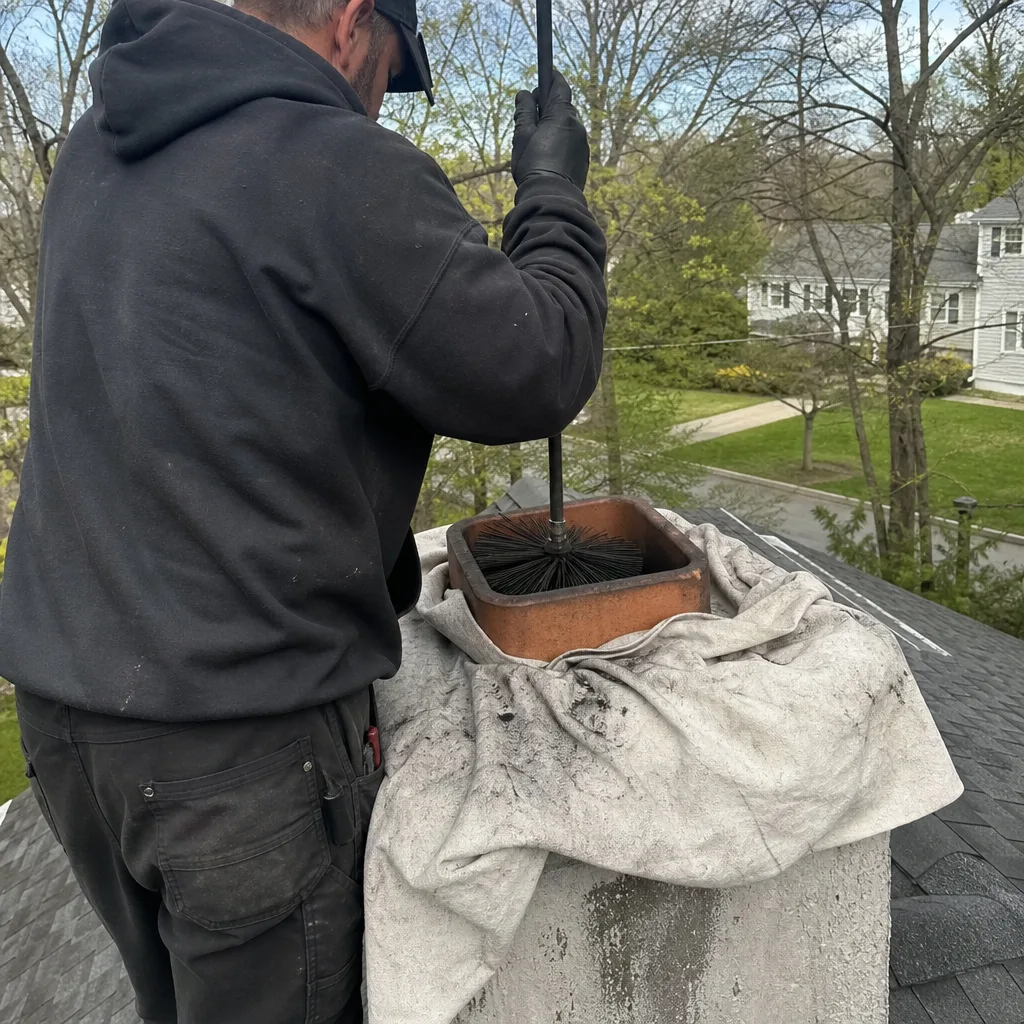
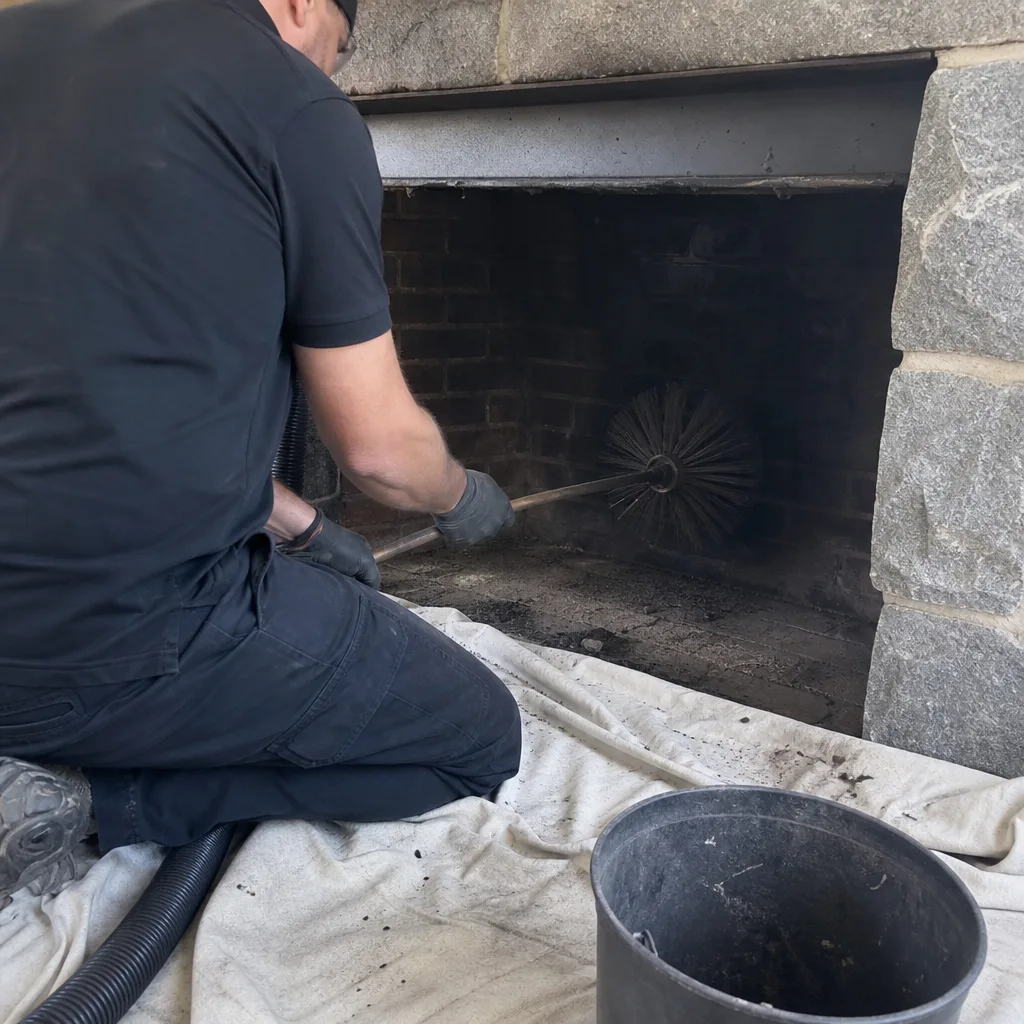
Level 1 sweep and inspection to the NFPA 211 annual standard - flue, crown, cap, and flashing checked and photographed
Chimney sweep logs do not sweep chimneys. They loosen some creosote - which then falls where a brush and vacuum still have to collect it.
 Before
 After
After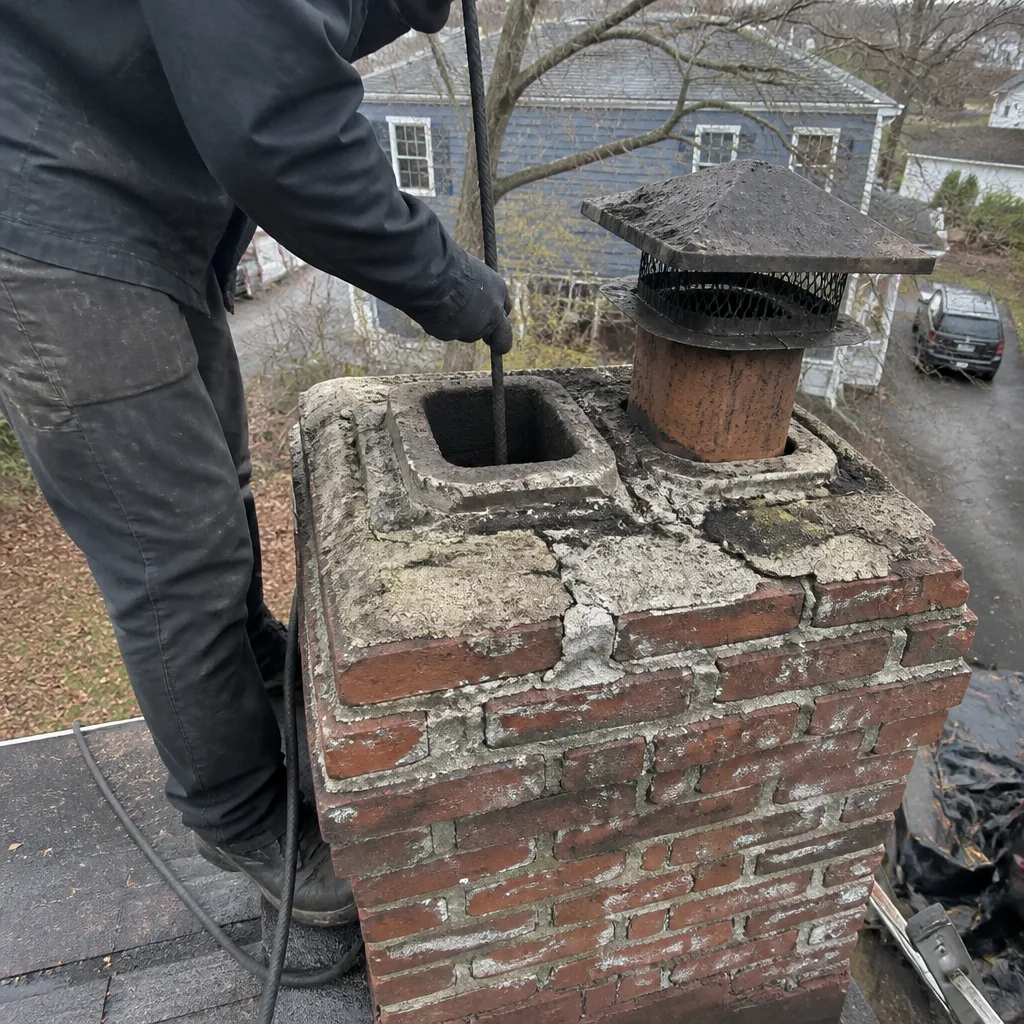 Before
 After
After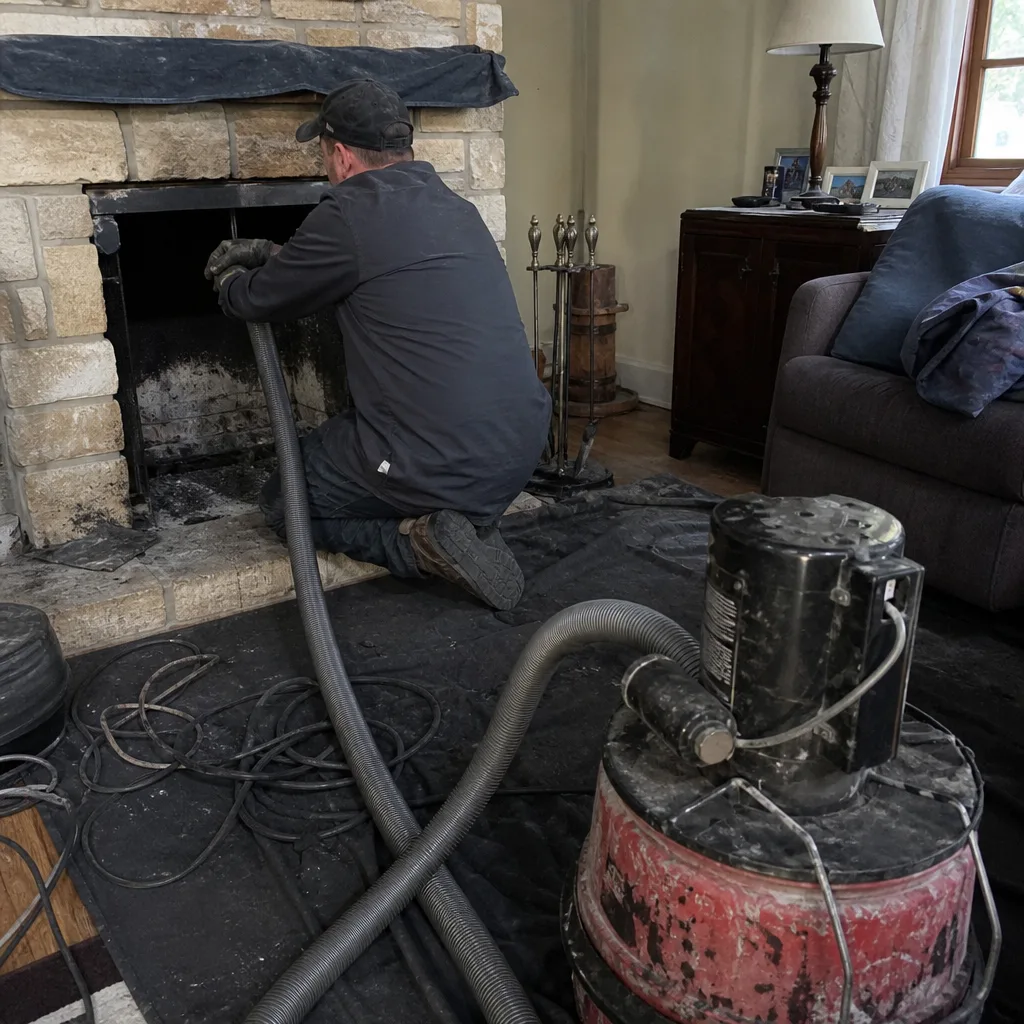 Before
 After
AfterCopperfield Chimney Cap Installation: The Stamford Owner’s Guide
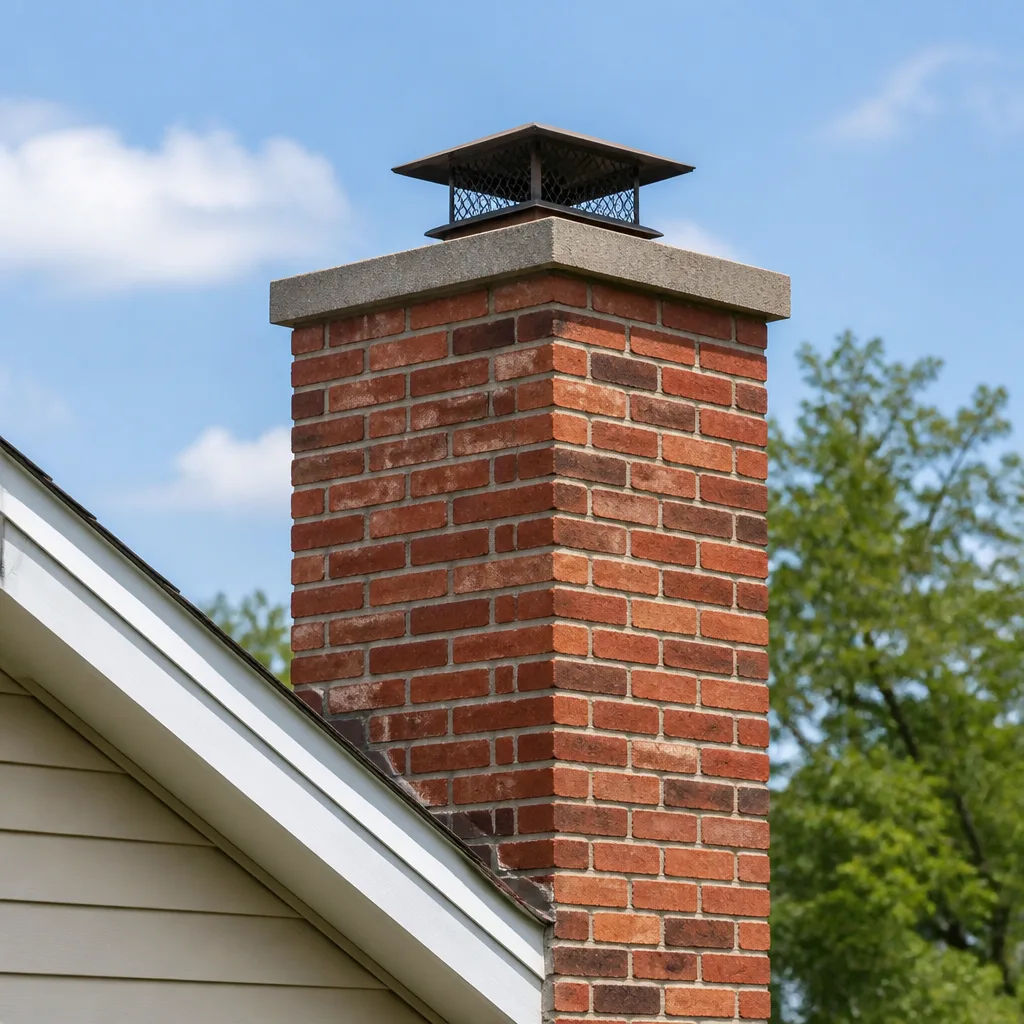
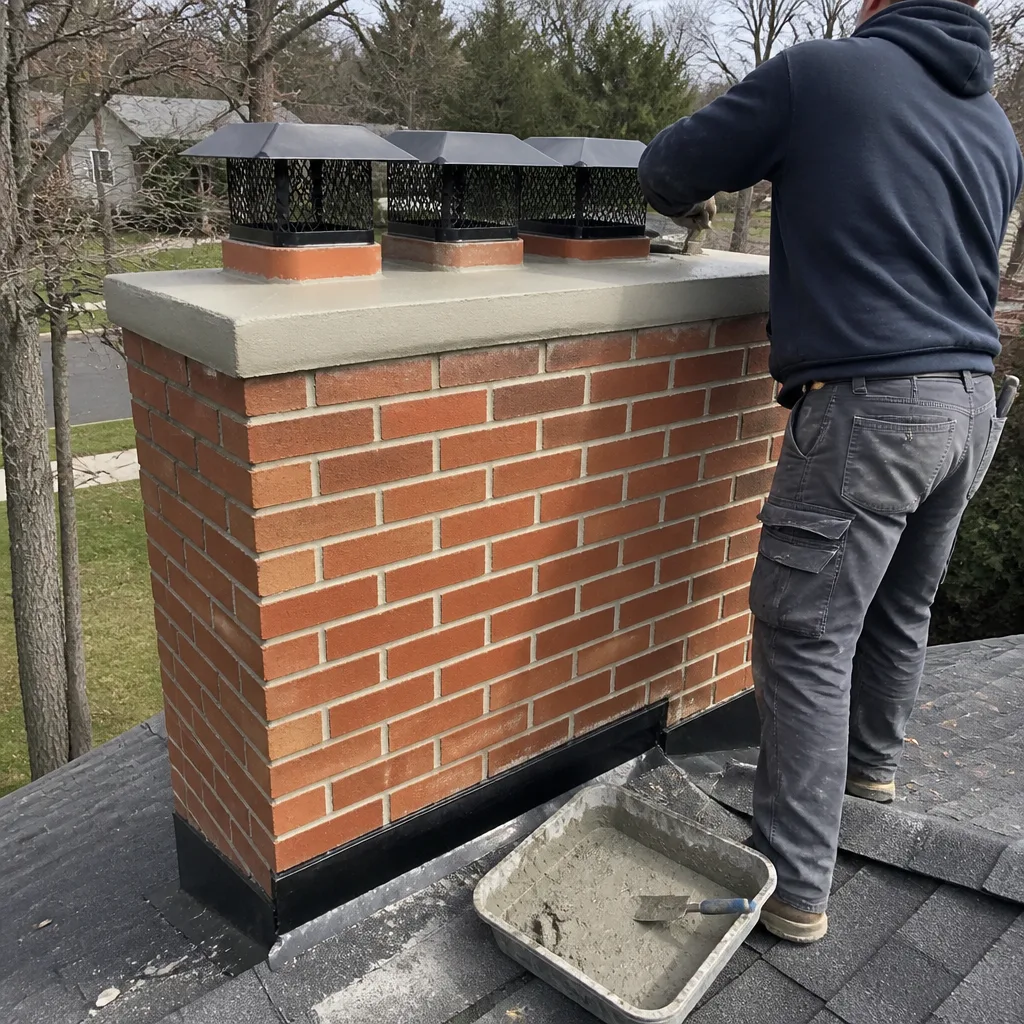
We stock and install Copperfield-compatible chimney caps throughout Stamford, with typical installed pricing running $425-$780 depending on cap size, flue configuration, and mounting surface condition. Most installations are completed in a single visit, and our trucks carry the common Copperfield sizes and mounting hardware, so you’re rarely waiting on a second trip. The call usually starts the same way: a homeowner notices rust staining on the crown, hears a rattle during wind, or finds pieces of a disintegrated cap in the yard after a storm. By the time we’re called, the cap has often been failing quietly for a season or two.
We’re an independent Stamford chimney service provider. We’re not affiliated with Copperfield, but we install and service their caps regularly because they’re common on Fairfield County homes and the mounting interface is straightforward when the crown is intact.
Which Copperfield Models This Applies To
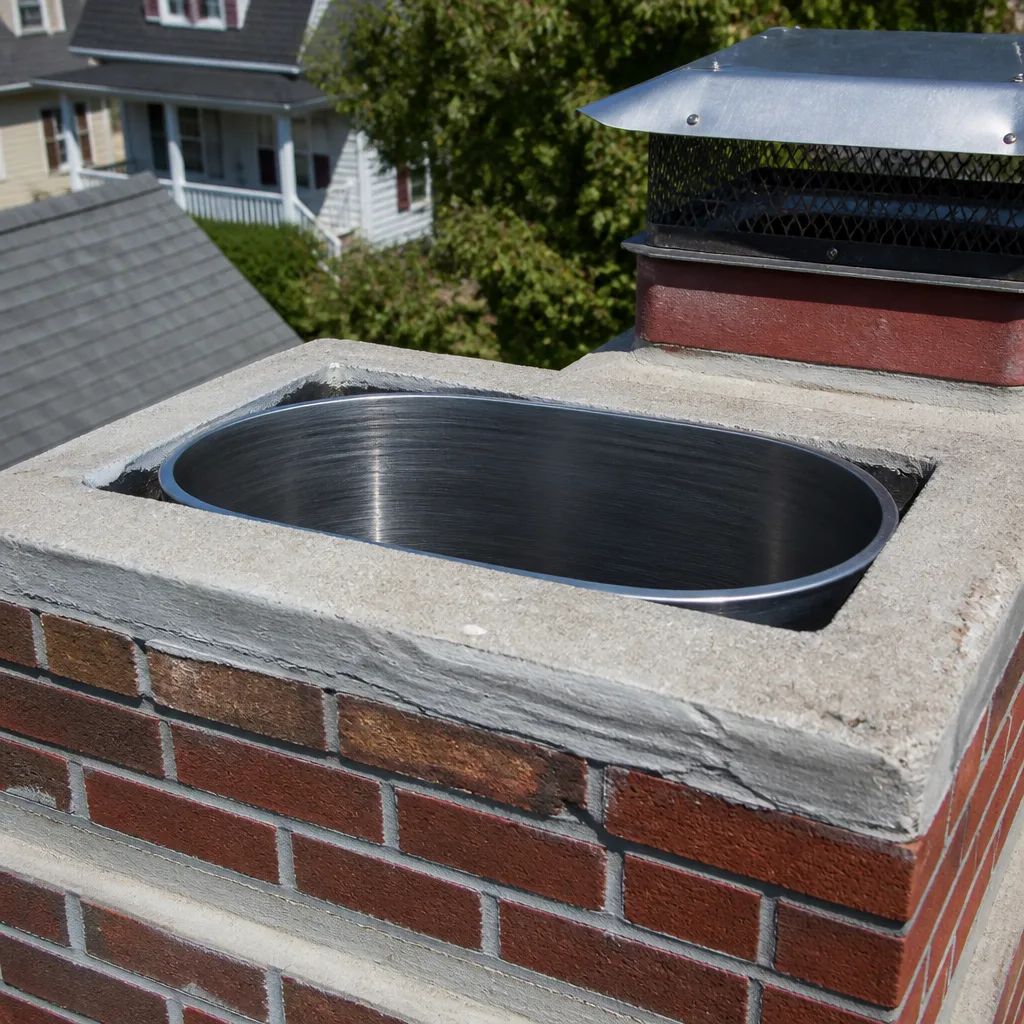
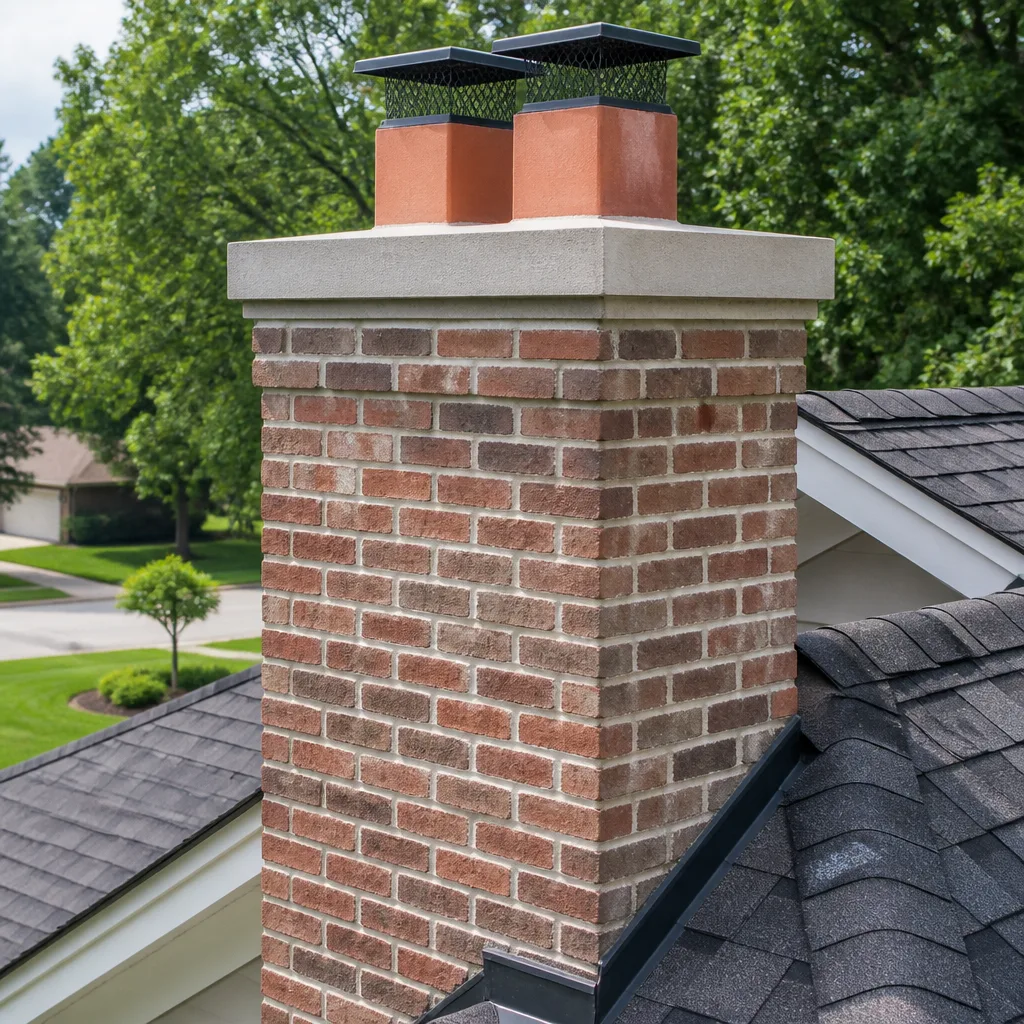
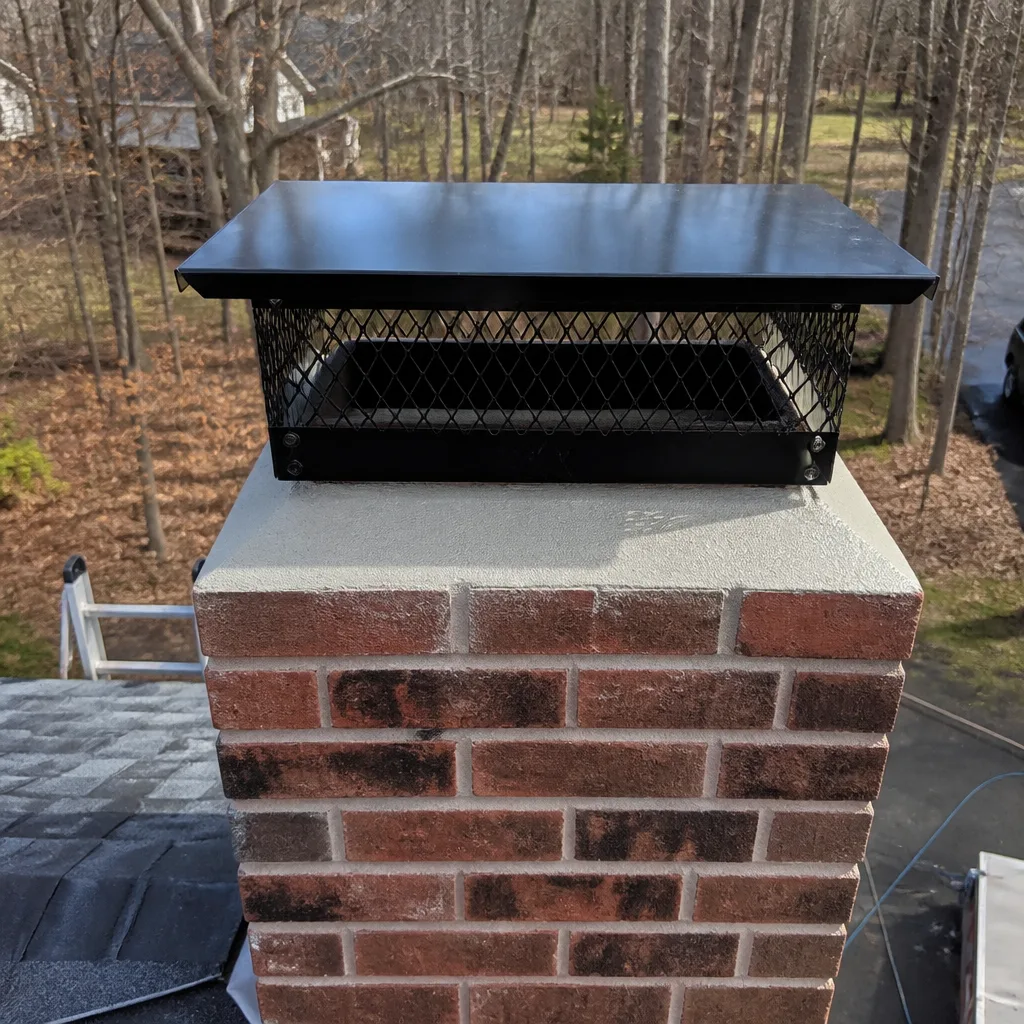
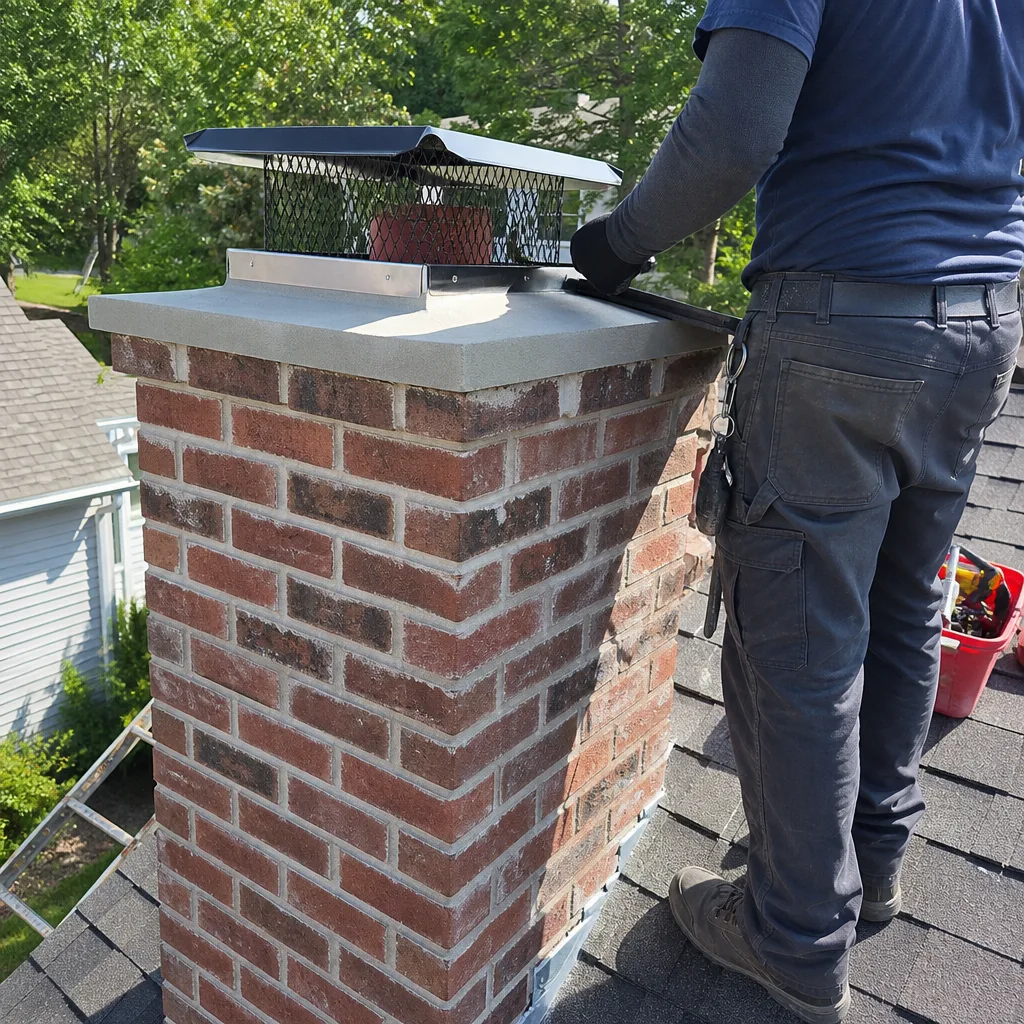
Copperfield chimney caps break down into three broad lines: single-flue caps with clamp-on or bolt-on bases, multi-flue caps that mount across the full crown, and specialty draft-inducing caps for homes with recurring downdraft problems. Most Stamford homes we see use either a single-flue cap sized to an 8×8, 8×13, or 13×13 flue tile, or a multi-flue cap covering two or three flues. The first thing to check is the flue tile dimensions, not the cap’s outside measurement. Copperfield single-flue caps are sized to sit over the flue tile and secure to it with corner bolts or a band clamp, so if your flue tile is cracked or spalling at the top, the cap cannot be mounted securely regardless of which model you buy.
Where owners get into trouble is assuming any cap will fit any flue because the outside unit looks close enough. Copperfield’s mounting hardware is specific to flue tile dimensions, and an undersized clamp will work loose in a single season of Stamford’s freeze-thaw cycles. We measure the flue tile and crown before recommending anything. For specific model identification, Copperfield tags or etches model numbers on the underside of some cap skirts, but many older caps are unbranded after years of exposure. In those cases, we work from flue measurements and crown condition. OEM Copperfield caps are solid; quality aftermarket equivalents from Gelco and Olympia match the spec and cost 15-20% less in many fitments, which we’ll quote as a line item with the same written warranty on installation.
Signs Your Copperfield Chimney Cap Installation Is Failing
- Rust streaking on the crown or flue tile. The most common first signal. Galvanized caps hold up for years, but once the coating fails, the steel underneath goes fast, especially within a few miles of Long Island Sound where we see salt in the air. The streaking means the cap is actively shedding material into the flue and onto the crown.
- Debris in the firebox or on the smoke shelf. A cap with a missing or corroded mesh panel lets leaves, twigs, and occasionally a squirrel or bird into the flue. We find this regularly in older Stamford neighborhoods with mature oaks.
- The cap moves when you push it. A cap that rocks against its mount is in early failure. The bolts or clamp have loosened, or the flue tile beneath is crumbling. It will not tighten itself; leaving it means wind-driven rain under the cap and into the flue.
- Wind rattles or a ‘turbine’ sound during storms. Some Copperfield caps are built with a draft-assist vane. When the bearing wears, you hear it from inside the house. A loud cap usually means the top assembly is seizing or has already seized.
- Discolored mesh or visible holes in the screening. Once the mesh opens up, birds get in. A nesting cycle inside the flue is a fire hazard, not just an access problem. Replace the cap before nesting season starts in early spring.
BeforeAfterReplacement Cost & What’s Included
For single-flue Copperfield-compatible cap installation in Stamford, expect $425-$560 installed. Multi-flue caps covering two or more flues typically run $520-$780 installed. The spread comes from cap size, metal gauge, whether you’re on a steep roof requiring additional staging, and whether the flue tile crown needs minor prep before the new cap can seat. Parts and labor are never blended into one mystery number; when you call, you get a written scope that separates the cap from the labor, states the hardware included, and names the warranty term on the installation.
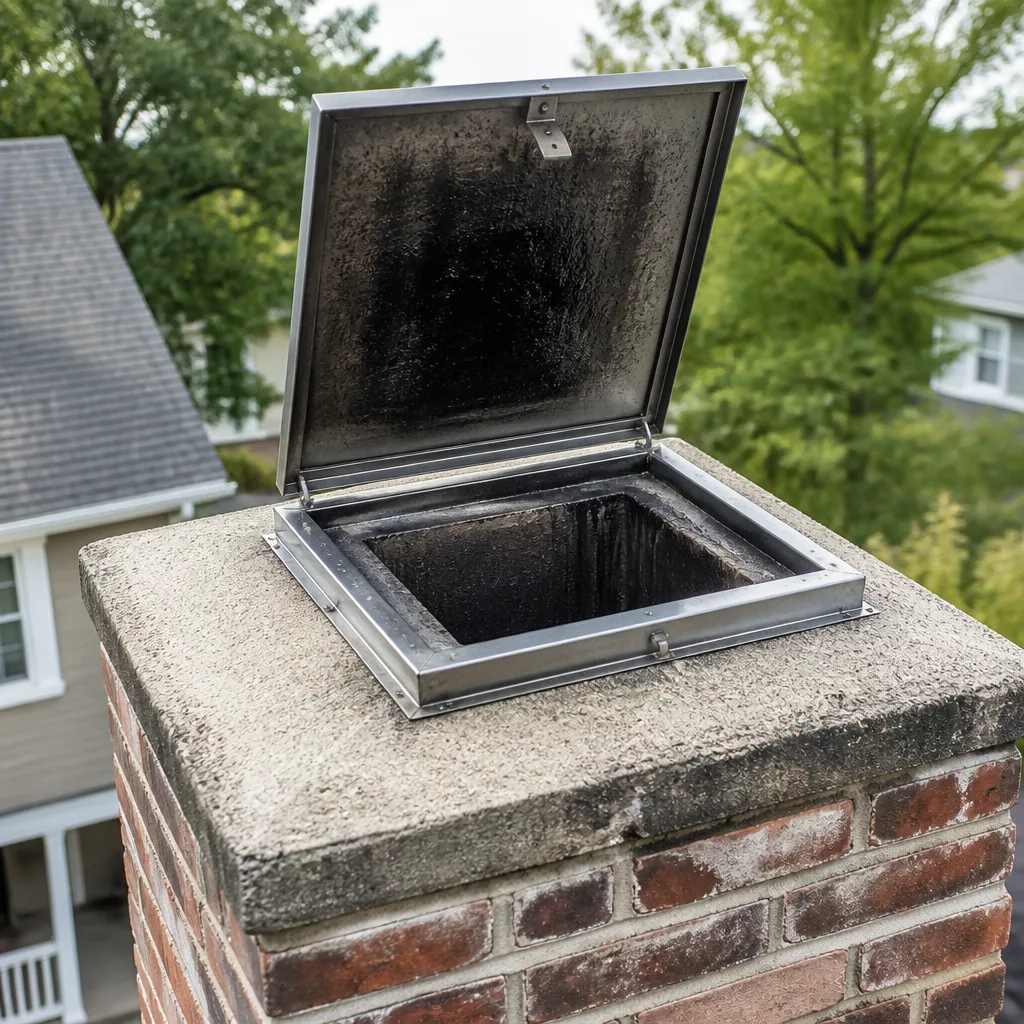
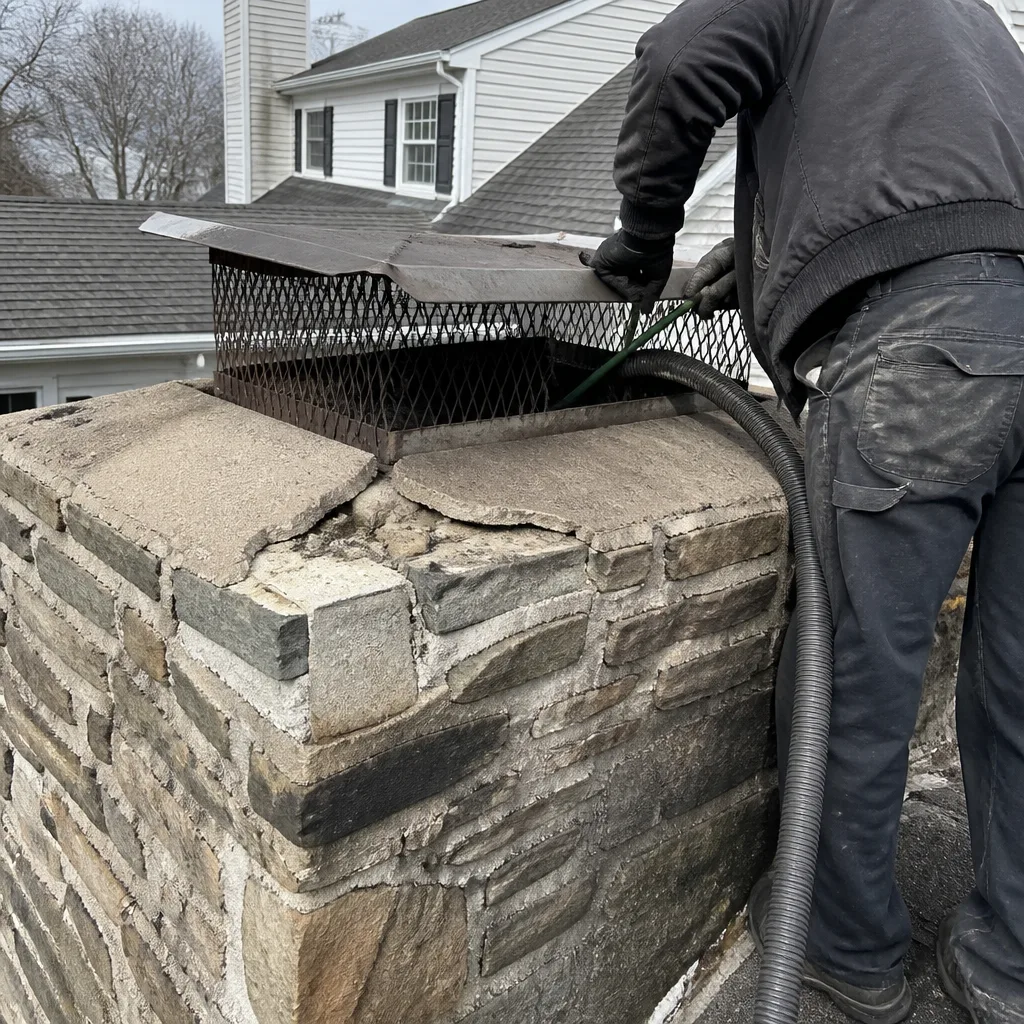
What owners sometimes miss is that the cap is only as good as the crown it sits on. Level Two Chimney Stamford’s practice is to photograph the crown and flue tile before mounting anything. If the crown is cracked enough to compromise the mount, we show you the picture and quote the repair as a separate line item. You decide. The 365-Day Done Right Promise applies to every cap installation: if it’s not done right, we make it right. Clause 4 of the Haven Standard also means every visit ends with a documented photo record of the finished work, sent to you the same day.
DIY or Call Us?
You can safely check a few things from the ground: rust staining visible from below, an obviously missing mesh panel, or a cap that’s shifted off-center. What you cannot safely do is get on a Stamford roof without proper fall protection and ladder experience, particularly on the older colonials and split-levels near Cove Island Park where roof pitches run steep and gutters collect years of moss. The actual cap swap involves working at height with both hands, often on a wet or frosted surface in the fall and early spring. The injury risk is not theoretical; it’s the main reason we stage roofs rather than free-climb them.
If you can reach the flue safely from a low-pitch roof and the cap simply needs re-clamping, we’ll show you the issue and tell you so. But if the cap is corroded through, the flue tile is spalling, or the crown needs prep, call us at (914) 537-8463. The camera doesn’t guess. Neither do we.
FAQs
A quality stainless or heavy-gauge galvanized cap should last 8 to 12 years in Stamford, though homes within two miles of the Sound often see replacement closer to 7 years due to salt air corrosion. Write that into your maintenance calendar: if the cap is past year eight, have it inspected before winter. Call (914) 537-8463 and we’ll check it during the next sweep.
Sometimes, if the cage is intact and only the mesh is compromised, a mesh panel replacement can buy two or three more seasons. But if the cap skirt is rusted through or a mounting bolt has seized, patchwork rarely survives a full winter in Stamford. We’ll show you the photos and quote both options before you commit.
Most single-flue cap installations take 45 to 75 minutes once we’re staged on the roof. Multi-flue caps on older Stamford homes with uneven crowns can take up to two hours. We quote a written time window with the price, and we text when the technician is on the way (Haven Standard: Arrive on schedule).
Our trucks carry the common Copperfield single-flue sizes and mounting hardware: 8×8, 8×13, and 13×13 bases, plus a selection of multi-flue cap widths. If your home needs a custom size or a draft-assist replacement, we source it through the Haven buying network, usually within two to four business days. We’ll tell you before scheduling which scenario applies to your home.
If you’ve been finding rust flecks on the crown or hearing the wind howl across a loose cap, call Level Two Chimney Stamford at (914) 537-8463. We’ll get eyes and a camera on it, then give you a written price and a written warranty before any work begins. Live phone support runs 24 hours a day, and estimates are always free.
Written by Corrine Halstead, Owner, Level Two Chimney Stamford at Level Two Chimney Stamford, serving Stamford and nearby areas.