
Level 1 sweep and inspection to the NFPA 211 annual standard - flue, crown, cap, and flashing checked and photographed
Chimney sweep logs do not sweep chimneys. They loosen some creosote - which then falls where a brush and vacuum still have to collect it.
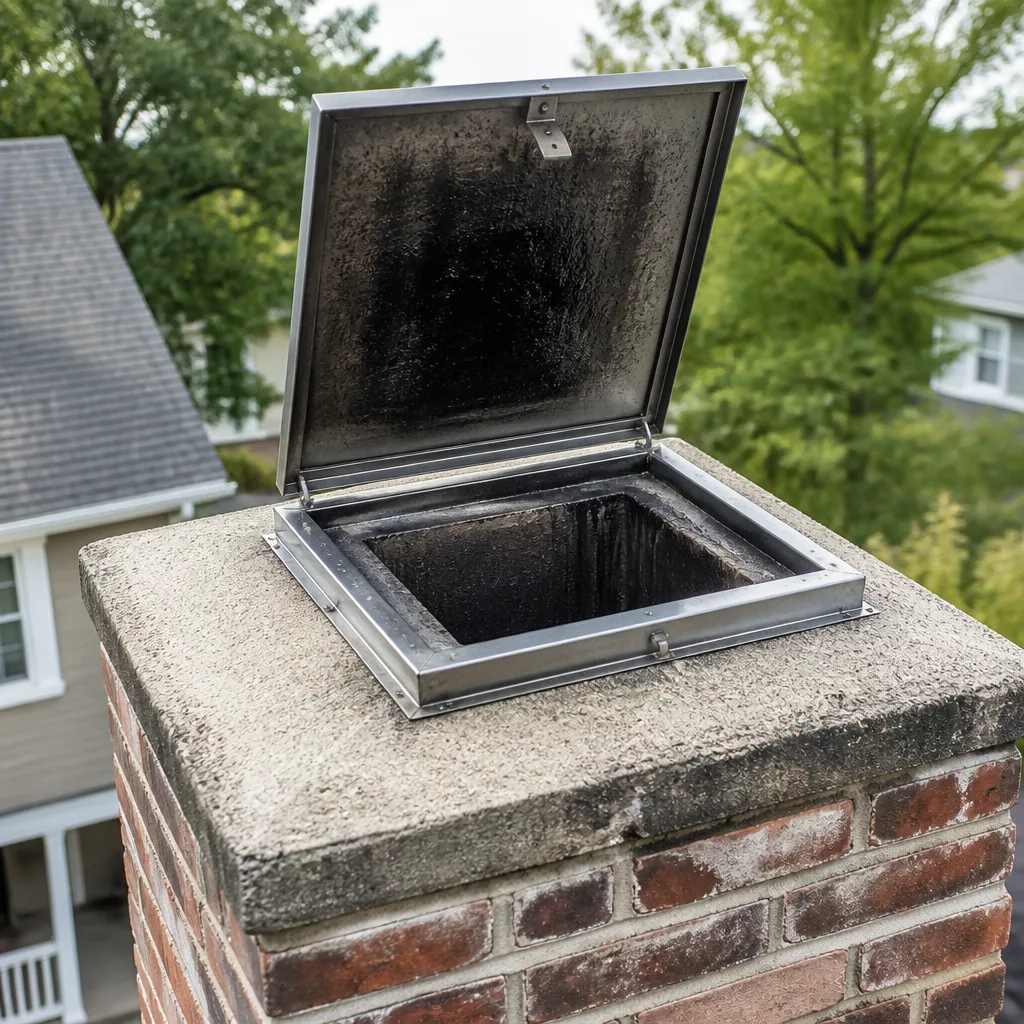
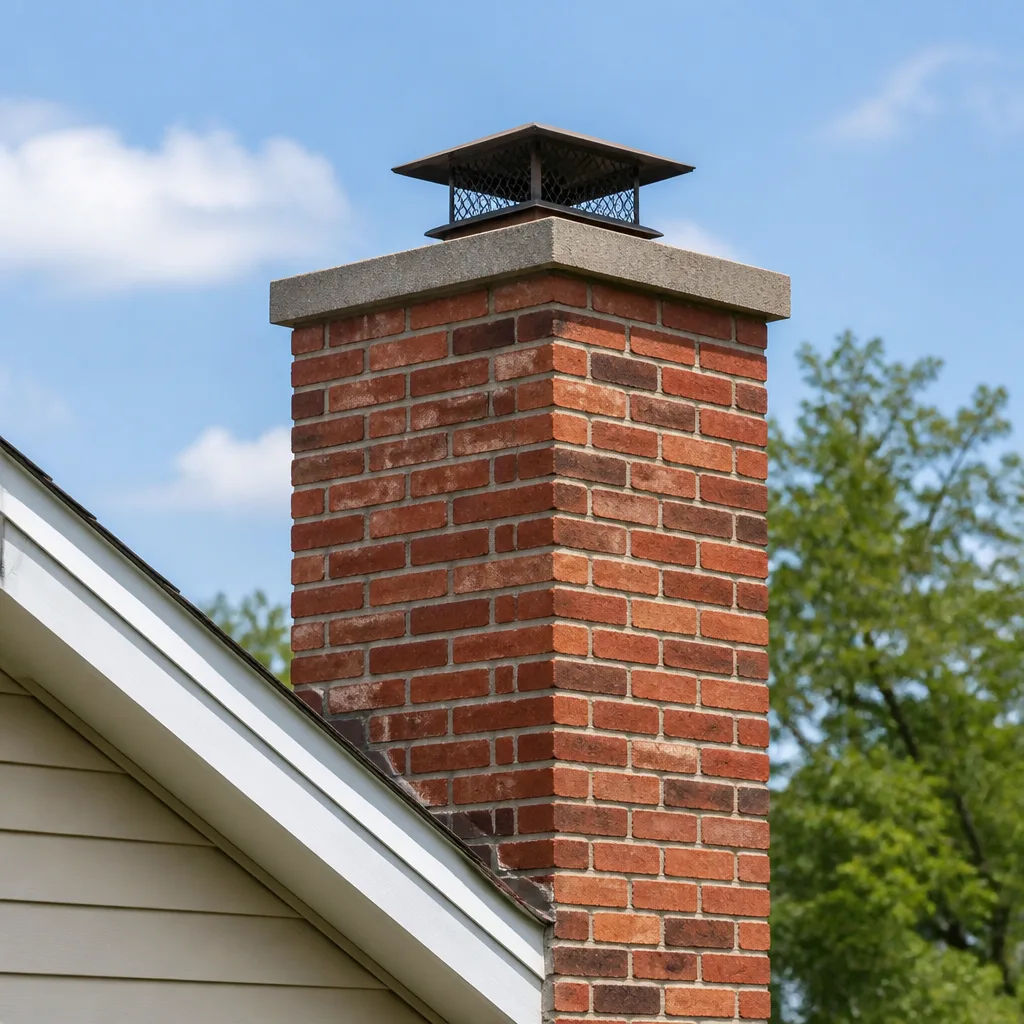
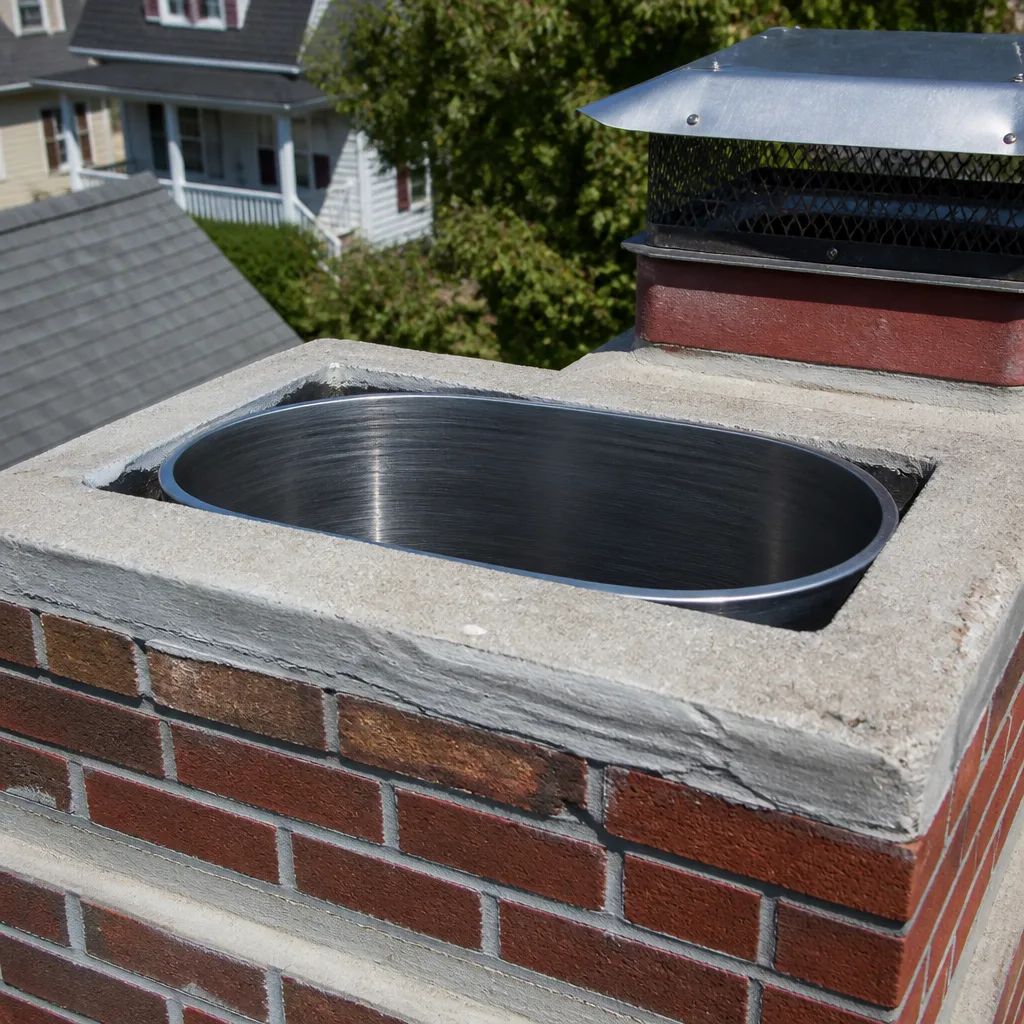
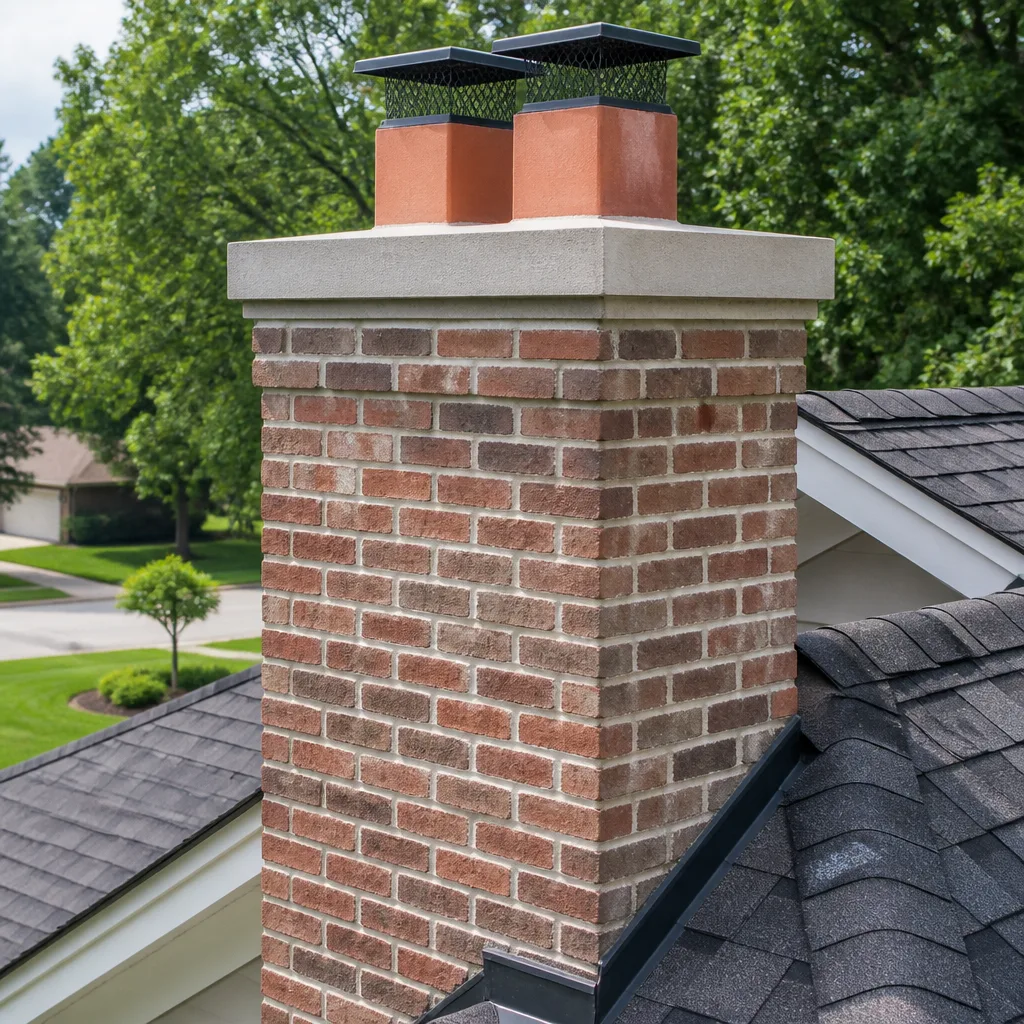
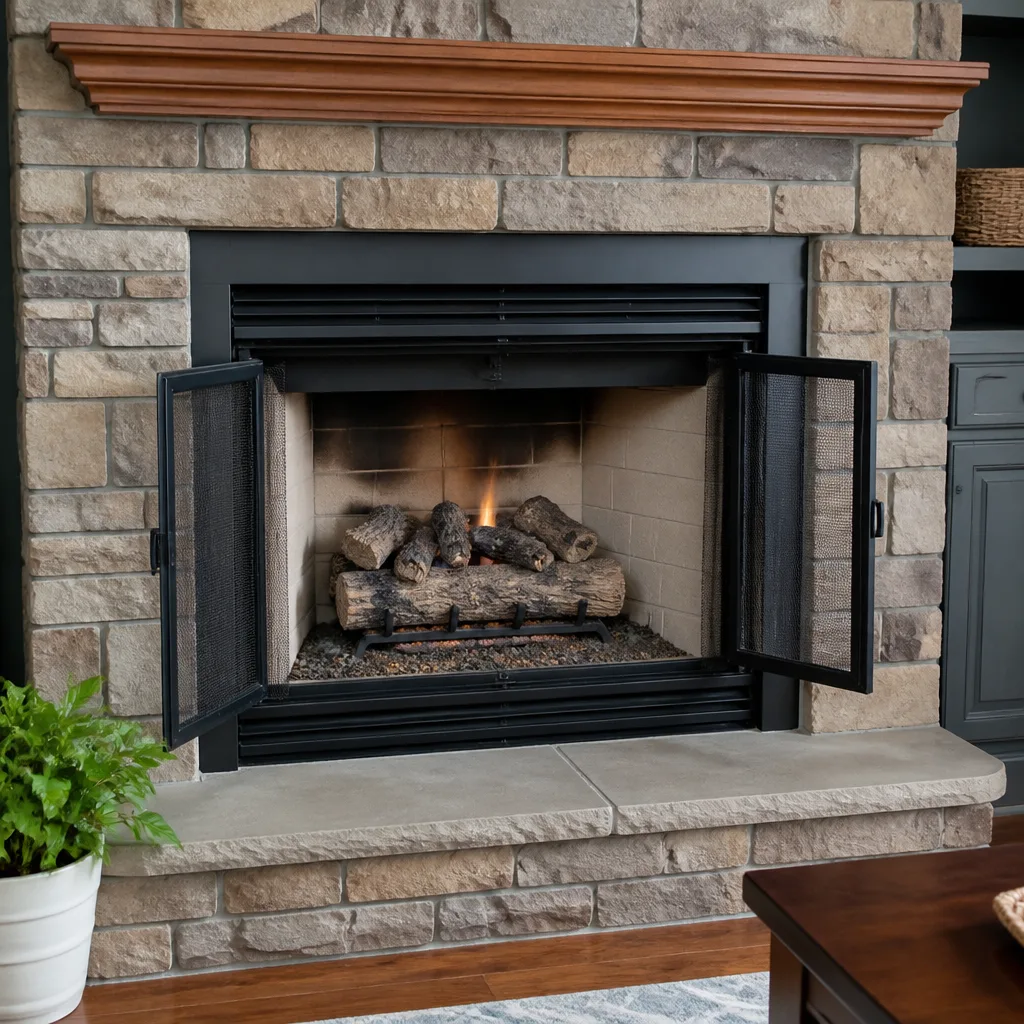
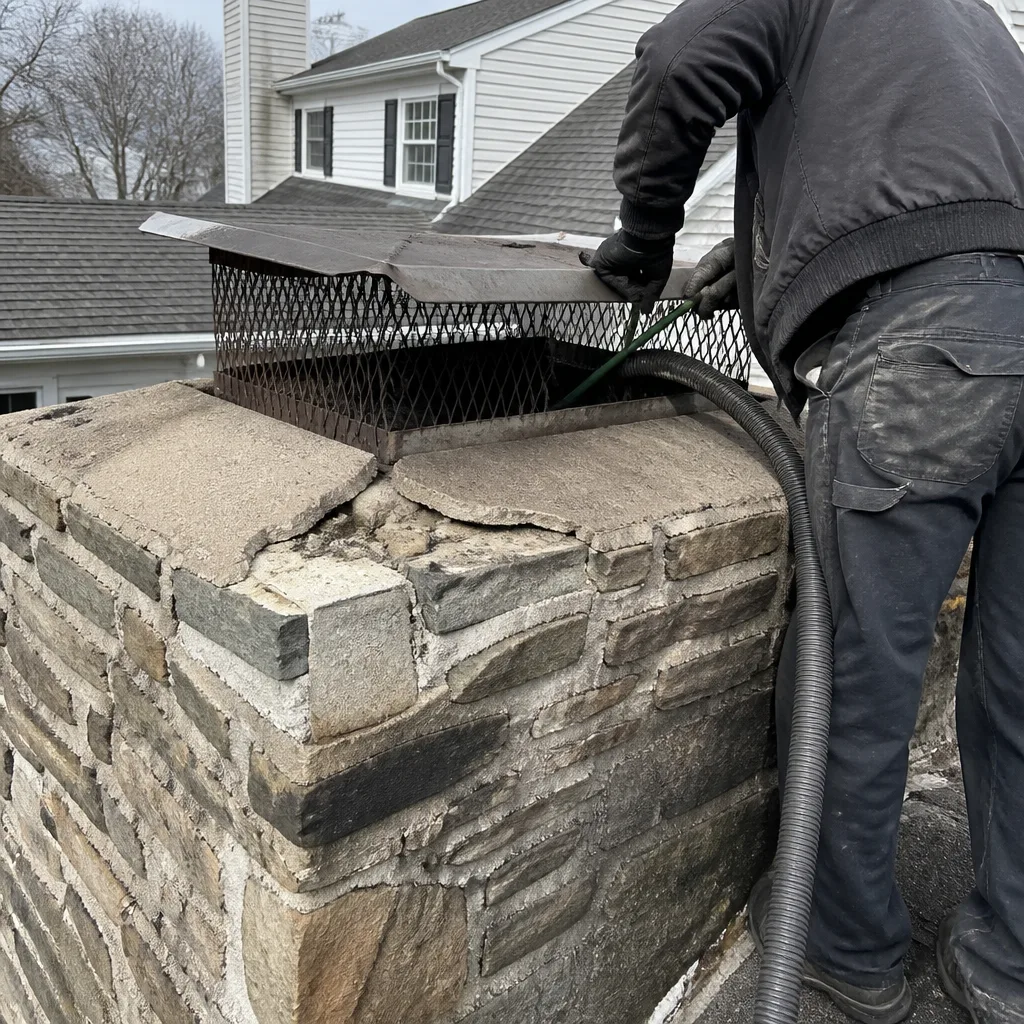 Before
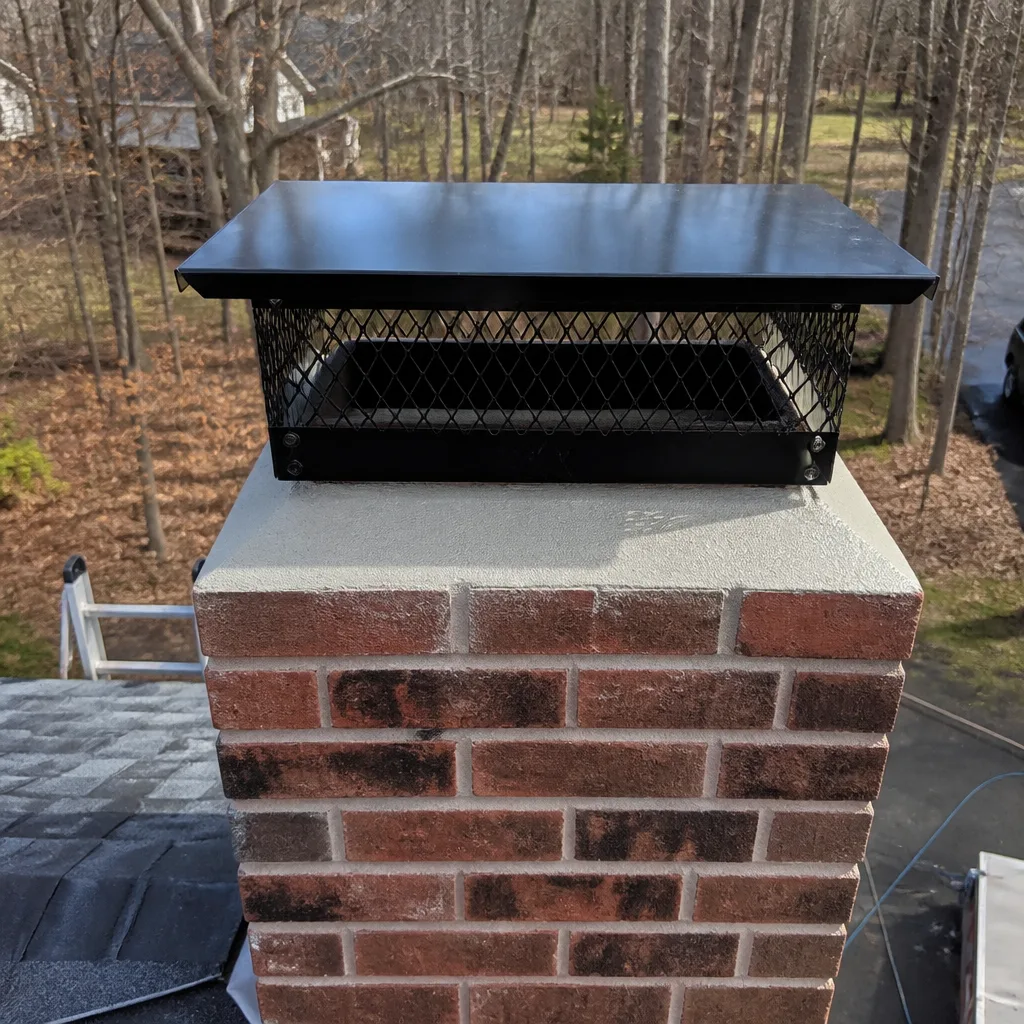 After
After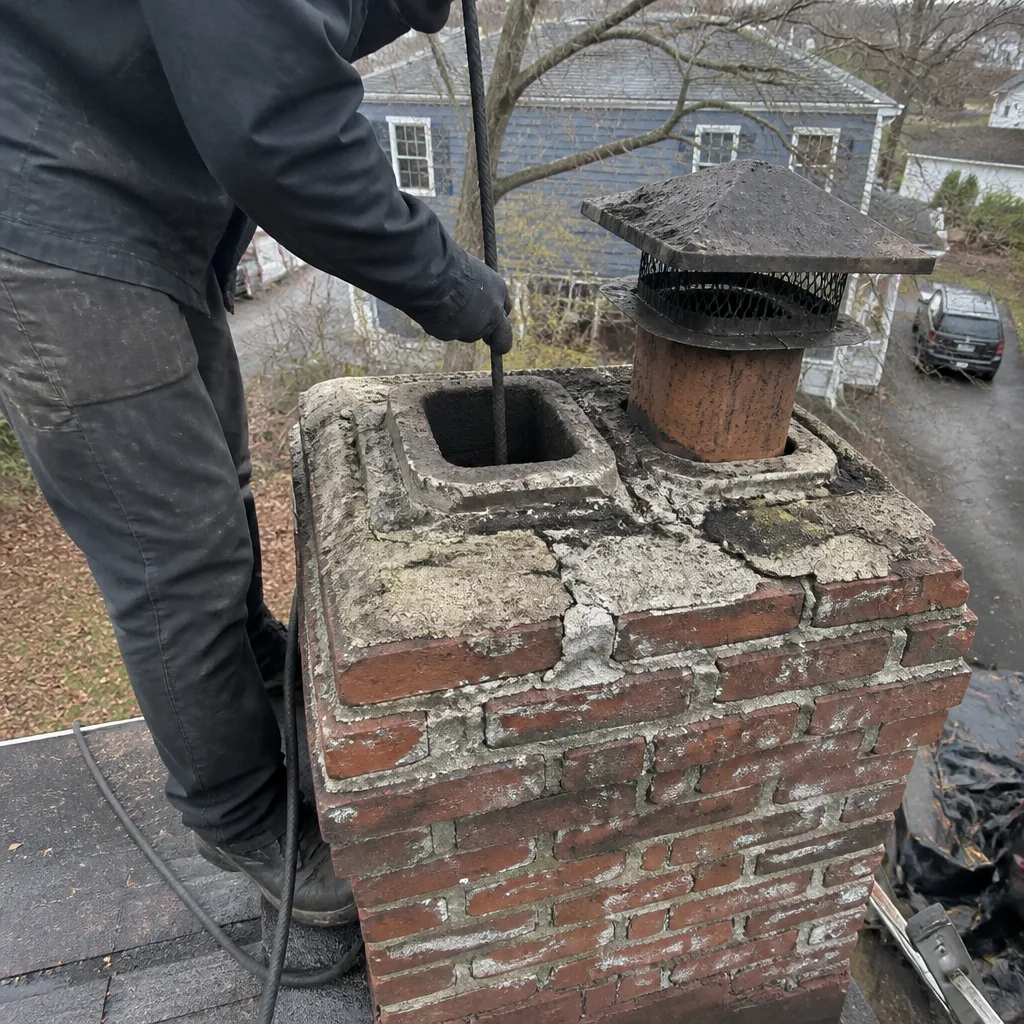 Before
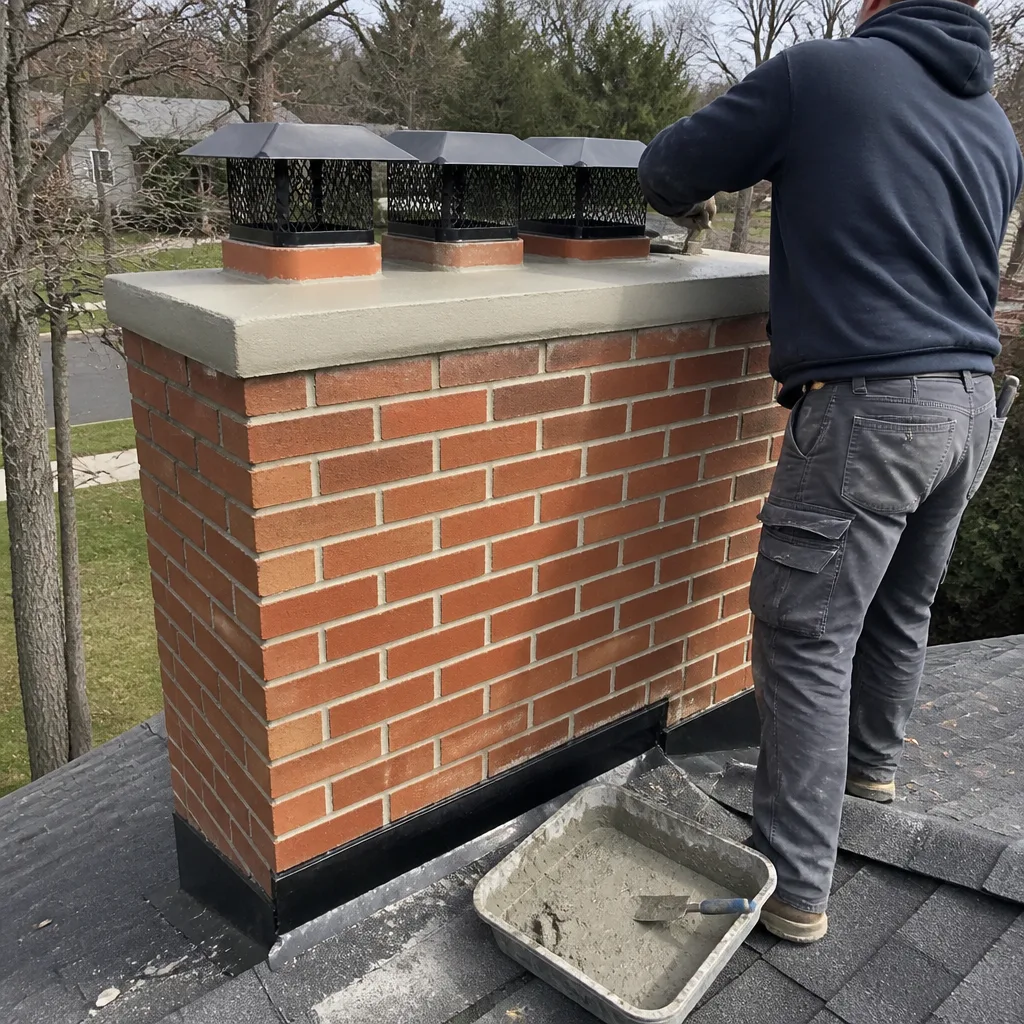 After
After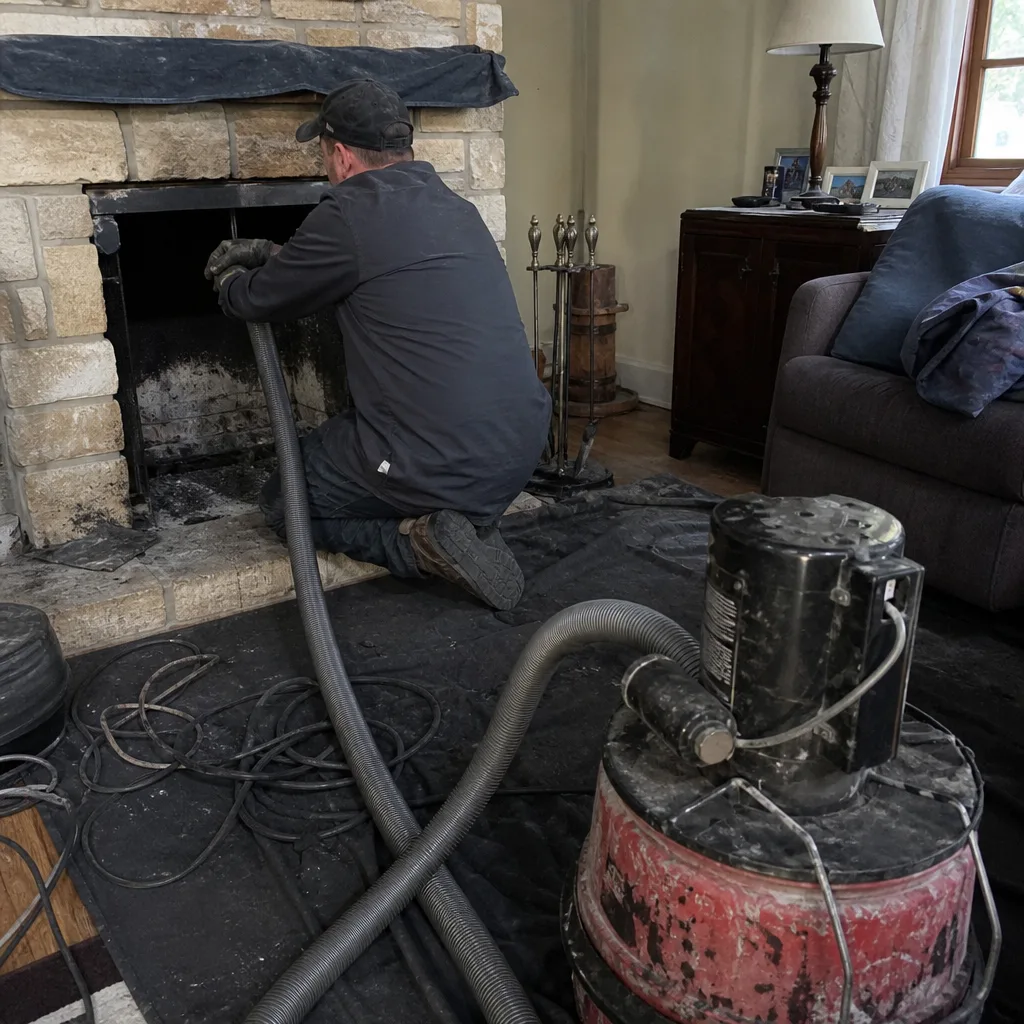 Before
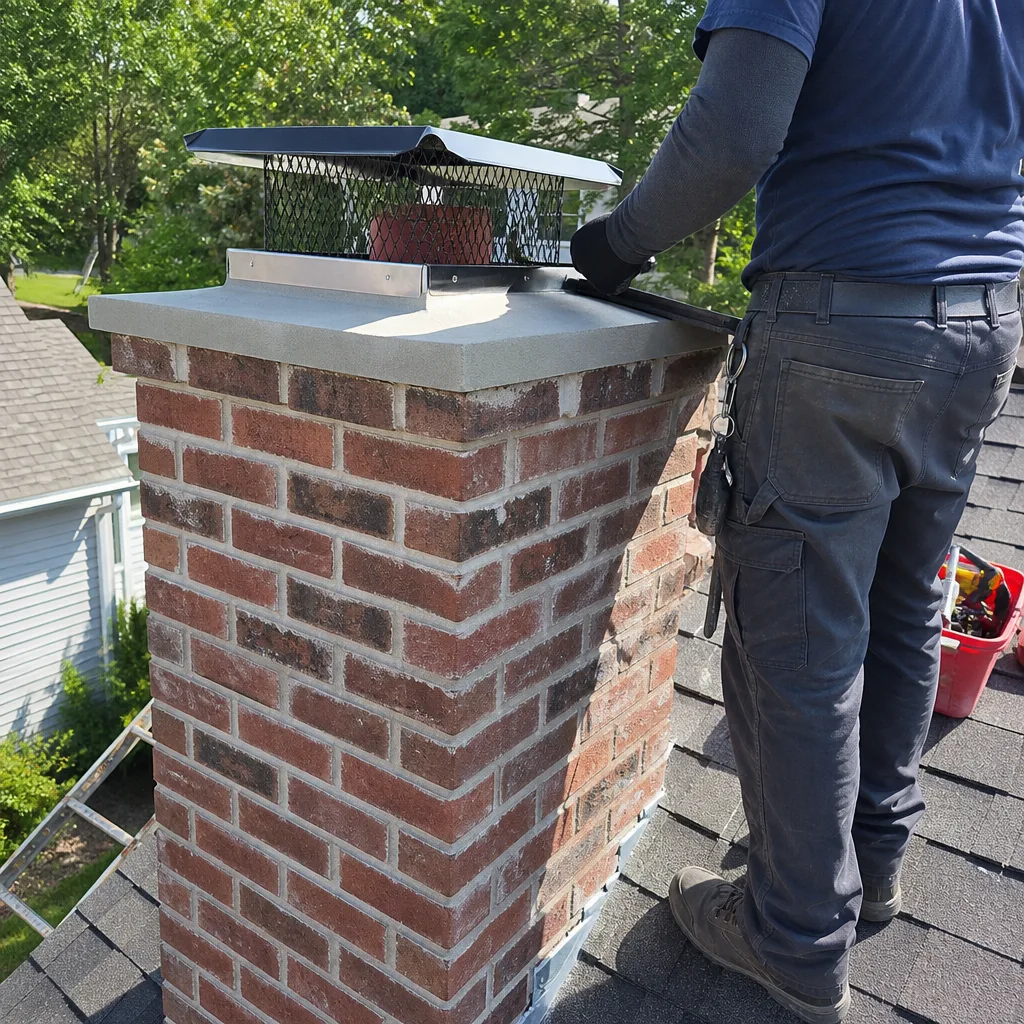 After
AfterCreosote Removal in Stamford, CT
Creosote removal in Stamford typically runs $250-$600 depending on the classification and thickness of buildup found in your flue. Most single-flue systems with Class I or early Class II creosote are cleaned in one visit. If our camera shows Class III glazed creosote, the scope and price change – we tell you that in writing before a tool comes out.
If you burn wood in Stamford – and a significant share of homes in Shippan Point, North Stamford, and the backcountry do – creosote is building up inside your flue every time you light a fire. That’s not a scare tactic; it’s basic combustion chemistry. Wood smoke carries unburned hydrocarbons that condense on cooler flue surfaces and harden into layers over time. Those layers are what we call creosote, and they range from a dusty coating you can brush out in twenty minutes to a thick, tar-like glaze that requires chemical treatment and specialized equipment.
At Level Two Chimney Stamford, creosote removal is built into our standard Chimney Cleaning & Sweep in Stamford process. Every visit starts with a camera scan of the flue liner – that’s not an upsell, it’s how we know what class of creosote we’re dealing with before we price the job. Corrine Halstead built the company around that documentation standard back in 2009, and it’s now Clause 4 of the Haven Standard. You walk away with a photo record of what the flue looked like before and after. Call us at (914) 537-8463 to schedule a camera-scan inspection with a written price before anything starts.
When You Need Creosote Removal
- You smell smoke in the house when the damper is closed. Glazed Class II or Class III creosote can restrict the flue diameter enough to reverse airflow – especially in tight, well-insulated Stamford homes built after 2010 where indoor air pressure dynamics work against draft.
- You haven’t had the chimney cleaned in more than 12 months and you burn regularly. The Chimney Safety Institute and NFPA 211 both recommend annual inspection and cleaning for active wood-burning systems. A single heating season in a North Stamford home burning four cords of wood is enough to push a flue from Class I into Class II territory.
- You notice black, oily residue or flaking deposits falling into the firebox. Flaking is a sign that creosote layers are thick enough to be mechanically unstable – pieces break free as the flue expands and contracts with heat cycling.
- You’ve had a chimney fire – even a small one. A flue fire can happen quickly and quietly, sometimes nothing more than a rumble and a brief orange glow inside the firebox. If that’s happened, the creosote that caused it needs to be removed and the liner needs a camera inspection for heat damage before you burn again.
- Your sweeping company found “heavy deposits” but didn’t show you photos or measure the classification. That’s an incomplete inspection. Class designations matter: Class I is routine maintenance, Class III requires a specific chemical treatment protocol. A report without camera documentation and a creosote classification isn’t a report.
- You’re buying a home in Stamford with a wood-burning fireplace. Real estate transactions move fast. A pre-purchase Level 2 inspection with a camera-documented creosote assessment gives you a written record – useful for negotiation and required by many insurers before they’ll write a policy on a home with a wood-burning appliance.
Our Creosote Removal Process
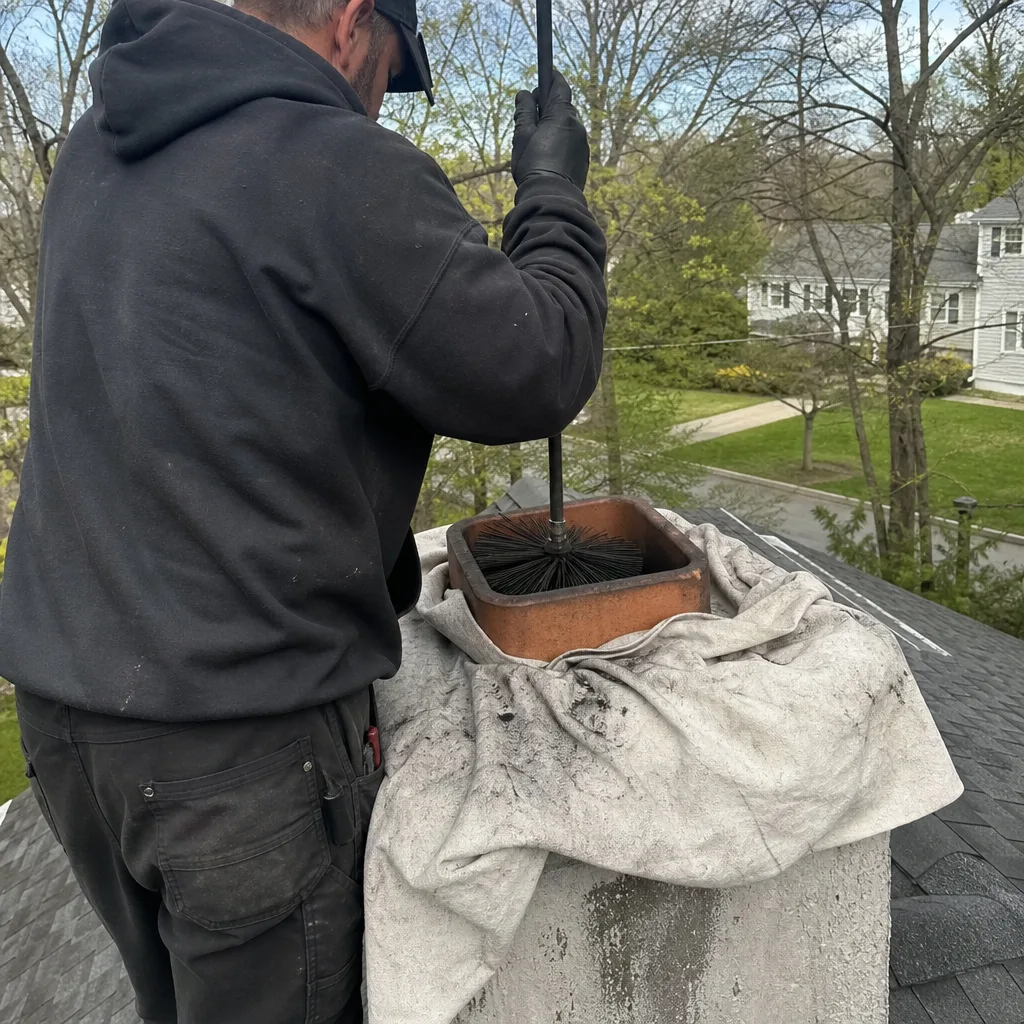
The steps below reflect what actually happens on a standard Chimney Cleaning & Sweep services job in Stamford. No two chimneys are identical – a 1920s Shippan Point colonial with a clay tile liner behaves differently than a 1990s North Stamford new-build with a stainless liner – but the process is consistent because it’s governed by the Haven Standard.
- Camera scan and creosote classification. Before anything else, we run a camera down the flue. We’re looking at liner condition, mortar joints, and – most relevantly for this job – the character and approximate thickness of creosote deposits. We classify what we find as Class I (light, dusty, powdery), Class II (drier, flaky, tar-like, or crunchy with some glazing), or Class III (hard, glazed, and chemically bonded to the liner surface). That classification drives everything that follows: scope, method, and price. You see the camera footage.
- Written price before work starts. Once we have the camera footage and the classification, we produce a written quote – scope, method, materials, and total cost – and hand it to you before a single brush goes into the flue. That’s Haven Standard Clause 1, and it’s not negotiable. If the job turns out to be Class III when we initially quoted Class II, we stop, explain what we found, revise the written price, and get your approval before continuing.
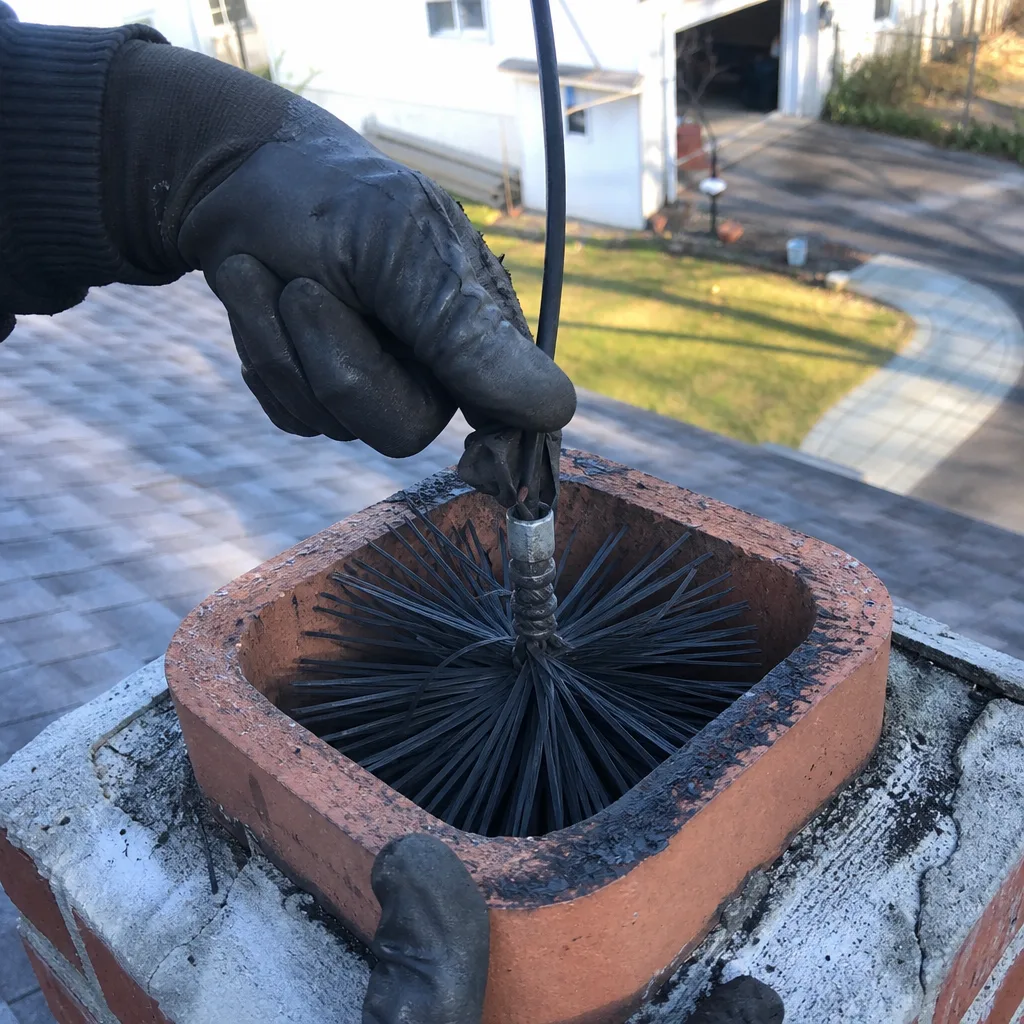
- Mechanical removal (Class I and Class II). For Class I and lighter Class II deposits, we use steel rotary brushes sized to your flue liner – round for clay tile systems, fitted for oval or rectangular liners. We work from the top down with the firebox sealed to contain dust. Copperfield and Olympia Chimney rotary rods give us the reach and torque to clear full-height flues without multiple setups. This stage typically takes 45 to 90 minutes on a standard single-story Stamford home.
- Chemical treatment (Class II glazing and Class III). Where deposits are glazed – meaning they’ve hardened into a surface that brushes won’t fully remove – we apply a creosote-modifying chemical that converts the glaze into a dry, brittle material that can then be brushed out on a follow-up visit or, in some cases, brushed immediately. This isn’t a product that makes creosote disappear; it changes its physical character so mechanical removal becomes possible. We explain exactly what the chemical does and what the follow-up visit looks like before we start.
- Post-removal camera confirmation. After mechanical and chemical work is done, the camera goes back in. We verify that the liner is clear, document the post-cleaning condition, and check that any Class III treatment reached the full extent of the deposit. The before-and-after footage is part of your job record under Haven Standard Clause 4.
- Written documentation and next-step recommendations. You receive a written record of what was found, what class of creosote was present, what method was used, what materials were applied, and what – if anything – needs attention at the next visit. If the camera revealed liner damage underneath the creosote (spalling tile, cracked mortar, or compromised steel), that’s noted in writing with a separate written quote for any repair work. We don’t fold repair upsells into a cleaning invoice.
BeforeAfterCreosote Removal Pricing in Stamford
Creosote removal in Stamford costs $250-$600 for most residential jobs. Here’s how that range breaks down by situation:
| Scenario | Typical Price Range |
|---|---|
| Class I creosote, standard single flue (annual maintenance) | $250-$320 |
| Class II deposits, moderate buildup, single flue | $320-$450 |
| Class II with partial glazing, chemical treatment + mechanical | $400-$550 |
| Class III glazed creosote, full chemical treatment + follow-up visit | $500-$750+ |
| Two-flue system (e.g., fireplace + furnace connection) | Add $150-$250 per additional flue |
Several factors move the number within those ranges:
- Flue height and configuration. A three-story colonial in the backcountry has more liner surface than a two-story Cove neighborhood home. More surface means more time and sometimes more materials.
- Liner type. Older clay tile systems with offset sections or offsets near smoke chambers can make full rotary cleaning slower. Stainless liners installed with flexible Gelco or DuraFlex systems are typically faster to clean because they have smoother interior surfaces with fewer joints.
- Access. Chimneys with damaged or absent chimney caps often have debris packed in around creosote layers – leaves, animal nesting material, broken mortar. That adds time to the initial removal stage.
- Class III follow-up visit. Chemical treatment for glazed creosote requires a return appointment, typically 14-21 days after the initial application, to brush out the converted material and do a second camera check. That follow-up is priced separately and quoted in writing at the time of the first visit.
Every quote is written, signed, and handed to you before work begins. The price on that paper is the price you pay. If the camera reveals something that changes the scope, we stop and give you a revised written quote. Call (914) 537-8463 – estimates are free and the phone is answered live, any time of day.
What’s Included in Every Level Two Chimney Job
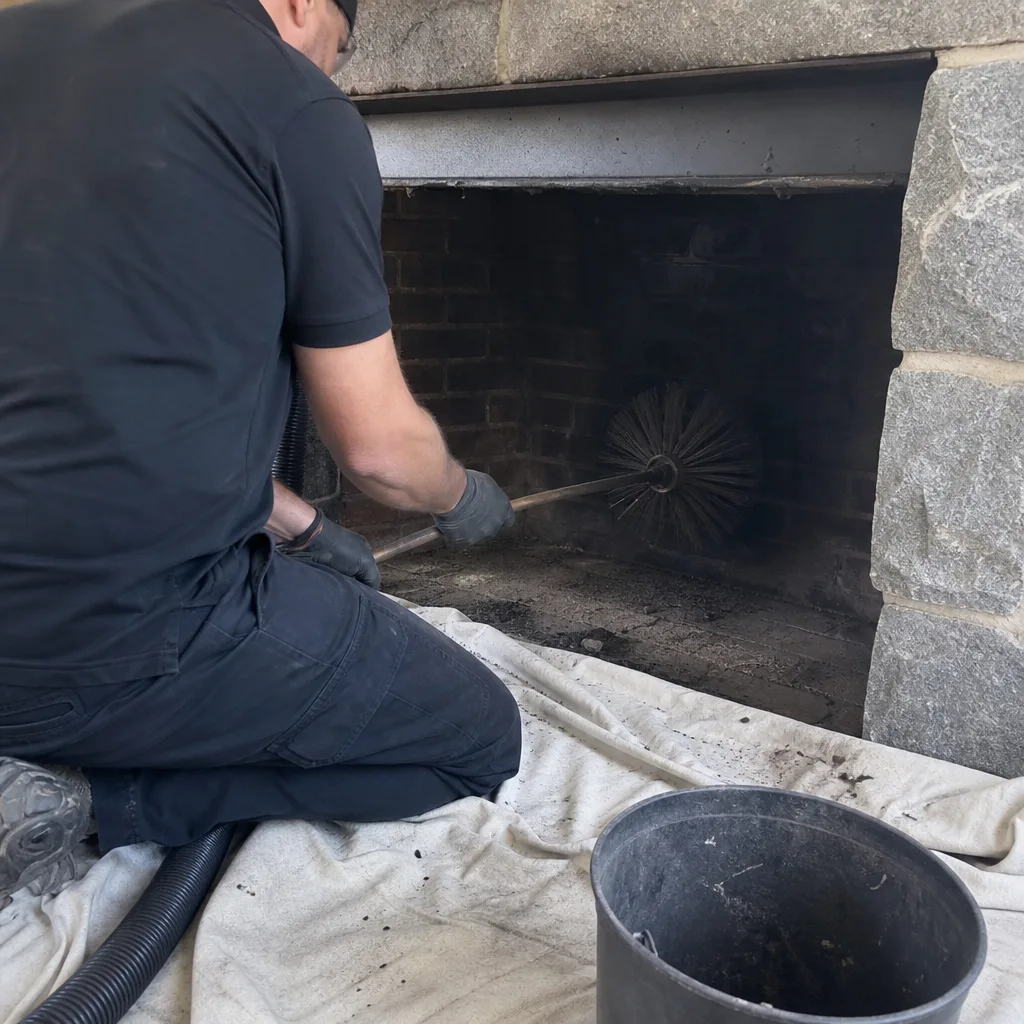
Regardless of the creosote class or the specific removal method, every Fireplace Cleaning job at Level Two Chimney Stamford includes the same baseline:
- NFPA 211 Level 2 camera inspection of the flue liner before and after cleaning
- Written price and written scope delivered before any work starts (Haven Standard Clause 1)
- Documented photo record of pre- and post-cleaning condition (Haven Standard Clause 4)
- Background-checked, uniformed technician assigned by name with a text when they’re on the way
- 365-Day Done Right Promise: if it’s not right, we make it right
- Written warranty on any materials used
- Free Second Opinion on any written estimate you’ve received from another company
The 38,000+ chimneys we’ve inspected and cleaned since 2009 reflect a consistent process, not a consistent sales pitch. The camera goes in every time. The price is written every time. The photo record is produced every time. That’s what the Haven Standard means in practice.
FAQs – Creosote Removal in Stamford
How much does creosote removal cost in Stamford, CT?
Creosote removal in Stamford runs $250-$600 for a standard single-flue residential system, depending on the creosote classification found during the Level 1 Inspection camera scan. Class I (light, dusty) is at the low end; Class III glazed creosote requiring chemical treatment plus a follow-up visit can reach $600-$750 or more. A second flue adds $150-$250. You’ll have a written price in hand before any work begins. Call (914) 537-8463 for a free estimate – the price is quoted on-site after the camera scan, not over the phone before we’ve seen the flue.
Is Class III creosote actually dangerous, and do I need to stop using my fireplace?
Class III creosote – a hard, shiny, tar-like glaze bonded tightly to the liner surface – is the most serious classification because it’s highly flammable and extremely difficult to remove with brushes alone. A flue with confirmed Class III buildup has a materially higher flue-fire risk, and the standard professional recommendation is to stop burning until the creosote has been treated and removed. We won’t tell you your chimney is condemned; we’ll show you the camera footage, explain the classification in plain terms, and give you a written price for treatment. What you do with that information is your decision. But Class III is not a “clean it next season” situation.
Can you remove Class III creosote in one visit?
Usually not. Class III glazed creosote requires a chemical modifier to convert the hard glaze into a brittle, brushable material. That chemical needs 14-21 days to work before mechanical brushing can finish the job. So the standard protocol is two visits: chemical application first, mechanical removal second, with a camera confirmation at the end of the second visit. Both visits are priced and quoted in writing at the time of the first appointment. In a small number of cases where the glaze layer is relatively thin, immediate brushing after chemical application is possible, but we won’t promise that outcome until the camera tells us what we’re working with.
My chimney was cleaned last year – can I have Class II creosote already?
Yes – depending on how much you burned and what kind of wood you used. Green or wet wood, short fires that don’t fully heat the flue, and appliances like wood stoves running at low temperatures all produce more creosote per cord than a properly seasoned hardwood fire in a well-drafted fireplace. In Stamford homes where the fireplace is used heavily from October through March – which covers a lot of North Stamford and backcountry properties – a single season of regular burning can produce Class II deposits even after a clean sweep the prior spring. The camera tells you what’s actually there; a Level 2 Inspection or annual inspection is the only reliable way to track it.
Key Takeaways
- Creosote removal in Stamford costs $250-$600 for most single-flue residential jobs; Class III treatment with a follow-up visit runs higher.
- The classification – Class I, II, or III – determines the removal method and the price. You see the camera footage that drives that classification before we quote anything.
- Class III glazed creosote requires chemical treatment plus a mechanical follow-up visit, typically two appointments spaced 14-21 days apart.
- Every job includes a written price before work starts, a camera inspection before and after, and a documented photo record when it’s done.
- The 365-Day Done Right Promise covers every job. If it’s not right, we make it right.
- Free Second Opinion available on any written estimate you’ve received elsewhere.
- Live phone answered 24/7: (914) 537-8463.
Schedule Creosote Removal in Stamford
If you’ve noticed smoke odors, flaking deposits in the firebox, or your last inspection flagged heavy buildup, the next step is a camera scan with a written price – not a guess from the rooftop. Level Two Chimney Stamford serves homes throughout Shippan Point, North Stamford, the Cove, Glenbrook, Springdale, and the backcountry. Our home base covers the full Stamford market, and every job starts the same way: camera down, price in writing, work begins only when you say so.
Call (914) 537-8463 to book a camera-scan inspection and get a written creosote removal quote. The line is answered live. Estimates are free. Corrine Halstead and the Level Two team have been documenting and clearing Stamford flues since 2009 – more than 38,000 jobs, every one with a written price before work started and a photo record when it was done.
Written by Corrine Halstead, Owner at Level Two Chimney Stamford, serving Stamford.