
Level 1 sweep and inspection to the NFPA 211 annual standard - flue, crown, cap, and flashing checked and photographed
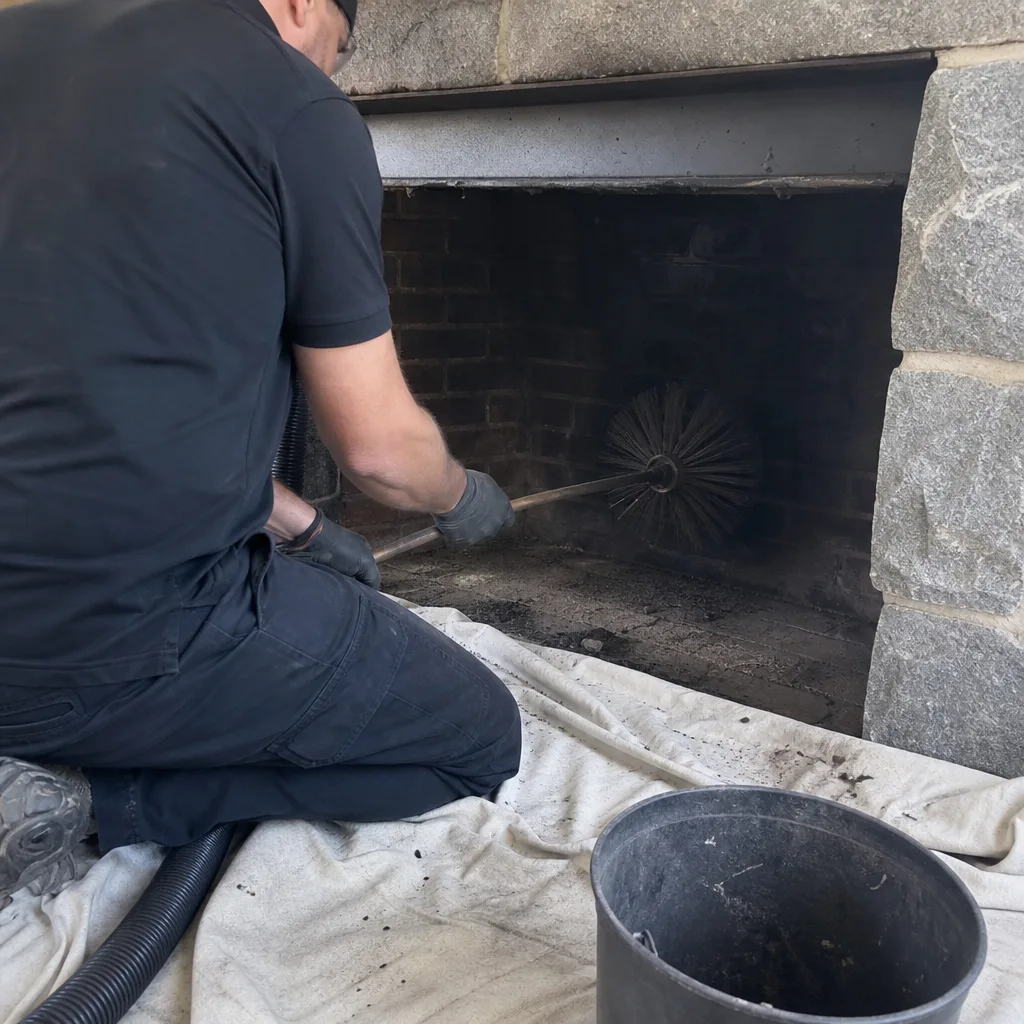
Chimney sweep logs do not sweep chimneys. They loosen some creosote - which then falls where a brush and vacuum still have to collect it.
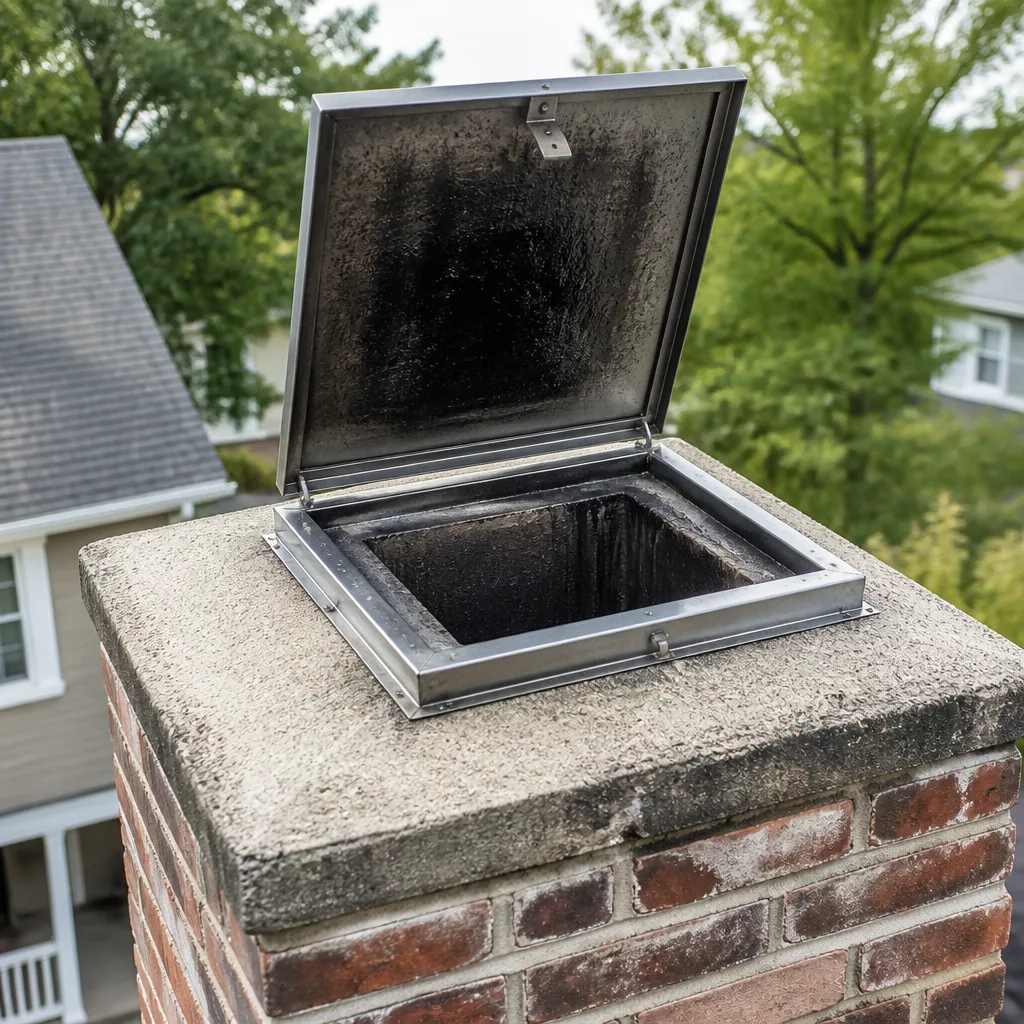
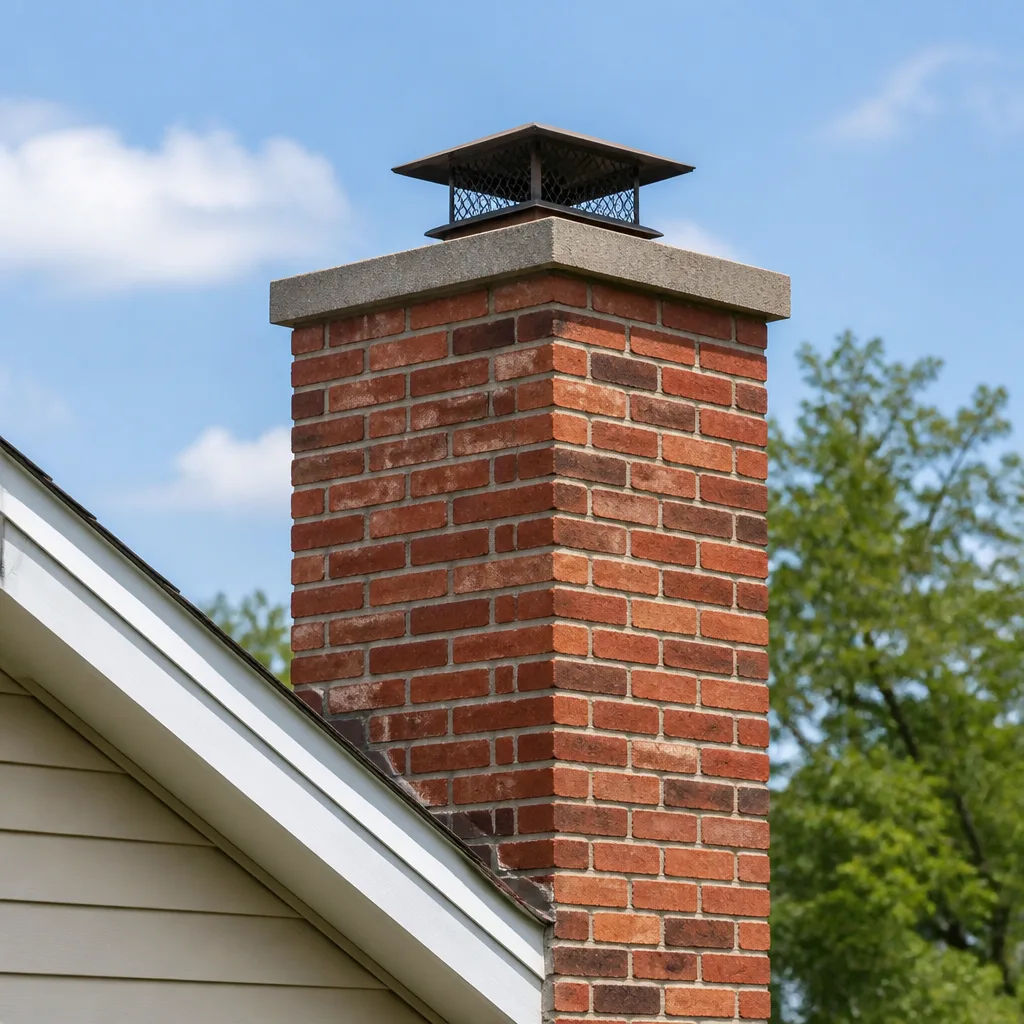
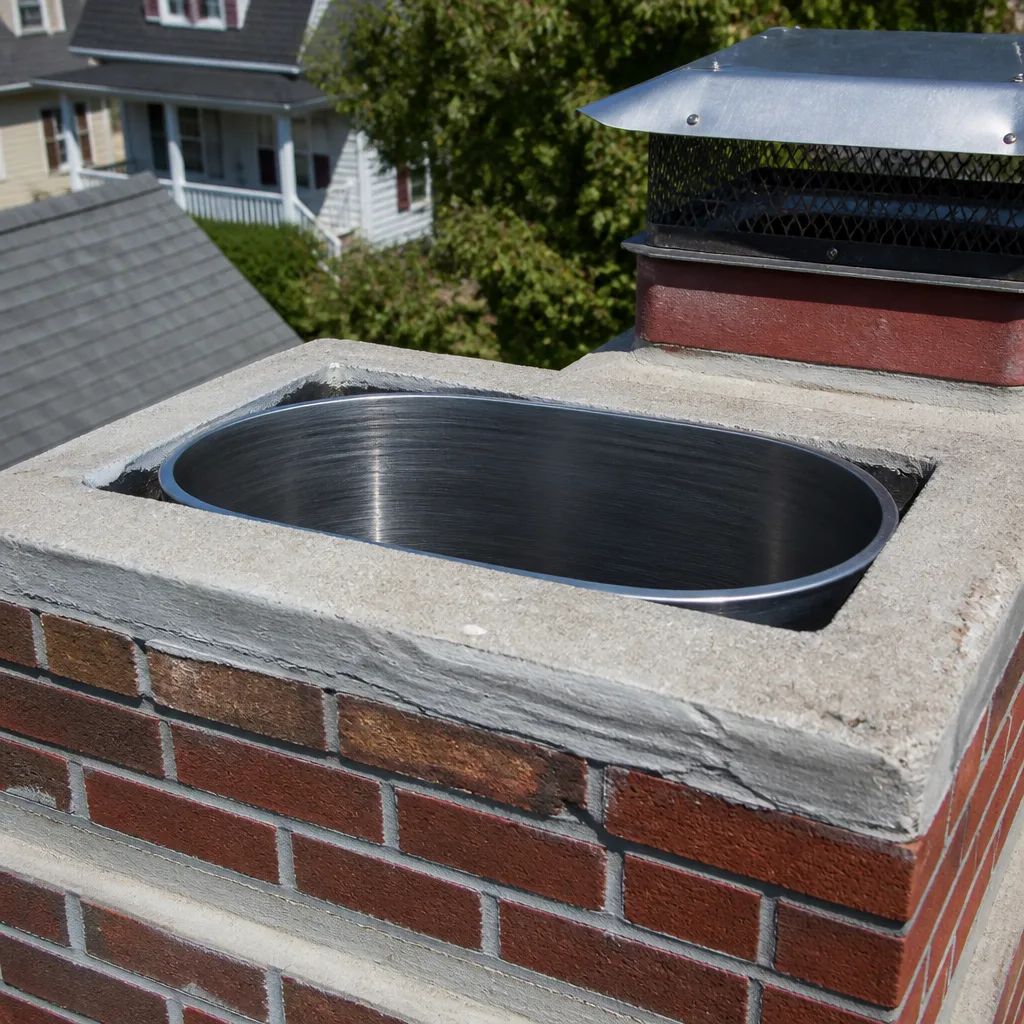
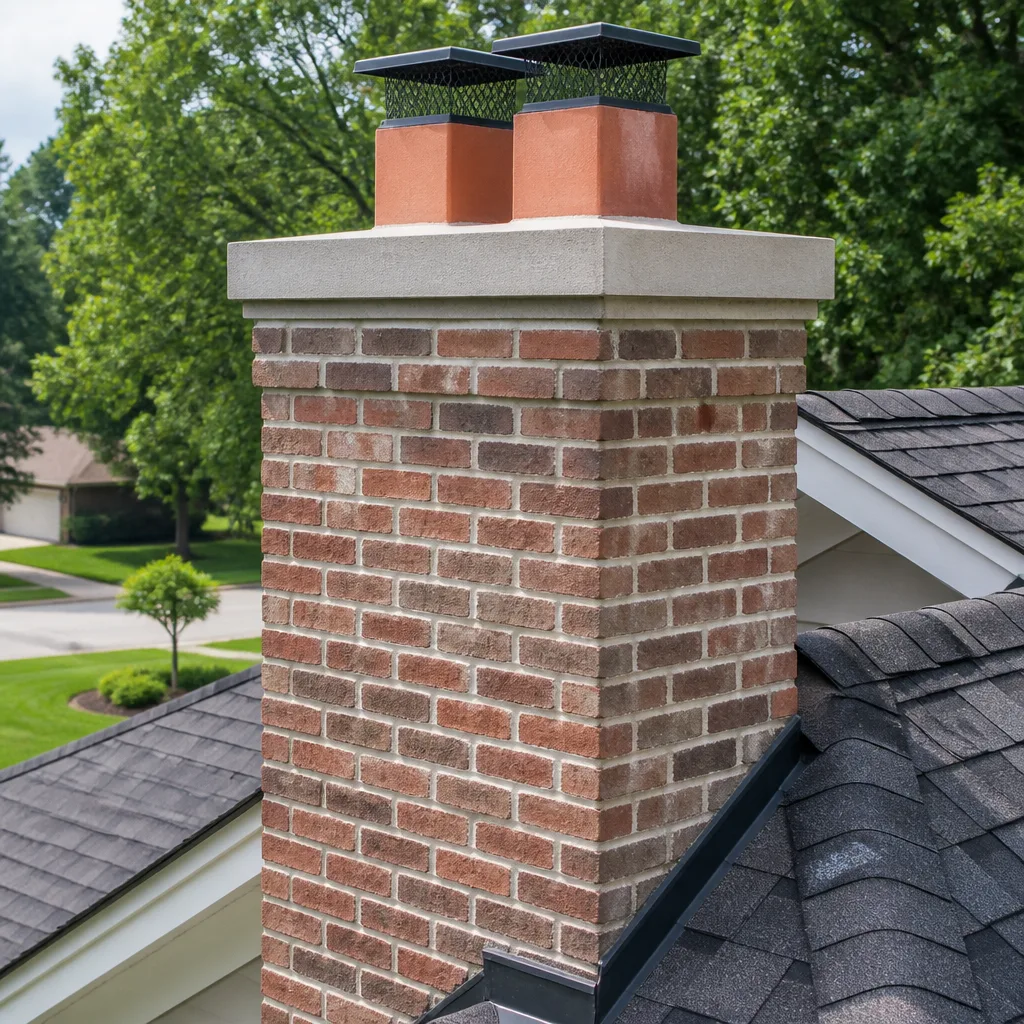
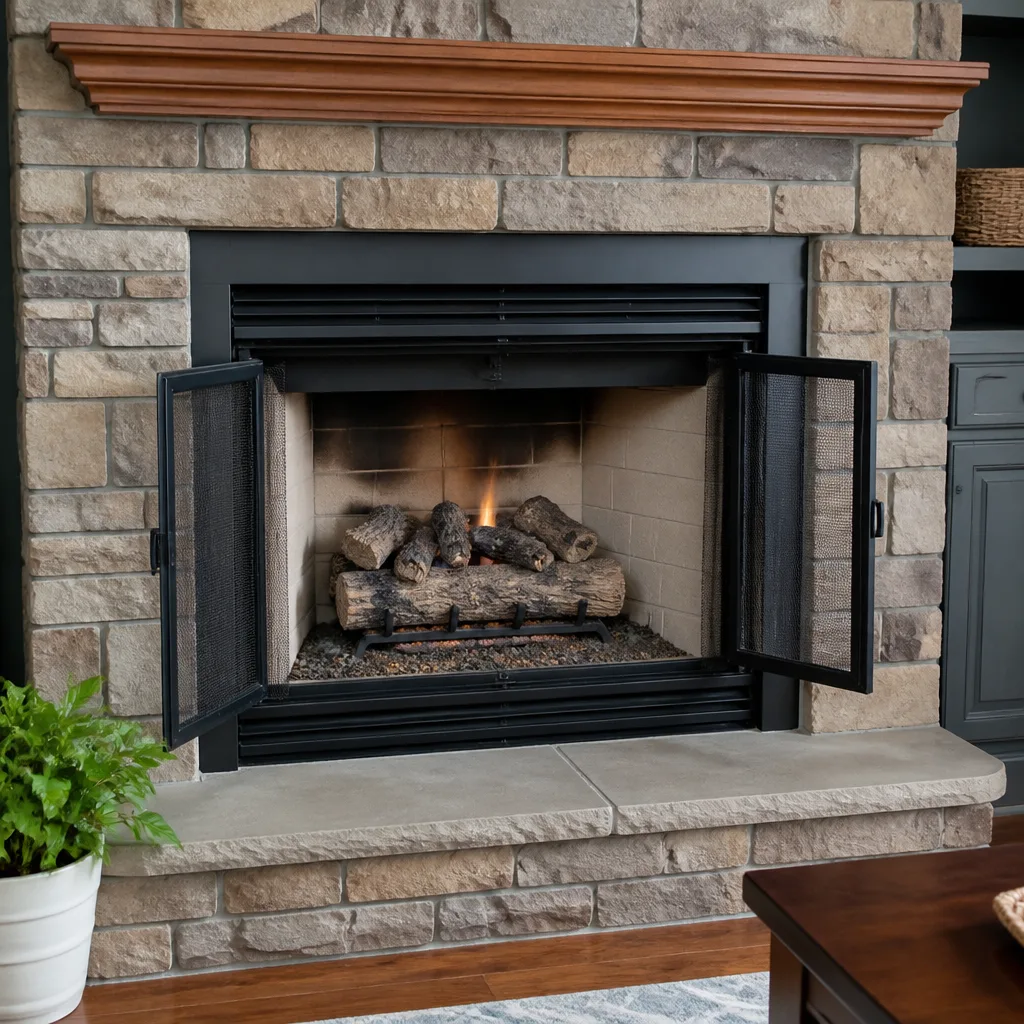
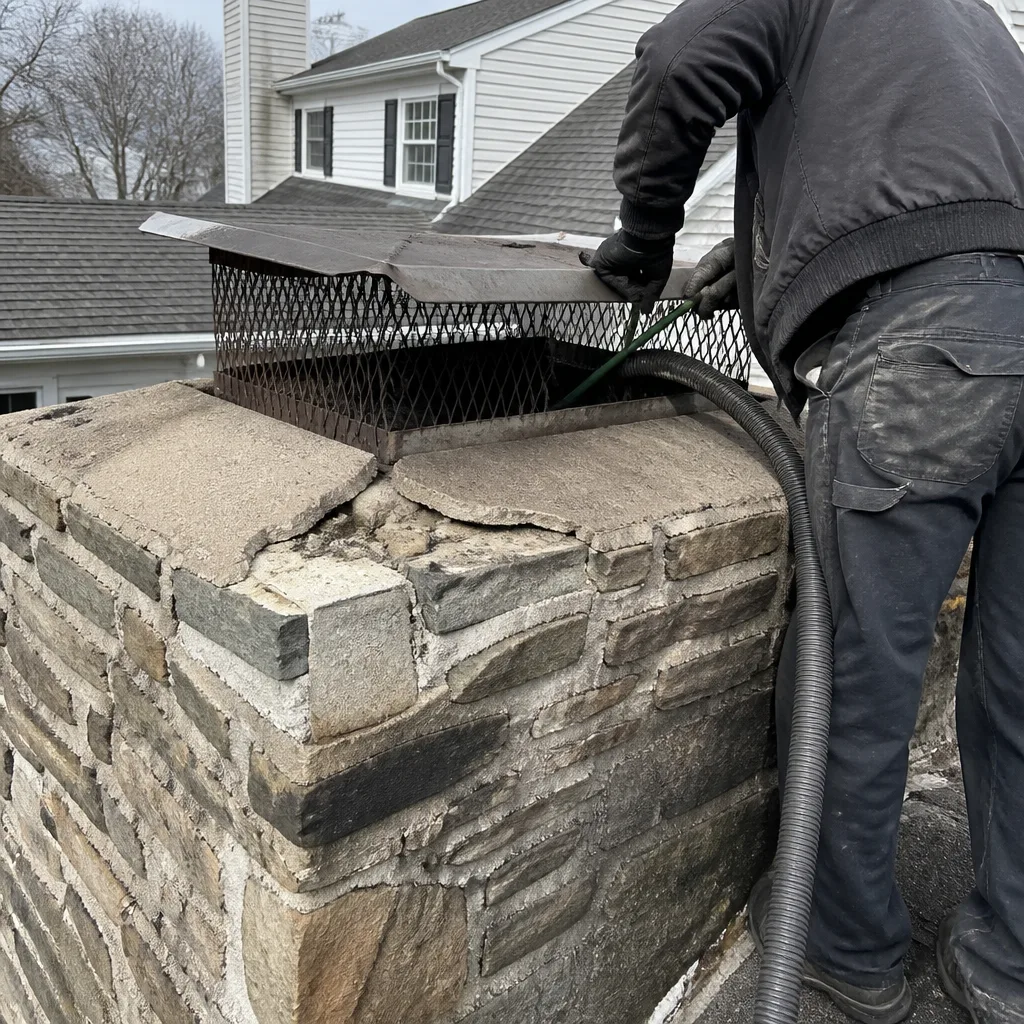 Before
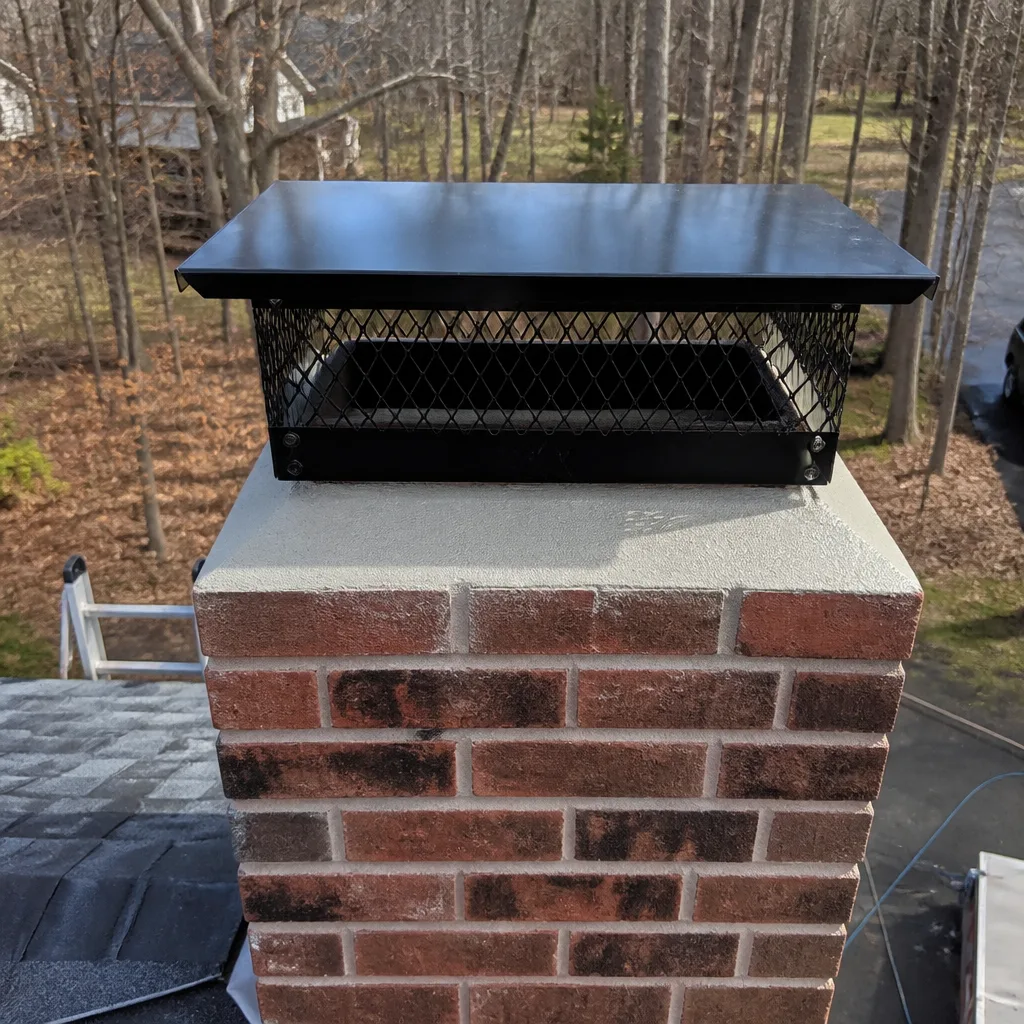 After
After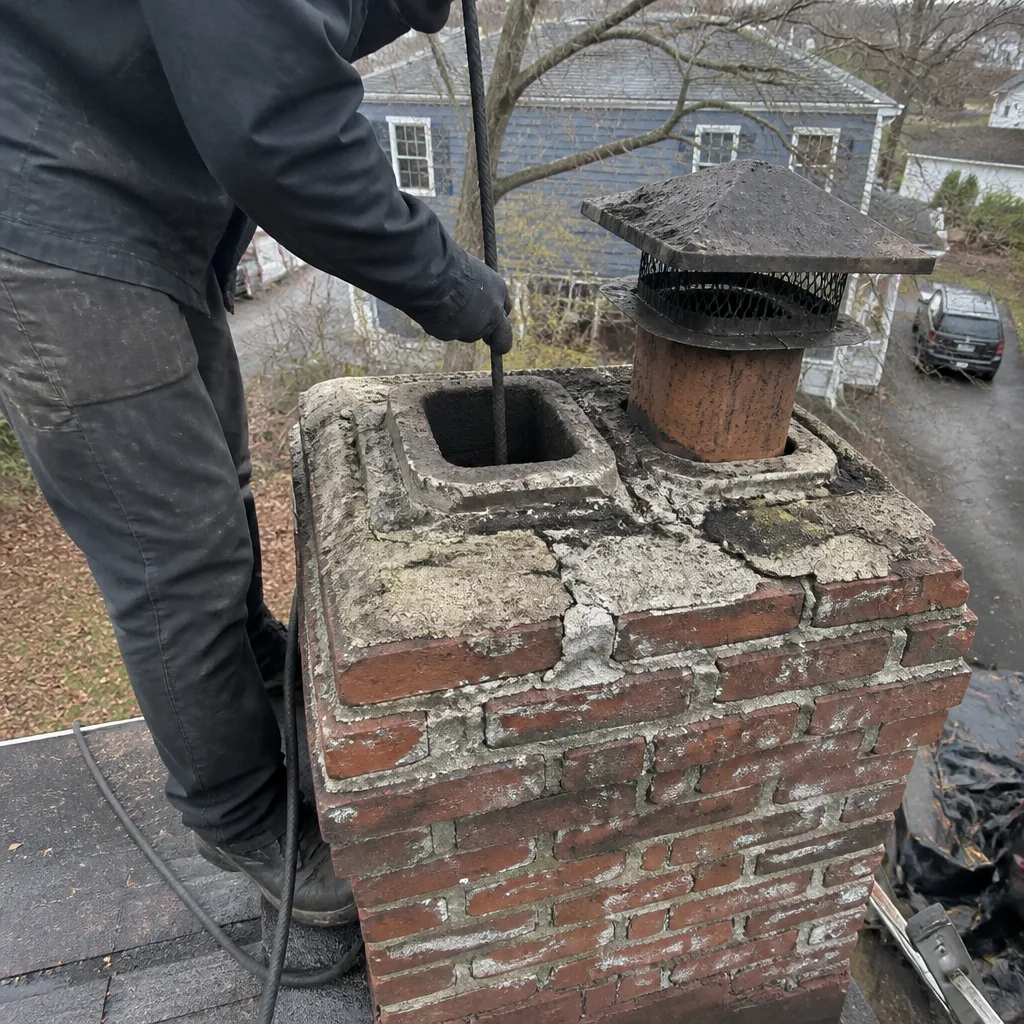 Before
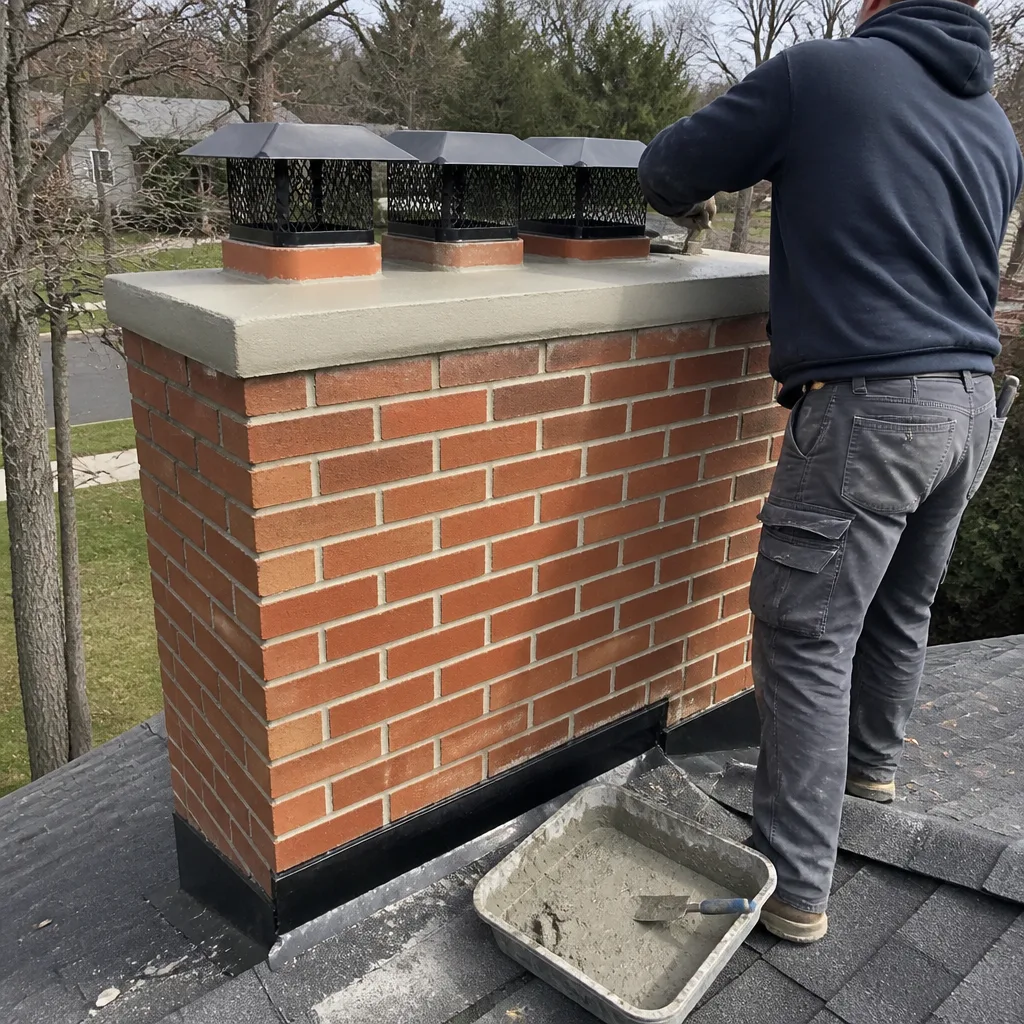 After
After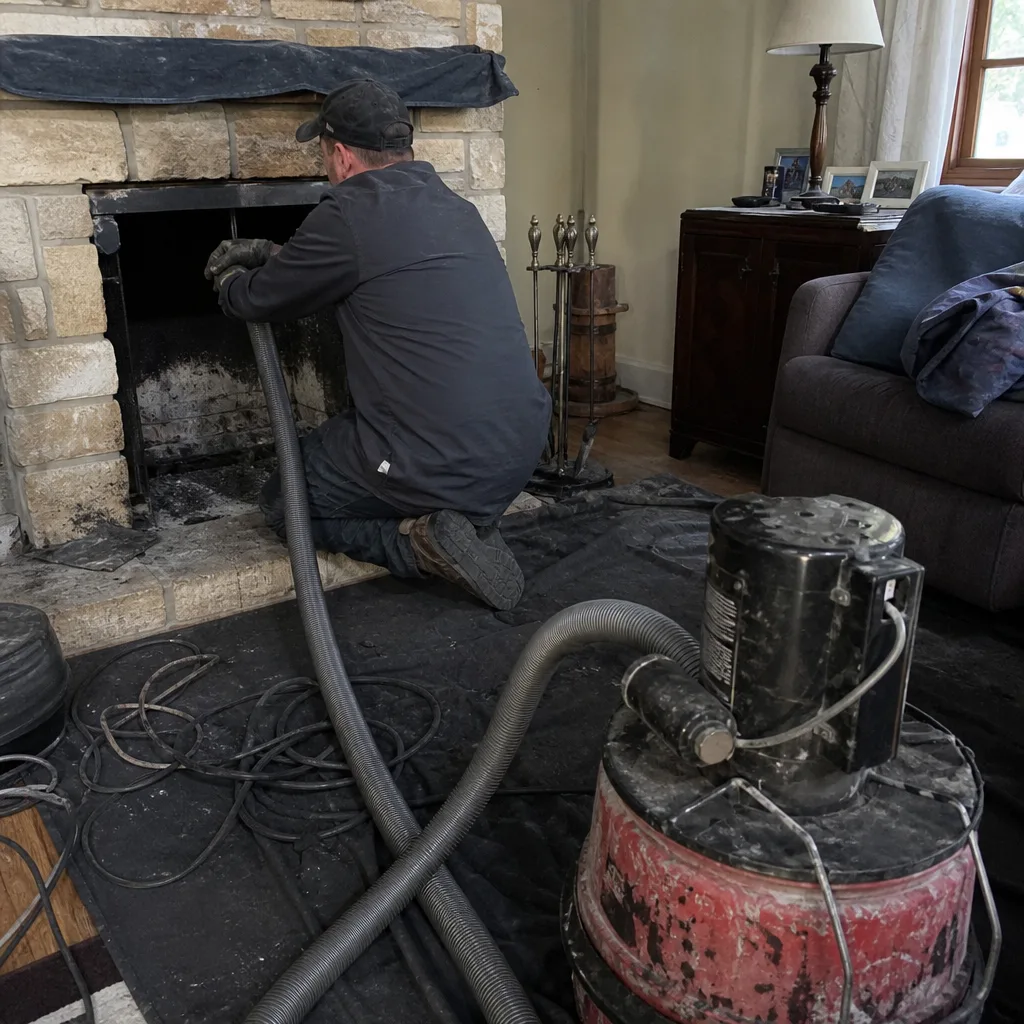 Before
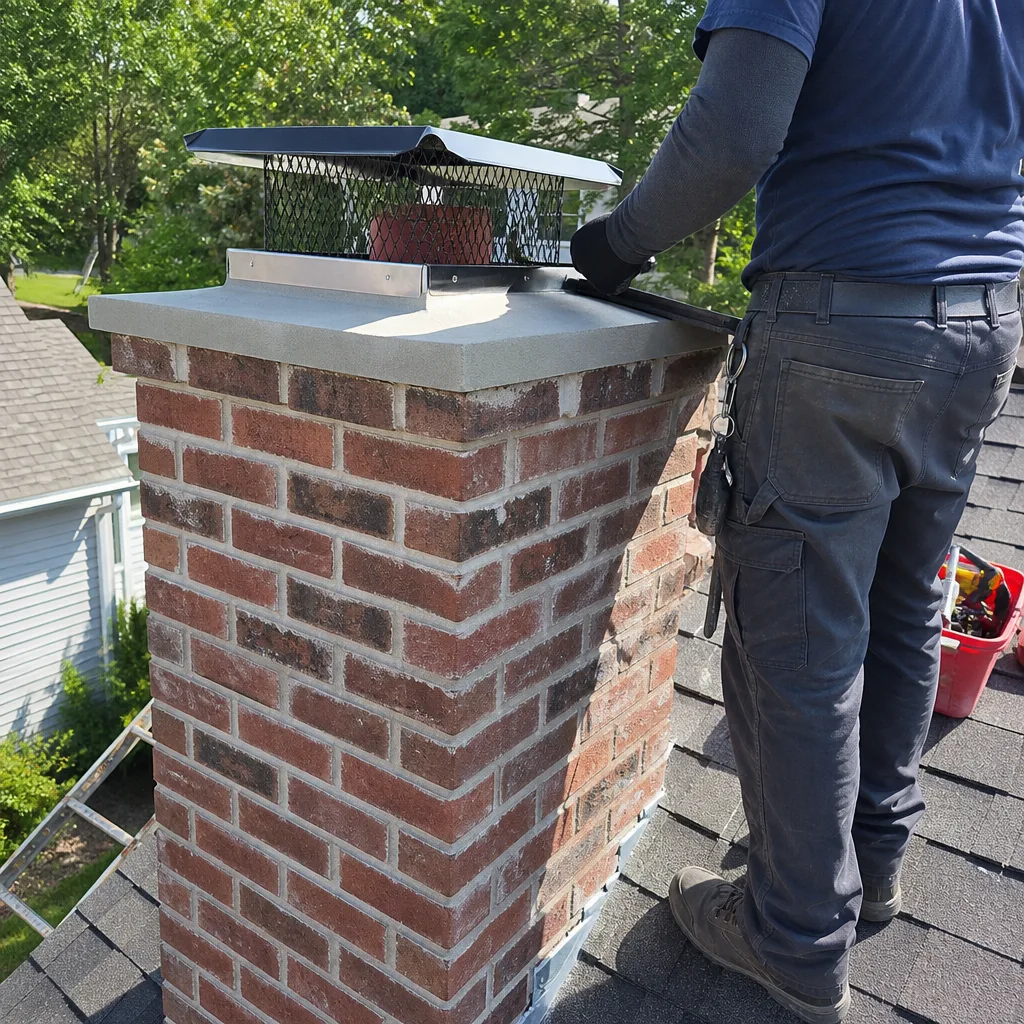 After
AfterGelco Flue Liner Replacement: The Stamford Owner’s Guide
We stock and install Gelco-compatible flue liner replacements throughout Stamford, with most complete liner swaps running between $1,850 and $3,400 installed, depending on flue height, liner diameter, and whether we’re replacing a section or the full run. We keep common Gelco dimensions on the truck, so a straightforward replacement in a single-story Stamford colonial can often be done the same week we inspect it. Most Stamford homeowners discover the problem during a Level 2 camera inspection, often after years of assuming the liner was fine because the fireplace “still worked” - or worse, after a puffback stained the living room ceiling. The liner is the part that keeps heat, gas, and creosote where they belong. When it fails, the symptoms are usually quieter than people expect.
Key Takeaways:
- Gelco liners typically fail at the seam welds first, not along the body of the pipe
- A camera inspection before any liner quote is non-negotiable, and it’s included in our visit
- If the liner is intact but draft is poor, you may not need a liner at all - we’ll tell you that plainly
- We source Gelco-compatible replacement parts through our buying network, along with DuraFlex and HeatShield options
- Every replacement includes a written price, written scope, and photo record before and after
Which Gelco Models This Applies To
Gelco made stainless steel chimney liners in both rigid and flex configurations, and the naming convention matters more than most homeowners realize. The rigid sections - typically 6-inch or 8-inch diameter, in 24-inch and 48-inch lengths - were used for masonry chimneys serving wood stoves, furnaces, and boilers. The flex version, which Gelco sold in pre-insulated and uninsulated rolls, was common in reline jobs for older Stamford homes where the original clay tile flue had cracked or spalled. There’s a compatibility gotcha here that catches owners off guard: Gelco’s rigid sections use a male-female crimped connection that does not always seat cleanly against aftermarket flex adapters. If a previous contractor mixed brands mid-run, you’ll often see draft loss and creosote accumulation right at that transition point. We’ve pulled more than a few liners out of older Stamford capes and colonials where the “repair” was a mismatched adapter that never sealed properly.
Identifying your Gelco liner usually comes down to a label near the top section or the manufacturer’s stamp on the collar. If the label is gone - and it usually is after ten-plus Connecticut winters - we identify the diameter with a caliper measurement during the camera inspection. On the OEM versus aftermarket question: since Gelco is no longer the dominant brand it once was, we typically spec a Gelco-compatible replacement from DuraFlex or HeatShield when the original liner has failed. The spec that matters is the alloy (316L stainless for wood-burning; 316Ti or AL29-4C for high-efficiency gas), not the label on the box. We keep both 316L and 316Ti stock in the common 6-inch and 8-inch diameters, which covers the large majority of Gelco-equipped homes in the Stamford area.
Signs Your Gelco Flue Liner Replacement Is Failing
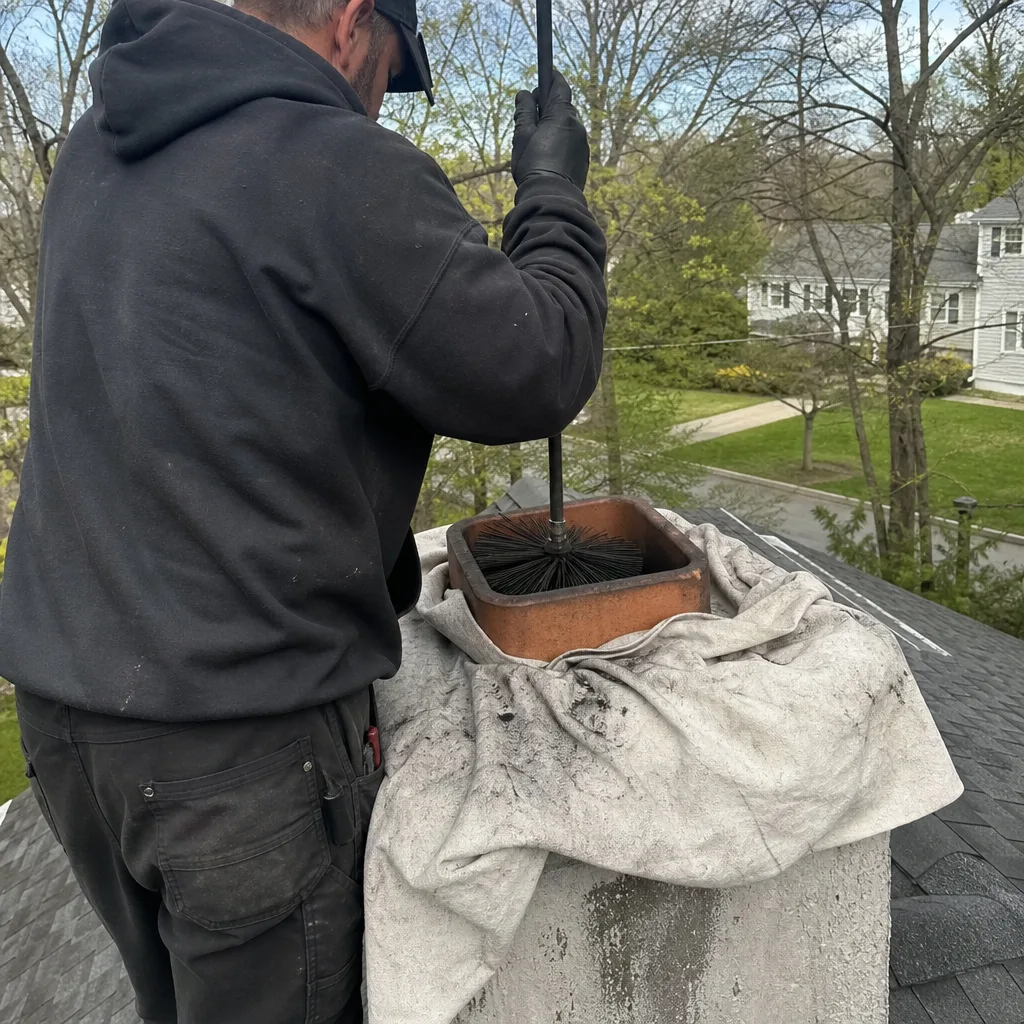
- Flaking rust or discoloration on the liner interior. Connecticut’s freeze-thaw cycle works on liner metal the same way it works on roads. Once the protective oxide layer is compromised by condensation, the steel starts shedding, and that rust is a signal the liner wall is thinning in places. This is a camera finding, not something you’ll see from the hearth.
- A smell like damp charcoal or wet ash, even when you haven’t burned in weeks. This usually means creosote or moisture is sitting against the liner wall instead of drafting up and out. A failing Gelco section with a broken seam or cracked weld lets condensation seep into the surrounding masonry, and the smell comes back through the firebox.
- Visible soot or staining on the chimney exterior. Not the interior flue - the outside of the chimney, especially around mortar joints. That staining means flue gases are finding a path through the liner and into the brick, which is exactly what a reline was supposed to prevent.
- The fireplace or stove drafts differently than it used to. A slight backdraft on start-up, smoke that lingers near the firebox opening, or a draft that used to pull hard and now feels lazy. This points to a separated joint or a section that’s buckled inward, which restricts the flue and changes the pressure profile.
- You had a previous “repair” that involved a patch, a clamp, or a brand-mismatched adapter. These fail eventually. In our experience across Stamford, a patch job on a Gelco liner lasts one to three burning seasons before the same symptoms come back.
BeforeAfterReplacement Cost & What’s Included
For a standard Gelco replacement in Stamford, expect $1,850 to $2,900 for a single-story run in a masonry chimney, and $2,600 to $3,400 when the flue is longer, the liner is pre-insulated, or we’re correcting a botched prior install. The main price drivers are flue height, liner diameter, whether we’re doing a full removal-and-reline or a sectional replacement, and access - some roof pitches in North Stamford make staging the work meaningfully slower. The written price you get before we start includes the liner, adapter, top plate, cap connection, labor, disposal of the old section, and the camera scan before and after. There’s no “parts fee shown, labor added later” structure. You get one number, in writing, before anything is ordered. That’s Haven Standard Clause 1: have it in writing. And the work is covered by our 365-Day Done Right Promise - if the liner swap isn’t done right, we make it right.
DIY or Call Us?
Here’s the honest split. What you can safely do yourself: shine a bright flashlight up from the firebox and look for obvious rust staining, flaking, or a visible gap at a joint. You can also check for exterior staining on the chimney brick. That’s it. What you should not do: attempt to pull, patch, or replace a section of flue liner on your own. A Gelco liner in a working chimney is carrying hot flue gases at 400°F to 800°F, and a liner that’s compromised in one spot is usually compromised in several. Working on a roof in Stamford - especially the steep gables and slate roofs in the older neighborhoods near Cove Island Park - with a liner section in hand is a serious fall risk. Pulling a liner without a proper hoist setup can take brick with it. And if you install a liner section that doesn’t seal, you’ve created a carbon monoxide path into the house. Corrine Halstead has pulled liner sections out of chimneys where the previous owner’s “fix” was sheet metal screws through the flue wall. The camera doesn’t guess. Neither do we. If you’re seeing symptoms, call (914) 537-8463 and we’ll put a camera down the flue before recommending anything.
FAQs
A properly installed 316L Gelco liner in a wood-burning Stamford chimney typically lasts 15 to 20 years before inspection-worthy wear appears, though high-moisture conditions and unseasoned wood can cut that to a decade. Every liner we’ve seen fail “early” had one thing in common: it wasn’t the liner’s fault, it was the installation or the burning habits around it.
In most cases we inspect, a full-section replacement is the honest fix, because a failed weld or seam means the surrounding metal has been under stress it wasn’t built for. Patching a liner is a temporary measure that works only in low-stress spots, and we’ll tell you explicitly if we think it’s a waste of money. Call us at (914) 537-8463 and we’ll show you the camera footage so you can decide with your own eyes.
A standard single-story Gelco liner replacement in Stamford takes one full day, including removal of the old sections, installation, sealing, and the before-and-after camera scan. A two-story reline with staging or roof access complications can run into a second day, and that’s reflected in the written quote before we start.
We keep the common 6-inch and 8-inch 316L and 316Ti liner stock on the truck, which covers the large majority of Gelco-equipped chimneys in Stamford, and we can typically have larger or specialty diameters in hand within a few days. We also source through DuraFlex and HeatShield when the spec calls for it, because the alloy and diameter matter more than the brand sticker on the liner.
Contact: If your Gelco liner is showing any of the symptoms above, or you just want a camera scan before the next burning season, call (914) 537-8463 for a free estimate. You’ll get a written price, a written scope, and a documented photo record when we’re done - no exceptions, no “call for a quote.”
Written by Corrine Halstead, Owner, Level Two Chimney Stamford at Level Two Chimney Stamford, serving Stamford and nearby areas.